
Why Is a Brooding Cage Important for Raising Chicks?
What Does a Brooding Cage for Chicks Actually Do?
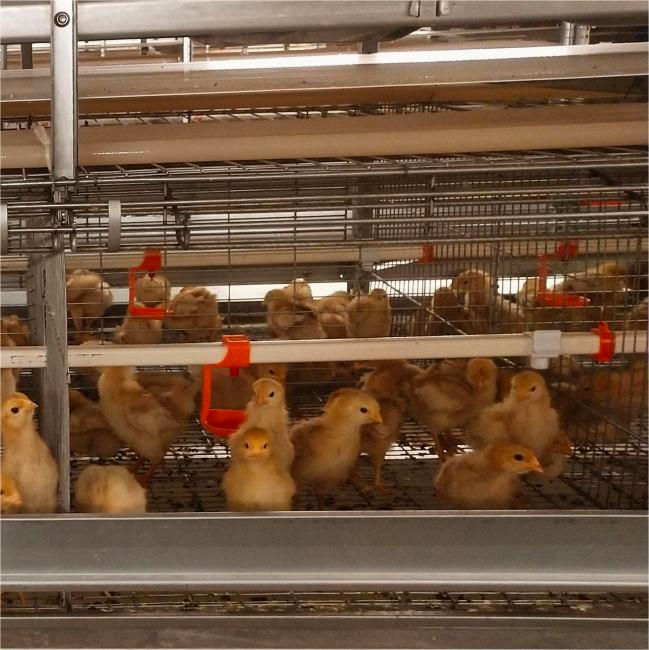
A baby chick brooder cage is a vital setup for nurturing young chicks. It creates a managed space for their development. These cages aim to copy the cozy warmth and shelter that a mother hen would offer. The setup keeps a steady temperature, often from 90–100°F. It also ensures good airflow to avoid ammonia accumulation.
Beyond just heat, these cages deliver protection against predators. They also stop injuries that often happen in open areas. The cage uses sturdy materials. It is simple to clean and built for smooth handling. Plus, controlled feeding setups and lights aid steady growth and sound health.
How Does a Brooding Cage Improve Chick Survival Rates?
During the early weeks, chicks face high risks. A solid brooding cage guards them from chilly drafts, physical damage, and too much crowding. Chicks in a brooder with steady conditions rarely face stress, sickness, or harm. This boosts their chances of surviving the key starting phase of life.
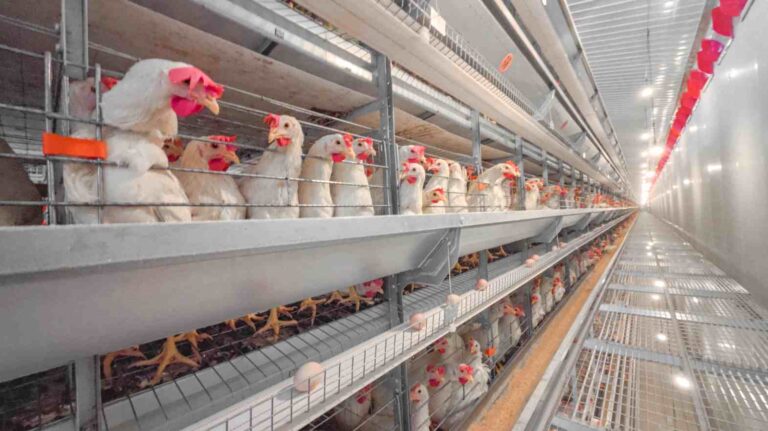
Good ventilation promotes fresh air flow. At the same time, it stops breathing problems. Proper space for each chick cuts down rivalry, fights, and tension. The brooding and rearing phases fit well into one cage. They last from day one to 7–13 weeks. This time is known as the brooding and rearing period. It sets the base for later stages in the layer cage. Indeed, the brooding and rearing period stands as the most vital time in a chicken’s life.
What Features Should You Look for in a Good Brooding Cage?
Are All Brooding Cages Designed the Same Way?
Not every brooding cage is made the same. Some are basic plastic bins. Others feature advanced setups with several levels. Brooder cages vary in size and style. This makes them fit for small backyard operations or big commercial farms. You can spot options with changeable heat sources, feeders, drinkers.
Some even offer stackable builds to use space wisely in tight spots. Multiple layers stack up to free up ground area and use space better. In the current space, the flock size grows larger.
Material matters too. Seek rust-proof wire and trays that pull out easily for cleaning.
Key Features That Make a Difference in Chick Health
Temperature Control System
Controlling temperature is key for chicks. They cannot manage their own body heat in the first weeks. A fine brooding cage holds steady warmth with added heaters or infrared bulbs. The best temperature for new chicks is 90–95°F in week one. Then, lower it by 5°F weekly until they have full feathers.
Adequate Ventilation and Lighting
Strong airflow is essential, yet it must avoid direct drafts. Our brooding cage stands at 700mm high. It has enough room above and below for air to move freely. This leads to better ventilation. For lighting, waterproof LED bulbs provide safety. They also support normal activities.
Easy Access to Feed and Water
Feeding systems need to be reachable without mess. Our feed trough fits snugly to cut waste. Water lines should change height as chicks grow. Each of our water line moves up and down. This suits drinking needs for birds of various sizes in different cages. A water cup sits below the line to stop drips on the manure belt.
How Can You Increase Uniformity Among Chicks?
What Does “Uniformity” Mean in Chick Rearing?
Uniformity means chicks grow at similar paces and reach close sizes. This simplifies flock care. It also aids stronger production results.
In this phase, chicks require close attention to boost weight evenness and lower death rates. Even development makes it simpler to handle feeding times, shots, and shifts to new housing.
Tips for Promoting Even Growth in Your Brooding Setup
Keep Temperature Consistent Across the Entire Cage
Unequal heat can make some chicks bunch up. Others might get too warm. This leads to uneven progress. Opt for built-in heating or place thermometers in various spots. Check for warm or cool areas.
Provide Equal Access to Feeders and Drinkers
Space out feeding spots to prevent jams. Chickens enjoy plenty of room to eat and develop steadily. This stops stronger chicks from taking all resources. Thus, every one gets a fair portion.
Monitor Chick Behavior Regularly
Daily looks help catch problems soon. These might include illness, picking on others, or slow growth. Act quickly to fix them before they harm the group.
How Long Should Chicks Stay in a Brooding Cage?
When Is It Safe to Move Chicks Out of the Brooder?
Usually, chicks can exit the brooder at 4–6 weeks old. But this varies by breed and surroundings. Watch for signs like complete feathers, lively actions, and self-body heat control without extra warmth.
Transitioning from Brooder to Coop Smoothly
Avoid hurrying this step. Cut back heat slowly over days. Then, let them try outdoor spots in warm times before full move.
Brooder cages let farmers watch chicks up close for illness or odd actions. This helps fix issues early and lifts overall flock wellness.
Why Choose ZEUSYANG’s Stacking Brooding Cage for Your Chicks?
What Makes ZEUSYANG’s Design Stand Out?
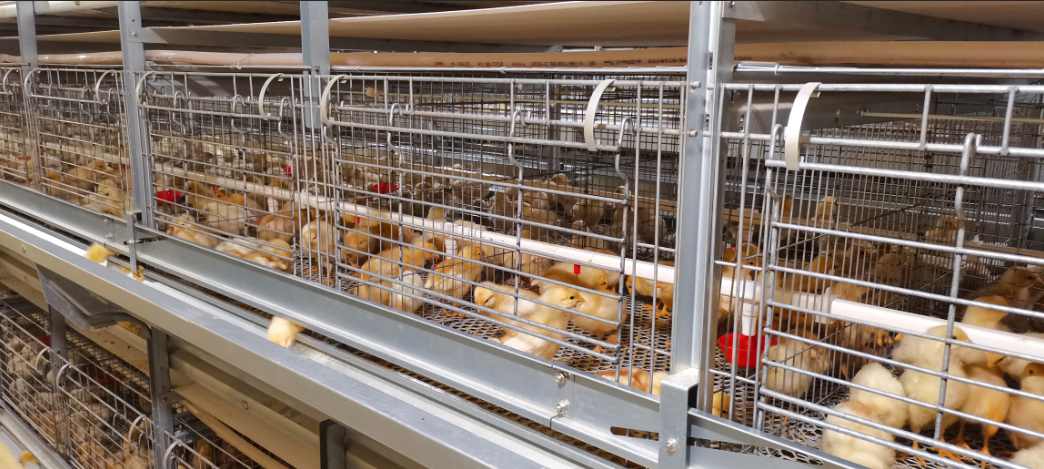
At ZEUSYANG, we grasp that space use and chick safety come first. Our stacking brooding cages focus on those aims. Multiple layers stack to save ground space and use area more wisely. Each level works well for brooding or rearing.
The brooding cage frame assembles from 275g hot-dip galvanized sheet. Installation is quick and simple. It resists rust, stays firm and steady. No matter if you raise 100 or 10,000 chicks, our cages adapt to your scale.
Benefits of Using ZEUSYANG’s Stacking Brooding Cage System
Space-Saving Design with Easy Maintenance
Our upright setup lets you keep more chicks without added floor space. Pull-out trays speed up cleaning and keep things clean. You save time on tasks. This leaves more moments to watch your birds.
Enhanced Chick Safety Features
We pick rust-resistant galvanized stuff with no rough edges. The push-in cage door is straightforward and dependable. The cage door opens wide and works well. It eases catching chickens and cuts disease risks. Firm barriers block predators. Yet, they let fresh air in.
Optimized Feeding and Drinking Systems
Every level has smooth feed troughs and height-adjustable water lines. Each feeder layer includes a leveler to set feed amounts. This fosters steady growth. Every chick gains fair access.

FAQ
Q: How many chicks can I raise in one brooding cage?
A: The number depends on cage size. Typically, 50–100 chicks per tier is manageable if there’s adequate space for movement and feeding.
Q: Do I need a heat lamp if I use a brooding cage?
A: Most quality brooding cages come with built-in heating systems; however, if not included, you’ll need an external heat source during the first few weeks.
Q: How do I clean a brooding cage properly?
A: Remove droppings daily using slide-out trays. Disinfect surfaces weekly using mild animal-safe cleaners, then dry thoroughly before reintroducing chicks.
Q: What makes ZEUSYANG’s brooding cages different from others?
A: Our brooding cages combine high-quality materials, stackable design, smart ventilation, efficient feeding systems, and optional IoT integration—all designed to improve chick health while saving space and labor costs.