
Why Clean Water Matters in Poultry Farming
How Water Quality Affects Bird Health and Growth
Clean water stands as one of the key but commonly ignored elements in poultry production. Birds depend on water for more than just staying hydrated. They use it for digestion, body temperature control, and nutrient uptake too. Dirty water can pass on illnesses and cut down feed use efficiency. This causes slower weight gain and weak flock results. If germs or bad minerals get into the water source, they can upset digestion and body processes. As a result, they harm egg laying and body weight increase.
Steady checks make sure of the right mineral levels and microbiologically safe conditions. Farmers can watch pH values, water hardness, and germ numbers. This way, they stop gut problems and keep even egg yields. In current poultry care setups like those at ZEUSYANG, keeping water lines clean forms a core piece of flock wellness care.
Common Water Contaminants in Poultry Farms
Water pollution at farms usually starts from three chief origins: germ growth, too many minerals, and leftover chemicals. Germ pollution often grows in pipes from sticky film buildup. That gooey covering hides disease-causing agents. Those agents can sicken birds if the birds drink the water. Extra minerals like iron or manganese can change water flavor and cause body function issues.
Chemical traces from cleaners also bring a secret threat if pipes lack full rinsing after cleaning rounds. So, a solid poultry drinking system with fitting filters and rinse parts is vital for stopping diseases.
Choosing the Right Poultry Drinking System for Your Farm
What Are the Main Types of Poultry Drinking Systems?
Nipple Drinker Systems
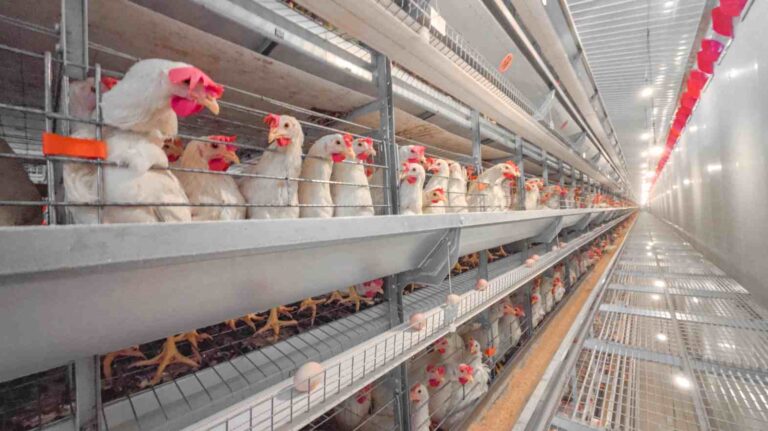
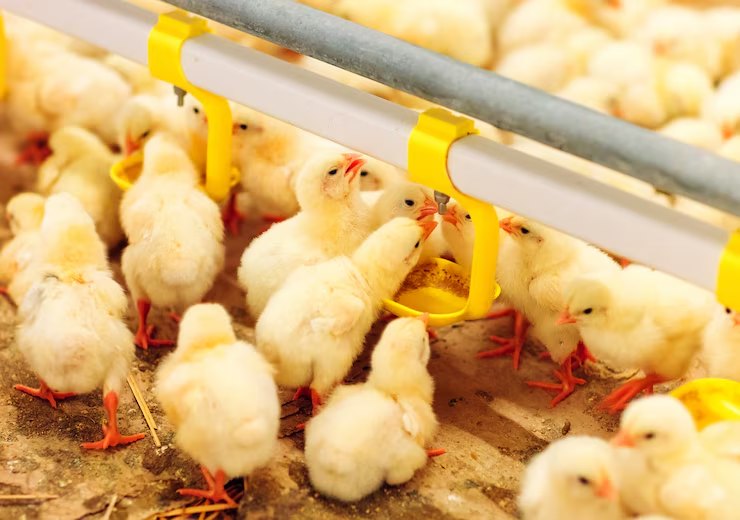
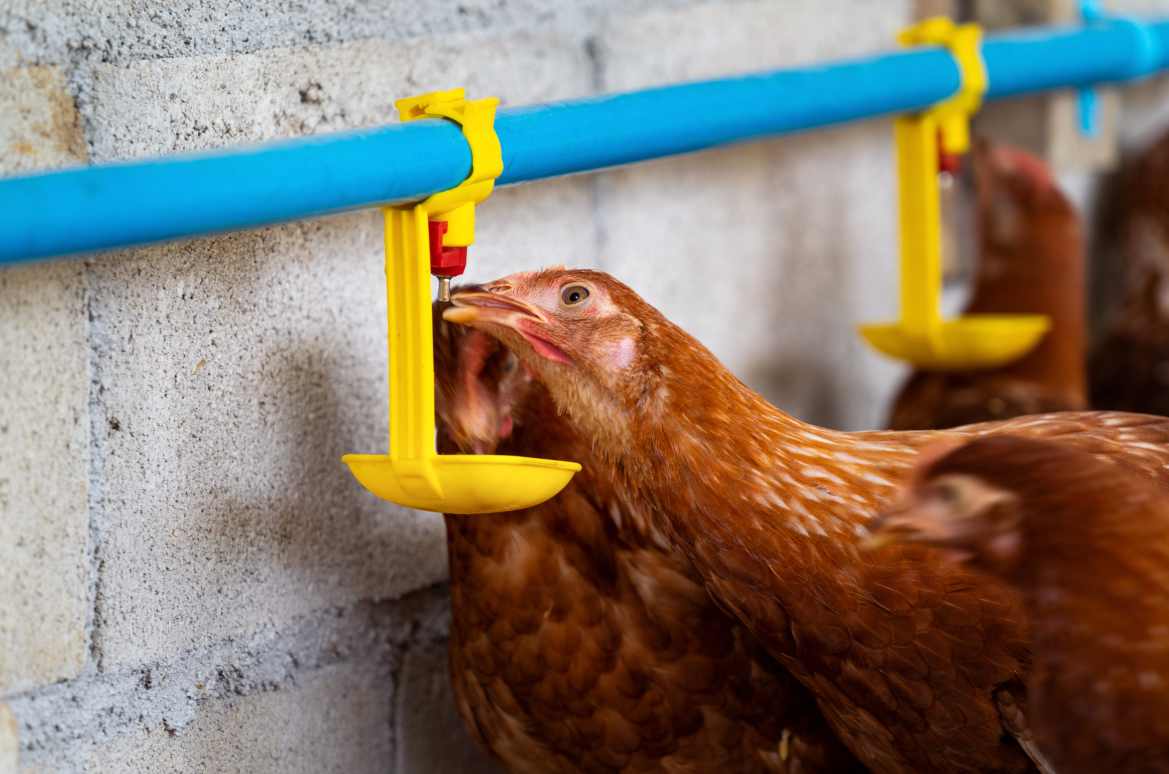
Nipple drinker systems count as the top clean choice for today’s poultry farms. They bring fresh water right to birds with small waste amounts. At the same time, they lower pollution chances versus open pans. Each line is designed to provide adequate nipple access per number of birds. This lets many birds drink at once while cutting down waste. The setup aids in keeping bedding dry and cuts ammonia rise. These systems fit both broilers and layers well. Their flow rates adjust to match bird growth stages.
Bell Drinker Systems
Bell drinkers use gravity to feed water. This suits them for small or old-style farms. Yet, they show more open space to air and light. For that reason, they need steady cleaning to block algae spread or dirt pile-up.
Automatic vs Manual Systems
Automatic systems cut down work by holding steady water flow. They use pressure controls and sensors that shift with need. Manual systems offer budget-friendly ways. However, they demand regular checks to guarantee nonstop water.
How to Match the System to Flock Size and Farm Layout
When picking a poultry drinking system, think of bird numbers per area, barn design, and water pressure options. The suspension system has a distance of 3m to provide stable support for the drinking water system. Good spacing guarantees even water spread. Thus, every bird gets fair access without bunching at drinkers. It pays to plan for future growth. Flexible systems make changes simple as flock numbers rise.
Setting Up a Poultry Drinking System for Maximum Efficiency
Key Installation Considerations for Consistent Water Flow
To get even flow in all pipes, keep line height right for bird age and build. The pressure regulator maintains 2kg of water pressure ensuring optimal performance. Such balance stops spills or low supply in house parts. Putting filters up front aids in clearing dirt before it hits the system. Routine rinsing blocks stops from mineral scales or film deposits.
How to Maintain a Hygienic Drinking Line?
Regular Cleaning Routines
Daily or weekly rinse schedules based on bird crowd levels matter greatly for clean upkeep. Approved cleaners that leave no bad traces assure safe and smooth cleaning work.
Monitoring Water Temperature and Flow Rate
Poultry like mild cool water from 10°C-20°C (50°F-68°F). Cool water boosts drinking in warm times. This avoids dry-out stress. Watching flow changes spots leaks or blocks soon. So, they do not hurt flock output.
Integrating Smart Technology into Poultry Drinking Systems
Can Automation Improve Water Management Efficiency?
Automation raises exactness in today’s poultry work by cutting hand tasks. It boosts command sharpness at the same time. Sensors spot leaks, pressure falls, or dirt soon. This lets fast fixes happen before troubles grow. Auto rinse setups ease hand work. They set cleaning rounds on their own from use records.
Data follow tools gather facts on drink amounts over periods. This aids farmers in finding odd signs tied to wellness or setting shifts in the barn.
Using Data Analytics for Better Resource Planning
Looking at water-to-feed patterns gives views on bird work efficiency. Digital watch tools find waste spots in pipes or drink points. Quick changes then save supplies without losing access.
ZEUSYANG’s Advanced Poultry Drinking Solutions for Modern Farms
What Makes ZEUSYANG’s Systems Stand Out?
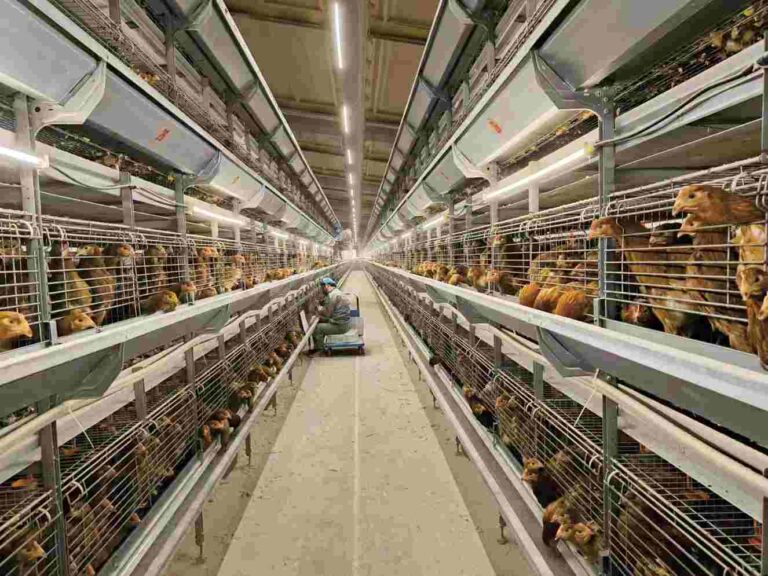
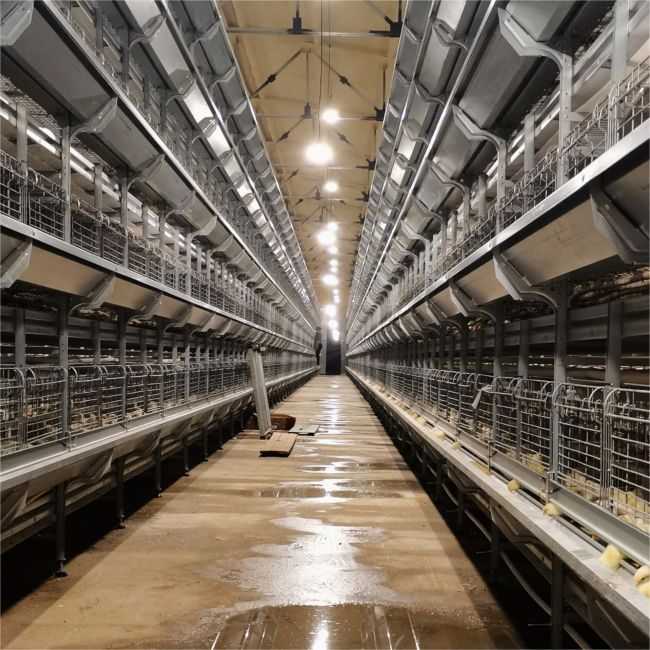
At ZEUSYANG, we focus on making strong poultry drinking systems for lasting steadiness in hard farm use. Chicken farm floor farming includes: feed line, drinking water system, height adjustment system, cooling system, ventilation system, lighting system, and environmental control system. Our items blend well with auto feed lines and weather gear. This creates a better setting through every growth phase.
ZEUSYANG is committed to the design and development, production and sales of livestock and poultry equipment. Our exact-built drinkers cut spills. They hold steady flow under shifting pressure too. Hence, each bird gets new clean water when required.
Product Highlights from ZEUSYANG’s Range
Nipple Drinker Lines with Adjustable Pressure Controls
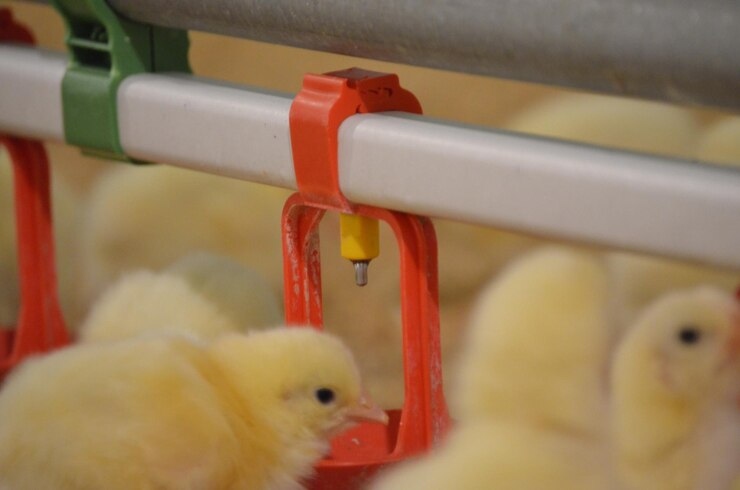
Our nipple drinker lines have adjustable controls. They back best water needs in all growth steps—from chicks to full layers. They also keep bedding dry under each line.
Automatic Filtration and Flushing Units
We add auto filter units that keep pulling out dirt from source water. Auto rinse parts hold pipes clean with little hand help. This frees time and lifts clean standards in barns.
Smart Monitoring Integration Options
For farms taking up digital shifts, we give smart watch link choices. They enable live checks of factors like drink rate by area or warnings on odd changes. This raises work clearness via linked control setups.
FAQ
Q: How often should I clean my poultry drinking system?
A: Regular cleaning every 3-7 days is recommended depending on flock size water source quality and environmental conditions preventing bacterial buildup inside pipelines ensuring clean drinking lines remain functional at all times.
Q: What is the ideal water temperature for poultry?
A: Poultry prefer cool water between 10°C-20°C (50°F-68°F). Warmer temperatures reduce intake especially during hot climates leading potentially toward dehydration or reduced feed consumption rates affecting productivity outcomes adversely.
Q: How can I reduce water wastage in my poultry farm?
A: Use nipple systems featuring anti-leak designs. Maintain correct line height adjustments as birds grow. Monitor pressure levels regularly. Install automatic shut-off valves during maintenance periods. This effectively conserves overall resource usage without sacrificing availability across operations.