
What Determines How Fast an Automatic Egg Collection Machine Pays for Itself
Key Economic Factors That Influence Payback Time
The pace at which an automatic egg collection machine recovers its cost relies mainly on the starting investment and running efficiency. The initial expense for buying, setting up, and adjusting the egg collection gear directly shapes the return on investment (ROI). Although the starting outlay can be considerable, it gets balanced by ongoing labor reductions and better production steadiness.
Manual egg gathering demands more staff and puts eggs at greater chances of harm. On the other hand, automation cuts down human effort. This leads to fewer mistakes and reduced breakage levels. Such efficiency helps farms regain expenses quicker via boosted sellable production.
Farm scale also holds a vital role. Bigger poultry sites with substantial output volumes gain quicker from automation. They save more working hours each day. Local wage levels further shape payback pace. In areas with elevated pay, the ROI timeline shrinks notably. This happens as automated setups replace dull manual jobs.
How Operating Efficiency Impacts Return on Investment
Automated egg collection setups greatly boost handling speed by shortening the time needed per egg. Steady running makes sure that eggs are picked up right away all day long without pauses. This raises the overall daily harvest.
Power use and upkeep needs are extra elements that affect lasting gains. A smartly built automatic egg collection machine uses less power per run and needs little servicing. It keeps reliable output with modest running expenses.
With chicken farming tools that offer strong automation, tasks like cleaning waste, providing feed, and collecting eggs can happen with just a button press. This kind of linkage not only cuts manual work but also guarantees even results. In turn, it speeds up expense recovery.
How Much Can Farmers Save with an Automatic Egg Collection Machine?
Comparing Manual vs. Automated Collection Costs
In usual arrangements with manual egg gathering, several workers are required each day to collect eggs from enclosures or nesting spots. This raises labor costs and leaves eggs open to damage from repeated touching.
By using automatic egg collection gear, farms can cut these expenses a lot. Automation lowers human mistakes. It decreases egg waste and dirt risks. At the same time, it upholds steady quality norms over groups. In the long run, these reliable reductions build into clear money gains. They shorten payback spans.
The Effect of Reduced Breakage on Profit Margins
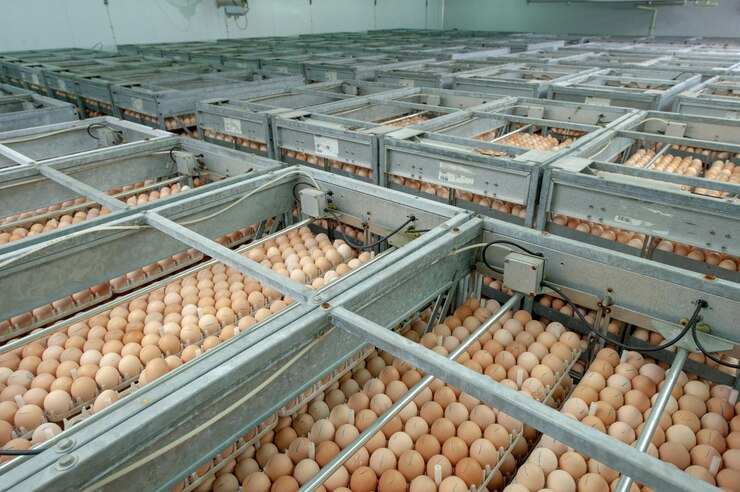
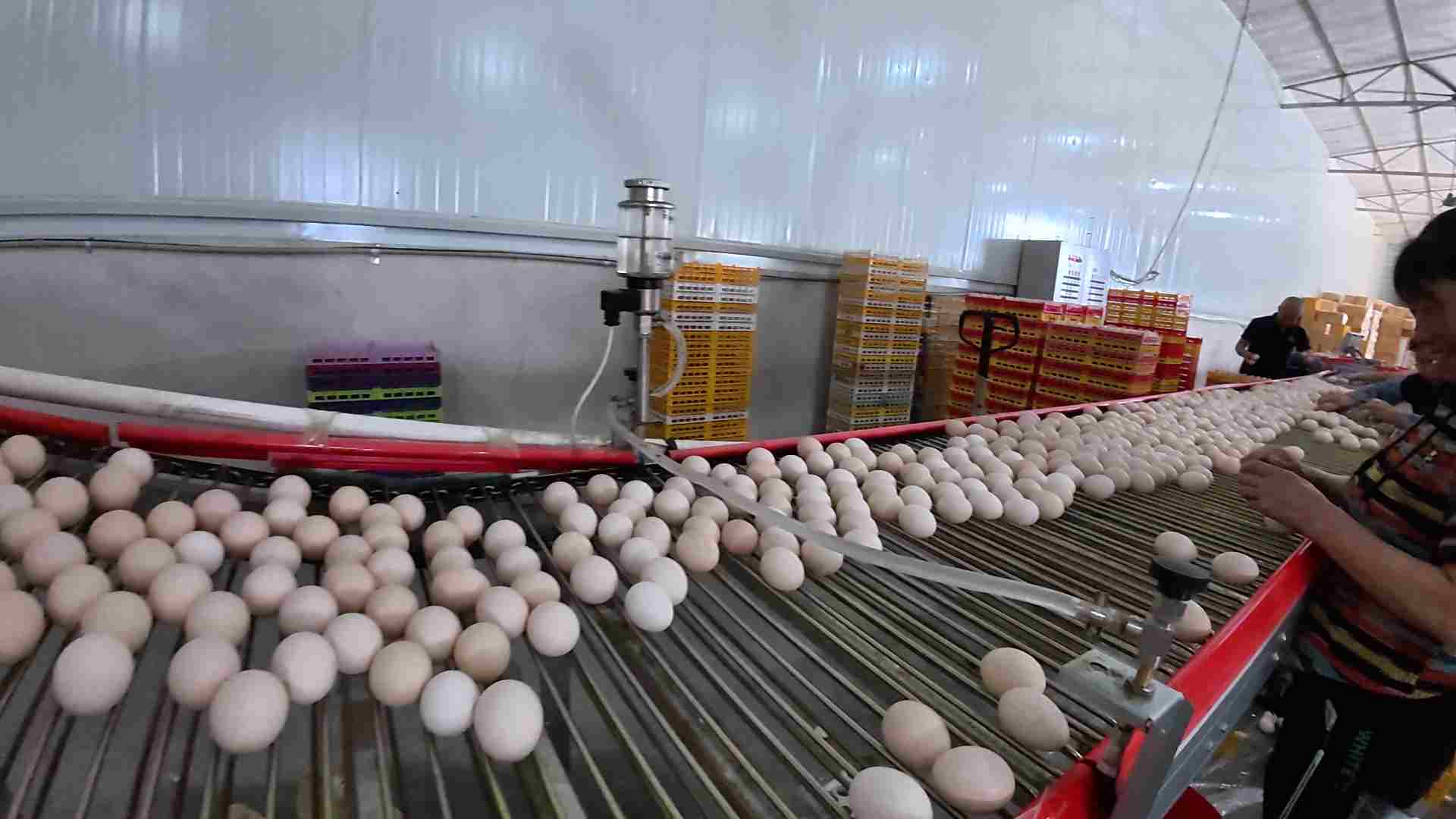
Egg damage straightly hits earnings. This is because broken or harmed eggs cannot sell at top market prices. Automated setups provide smoother treatment via soft belts and managed speeds that guard shells in transit.
Fewer damaged eggs mean greater sellable amounts per group. Even shell standards lift market standing and buyer faith. Both are essential for ongoing income rise.
What Are the Hidden Benefits Beyond Cost Savings?
Enhancing Productivity and Farm Management Efficiency
Besides plain reductions, automated setups offer working perks that aid superior farm oversight. By handling dull jobs like egg pickup, employees can turn to flock wellness checks, feed improvements, or site cleaning. These tasks build lasting worth to the farm’s output.
Live tracking features built into current automatic egg collection setups give useful info for output scheduling and stock oversight. Reliable timing in egg pickup also betters freshness and quality checks in packing.
Improving Worker Safety and Reducing Fatigue
Automating egg pickup lessens bodily stress by removing steady bending or raising jobs tied to hand work. Staff encounter fewer repeat movement harms. They also gain from tidier work areas thanks to built-in waste cleaning parts in automated setups.
These gains in job safety raise worker contentment and keeping. They are main parts for holding firm farm tasks over periods.
How Long Does It Typically Take for an Automatic Egg Collection Machine to Pay Off?
Estimating Payback Periods Based on Farm Size and Output Levels
For modest farms buying small versions of automatic egg collection machines, ROI can often happen in two to three years. This depends on area pay setups and running efficiency wins.
Bigger business poultry spots usually see quicker payback times. Their large output amounts heighten cost-cutting results from less labor need and smaller breakage wastes.
Seasonal shifts in output might tweak this schedule a bit. Yet, steady automation work aids even returns during changing demand times.
ZEUSYANG’s Contribution to Modern Poultry Automation Solutions
ZEUSYANG’s High-Velocity Automatic Egg Collection Machines
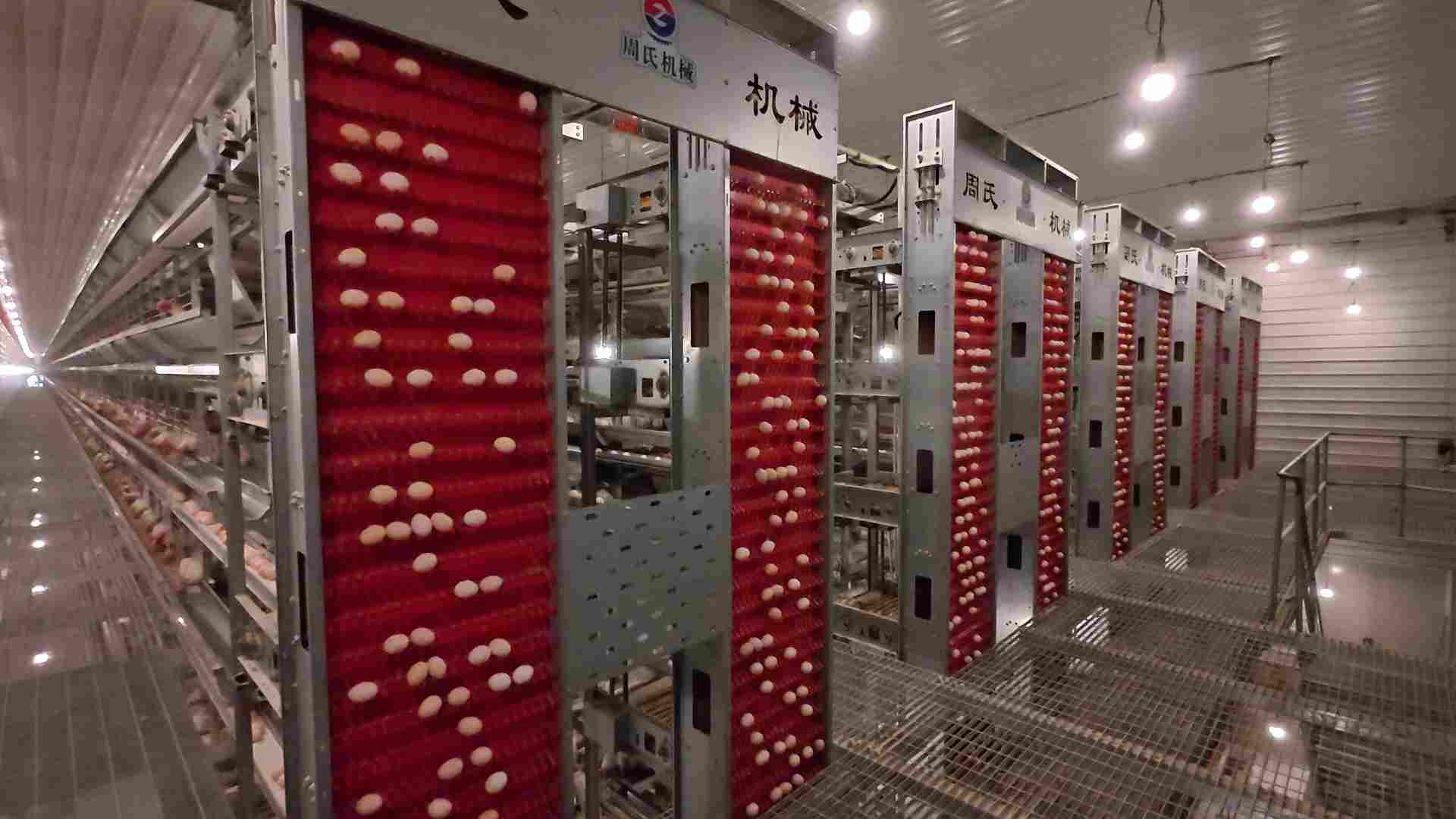
At ZEUSYANG, we focus on creating tough and effective automation answers fit for today’s poultry farm wants. The egg collection system is steady and dependable. It has quiet operation and a small egg breakage rate. Our machines mix exact building with easy-to-use screens that ease daily tasks. They also shield fragile goods in movement.
The company keeps learning from top tech and know-how in the field both at home and overseas. We design and offer custom items based on client needs. These fit the Chinese market well. Our piece-by-piece builds permit tailoring by poultry house layouts. This works for stacked enclosures or free-range spots. It gives bend for sites of any size.
Clever sensors placed in our automatic egg collection machines promise soft treatment in every part of transport from nesting zones to main trays.
Why ZEUSYANG Equipment Stands Out in Return Efficiency Analysis
Our fine-tuned belt arrangements cut pauses between runs. They keep smooth flow in big-scale tasks. Power-saving engines lower electric use over time. They do this without hurting task reliability.
A full group of automated tools and gear achieves automatic oversight of enclosure systems, feed systems, air systems, water systems, and waste cleaning systems. This linkage makes sure smooth teamwork among parts. It boosts active time while cutting resource loss.
Plus, our focused post-sale aid group helps clients at every step. This covers setup advice to servicing lessons. It promises lasting task firmness that lifts total ROI chance.
FAQ
Q: How does an automatic egg collection machine actually work?
A: The machine uses conveyors or belts to gently move eggs from nesting areas to a central collection point, reducing manual handling time while maintaining consistent product quality throughout each cycle.
Q: Is an automatic egg collection machine suitable for small-scale farms?
A: Yes. Smaller modular versions are available that scale according to flock size so even family-run farms can adopt automation efficiently without excessive upfront investment.
Q: What maintenance is required for optimal performance?
A: Regular belt cleaning routines, combined with periodic sensor calibration checks, ensure smooth operation across all modules. Inspecting motor functions also extends equipment lifespan while preserving energy efficiency levels essential for sustained profitability over time.