
Understanding the Needs of Chickens During Winter
 Why is Winter Care Important for Backyard Chickens?
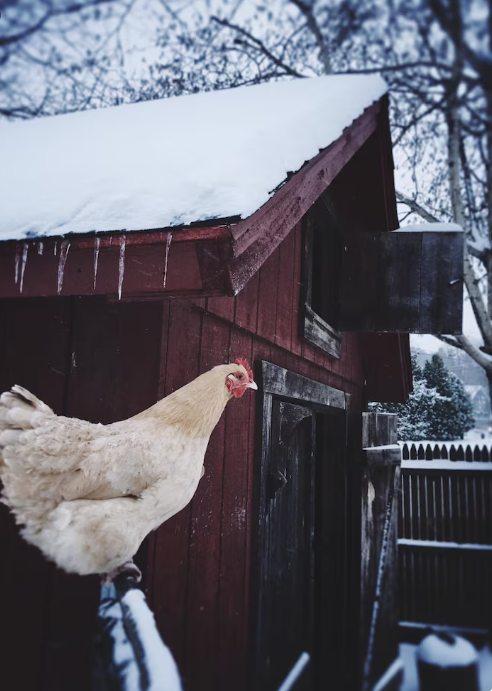
Winter hits backyard flocks hard. Short days, freezing nights, and damp air all take a toll. Chickens burn extra energy just to stay warm. That leaves less for laying eggs or fighting off bugs. Big combs and wattles can get frostbitten fast on cold, windy nights.
Keep them dry, warm, and out of the wind. That’s the whole game. A good winter chicken coop saves birds and keeps eggs coming even when the snow flies.
What Temperature Should I Keep My Chicken Coop in the Winter?
You don’t have to turn the coop into a sauna. Chickens handle cold pretty well if they stay dry. Their own body heat warms the place up a few degrees. Aim to keep the chicken coop for the winter just above freezing—somewhere around 32 to 40°F is perfect.
Proper ventilation design requires at least two ventilation holes above roosting height. This lets the wet air out without chilling the birds. Drafts are random cold blasts. Good ventilation is planned airflow that pulls moisture and ammonia up and away.
Insulation traps the heat the flock makes naturally. No extra heaters needed most of the time.
Designing a Cozy and Efficient Winter Chicken Coop
How Can Insulation Help in Cold Weather?
A solid insulated chicken coop holds warmth without plugging in a single heater. Stuff the walls with foam board, old cardboard, or straw bales. Just don’t cover the vents. Cheap, easy, and it works.
Too much insulation is a real thing though. Seal it up like a thermos and the moisture has nowhere to go. Damp air means sick birds. Find the sweet spot—warm but still breathing.
What Role Does Ventilation Play in a Winter Coop?
Give every bird enough room, solid vents up high, and zero cold drafts down low. That’s the recipe. Chicken coop ventilation in winter pulls out the steamy breath and poop smell before they cause trouble.
Put vents well above the roosts so the warm, wet air rises and slips out. A couple of windows you can crack open on sunny days keep things fresh without freezing toes.
How to Keep Humidity Down in a Chicken Coop in Winter?
Wet coops kill birds faster than cold. Scoop poop daily. Ammonia burns lungs and frostbite loves damp feet.
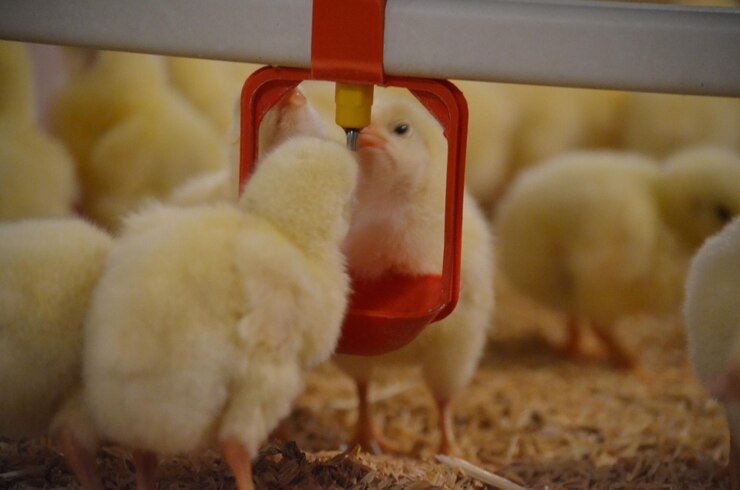
Use absorbent bedding such as straw or pine shavings; replace as needed. Pine shavings or straw soak it up fast. Get waterers that don’t tip or leak. One spill on the floor and humidity shoots up overnight.
Ensure waterers are spill-proof and not leaking onto bedding.
Feeding and Watering Practices for Cold Weather Health
How Should I Adjust My Chickens’ Diet in Winter?
Cold means more calories. Fill the feeders and toss in some cracked corn or sunflower seeds before bed. That extra fuel helps them stay toasty overnight.
Keep the regular layer feed coming too. They still need protein and vitamins even when the days are short.
How Do I Prevent Water from Freezing in the Coop?
Fresh water every day—no excuses. A plug-in heated base is the easy way. Heated waterers are safe and use little electricity. No power? Swap buckets two or three times a day. It’s a pain, but frozen water means dehydrated birds fast.
Behavioral Changes and Health Monitoring During Winter Months
What Changes Should I Expect in Chicken Behavior During Winter?
Chickens slow down when it’s cold and dark. Less running around, fewer eggs—totally normal. Some hens molt late because the days got short. Extra light in the morning can keep eggs coming, but don’t flip lights on and off suddenly.
How Can I Monitor My Flock’s Health Through the Season?
Look at them every day. Black tips on combs mean frostbite. Sneezing or bubbly eyes mean trouble brewing. Birds standing on one foot a lot are trying to warm the other.
Catch problems early and you fix them easy.
Integrating ZEUSYANG Poultry Equipment for Optimal Winter Care
Why Choose ZEUSYANG Stacked Chicken Coops for Cold Climates?
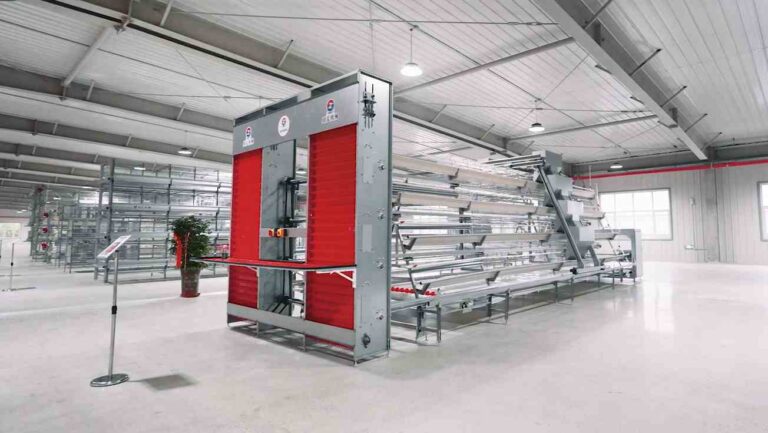
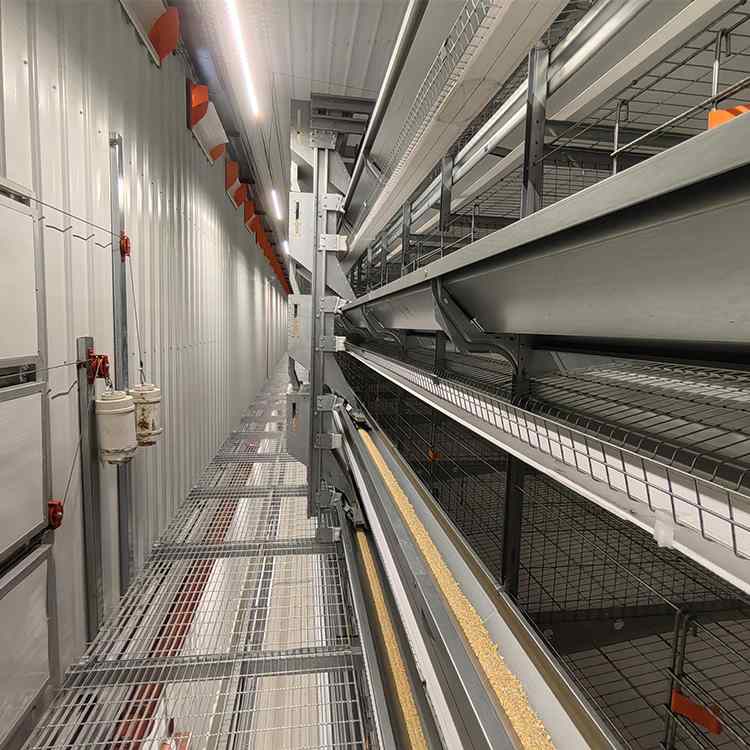
We build real gear at ZEUSYANG because we know winter is rough on birds. Our stacked coops save floor space and keep warmth where it belongs.
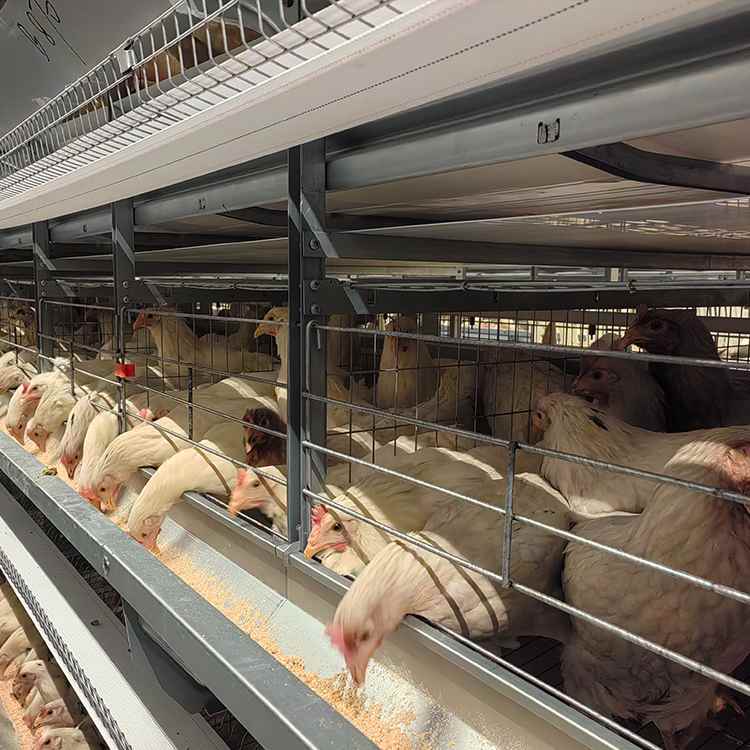
The small stacking equipment for laying hens is a new type of small stacking equipment for chickens. It is suitable for chicken houses with a breeding capacity of 10,000-30,000 chickens.
Compared with the traditional ladder cage system, the small stacking equipment occupies a small area, and the number of layers can be up to 4, which can obtain more breeding area. Warm air rises and stays inside the stack—no need for heating chicken coop in winter most of the time.
How Does ZEUSYANG Poultry Cage Equipment Enhance Winter Management?
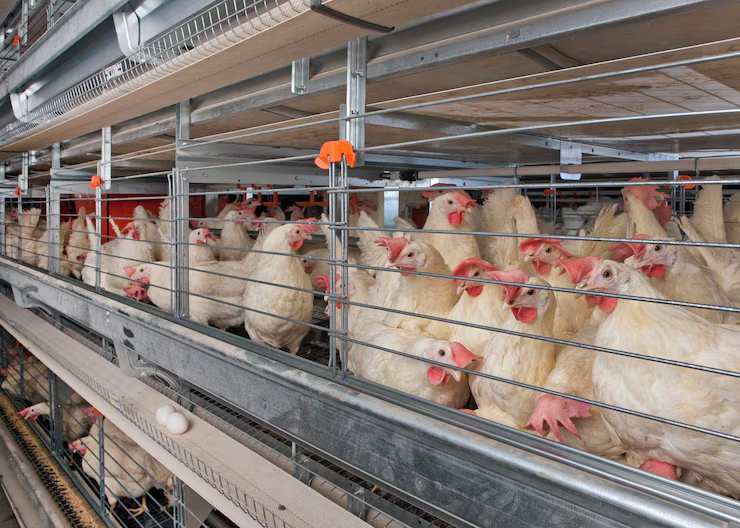
Everything is hot-dip galvanized so ice, snow, and poop don’t rot it away. Automatic belts take the manure out and eggs roll gently to the front.
There is a manure cleaning belt at the bottom of each cage, which is clean and hygienic and provides a good living environment to ensure the health of the chickens. Additionally, chicken raising equipment with a high degree of automation. Cleaning manure, feeding, and picking up eggs can all be accomplished through buttons.
Smart controllers watch temp and humidity and open or close vents on their own. Your insulated chicken coop stays perfect even when the wind howls.
FAQ
Q: What temperature can chickens tolerate in winter?
A: Chickens can generally tolerate temperatures down to 20°F (-6°C) if they are dry, well-fed, and out of drafts.
Q: What temperature is too cold for chickens at night?
A: Temperatures below 0°F (-18°C) can pose risks such as frostbite unless adequate shelter and insulation are provided.
Q: Do chickens need a heat lamp during winter?
A: Not usually; excessive heat can cause more harm than good by disrupting natural acclimatization processes.
Q: How do I know if my chickens are too cold?
A: Signs include huddling excessively, lifting one foot repeatedly, pale combs/wattles, or reduced movement.
Q: Can chickens sleep outside during winter months?
A: No; they should always have access to a dry, draft-free coop with proper ventilation during winter nights.