
Why Egg Production Drops in Winter
What Causes Hens to Lay Fewer Eggs in Colder Months?
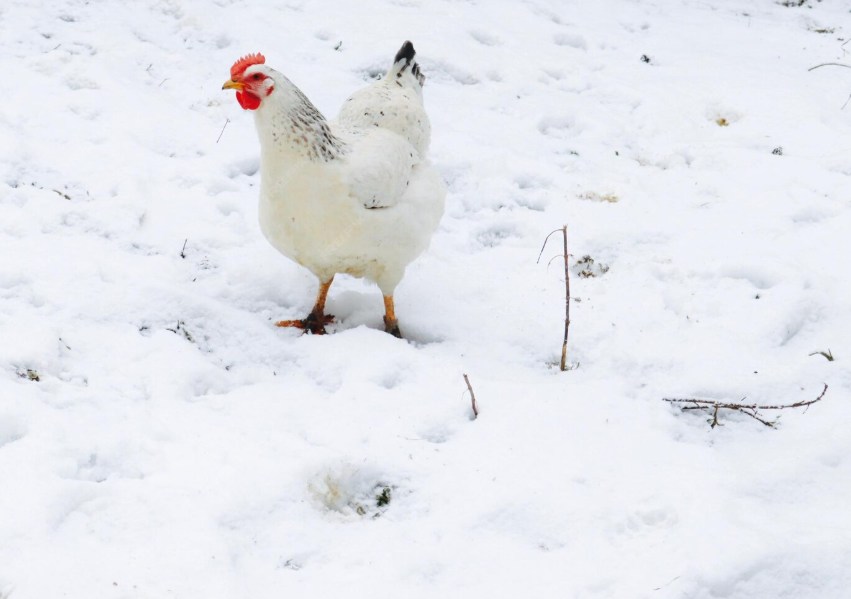
Come winter, most backyard flocks slow down or just quit laying. It happens every year. Three big things make it drop: not enough daylight, cold weather, and feed issues.
Short days hit hens the hardest. They need light to kick their egg-making hormones into gear. When the sun sets early, the brain gets less signal and basically tells the ovaries to take a break.
Cold sucks energy too. Hens burn extra calories just staying warm. That leaves less fuel for making eggs.
On top of that, birds eat less when it’s nasty out. Foraging stops, treats freeze, and sometimes they skip the feeder because they’re huddled up. Less food means less protein and calcium—exactly what they need for shells and yolks.
How Does Daylight Influence a Hen’s Laying Cycle?
Hens want 14–16 hours of light to keep the eggs coming steady. Drop below that and they think it’s time to rest and rebuild.
It’s built into them. Wild birds do the same—lay like crazy in spring and summer, then chill when food gets scarce. Domestic hens still carry that clock even if we feed them year-round.
Give them fake daylight and you can fool the system. Flip on a bulb and suddenly it feels like June again.
Adjusting Lighting to Encourage Laying
Can Supplemental Light Improve Winter Egg Production?
Yes, hands down the cheapest fix for how to get more eggs in winter is a simple light on a timer. Hens don’t care if it’s the sun or a bulb. They just count hours.
Hang a warm-white LED or a regular bulb high enough so it spreads even and doesn’t cook anyone. Set the timer to come on early morning or stay on after sunset—whatever gets you to 14–16 hours total.
How Many Hours of Light Do Hens Need Daily?
Shoot for 14–16 hours total, sun plus bulb. Add the extra light a little at a time—15 minutes more each week. Jump straight to 16 and you can stress them out and make things worse.
Optimizing Nutrition for Cold Weather Egg Laying
What Should You Feed Hens to Support Winter Laying?
Winter means crank the protein. Switch to a 18% layer feed if you can find it. Feathers and eggs both pull heavy from the same tank.
Keep a dish of crushed oyster shell or limestone free-choice. Cold makes them pull calcium from their bones if the feed runs short—bad news long-term.
A handful of scratch grains before bed keeps the furnace running overnight. Just don’t overdo it—scratch is candy, not dinner.
Are There Specific Supplements That Boost Winter Production?
Vitamin D matters when they never see sun. A little in the water or feed helps them use calcium right.
A splash of fish oil or flax seed bumps omega-3s. Yolks get richer and the hens handle the stress better.
Creating a Comfortable Winter Coop Environment
How Can You Keep the Coop Warm Without Overheating It?
Maintaining a warm but well-ventilated coop is essential. Use insulation materials like foam boards or straw bales on coop walls to retain heat while minimizing drafts.
Proper ventilation must not be compromised; moisture buildup can lead to respiratory issues. Install ventilation panels near the roofline to allow warm, moist air to escape without letting in cold drafts.
Skip heat lamps if you can. One spark and the whole place goes up. Flat-panel radiant heaters are safer if you really need extra.
Does Stress Affect Egg Production During Winter?
Big time. Cold, crowding, bullies, raccoons at night—any stress slams the brakes on laying. Four square feet per bird inside keeps the peace. Throw in a perch or two and a dust box so they have something to do.
Managing Flock Health and Behavior in Cold Months
How Do Molting and Pecking Order Impact Winter Laying?
Short days often kick off a molt. New feathers eat protein like crazy, so eggs stop until the bird’s dressed again.
New birds or bossy hens can turn the coop into a fight club. Stress from that alone drops production fast.
Should You Separate Non-Layers from the Flock?
Not always. Some are just molting, some are old. Watch a couple weeks first. If one hen is beating everyone up, pull her out for a timeout. The rest usually bounce back quick.
Boosting Egg Production with ZEUSYANG Poultry Systems
How Can ZEUSYANG Stacked Laying Hen Cages Improve Winter Egg Output?
We get it at ZEUSYANG—winter is tough on eggs. Our stacked cages are built to fight the cold and keep birds laying.
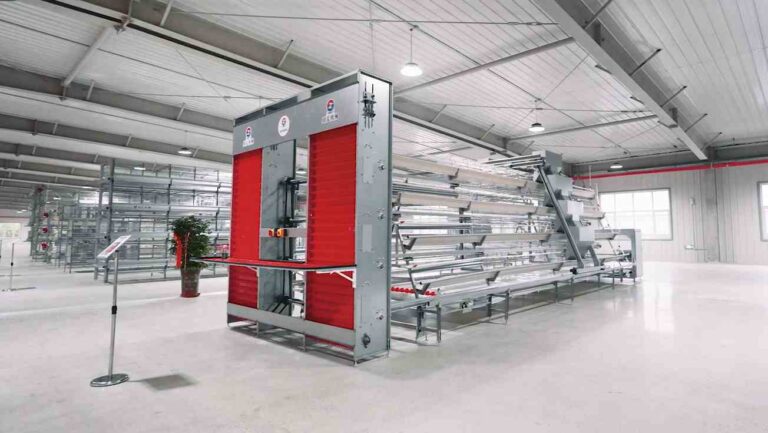
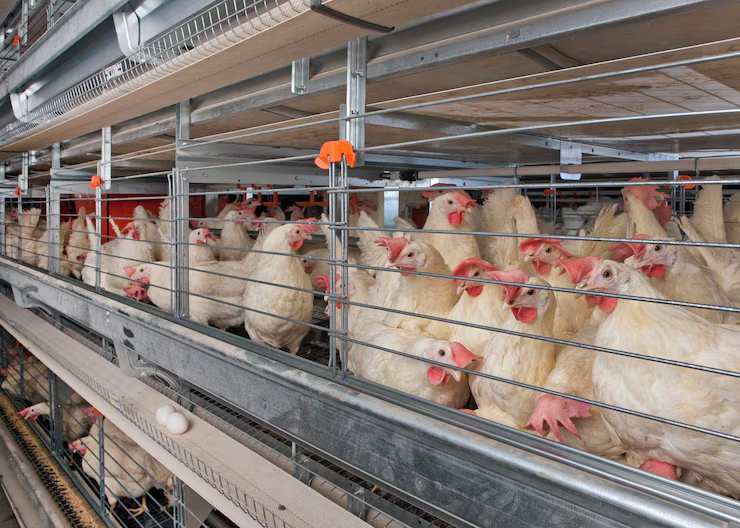
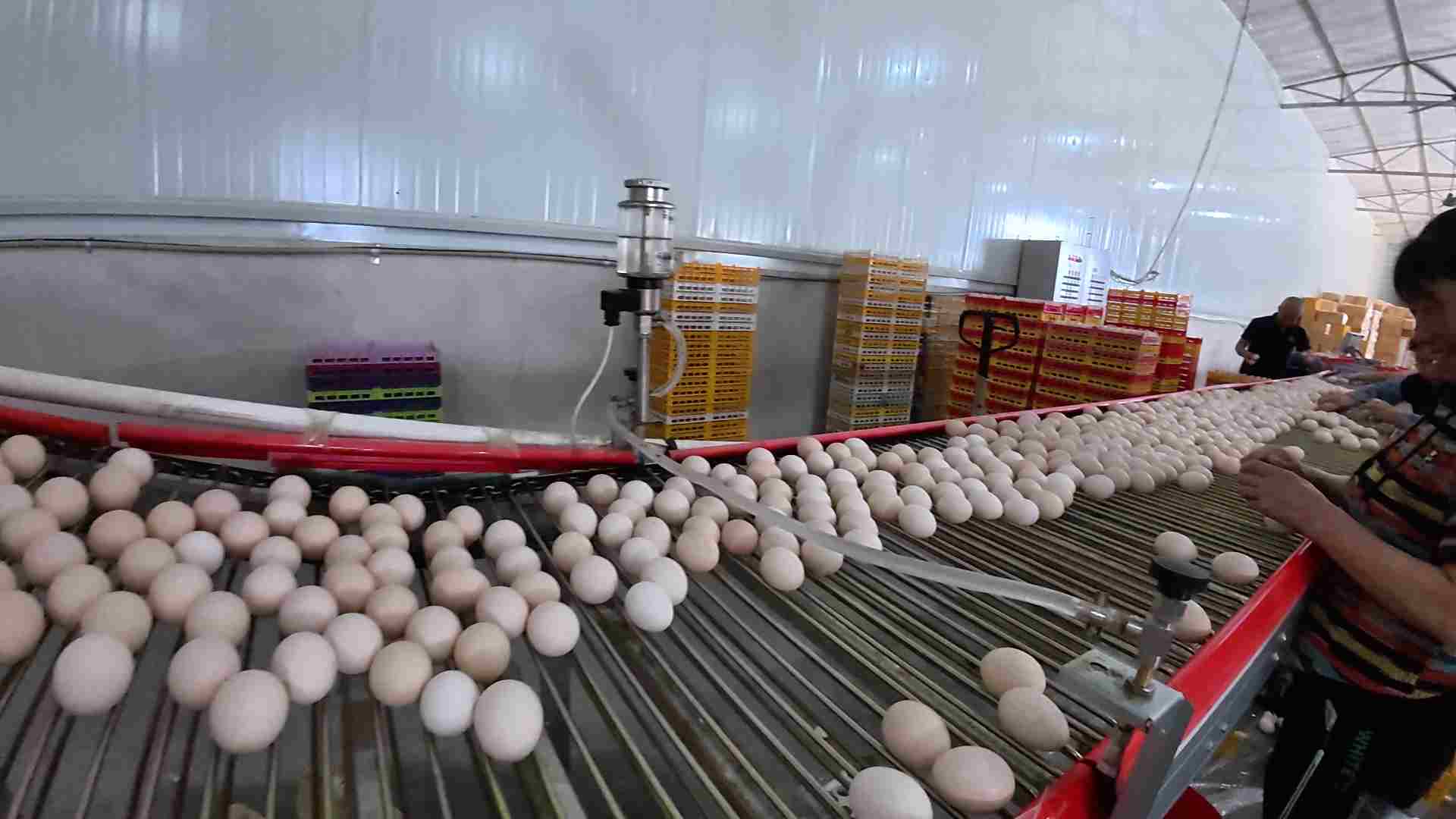
The small stacking equipment for laying hens usually consists of a cage body, a cage door, a conveying and feeding system, a manure cleaning system, and an automatic egg collection system. Everything stays warmer because heat rises and gets trapped between levels. Air still moves so it never gets damp and nasty.
The cage main body has various specifications to meet the technical requirements of comfortable walking for chickens, smooth rolling of eggs, low egg breaking rate, and low dirty egg rate. The manure cleaning system also plays an essential role by greatly reducing the moisture content of the chicken manure, keeping the coop drier and healthier during humid winter months.
Feed shows up on time, eggs roll out clean, workers stay warm inside one building. Less stress, more eggs—even when it’s freezing outside.
If you’re looking to scale up your winter production or solve cold-weather challenges efficiently, explore our advanced solutions at ZEUSYANG Poultry Cage Equipment. With fast, professional, efficient and high-quality service, breeding becomes smarter and simpler. Contact us today for custom solutions tailored to your flock size and environment.
FAQ
Q: Why do my chickens stop laying eggs in winter?
A: Shorter daylight hours and colder temperatures reduce hormone levels that trigger egg laying.
Q: What is the best way to keep chickens warm without using heat lamps?
A: Insulate the coop, block drafts, use deep litter bedding, and ensure proper ventilation without sealing off airflow completely.
Q: Will adding a light bulb really make my hens lay more eggs?
A: Yes, adding 14–16 hours of light daily using a low-wattage bulb on a timer can stimulate consistent laying through winter.
Q: Do chickens need extra food during winter months?
A: Yes, they need more calories for warmth—offer high-protein feed along with occasional scratch grains as energy supplements.
Q: How long does it take for hens to start laying again after molting?
A: It typically takes 6–12 weeks after molting ends before hens resume regular egg production, depending on age and health conditions.