
Chicken Wounds and Their Causes
What Are the Common Types of Wounds in Chickens?
Chickens are lively and group animals, and due to their normal ways and settings, they can get various hurts. One of the most usual sorts of wounds is pecking harms, which take place when flock pals set or test the social rank. These pecking wounds are often seen on the head, back, or vent spot.
Predator hits show a harsher source of hurt. These may cause hole wounds, tears, or gone feathers and flesh. Scrapes and cuts from sharp things in the coop or run are also regular, especially in places that are not often fixed.
Why Is Prompt Wound Care Critical for Chickens?
Quick care to chicken wounds is key. Chickens stay in spots full of bugs—litter, poop, and dust can all bring infections. Also, chickens like blood and may pick at open cuts on a buddy, making the hurt worse.
Wounds are bound to happen at some point in your chicken-keeping experience. Whether it’s from fighting, predators, something in the environment, or simply a mystery, chickens can be a bit thin-skinned.
Putting off treatment boosts the risk of flystrike—a issue where flies put eggs in wounds, leading to maggot takeover—and sepsis, a maybe deadly body-wide infection.
 Initial Assessment: Evaluating the Severity of the Wound
How Can You Safely Restrain a Chicken for Examination?
Before any check, it’s vital to calm the chicken and lower worry. The best method is to wrap the bird in a towel, leaving only the hurt area out. This stops flapping damages and lets better grip during look-over.
Holding the wings tight guards both the chicken and the handler from extra harm and keeps the bird still during wash and fix.
What Signs Indicate a Minor vs. Major Wound?
Knowing if a wound is small or big tells the fix plan. Small wounds include top scratches, feather drop without broken skin, and no fresh bleeding. The chicken stays awake and moving.
Big wounds involve deeper rips, bare tissue or muscle, lots of bleeding, or signs of shock like laziness and cold combs or wattles. These may call for vet aid.
Cleaning and Disinfecting the Wound Safely
How Should You Prepare a Clean Environment for Treatment?
Pick a quiet, lit place far from other chickens for fix. Wash your hands before and after touching the chicken. Also clean tools like scissors or tweezers to stop adding germs to the wound.
To avoid new or more infection to your chicken or you, make sure you wash your hands before and after treatment.
Which Steps Should You Follow to Disinfect a Chicken Wound?
Step-by-step disinfection process:
- Trim Feathers: Use clean scissors to trim feathers around the wound to improve visibility and prevent contamination.
- Flush the Wound: Rinse thoroughly with sterile saline solution or lukewarm water to remove dirt and debris.
- Apply Antiseptic: Use antiseptics that are safe for poultry—avoid alcohol or hydrogen peroxide as these can damage tissue.
Cleaning the wound and surrounding area is important for both preventing and healing infections.
Use soap and warm water rinse with dish soap for small surface wounds.
There are lots of good topical wound treatments that are safe for use on chickens.
 Proper Care After Disinfection: Healing and Monitoring
How Do You Protect the Wound During Recovery?
After cleaning, put on an antibiotic cream that is okay if eaten by chickens—this is important since chickens may groom themselves or others. Use airy wraps if needed, but skip tying too firm or limiting moves.
Wraps should be swapped daily if used. In many spots, leaving the wound open to air aids quicker heal if picking can be stopped.
When Should You Isolate an Injured Chicken From the Flock?
Separate a wounded chicken during the first heal time to stop other flock pals from picking at the wound. Bring back only after scabs form and there’s no mark of new blood.
Many wounds will require separation from the flock for healing.
What Are Signs That Indicate Healing or Complications?
Check your chicken each day for advance or issues. Marks of good heal include less puff, making of dry scabs, and back to usual acts.
On the flip, pus flow, bad smell, more red, or puff may show an infection needing more help.
Nutrition and Environmental Support for Faster Recovery
How Can Diet Influence Wound Healing in Chickens?
A food-rich diet has a big part in get-back. Protein aids tissue fix while vitamins A, E, and zinc add to skin mend and body guard reply.
Adding with a even chicken feed makes sure your wounded chicken gets all it needs to heal full.
Why Is a Clean Coop Essential During Recovery?
Keeping a clean spot stops re-infection. Waste pile can hold bad germs. Flies drawn to messy bedding raise the risk of flystrike.
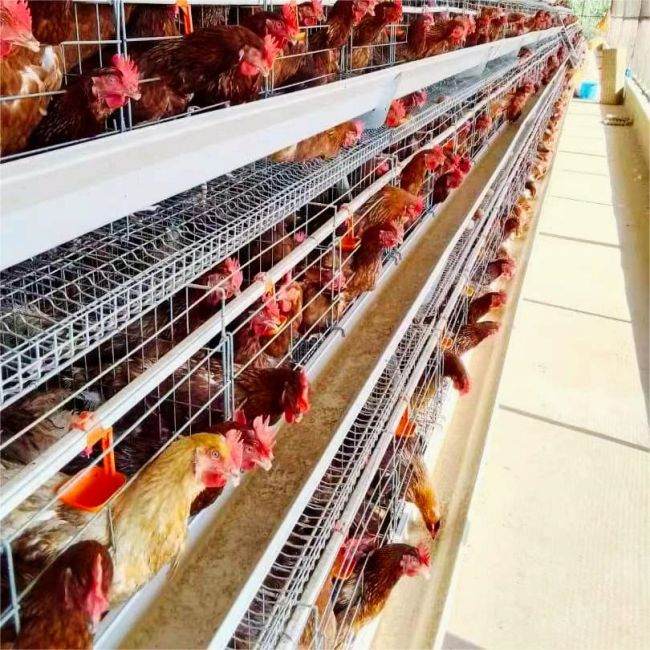
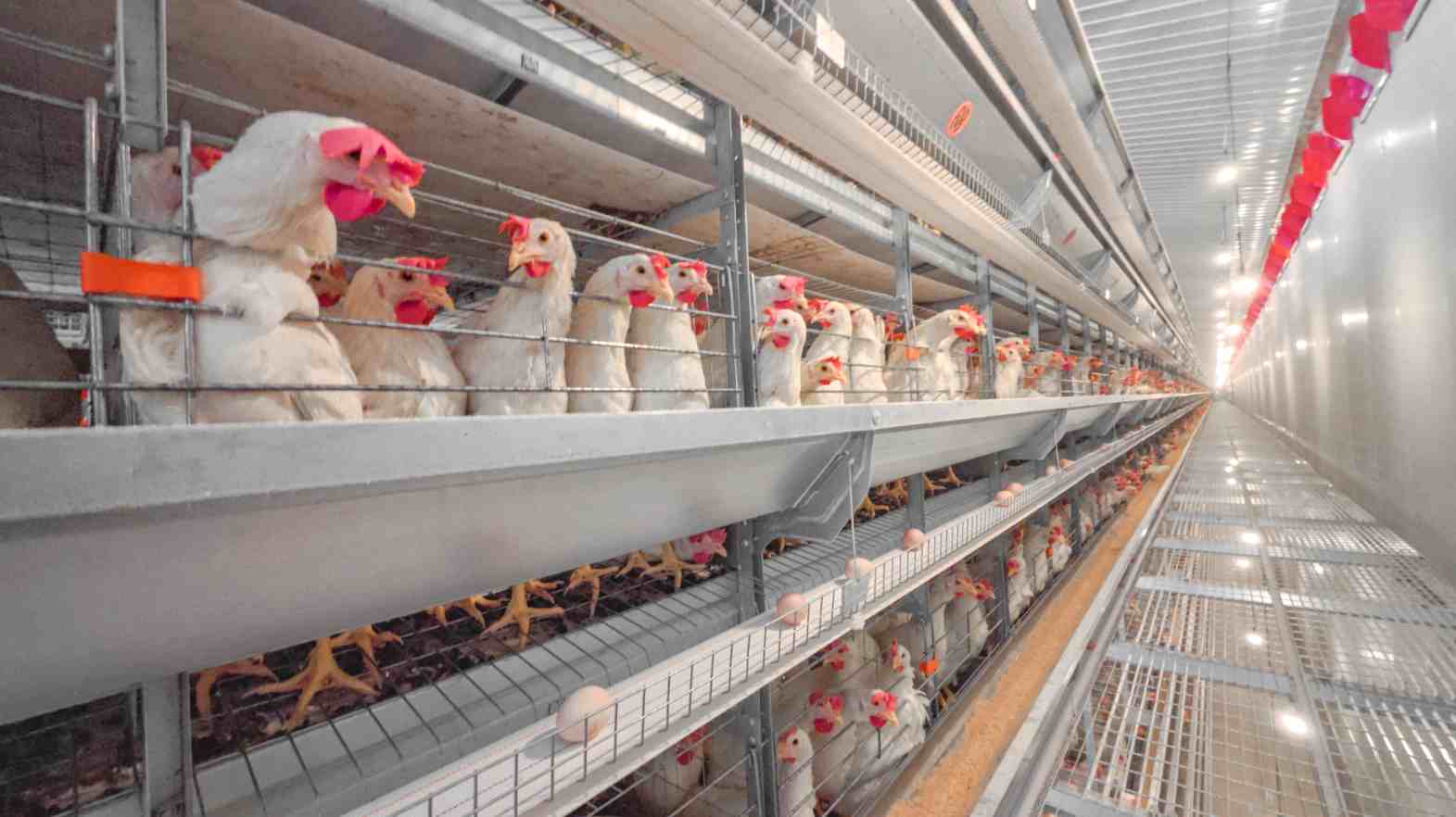
Our laying hen cage adopts a closed structure, which can effectively control the spread of pathogenic bacteria, reduce the risk of infection, and improve the health of the chickens. The cage has a simple structure, is easy to clean, can be cleaned and disinfected regularly, and is easy to manage and maintain.
ZEUSYANG’s Role in Safe Chicken Wound Care Solutions
What Makes ZEUSYANG Products Suitable for Poultry First Aid?
At ZEUSYANG, we get that home chicken keepers need trusty, safe, and simple-to-use fixes for chicken wound care. Our items are made just for bird use—built with no-harm clean traits that stay safe even if groomed by flock pals.
Our bird cage gear like Stacked Layer Automatic Breeding Cage systems aid keep clean through in-built waste clean systems, cutting touch to germs that could mess wound heal.
We also give chicken coops, which make sure enough room per bird (not less than 450cm²) to cut worry and pecking hurts.
How Can ZEUSYANG Help Improve Your Chicken’s Recovery Journey?
Our stacked chicken coops make a spot good for heal by making sure best clean and air flow. With built-in spot control systems and auto feed systems, our gear cuts hand work while giving your chickens steady reach to food during get-back.
We’re set to back chicken wound care with poultry cage equipment that makes it simpler for you to aim on heal while cutting worry—for both you and your flock.
 FAQ
FAQ
Q: What should I do if my chicken has an open wound?
A: Clean it immediately with saline solution, apply an antiseptic safe for chickens, and isolate her if necessary. Monitor daily for signs of infection.
Q: Can I use human antibiotic ointments on chickens?
A: Some over-the-counter ointments may be safe in small amounts, but it’s better to use products specifically designed for poultry.
Q: How long does it take for a chicken wound to heal?
A: Minor wounds typically heal within 7–10 days. Deeper injuries may take several weeks depending on care quality and environmental conditions.