
What Is the Battery Cage System and How Does It Work in Poultry Farming?
What is the Battery Cage System?
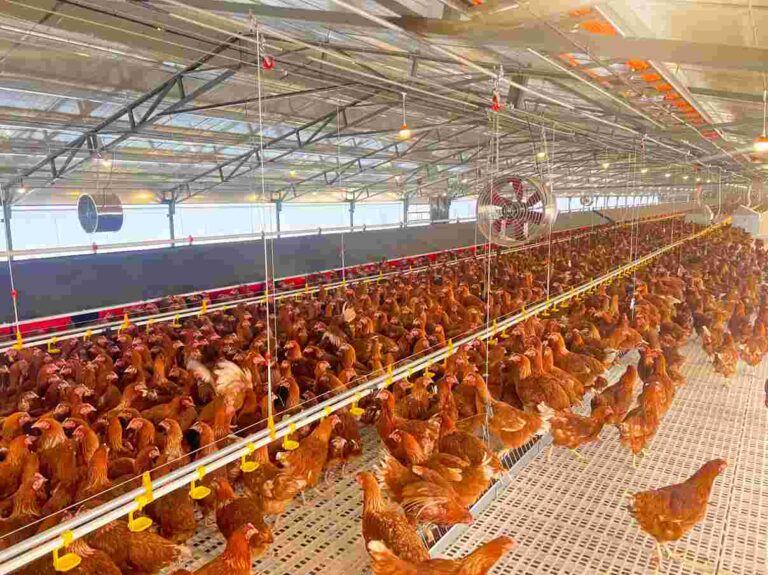
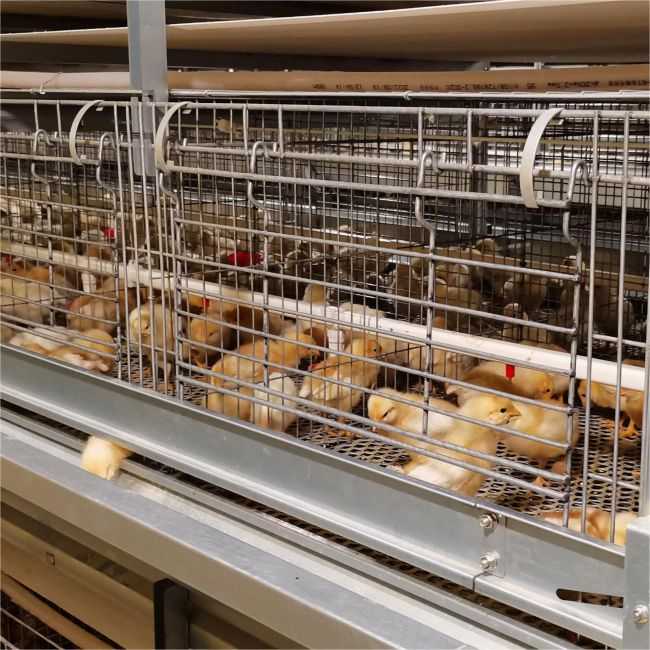
The battery cage system in poultry means a well-organized housing setup. It uses several small cages arranged in rows and stacked in levels to hold laying hens or broilers. This setup lets farmers handle many birds effectively in a small area. In the past, battery cages appeared in the middle of the 20th century. At that time, poultry farming moved from simple home-based efforts to big commercial farms. The aim was to boost cleanliness, cut down on disease spread, and raise egg yields per square meter.
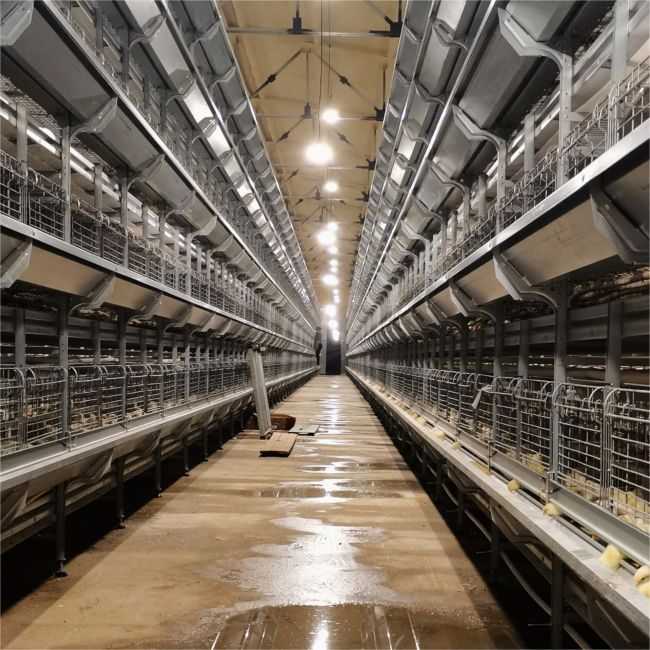
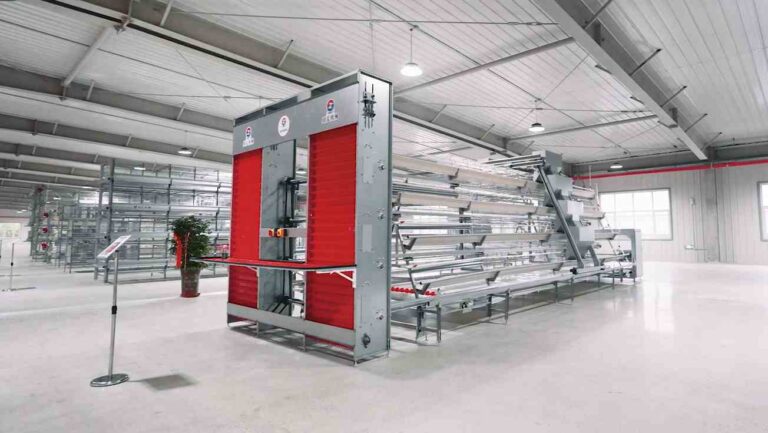
Today’s battery cage systems have improved thanks to new technology. The tiered laying hen cage gear stacks up level by level for simple oversight. The whole setup uses hot-dip galvanized material. There is enough space between each level of cages to allow good airflow in the chicken cage. As a result, this lowers the heat around the chickens. This design not only improves air movement but also makes sure that waste removal and feeding setups work well.
Typical features cover automatic feeders, water lines, egg collection belts, and manure belts. The full brooding and breeding gear system includes an automatic manure cleaning system, automatic water supply system, automatic feeding system, automatic ventilation system, environmental control system, lighting system, disinfection system, heating system, and backup power generation system. These combined parts make modern battery cages very effective. They fit both small and large poultry farms.
How Does the Battery Cage System Enhance Production Efficiency?
Battery cage systems aim mainly to boost production output. The limited space allows exact control over feeding times and egg gathering steps. Hens stay in separate sections. This cuts down on feed waste. It also lowers egg damage from pecking or stepping.
Automation helps a lot in raising output. Feeding happens evenly. It is quiet, saves energy, strong, and lasts long. The feeder has running wheels. These wheels lessen rubbing between the feeder and the feed trough. They also lengthen the feeder’s life. Farmers can adjust the feeding amount based on the chickens’ age. This kind of automation cuts the need for hand work. At the same time, it keeps even feed spread across all levels.
Using space well is another big plus. Stacking cages up and down lets farmers keep more birds in the same ground space. This differs from old open or deep-litter methods. Such space savings lead straight to better egg rates per square meter of space.

What Are the Main Advantages of Using a Battery Cage System in Poultry Farming?
Why Choose the Battery Cage System Over Other Methods?
Farmers pick battery cage systems often. They give better control over key management parts like feeding, watering, and lighting. The feed trough connects smoothly to stop feed loss. This exactness makes sure each bird gets enough food without extra waste.
Watching health gets simpler when birds sit in their own sections. Any illness signs or odd behavior can be spotted fast. Then, they can be fixed before they spread to the whole group. Also, the environmental controller gathers data and manages the ventilation system. Through automatic controls, the chicken house reaches a sensible and fine rearing space. This kind of automatic weather adjustment keeps heat and moisture at best levels for bird well-being.
Egg quality stays steady in these managed settings. Eggs roll softly onto collection belts right after laying. This reduces breaks or dirt from droppings.
Environmental Impact and Sustainability Considerations
Battery cage systems can support the environment if handled right. Each bird uses less resources. This comes from good feed conversion rates due to watched diets. The manure conveying belt gathers the waste and takes it to the end of the chicken house. Then, it moves the waste outside via the side manure belt. This ordered waste clearing stops buildup in the houses. It also makes reusing manure as fertilizer easier.
Plus, newer designs now add IoT-based watching tools. These tools improve energy use for lighting and air systems. Such changes cut power needs while keeping steady inside conditions that aid high output.
What Are the Common Challenges of Implementing a Battery Cage System?
What Are the Ethical Concerns of Using Battery Cages?
Even with its output gains, worries about animal care stay major. Birds in old battery cages have little room to move because of tight space per hen. Experts say this limits natural actions like flapping wings or taking dust baths.
People’s views have turned more to cage-free options. Shoppers now value kind treatment rules. Yet, many farmers still use updated cage types. These balance care needs with practical work by giving more space per bird or adding items like perches.
Technical Limitations and Potential Solutions
Tech issues like keeping good air flow across many levels can happen in packed setups. Poor air movement might cause heat strain or breathing problems in birds if not handled well.
To fix these, makers have added better environment controls. Use a mix of negative pressure fans, cooling water curtains, side windows, and deflectors. Work them with the environmental controller to reach ideal space conditions in the chicken house. These parts ensure even air flow through all levels. They also keep cozy heat ranges all year.
Progress in lighting setups aids better care results too. They copy natural day-night patterns with energy-saving LED bulbs. These bulbs give even light across cages.
What Poultry Solutions Does ZEUSYANG Offer for Battery Cage Systems?
How Does ZEUSYANG Enhance Efficiency with Its Products?
At ZEUSYANG, we mix new ideas with real use to offer top poultry housing fixes made for today’s farms around the world. Our product range covers advanced stacked chicken coops like A-type layer cages and H-type broiler cages. They are built for top strength and work.
ZEUSYANG provides a fully custom Broiler CAGE body. It fits the exact needs of different bird farming groups. We give both H-type and A-type builds. They blend well into current farm plans. They also support auto parts like feeding belts and egg collection belts.
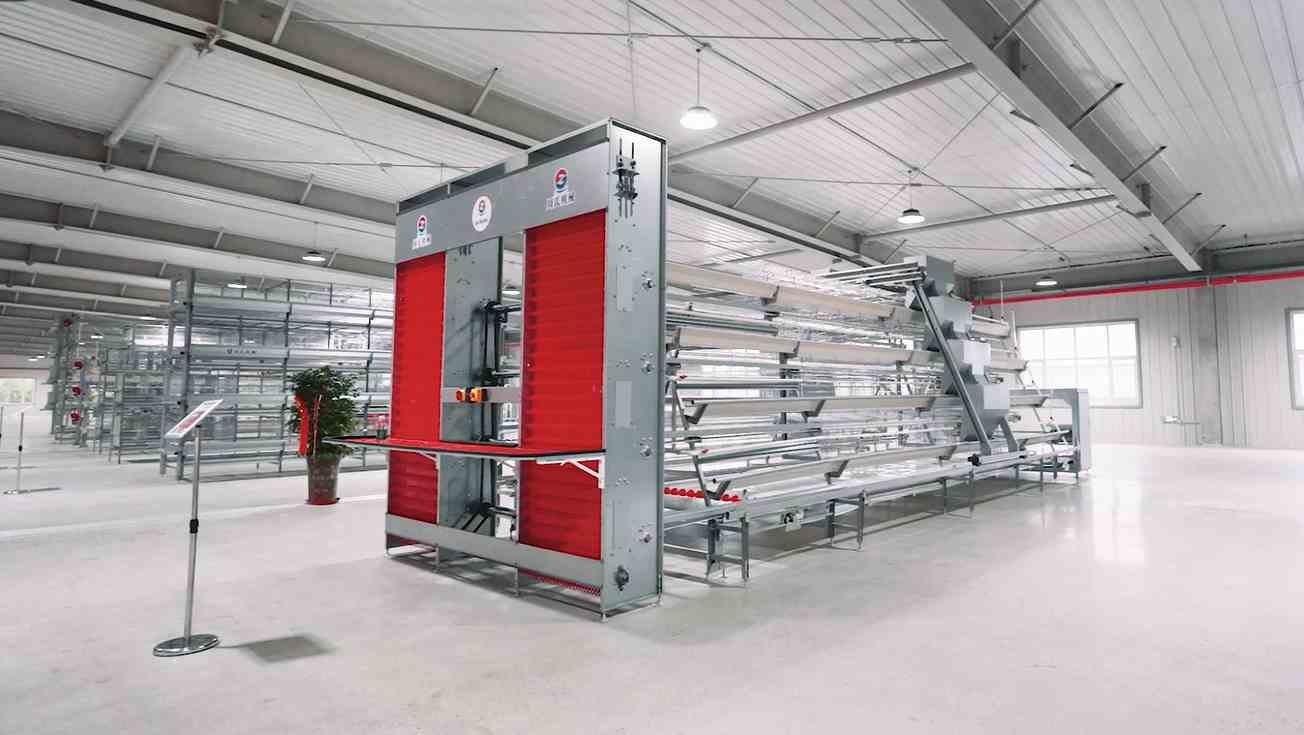
Our aim goes past hardware. We stress lasting work through smart tech links. Our company has improved the egg-picking host in the egg-picking system. We raised the egg-picking surface to 55 centimeters. This change boosts output by cutting break rates in collection steps.
Buyer comments often note gains in output after using our auto systems. These have IoT-linked climate controllers. They keep steady rearing spaces no matter outside weather changes.
By picking our Broiler CAGE system, you make a smart money choice in a trusty, strong, and eco-friendly farming fix meant for lasting worth.
FAQ
Q: What Are the Benefits of Using a Battery Cage System in Poultry Farming?
A: Battery cage systems give higher output by making the best use of space. They also lower work costs with auto tech that smooths feeding and egg gathering steps.
Q: How Do Battery Cages Affect Poultry Health?
A: These cages offer managed spaces that cut disease risks through separation among birds. But they limit movement. This raises care worries fixed by better designs with improved air and added spaces.
Q: Are There Sustainable Practices Within Battery Cage Systems?
A: Yes. Many new setups have auto manure belts that help recycle waste. They also use resource-saving light controls to drop total energy use in output steps.