
Water plays a vital role in the success of poultry farming. It supports the basic physiological needs of chickens. Moreover, it directly influences their growth, productivity, and general health. As poultry farmers aim to boost efficiency and welfare standards, improving water systems has turned into a key part of farm management.
At ZEUSYANG, we recognize the significance of dependable and effective water delivery. That’s why we created innovative nipple drinking systems that offer excellent hydration options for poultry farms.
The Role of Water in Poultry Performance
Water is crucial for chickens in many respects. It aids digestion and helps maintain body temperature. Good hydration affects various parts of chicken performance. These include feed intake, growth rates, egg production, and overall health. Poor or insufficient water can cause major problems. Such issues involve dehydration, lower feed conversion, and greater risk of illness.
Why is Water Quality and Availability Crucial for Chicken Health?
Chickens need constant access to fresh and clean water. The water’s quality directly affects their hydration and general health. Dirty water can result in health troubles like diarrhea, breathing problems, and less egg production. Also, chickens drink more water in hot weather or during fast growth phases. This makes water availability even more important.
The Basics of Water Systems for Chickens
Providing water to chickens involves several system options. The two most popular ones in modern poultry farms are nipple drinking systems and bell drinkers. Among them, nipple drinkers stand out as the top pick for most commercial poultry farms. They excel due to their efficiency and cleanliness.
What Are the Benefits of Using Nipple Drinkers Over Other Systems?
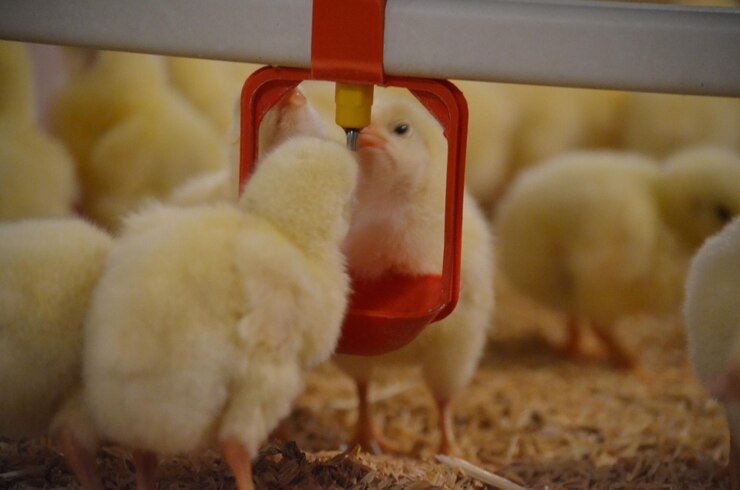
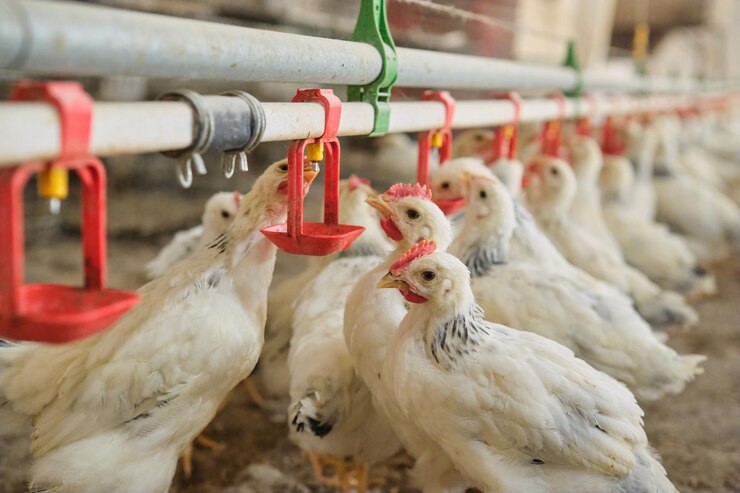
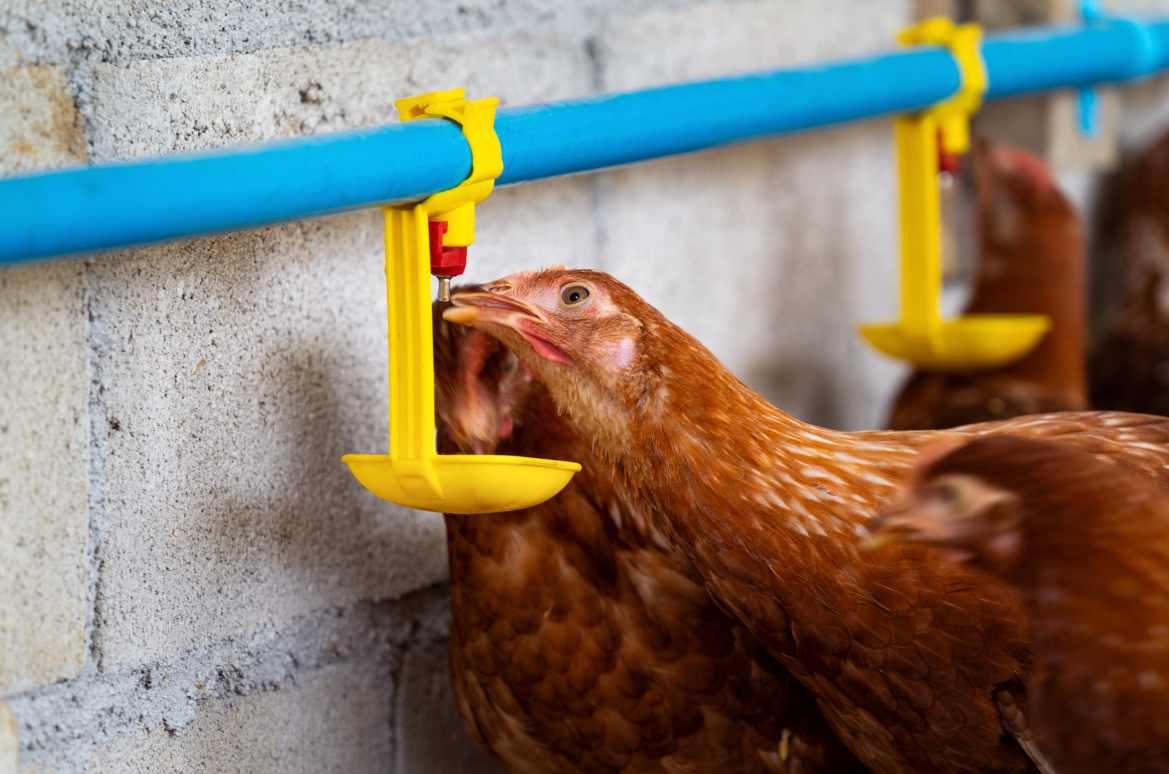
Nipple drinkers work very efficiently. They let chickens drink whenever they want without wasting water. Unlike old-style open troughs or bell drinkers, nipple drinkers manage water flow well. As a result, they give chickens a steady and sanitary water supply. This setup also lowers contamination risks. Water comes out only when a chicken triggers the nipple. Plus, nipple drinking systems cut down on spills. They make sure chickens get water from pure sources.
How do Proper Hydration and Water Systems Influence Chicken Performance?
Hydration impacts several key processes in chickens. These cover feed intake, digestion, and metabolic functions. When chickens can easily reach clean water, they tend to eat the right amount of feed. This leads to stronger growth and improved feed conversion rates. For hens that lay eggs, good hydration boosts egg output. Dehydrated hens often show poorer egg quality. They also have lower fertility and fewer eggs. Thus, offering clean, fresh water is vital for top poultry productivity.
Key Factors to Optimize Chicken Water Systems
To give chickens the best hydration possible, consider various factors in water systems. These include drinker type, water quality, and flow rate. At ZEUSYANG, we focus on building nipple drinking systems that include these elements. Our goal is to create an ideal drinking setup for chickens.
Choosing the Right Drinkers for Your Farm
What are the key factors to consider when selecting a drinker for chickens?
When picking a drinker system, keep these factors in mind:
- Water flow rate: Ensure the flow rate suits the flock size. This way, every chicken can get water anytime.
- Durability: The system must endure tough conditions and last a long time. ournipple drinkers use strong, rust-proof materials. They deliver reliable performance over years.
- Ease of maintenance: Choose asystem that’s simple to clean and upkeep. our designs need little maintenance. This lets farmers keep them in top shape easily.
- Water hygiene: Pick a system that keeps water free from dirt. Our nipple drinking systemsmaintain cleanliness. Chickens drink straight from the nipples. This cuts the chance of diseases from water.
The drinker type you select shapes how chickens drink water. While many drinker varieties exist, nipple drinkers are seen as the best option for today’s poultry farms. Our nipple drinking systems aim to deliver controlled, pure, and effective water to chickens. They help farmers use water wisely and enhance bird results.
How can a poor water system impact chicken behavior?
A badly handled water system can spark various behavior issues in chickens. If water supply is uneven or hard to reach, birds may feel stressed. They might show dehydration signs like tiredness, less movement, and lower feed eating. Slow water flow can also spark fights among birds for water access. This causes aggression and tension. However, nipple drinkers reduce these problems. Chickens get easy access to fresh water on demand.
ZEUSYANG’s Chicken Drinking Systems: Optimizing Water Delivery
At ZEUSYANG, we focus on high-quality nipple drinking systems. They improve water delivery to chickens and support their health. This also boosts farm output. Our products fit poultry farms of any scale. They provide solutions that cut water waste and better chicken care.
Innovative Features of ZEUSYANG’s Nipple Drinking Systems
- Efficient Water Delivery: Ournipple drinking systems supply just the right water amount to each chicken. They avoid waste and guarantee clean water access anytime.
- Durable and Long-Lasting:Our nipple drinkers use top-grade, rust-resistant materials. They offer lasting performance and strength. This cuts down on replacements and upkeep expenses.
- Hygiene Control:Our drinking systems keep water clean always. Their nipple drinking systems design lowers contamination chances. It prevents water-related illnesses and safeguards chicken health.
How do ZEUSYANG’s Water Systems Improve Farm Efficiency?
ZEUSYANG’s nipple drinking systems include smart features like automatic flow control and simple-to-clean parts. These reduce time and effort in water handling. Automated setups ensure each chicken gets proper water. This limits waste and raises farm efficiency overall. Farmers can then spend more time on other farming tasks. They save on labor and increase output.
Monitoring and Managing Water Usage
Good management of water systems is essential for top chicken performance. At ZEUSYANG, we know tracking water use is vital. It spots problems early and ensures enough hydration for chickens.
Why is it essential to monitor water consumption in poultry farming?
Tracking water use lets farmers spot odd patterns in the system or bird actions. A quick drop in intake might signal health troubles like dehydration, sickness, or system faults. By watching consumption, farmers can fix issues fast. They adjust as needed to keep chicken performance at its best.
FAQ
Q: How do I know if my chickens are drinking enough water?
A: Watch water intake closely. A sudden drop might point to health concerns or system issues. Check chicken behavior too. Signs like sluggishness or less activity can show hydration problems. Recording water use per bird helps track levels well.
Q: What are the advantages of nipple drinkers over other drinker systems?
A: Nipple drinkers prove more effective, cleaner, and cheaper than options like bell drinkers or troughs. They release water only when a chicken triggers the nipple. This cuts waste and dirt. Chickens always get fresh, pure water. It lowers disease risks too.
Q: How often should I clean my chicken water system?
A: Clean the system at least monthly. Adjust based on local weather and water purity. Routine cleaning keeps water contaminant-free and the system running smoothly. ZEUSYANG’s nipple drinking systems are simple to clean. They reduce stoppages and uphold water standards.