
Why Winter-Proofing Your Chicken Coop Matters
What Challenges Do Chickens Face in Cold Weather?
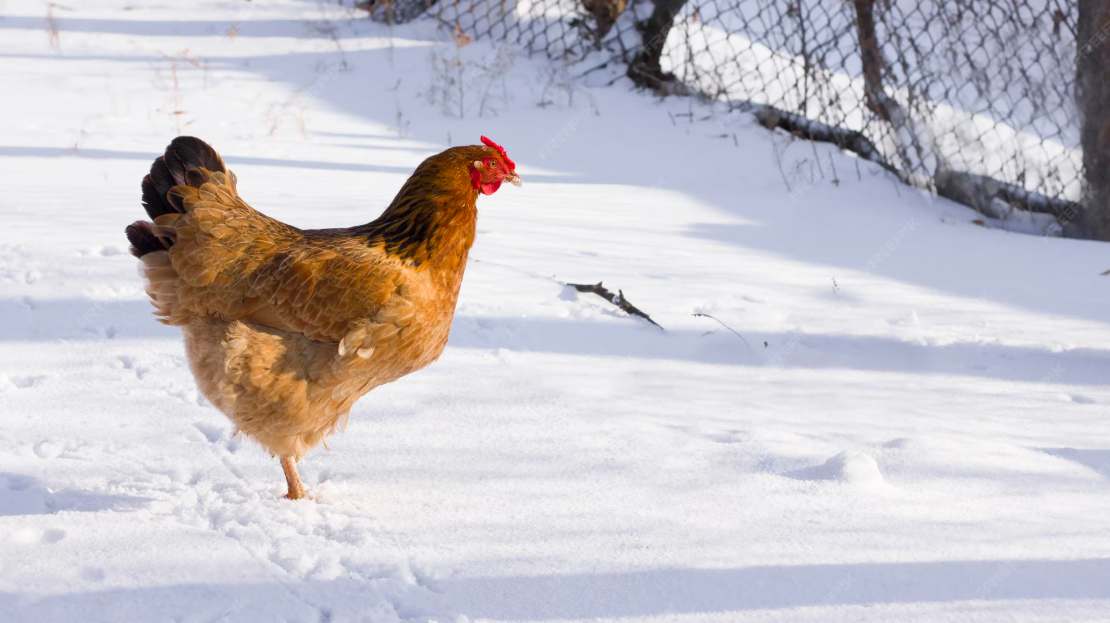
Cold winter months can be hard on backyard chickens. When temperatures drop sharply, chickens become open to frostbite, particularly on exposed parts like combs and feet. Besides the cold, shorter daylight hours can disrupt their natural egg-laying cycle. This leads to a big drop in productivity. Humidity levels also increase inside enclosed winter chicken coops during winter. This causes condensation to build up. If not handled well, this moisture can lead to breathing problems among your flock.
How Can a Well-Prepared Coop Keep Your Flock Healthy?
Setting up a winter-ready space is key to keeping a healthy flock. A properly insulated and ventilated coop helps control both temperature and humidity levels. As a result, it lowers the chance of frostbite and breathing sickness. When chickens stay warm and dry, they are more likely to remain active and keep laying eggs even during the shortest days of winter. By putting effort into proper winter chicken coops, you make sure your birds remain comfortable and well all season long.
Insulation and Structural Integrity: Is Your Chicken Coop Built for Winter?
What Makes a Steel Structure Chicken Coop Ideal for Winter?
One of the top ways to get ready for the cold season is to keep your chickens in a steel structure chicken coop. A good family house needs to have good airtightness, strong thermal insulation, smooth and unobstructed inner walls of the roof and smooth and unobstructed top of the house. Make sure that the direction of the air flow is controllable. Also, ensure the ventilation temperature is controllable. This results in fewer drafts and steadier temperatures inside the coop. It provides solid sound and heat insulation, along with anti-corrosion and moisture-proof features. These qualities boost longevity and performance. Such features make steel coops not only safer but also more enduring than wooden options.
How Can ZEUSYANG Improve an Existing Coop’s Insulation?
At ZEUSYANG, we provide options to update your current coop setup for winter readiness. Our prefabricated steel structure chicken coops are built with better sealing and insulation features to hold in heat and keep out moisture. The modular design allows for fast setup and tailored arrangements to match your farm’s layout. Plus, our coops use hot-dip galvanized materials that resist rust and hold up well under heavy snow or wind loads.
Managing Temperature and Airflow Inside the Coop
Why Is Proper Ventilation Just as Important as Warmth?
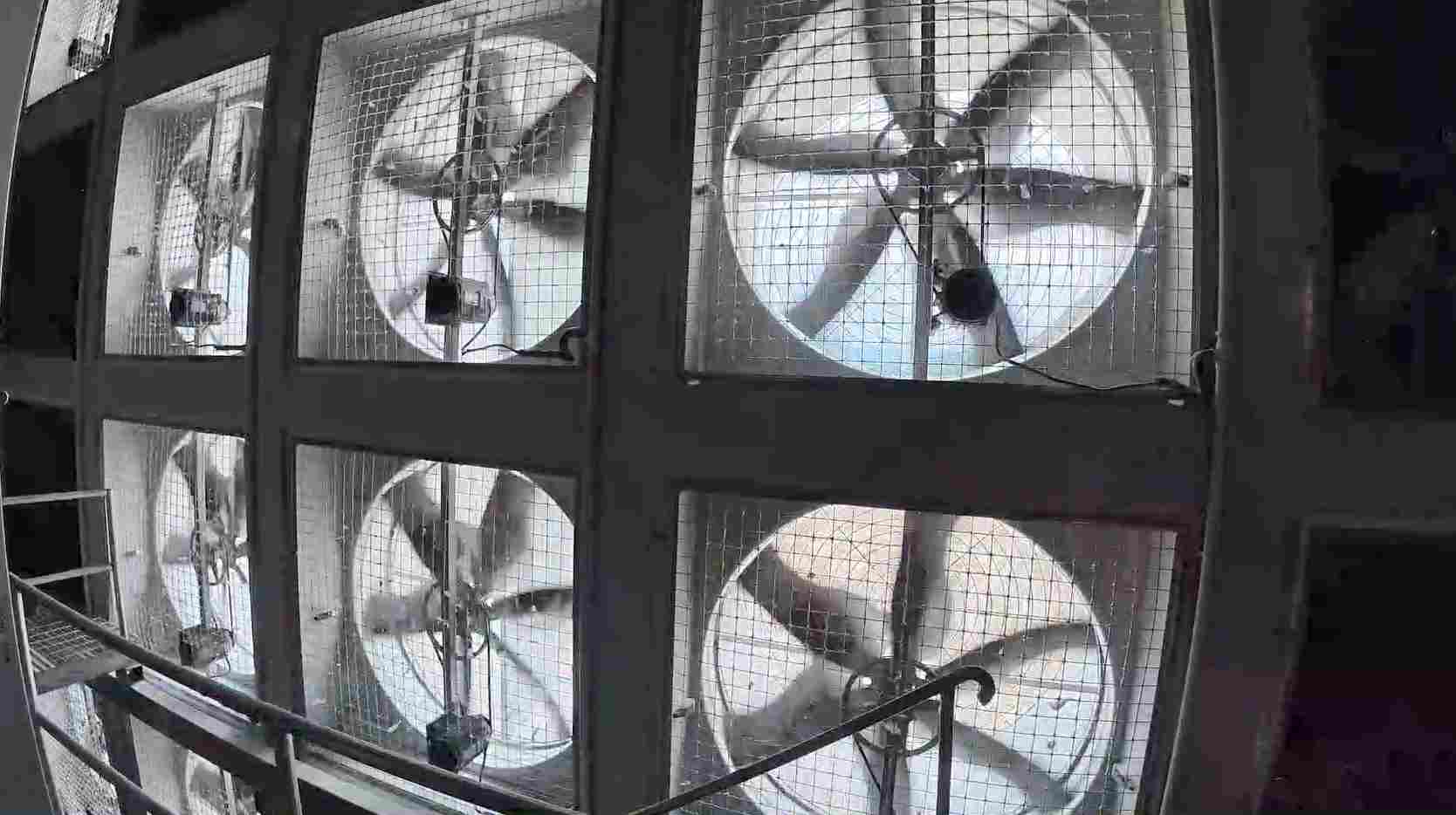
Though it may seem odd, ventilation matters as much as insulation in winter chicken coops. Without enough airflow, extra moisture from chicken breath and droppings gathers inside the coop. This can cause frostbite even if the temperature is not too low. Also, poor air movement lets harmful ammonia fumes from droppings hang around. This can bother your flock’s breathing systems.
What Role Does an Environmental Control System Play?
This is where ZEUSYANG’s environmental controller makes a real difference. The environmental controller collects information such as temperature, humidity and harmful gases in the chicken house. The computer uses pre-set environmental standards to actively adjust the ventilation method according to the current environment. It changes the size of the air inlet. It also adjusts the number and position of the exhaust fans to reach a better growth environment. By combining this system with push-pull fans, side windows and water curtains, you can make sure fresh air moves through your coop. At the same time, it avoids cold drafts at bird level.
Feeding and Daily Care During Winter Months
What Should You Feed Chickens in Cold Weather?
Nutrition Tips for Winter:
In colder weather, chickens use more calories just to stay warm. This means their diet needs changes to match. Increase protein with mealworms or black oil sunflower seeds to help keep energy levels steady. Cracked corn also works well as a treat before bedtime. It helps create body heat overnight as it digests slowly. Always make sure fresh water is on hand—think about heated waterers if temperatures go below freezing.
Choosing the Right Equipment for Long-Term Success
Why Consider ZEUSYANG’s Prefabricated Steel Structure Chicken Coops?
Prefabricated steel structures change things for farmers getting ready for winter. Introducing our customized prefabricated steel construction poultry farm chicken coop, designed to meet the diverse needs of modern poultry farming with superior durability and efficiency.
Our lightweight steel truss structure of the livestock and poultry house is based on structural system design (safety and economy), roof and wall enclosure system (thermal insulation and air tightness) and hot-dip galvanizing of primary and secondary components (corrosion resistance design). These coops are not only quick to set up but also made with lasting strength in mind—offering strong protection against tough winter conditions.
What Makes ZEUSYANG’s Stacked Chicken Coops Stand Out?
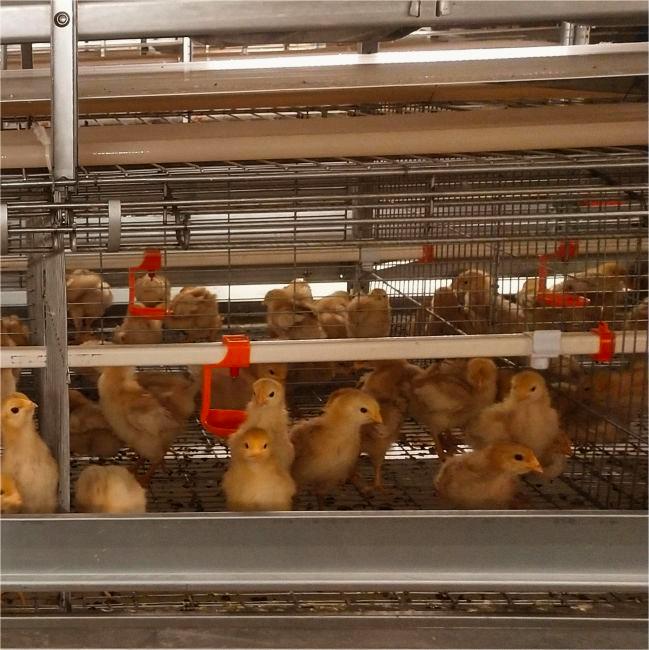
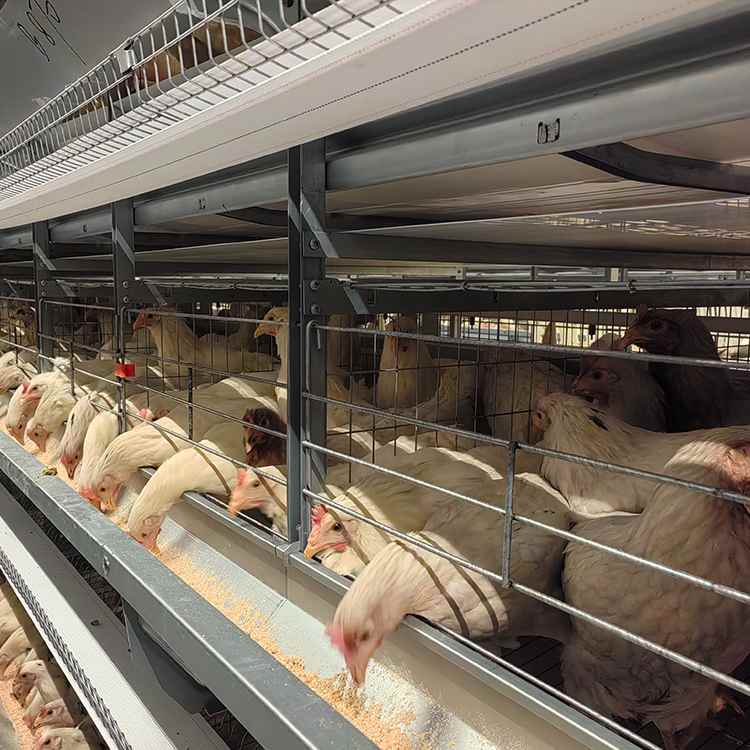
Our stacked chicken coops are built with both space savings and bird comfort in focus.
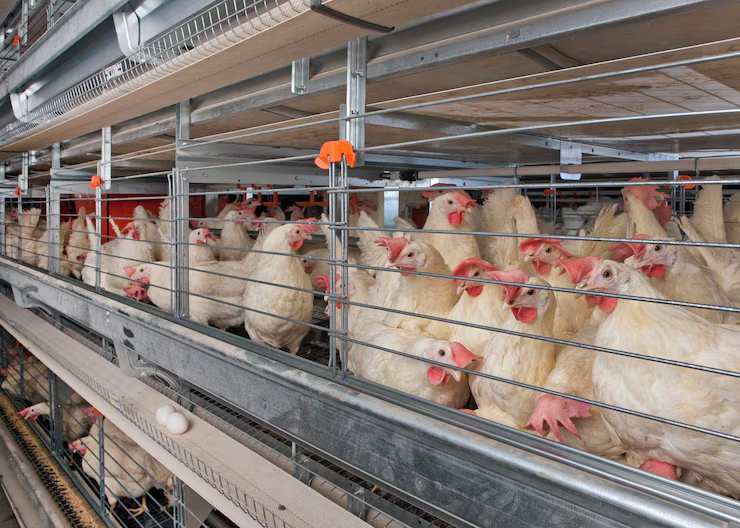
This breeding model has the advantages of improving building utilization, reducing feeding costs and improving labor productivity. Combined with the development of a fully enclosed environmental control model, it has formed a set of intensive breeding management models for laying hens.
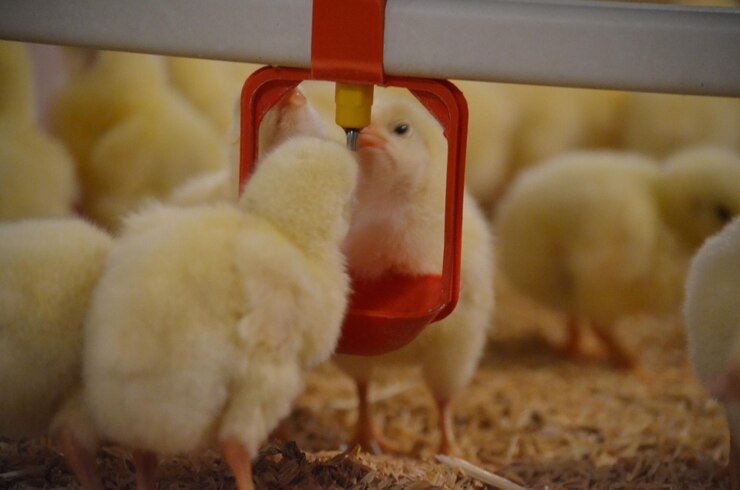
With features like built-in feeding systems, drinking water lines with splash guards, automatic egg collection belts and manure cleaning systems, our equipment reduces manual work while keeping your chickens healthy all year. The link with our Environmental Controller makes sure your birds do well in the best conditions no matter the season.
FAQ
Q: Do chickens really need heat in the winter?
A: In most cases, adult chickens handle cold well if they’re kept dry and out of drafts. However, supplemental heat may be needed during extreme cold snaps or for younger birds.
Q: How do I keep my chicken coop from getting too humid in winter?
A: Ensure proper ventilation using vents near the roofline to allow moist air to escape without creating drafts at bird level. The environmental controller collects information such as temperature, humidity and harmful gases in the chicken house.
Q: Can I still collect eggs during winter months?
A: Yes! Chickens may lay fewer eggs due to shorter daylight hours, but with proper lighting (around 14–16 hours daily) and good care, many hens will continue laying through winter.
By choosing ZEUSYANG’s innovative solutions—like our stacked chicken coops, Environmental Controller systems and prefabricated steel structures—you’re putting resources into lasting health and output for your flock even during the toughest winters.