
Advancements in Modern Poultry Layer Cages
How Do Modern Cages Differ from Traditional Systems?
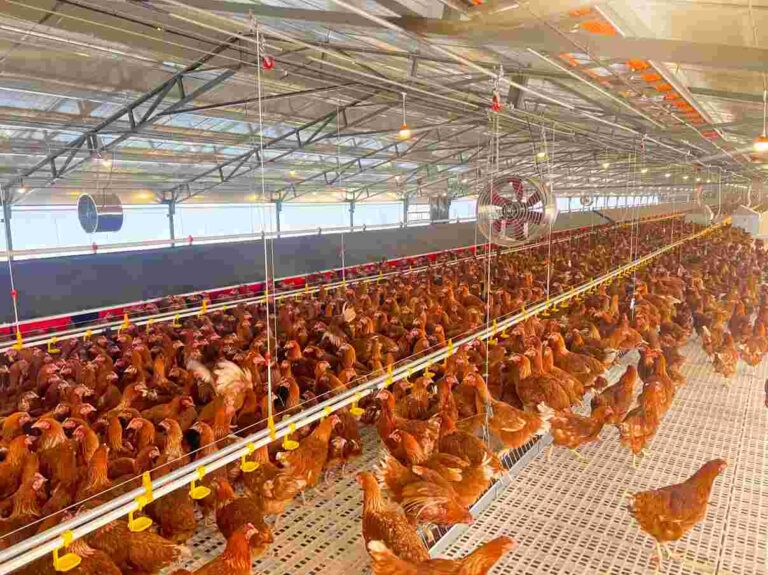
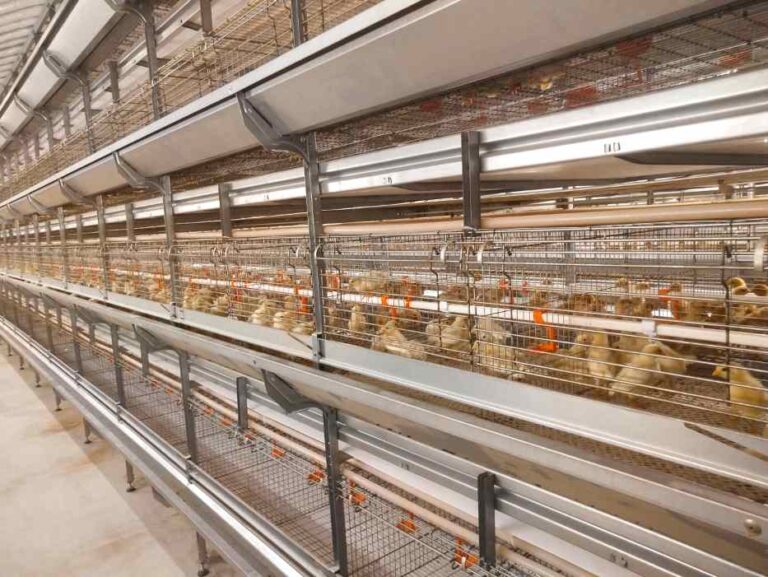
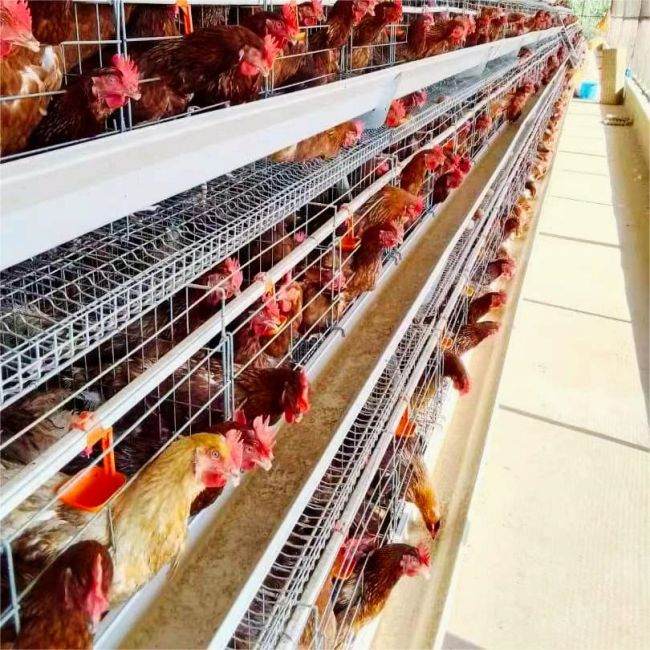
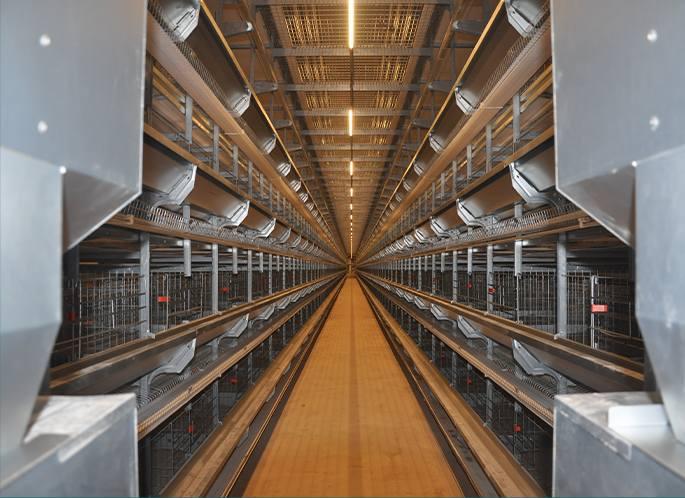
Modern poultry layer cage systems have developed greatly from old open-floor or free-range arrangements. The emphasis has moved to better efficiency, cleanliness, and bird well-being via improved egg layer cage design and mechanization. The stacked breeding equipment means chicken cages arranged one on top of the other like floors in a structure. This upright setup helps farmers make the most of their space. At the same time, it keeps the birds comfortable.
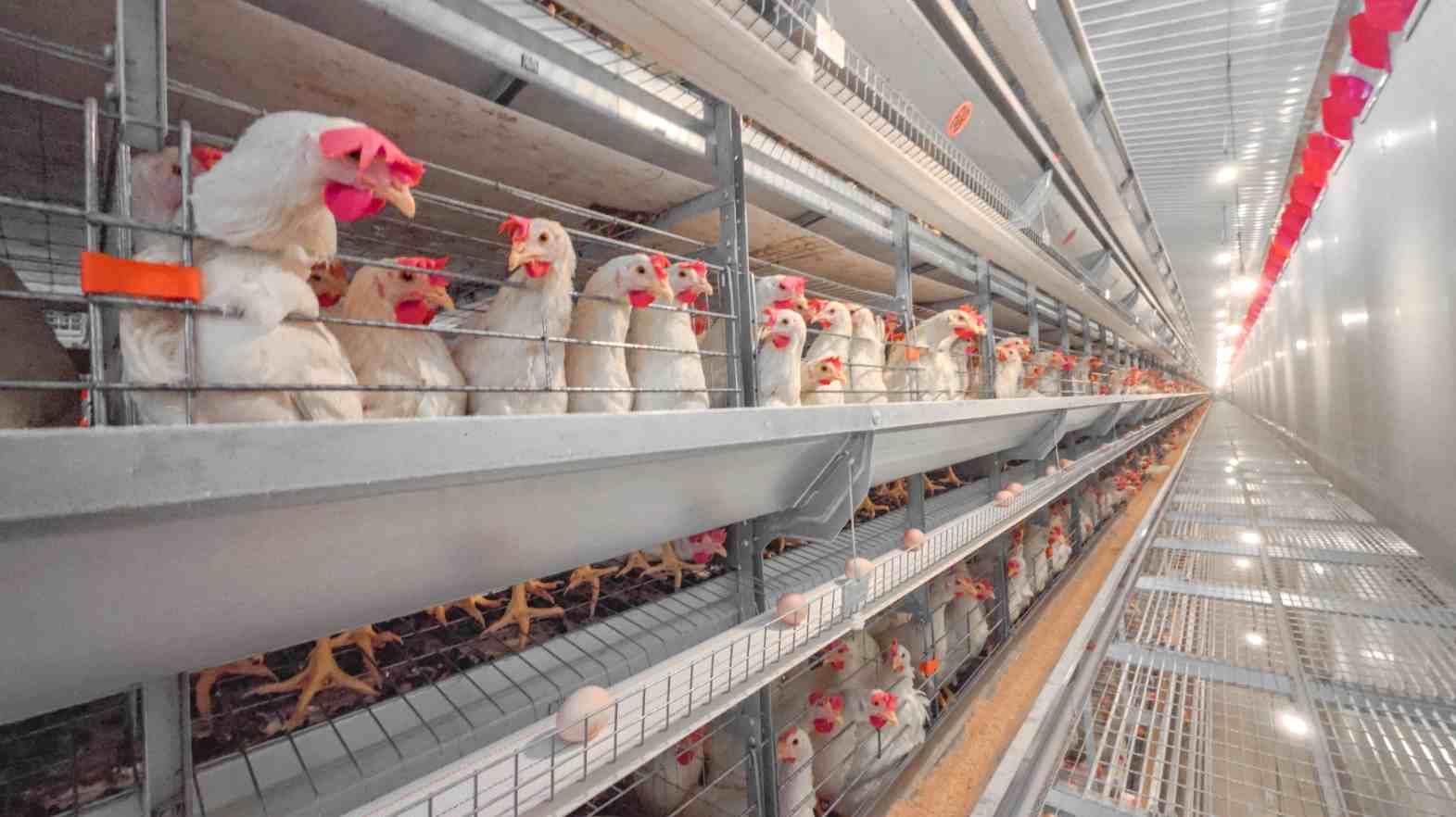
Figuring out land needs relies on the production method you pick. High-density automated cage setups use space much more effectively than old free-range methods. The current design gives each bird enough room. For example, ZEUSYANG’s H-type laying hen fully automatic cage system provides 468.75 cm² per chicken. It comes in setups from 4 to 12 levels.
For materials, the H-type laying hen fully automatic cage system employs hot-dip galvanized coating on the surface. This boosts resistance to rust and lengthens the working life to 20 years. Such strength cuts down on upkeep expenses. It also aids hygiene. Smooth galvanized surfaces clean more easily.
Mechanization stands out as another major difference. It achieves complete automatic operation. This cuts the need for workers sharply. It also lowers the effort required from staff. Feeding, watering, egg gathering, and waste removal form a single integrated layer cage system. This setup reduces hands-on work. Meanwhile, it boosts steady performance.
What Are the Benefits of Enhanced Space Utilization?
Better space use leads straight to higher output and animal care. Farms can hold more birds per square meter with vertical stacking like ZEUSYANG’s multi-tier cages. They do this while keeping a tidy setting. It takes up little ground. The space use rate is high. Plus, it’s simple to reach large-scale and intensive farming.
Smart use of farm area cuts building costs per bird. It also eases daily management. For a 10,000-hens farm, this might require a building area of about 500 to 1,000 square meters. This shows how current poultry farming tools allow big production in smaller buildings.
Improved layout for space also helps with air flow and heat management. These are vital for flock health. Less crowding stress raises egg yields. It also boosts general well-being. This fits with worldwide rules for eco-friendly animal raising.
Technology Integration in Poultry Layer Cages
How Has Automation Transformed Poultry Farming?
Mechanization in modern poultry equipment has changed everyday tasks by providing accuracy and reliability in all steps. First, it lowers labor expenses a lot. It does this by handling feeding, water supply, waste cleanup, and surroundings control automatically. This not only trims running costs. It also cuts down on mistakes by people.
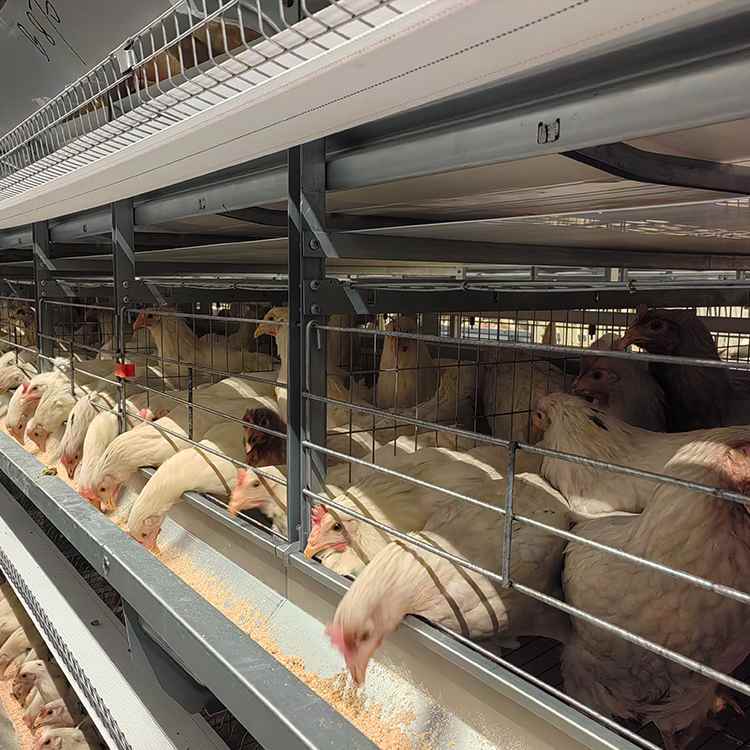
Automatic feeding setups give exact amounts of food at set times. This ensures proper nutrition for each bird. Water systems keep things clean. They avoid spills and dirt, which helps prevent illnesses. Automatic egg collection makes work smoother. Eggs go right from cages to belts with little touch. This drops breakage sharply.
At ZEUSYANG, we blend these tools into our H-type layer cages. This creates smooth operations. Feeding lines, egg belts, and waste belts work well together. They operate under central oversight.
The Impact of Data Monitoring on Efficiency
Adding digital tracking tools has moved layer poultry cage design into smart agriculture. Sensors in real time check temperature, moisture, feed amounts, and bird movement habits.
Linking automated systems can help cut disease risks indirectly. It does so by keeping a steady setting and limiting errors from humans.
Data review lets farmers forecast output patterns. They can adjust resources based on real results, not guesses. This forecasting improves choices. It helps spot problems early, before they harm output.
ZEUSYANG’s digital IoT management platform shows this change well. It allows distant checks of various factors via linked devices. These connect surroundings control with feeding times.
Environmental and Economic Advantages of Modern Systems
How Do Modern Cages Contribute to Sustainability?
Sustainability forms a key part of current poultry cage design plans. Power-saving air systems lower energy use. Yet they keep ideal conditions in closed buildings.
Chicken waste gets cleared layer by layer. This makes it easy to handle centrally after gathering. It has a high use rate. Chicken waste offers high value and causes little harm to the surroundings.
By handling waste well with built-in belts and reuse systems, current cages cut pollution. They do this better than ground-based setups that need often litter changes. These traits make ZEUSYANG’s items perfect for eco-aware poultry farms. They aim for resource cycles.
Economic Benefits for Poultry Farmers
Mechanization ties directly to savings over time. Fewer hands-on jobs mean lower running costs. Also, steady surroundings boost feed use efficiency. This means less food for the same results. Higher output from better housing density brings quicker returns on investment. Returns often come in 3 to 5 years. Better efficiency and fewer deaths raise production ability.
For farmers using ZEUSYANG’s automated chicken layer cage plans, these gains build up. They come from less energy use, better flock health, and superior egg quality. All these aid lasting profits.
ZEUSYANG’s Contribution to Poultry Farming Efficiency
What Makes ZEUSYANG’s Products Stand Out?
At ZEUSYANG, we aim to offer the best poultry equipment options that mix new ideas with dependability. ZEUSYANG has focused on research and production of current livestock and poultry raising tools since it started. Our plans show real-world use. They also meet world standards for eco-duty.
Our H-type fully automatic layer cage system shows this focus. It uses hot-dip galvanized steel on the surface for lasting strength. It blends full mechanization across feeding, drinking water, air control, egg gathering, and waste handling. With quick, expert, effective, and top-quality support, raising birds gets smarter and easier.
We offer custom setups for various farm sizes. This goes from small producers needing advice on how to make chicken cages for layers. It reaches large industrial farms wanting multi-level installs.
Our method ensures clients gain from advanced poultry layer cage design. It’s built for top efficiency. Bird care comes first.
FAQ
Q: Why Are Modern Poultry Layer Cages More Efficient?
A: Modern cages include mechanization and space improvement traits. These lower labor costs. They also raise output via effective feeding and managed settings.
Q: What Are the Key Features to Look for in a Poultry Layer Cage?
A: Main traits cover strong materials like galvanized steel build, automatic feeding tools, good waste handling with manure belts, weather control links, and live tracking options. These improve farm oversight.
Q: How Do Modern Systems Enhance Bird Welfare Compared to Traditional Ones?
A: Modern systems offer superior living setups via better air design, right space per bird, steady clean food and water through automatic lines. All this supports healthier groups with higher yields. It suits eco-friendly poultry work.