
Why Are Layer Cage Systems Essential for Modern Commercial Poultry Farms?
What Are Layer Chicken Cages?
Layer chicken cages are special enclosures built to hold laying hens in an effective and secure way. They aim to boost egg output. These cages create a managed setting that supports steady egg-laying results. They also make farm tasks easier. Farmers widely use these setups in today’s poultry operations. The reason is that they help make the most of space. They also keep things clean and raise output levels.
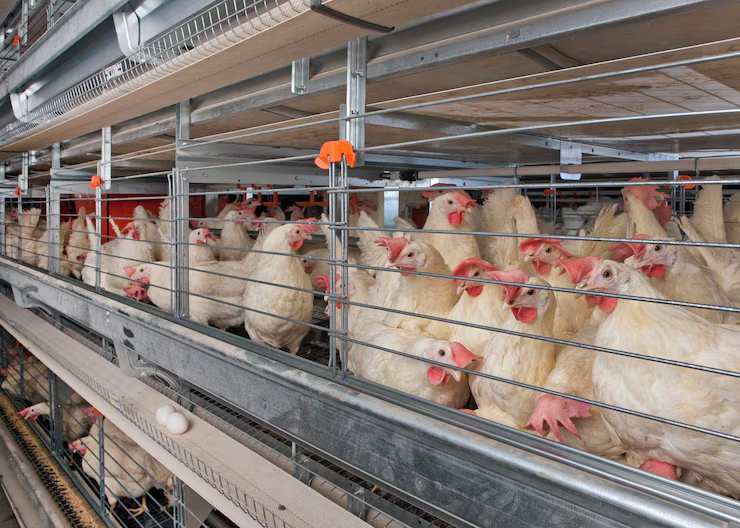
- type layer hen cage equipment stacks one level at a time. The ladder-style stacked layer hen cages boost space use. They also provide good airflow. Management becomes straightforward. The whole setup uses hot-dip galvanized material. This approach fits more hens into each area. It also keeps air moving well in the cages. That is key for hen well-being.
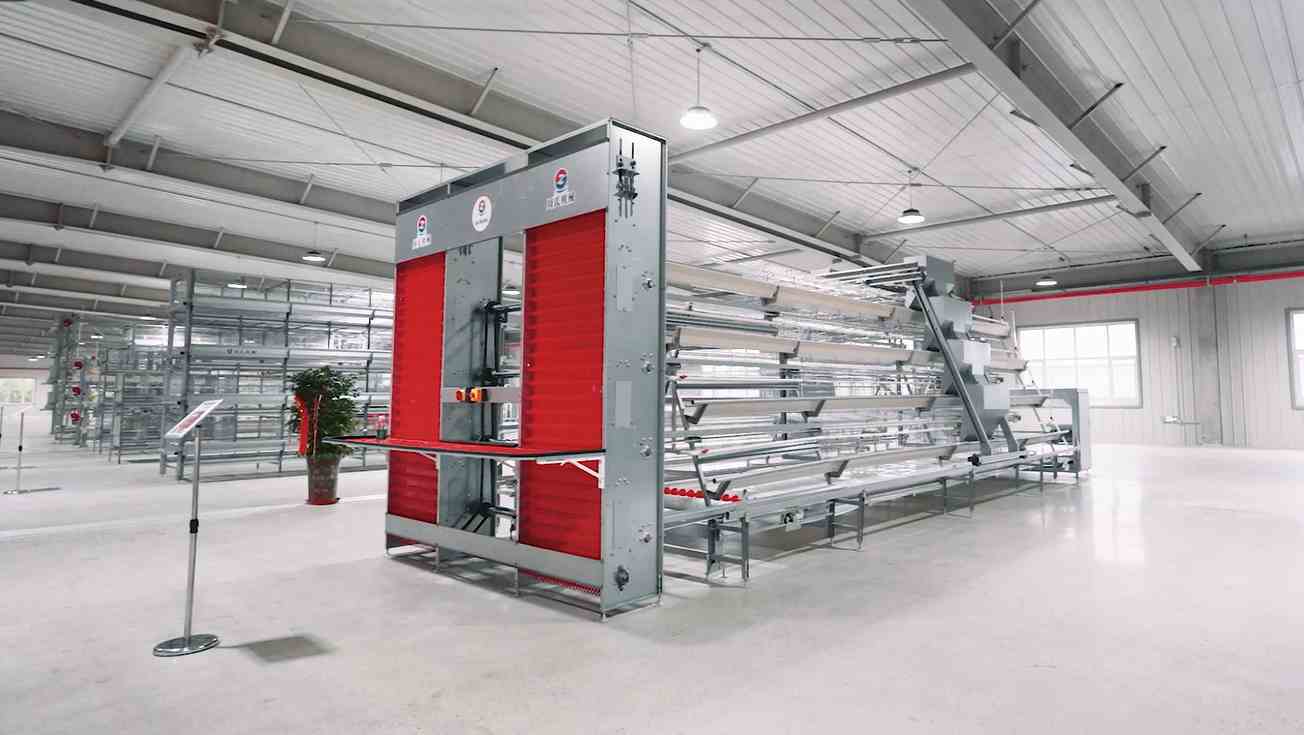
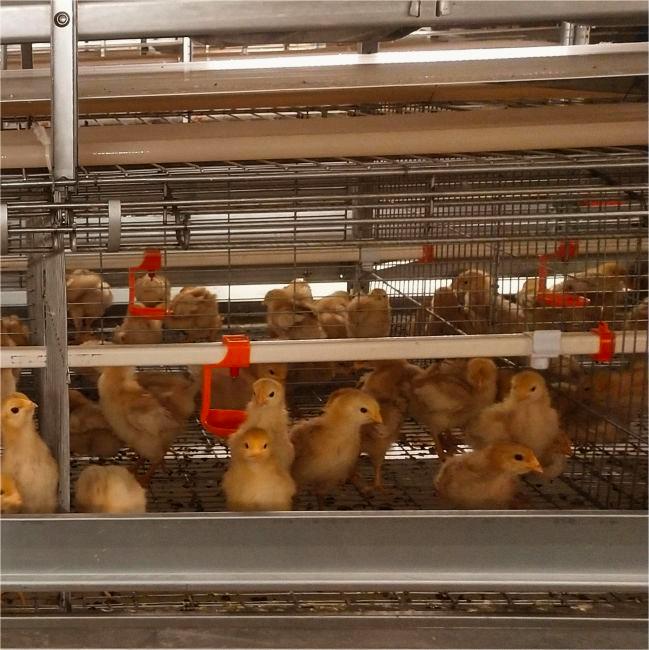
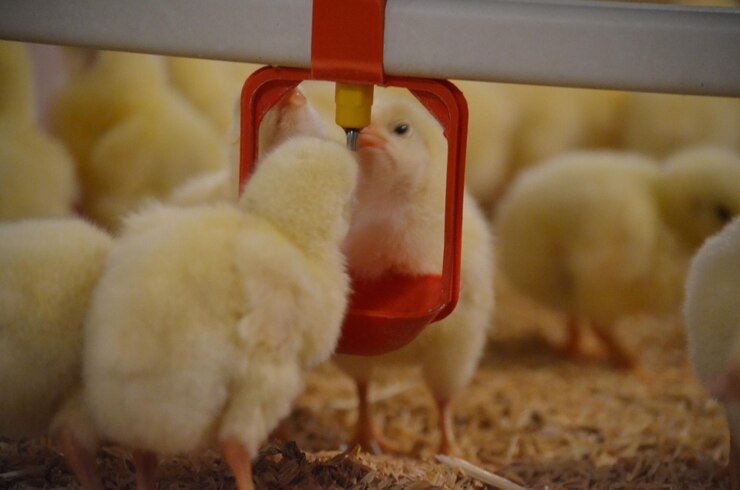
Using these cages brings several advantages. Egg output rises. Disease spread drops. Cleaning gets simpler. Feeding routines become easier too. The laying hen cage offers a cozy space for the birds. Each unit has a water fountain and a feeder. These ensure the hens grow well and lay eggs normally.
How Do Different Cage Systems Impact Poultry Farming?
The type of cage system chosen affects output and bird care greatly. It raises production speed. The laying hen cage uses a multi-layer stack design. This makes full use of space. Farmers can keep more laying hens in each area. As a result, efficiency improves. Such setups let farmers match market needs. They also keep steady results.
From a care viewpoint, smart cage designs cut stress for birds. They give reliable access to food and water. Crowding stays low. Disease risks fall. The laying hen cage has a closed build. It controls germ spread well. Infection chances decrease. Hen health gets better. So, picking the right cage system aids good practices. It also boosts farm work flow.
Types of Layer Chicken Cage Systems for Large Farms
What Are the Different Types of Cage Systems Available?
Two main types lead in big poultry setups: A-type battery cages and H-type battery cages.
Type A laying hen cages come in 3 to 4 layers. They split into automated and non-automated kinds. Full set of accessories includes an A-type cage rack, cage net, water line system, and feeding trough, with optional components such as a feeder, automatic manure cleaning system, ventilation and cooling equipment connections, and an automated environmental controller. Medium-sized farms often pick these. The modularity and simple upkeep appeal to them.
In contrast, H-type laying hen fully automatic cage system structures fit large farms that need high automation. They include advanced waste removal setups. Automatic feeding lines are part of them. Integrated climate control creates the best conditions for egg-laying hens.
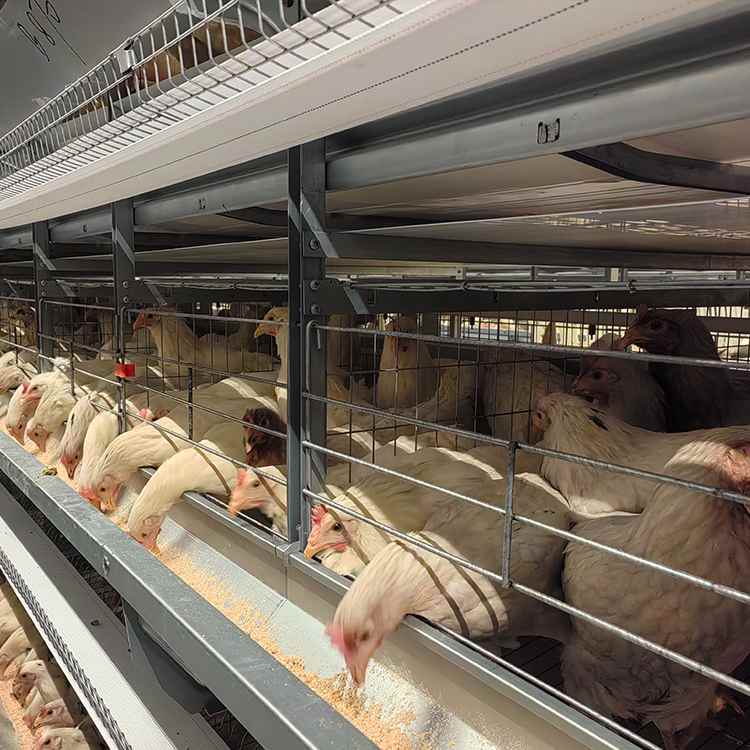
Comparing A-Type and H-Type Battery Cages
In structure, A-type systems form a ladder shape. This aids airflow between levels. H-type systems stack straight up. They allow denser bird placement in small floor areas. For example, take a four-layer cage. A 15-meter-wide, 100-meter-long, and 4-meter-high unit can hold 48,000 to 51,120 chickens depending on cage size, stocking density, and local welfare requirements.
A-type cages work well for smaller spots or semi-automated farms. Their basic setup is a plus. H-type systems suit big industrial farms. These farms seek full automation. They want less hands-on work.
How Much Does a Layer Chicken Cage System Cost for Large Poultry Farms?
What Are the Initial Investment Costs?
Starting costs change based on size and automation degree. Automated H-type systems need more money at first. This is due to built-in parts like manure belts, egg collection conveyors, and environmental controllers. Yet, these lead to savings later. Labor needs drop.
A-type systems cost less to start. They may need more hands-on work. That is unless you add optional automation like feeding or waste units.
Why Do High-Quality Cage Systems Provide Better Long-Term Value?
In the long run, automated systems save a lot. Feed waste lessens. Energy use becomes efficient. The feeding system uses drive feeding. Our company creates a leveler with feeding features. It cuts feed loss from clogs during meals. Upkeep costs stay low. This comes from strong materials like hot-dip galvanized steel. They fight rust for many years.
Moreover, excellent corrosion resistance and long service life last 15 – 20 years. This gives solid returns over time. It holds up even in heavy use.
How Do Environmental Conditions Affect the Choice of a Layer Chicken Cage System?
How Does the Cage System Affect Farm Environment?
Managing the surroundings is vital for bird care and output. The temperature, humidity, and bad gases in the chicken house get tracked by the environmental controller. The computer checks set standards. It adjusts ventilation based on current conditions. This tech keeps air quality steady in poultry houses.
Handling waste matters just as much. The manure conveying belt gathers droppings to the house end. Then, it moves them outside via the transverse manure conveying belt. These parts stop pollution. They keep cleanliness in big setups.
Ventilation setups help a lot too. They manage heat changes. Without them, birds could get stressed. Egg output might vary.
ZEUSYANG’s Offerings for Large Poultry Farms
What Layer Chicken Cage Systems Does ZEUSYANG Offer for Large Poultry Farms?
At ZEUSYANG, we focus on creating advanced layer chicken cage systems. We tailor them for today’s poultry farms around the world. Our lineup covers A-type ladder cages and H-type fully automatic setups. We use precise engineering from years in livestock gear making.
ZEUSYANG showcases our full range. It includes stacked chicken coops, broiler cages, climate control solutions, drinking water systems, egg delivery mechanisms, and prefabricated steel livestock houses. We develop all this in our Hebei Province facility.
Our layer chicken cage systems add smart controls. These cover automated feeding lines. LED lighting setups provide even light at low voltage levels. This ensures safety. It also cuts energy use.
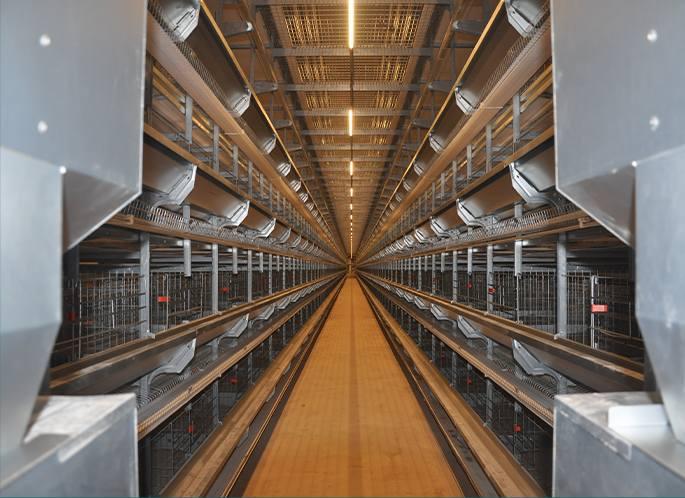
Why Choose ZEUSYANG for Your Poultry Farm?
We stress lasting quality with top materials. Each part gets hot-dip galvanization treatment. This promises long life in tough spots. Our engineers make subsystems work smoothly. For example, water supply networks have alarms. This raises trust in all layer chicken setups.
We blend automation with user-friendly design. Wide doors ease bird handling. Our solutions boost speed. They cut manual tasks on farms everywhere.
FAQ
Q: What Are the Key Benefits of Using a Layer Chicken Cage System?
A: It boosts egg production speed by making the best use of space. It also simplifies management with easy cleaning. Plus, it saves labor a lot. The egg breaking rate drops too.
Q: How Do I Determine the Best Cage System for My Farm Size?
A: Check your farm’s space size and budget limits. Then choose between A-types or H-types. Talking to experts like our ZEUSYANG technical team helps. They customize setups to fit your aims.
Q: Are There Any Health Concerns Associated with Using Cages?
A: Well-made enclosures raise cleanliness. They limit disease spread among birds. The cage has a simple structure, is easy to clean, can be cleaned and disinfected regularly. Set cleaning schedules ensure healthy spaces. This supports steady output in flocks under ZEUSYANG’s systems.