
Egg Production in Laying Hens
What Factors Influence Egg-Laying Performance?
The egg-laying performance of hens hinges on a blend of genetics, surroundings, and care routines. The hen’s breed stands as a key driver of her laying ability. That’s because certain breeds get bred on purpose for strong output. Nutrition counts just as much. Hens call for a well-rounded meal packed with calcium, protein, and vitamins to hold steady egg yields. Lighting routines matter a good deal too. Hens often need 14 to 16 hours of light daily to keep up top production. Things like temperature, airflow, and tidiness in the environment help ease stress. They also boost the whole flock’s well-being.
Age ranks as another big element. Most hens kick off laying at roughly 5 to 6 months old. They hit their best output in the first two years. Past that, egg laying eases off bit by bit. Changes in seasons, above all less daylight in winter, can lead hens to lay fewer eggs. This happens unless you add fake lighting.
How Many Eggs Can You Expect From a Hen Per Year?
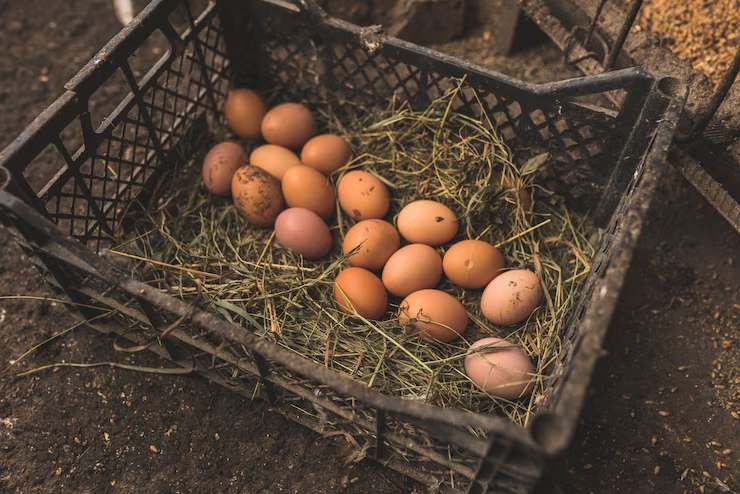
A hen’s yearly egg tally shifts with her breed and setup. Top breeds can turn out 250–320 eggs a year with solid care. Output tends to peak in the first and second laying years for the hen. After those times, expect a normal dip in results.
Things like sickness, weak food, or molting can cut egg laying for a short while. Molting means hens drop old feathers and sprout new ones naturally. Making sure hens get good housing and reliable meals helps offset these problems.
Which Chicken Breed Is Best for Egg Production?
What Are the Top Breeds Known for High Egg Yields?
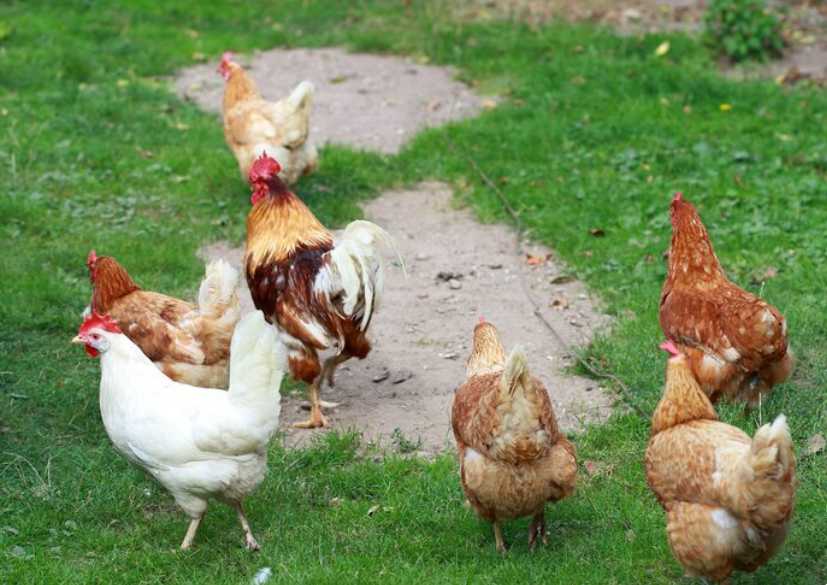
Chickens don’t all match up when it comes to laying eggs. Some get picked through genes for heavy laying skills. Others draw value from meat or mixed roles. Traits in breeds, such as mood, weather fit, and egg shade, change a lot.
High-Yielding Laying Hen Breeds
- Leghorn: A classic white-egg layer, Leghorns are lightweight, active birds known for their exceptional laying capacity.
- Rhode Island Red: This dual-purpose breed is renowned for consistent brown egg production and a hardy constitution.
- Australorp: Calm and friendly, Australorps have been recorded to lay over 300 eggs per year under ideal conditions.
- ISA Brown: A commercial hybrid layer that excels in egg production, often laying up to 320 brown eggs annually.
How Do Temperament and Care Requirements Vary by Breed?
Breeds such as Australorp and Rhode Island Red come off as gentler. This suits them well for folks just starting out or homes with kids. Breeds like Leghorn act more skittish. They often demand safer enclosures. Tolerance to cold serves as one more point to weigh. For example, Rhode Island Reds and Australorps handle chilly areas better than types from the Mediterranean, like Leghorn.
Needs for space change too. Every chicken wants enough area to wander and hunt for bits. Yet lively breeds gain more from open-range spots.
Matching Breed Choice With Your Goals and Environment
What Should You Consider Before Choosing a Breed?
When choosing a breed of laying hens, begin with your area’s weather. Tough-to-cold breeds prove vital up north. Ones that take heat do finer in hot places. Then, size up your room. Small yard arrangements might narrow your picks. That’s in contrast to open or business-like settings.
The shade of eggs might shape your choice as well. White and brown ones show up most. Still, breeds like Ameraucanas and Easter Eggers put out blue or green eggs. These bring a fun mix to your haul.
Are Dual-Purpose Breeds a Good Option for Egg Production?
Dual-purpose breeds bring perks for eggs plus meat. They might not top pure layers in raw numbers. Even so, they fit well for those on small farms chasing lasting independence from one bunch. Rhode Island Reds and Plymouth Rocks stand as samples of dual-purpose types. They give decent egg counts along with solid meat.
 Feeding and Housing to Maximize Laying Potential
How Does Nutrition Affect Egg Production in Hens?
Right nutrition proves key to holding strong egg output in laying hens. A meal made just for layers often packs 16–18% protein. It adds enough calcium to back firm shells. Vitamins A, D3, and E hold big parts in breeding health too.
Bring in layer feed at the start-lay point, about 18 weeks. This gets hens set for lasting egg work. Keep fresh water on hand at all times. Lack of water can shut down laying in a flash.
What Housing Conditions Promote Healthy Laying Hens?
The setup for housing affects hen health and output in a big way. Plenty of nest spots ease tension and push steady laying. Nest boxes ought to give seclusion and softness. That draws hens to stick with them.
Neat, dry sheds with right airflow block sickness and raise output. Good air movement steadies heat and dampness. It also trims lung troubles.
ZEUSYANG’s Role in Supporting Efficient Egg Production
Why Choose ZEUSYANG Products for Your Laying Hens?
At ZEUSYANG, we focus on smart poultry setups built to lift egg output with auto features and sharp control.
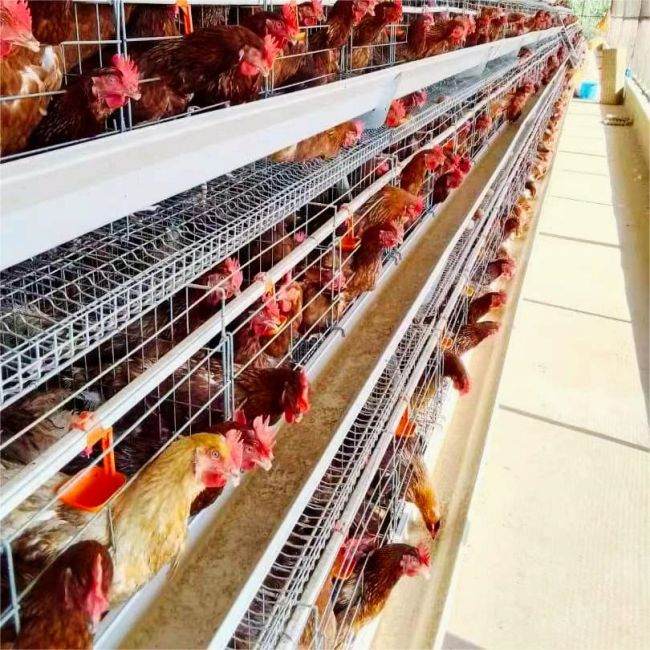
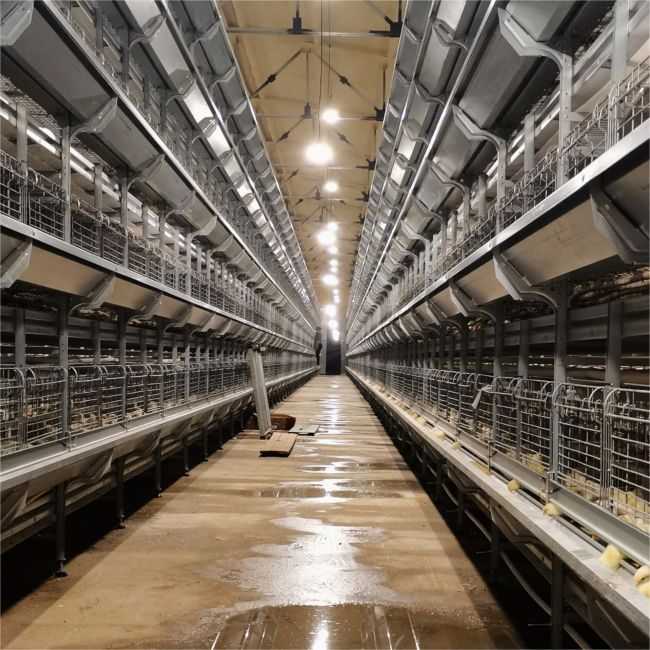
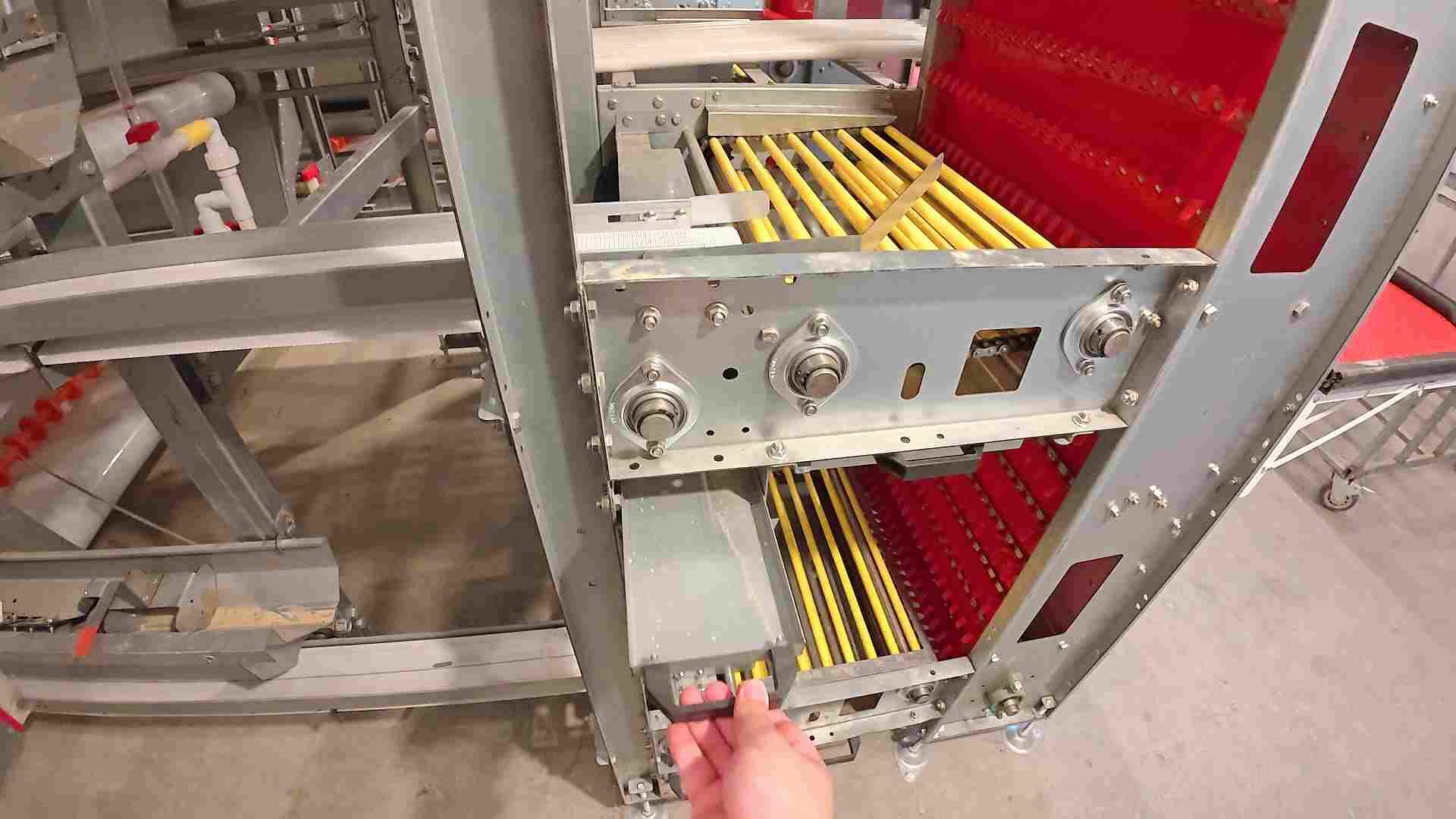
Our small stacking equipment for laying hens usually consists of a cage body, a cage door, a conveying and feeding system, a manure cleaning system, and an automatic egg collection system. Our stacked chicken coops get designed to best use room and form a prime home for layers.
The automatic egg collection system comes with a soft egg removal device. This pulls out weak and cracked eggs before they hit the collector. Such a tool cuts down on breaks and worker effort. At the same time, it lifts egg worth.
How Does ZEUSYANG Improve Your Flock’s Performance?
Our products handle the food needs of laying hens through all growth steps. They do this with combined setups that cover feeding auto, air control, water care, and waste handling. Cleaning manure, feeding, and picking up eggs can all be accomplished through buttons. This top-tier auto brings even care. It also trims hand work.
If you run a yard flock or a big site for up to 160,000 birds, our setups adjust to fit. Tied to a full-sealed air control style, it shapes a range of close-knit breeding plans for laying hens.
 FAQ
FAQ
Q: Can I mix different chicken breeds in one flock for eggs?
A: Yes, many backyard chicken keepers raise mixed flocks successfully. Just ensure similar size and temperament to avoid bullying.
Q: How long do hens lay eggs consistently?
A: Most hens lay well from 6 months to about 2–3 years of age before gradually declining.
Q: Do I need a rooster for hens to lay eggs?
A: No, hens will lay eggs without a rooster — but the eggs won’t be fertilized.
Q: What is the best chicken breed for beginners who want lots of eggs?
A: Rhode Island Reds or Australorps are great beginner-friendly choices that also offer high egg yields.
Q: How many chickens should I get if I want a dozen eggs per week?
A: Three to four high-producing hens should provide around 12–16 eggs weekly under good conditions.
Q: Do chickens stop laying in winter?
A: Yes, many breeds slow down or stop laying during winter due to reduced daylight hours unless supplemental lighting is used.