
Overview of Poultry Layer Cage Systems
What Are Poultry Layer Cages and How Do They Work?
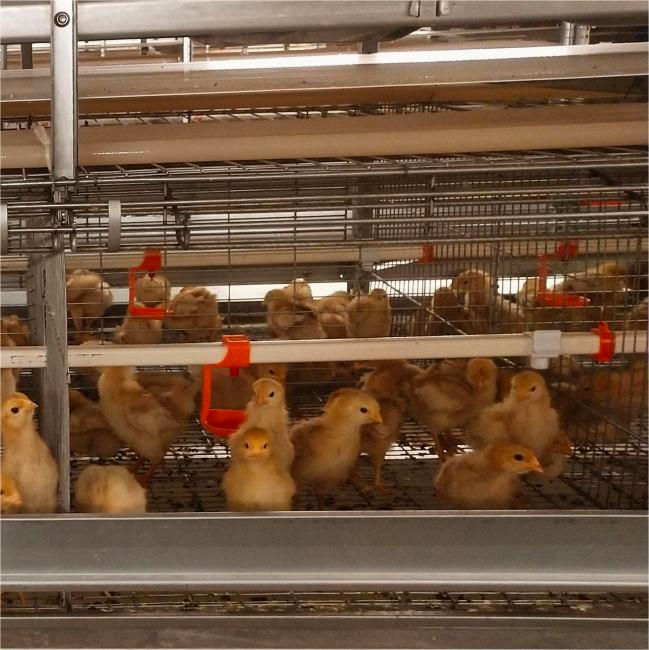
Poultry layer cages are specialized housing setups created to house laying hens for effective egg output. These cages serve as the base of contemporary poultry farming. They optimize area, boost cleanliness, and ease handling duties. A standard poultry layer cage system consists of a cage structure, feeding channels, watering pipes, and egg gathering devices. All these ensure seamless function during the full production period.
The laying hen cage uses a multi-level stacking layout to fully utilize area. Farmers can raise more laying hens in each unit space. This raises output efficiency. Each cage has a water dispenser and feeder. They keep steady nutrition and water supply. As a result, chickens grow properly and lay eggs normally. This kind of chicken layer cage design cuts down on egg damage. Eggs roll out on their own into gathering trays.
The Evolution of Layer Cage Designs
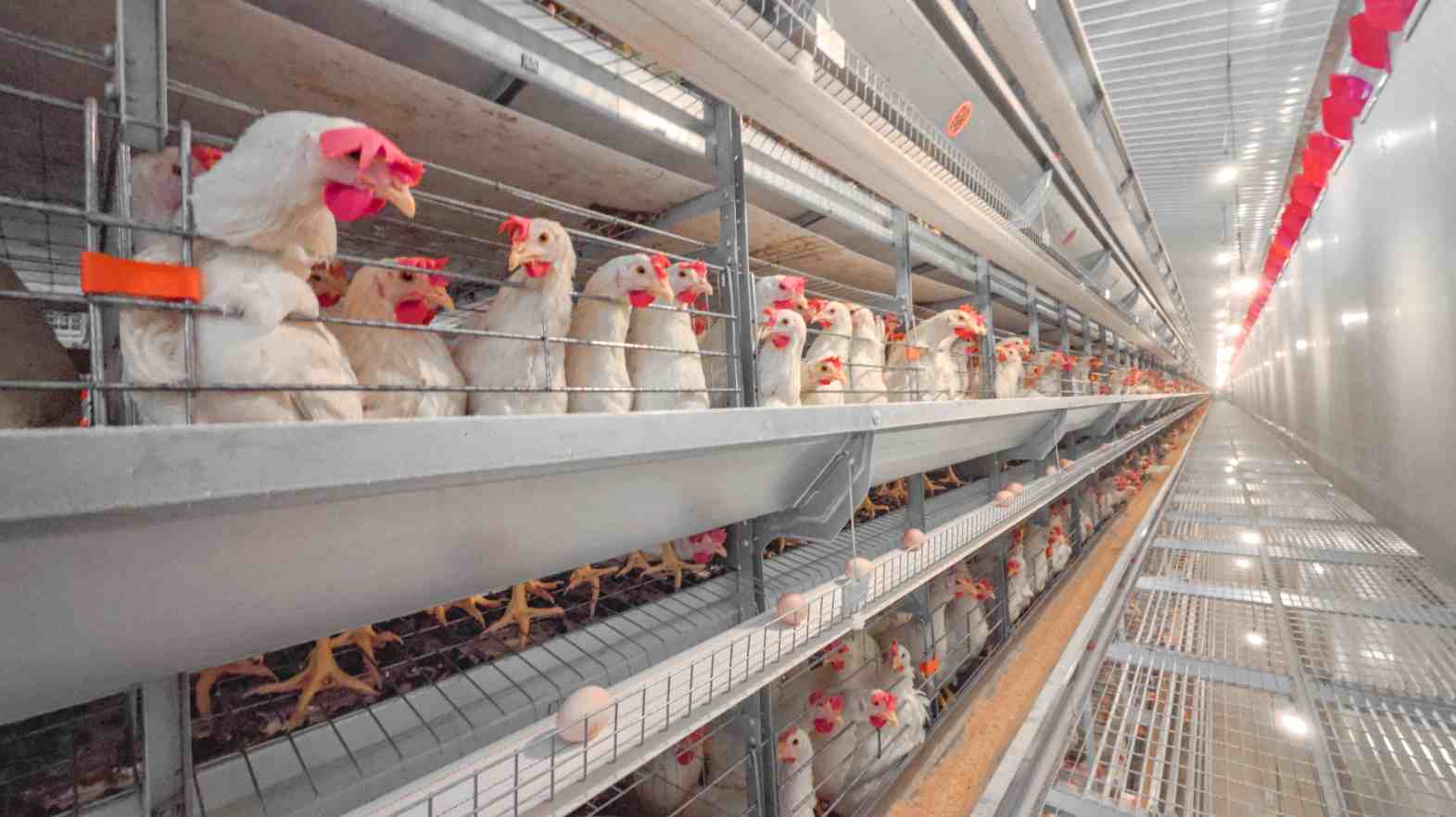
Old open-floor methods have slowly given way to organized layer cages design. These provide superior hygiene oversight and greater stocking levels. In recent years, A-Type and H-Type styles have become the main choices.
The A-Type build is compact. It uses gravity for waste clearance. On the other hand, the H-Type stresses vertical growth with modern automation tools. H-type (stacked) chicken cages fit large enclosed chicken operations. Experts suggest them for poultry sites with over 25,000 birds in one building. Advances in galvanized steel and automated feeding or cleaning setups have boosted strength and output in current poultry farm layer cage activities.
A-Type Poultry Layer Cage System
Structural Features of the A-Type Design
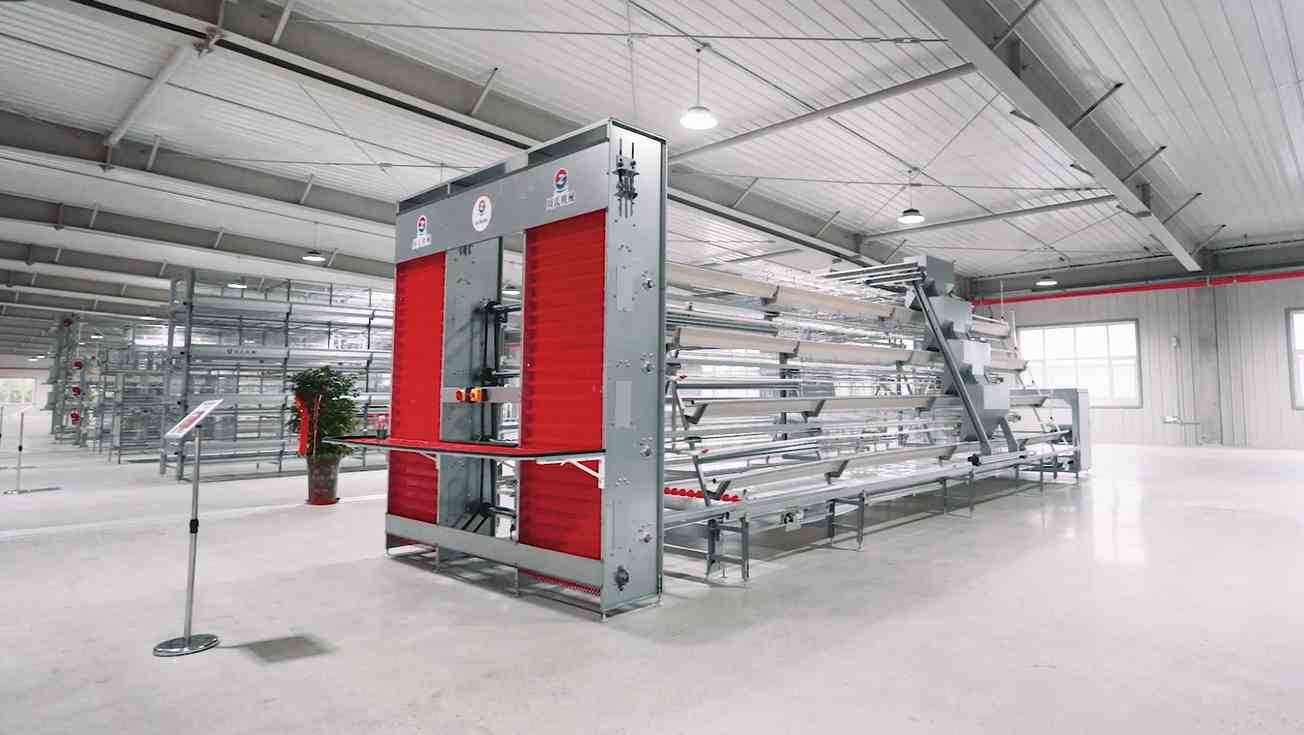
The A-Type poultry layer cage design stands out with its triangular build and piled tiers. These maximize area upward while keeping solid air movement between levels. A-type layer hen cage gear stacks one layer upon another. This ladder-style stacked layer hen cages not only boosts space use but also guarantees airflow gaps. This setup usually features gravity-based manure removal systems. They make cleaning jobs easier.
Advantages and Limitations of A-Type Cages
A-Type cages install more easily. Their basic structure means lower starting costs. They offer great natural air flow due to the open arrangement. This creates a better setting for hens. The whole gear uses hot-dip galvanized material. Yet, they need more hands-on work for cleaning in bigger scales. This restricts their fit for very big farms.
When Should Farmers Choose an A-Type System?
An A-Type chicken layer cage suits moderate group sizes or structures with low height limits. It works well in areas with strong natural air flow and mild weather. There, mechanical air systems are not essential. For beginners or budget-focused ventures, this type gives a sensible start in commercial egg making. It avoids high automation expenses.
H-Type Poultry Layer Cage System
What Makes the H-Type System Different?
H-Type setups show vertical multi-tier builds aimed at intense egg making on big commercial sites. Vertically stacked chicken cages save ground area. They increase the count of animals raised. Plus, they lower labor and oversight costs. In the end, they bring solid gains to chicken keepers. They often include central manure removal belts. These keep neatness across every tier.
High-strength galvanized or stainless steel guarantees a long working life. This holds true even in nonstop use.This strong build supports automation parts. Examples include feeders, drinkers, egg belts, and waste belts.
Key Benefits of H-Type Layer Cages
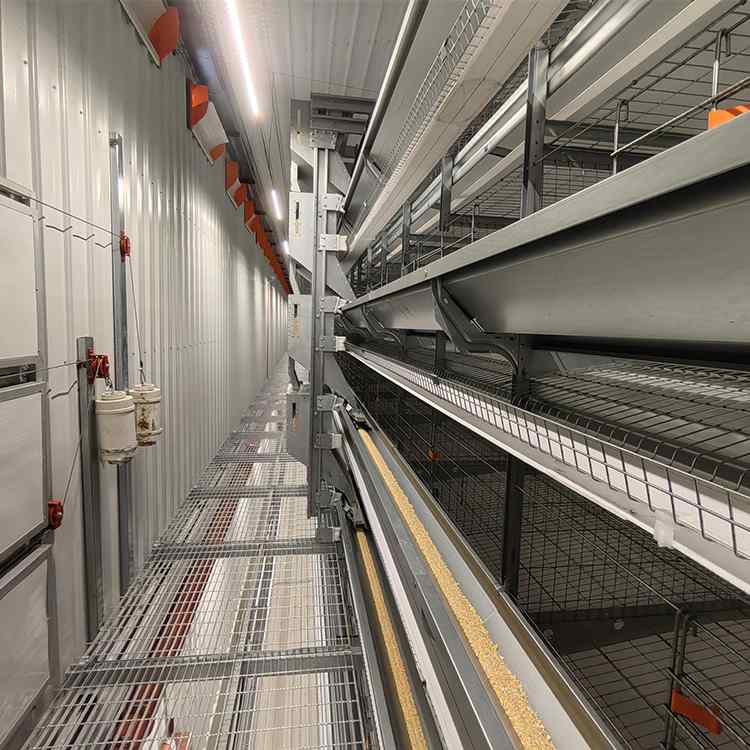
The chief plus is in growth potential. H-Type styles allow piling up to 12 tiers straight up. They do this without harming steadiness or hen well-being. The large-scale stacking gear for laying hen cages covers manure cleaning system, feeding system, drinking water system, egg collection system, and ventilation system. These combined systems cut manual work a lot. At the same time, they improve cleanliness via automated waste clearance.
Automation also boosts steadiness in feeding times and setting control. These are vital factors for peak output in dense setups.
Potential Challenges with H-Type Systems
Though effective in the long run, H-Type setups call for bigger upfront spending than A-Type ones. They need skilled staff who know automation tech. They also require reliable power for running motors and controls well. Upkeep needs regular planning to avoid stops from mechanical wear on belts or egg carriers.
Comparing A-Type vs H-Type Poultry Layer Cages: Which Is Better for Your Farm?
Performance Comparison by Farm Size and Production Goals
Small to Medium Farms
For smaller groups where hands-on handling stays possible, the A-Type setup gives adaptability in tight spots. It keeps costs under control.
Large Commercial Farms
H-Type cages do better than others in high-output work. Automation aids steady feeding loops and smart manure dealing. This makes them ideal for factory-like poultry businesses.
Cost Analysis: Investment vs Long-Term Returns
Initial Setup Costs
A-Type systems cost less at the start. They use basic frames without much automation parts.
Operational Efficiency Over Time
By contrast, H-Type styles yield better gains over years. They cut reliance on labor. They also enhance resource use via automated steps like belt-based waste removal.
Environmental Control and Bird Welfare Considerations
Ventilation Efficiency Comparison
A-Type units let air move better naturally. This comes from open sides between tiers. However, H-Type places depend on machine air flow. Sensors control it. They tweak air based on heat readings.
Manure Management Efficiency
The device connects to the feces cleaning belt under each cage. It cleans automatically. The manure goes out by running the control cabinet. This tech in modern H-Type systems keeps hygienic states. It beats manual removal ways common in smaller A-Type setups.
Integrating Poultry Layer Cages Into Modern Farming Practices
How Automation Enhances Egg Production Efficiency
Automation holds a key role in today’s poultry layer cages. It ensures even feed spread across all tiers. This uses belt-driven channels or screw systems. Smart sensors watch moisture levels and hen health signs all the time. They allow quick changes via computer-run air units or light plans.
Sustainability in Poultry Farming Through Efficient Cage Systems
Exact feeding cuts waste. Automatic manure belts help lower pollution dangers from ammonia build-up or runoff dirt. These are main parts that back green poultry work around the world.
ZEUSYANG’s Contribution to Poultry Layer Cage Innovation
Why Choose ZEUSYANG’s Poultry Equipment Solutions?
At ZEUSYANG, we focus on creating both A-Type and H-Type poultry layer cages. We tailor them for different farm sizes globally. We commits to the design and development, production and sales of livestock and poultry equipment. Our goal is to offer tough solutions. They raise output while upholding animal care rules in every task we back.
Product Highlights from ZEUSYANG
Advanced Materials & Engineering Design
Our chicken layer cage design employs hot-dip galvanized steel frames.They fight rust even in damp settings, which ensures a lifespan of up to two decades with proper maintenance and environmental control. ISO9001 certification standards confirm this.
Integrated Automation Options
We provide optional full automation kits. They cover feeding lines, watering systems, egg collection belts, manure belts, air controls, and digital setting watch interfaces. These work with IoT-based farm oversight platforms.
Global Support & Customization Services
Our group gives setup advice worldwide. We also offer custom plans made just for your building’s sizes or output aims. This helps you get top results from every square meter in your poultry house setup.
FAQ
Q: Which poultry layer cage system is easier to maintain?
A: A-Type systems are generally simpler due to open access structures allowing quick inspection or cleaning. However, automated waste removal gives H-Types an edge in reducing daily maintenance workloads over time.
Q: How long does a poultry layer cage typically last?
A: With proper upkeep using galvanized materials like ours at ZEUSYANG’s facilities—lifespans often reach 15–20 years depending on usage frequency and climate conditions surrounding your farm environment.
Q: Can I upgrade from an A-Type to an H-Type system later?
A: Yes. Many clients begin with cost-effective A-types before transitioning into automated H-systems once expansion plans justify larger investments aligned with increased production targets across their growing poultry businesses.