
What Is a Deep Litter System for Poultry?
Definition and Core Operating Principle
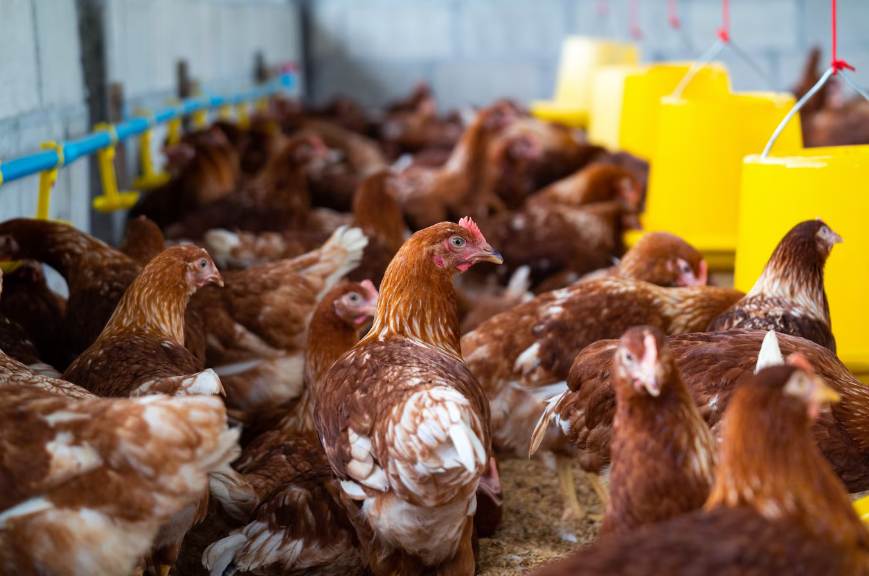
A deep litter system for poultry is a floor-based rearing method in which birds are kept on a layer of bedding such as wood shavings, rice husk, or chopped straw. Over time, droppings mix with the bedding, and microbial activity starts breaking down the waste. If the litter stays dry and loose, this process helps create a softer floor, improves insulation, and supports bird comfort.
This system is common in broiler production, grow-out houses, and some cage-free layer setups because it is practical and relatively affordable. It also fits farmers comparing the deep litter system vs cage system, especially when they want more bird movement and lower building complexity. In welfare-oriented housing, dry-littered floor areas support dust bathing, pecking, and social play. That sentence explains why litter is not only a waste-absorbing layer but also part of the birds’ behavioral environment.
How Does the Deep Litter System Work in Daily Farm Practice?
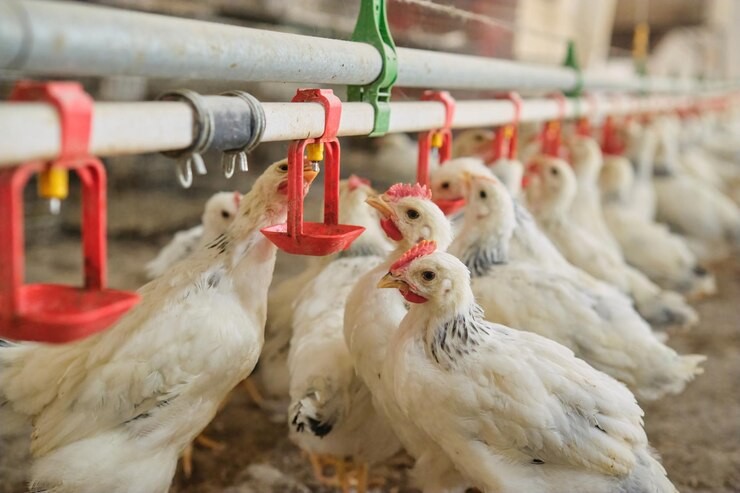
During daily farm operations, workers put down a starting layer of bedding. Next, they position the feeders and drinkers with great care. They must inspect the house floor every single day. Damp areas often appear near the water lines. These wet patches also show up in corners and around the main doors. Workers need to break apart these damp sections. They can also remove the wet waste completely or cover it using clean, dry material. Finally, staff should stir the floor bedding using hand rakes. This mixing action keeps the material loose. It also stops the surface from forming hard crusts.
Moisture control is the center of success. If drinkers leak, if stocking density is too high, or if ventilation is weak, litter becomes sticky and dark. Fresh air is also essential because humidity and ammonia rise quickly in enclosed houses. Feeding and watering layout matters as well. Drinking lines are separate from feeding zones to increase chicken movement. In a deep litter house, that same principle can help reduce crowding and limit floor damage around one point.
Why Do Farmers Choose the Deep Litter System?
Main Advantages for Poultry Housing
Many farmers choose this system because the initial investment is usually lower than fully automated cage housing. It is easier to start with on small and medium farms, and management can be simpler when the flock is on one floor level. Birds also have more freedom to move, scratch, and express natural behavior than in conventional cages.
Another strong advantage is manure value. Used litter can be removed and applied to crop land as organic manure, creating a useful link between poultry and crop production. For farmers who do not need highly intensive layer poultry equipment at the beginning, deep litter remains one of the most practical systems.
Limits and Management Challenges
The main weakness is litter failure. Wet litter increases ammonia, odor, pathogen pressure, and insect activity. Poor airflow can lower growth rate and bird comfort. Leaking drinkers or uneven brooder heat can create concentrated wet zones. High stocking density also increases breast blisters, footpad lesions, and floor caking.
This is where many farms start comparing the deep litter system vs cage system more closely. Cage systems can simplify manure handling, while deep litter demands stronger daily floor management.
Deep Litter House Design and Layout
What Should a Deep Litter Poultry House Include?
A good deep litter house starts with a dry, well-drained site. Water should never flow into the house during rain. The floor area must match bird age, type, and purpose. Roofing should protect against rain and direct heat, while sidewalls or curtains should reduce wind stress without stopping airflow completely.
Inside the house, the layout should allow easy movement for feeding, watering, brooding, inspection, and cleanout. A crowded internal plan often creates management problems later.
Floor Plan, Orientation, and Structural Design
House width, length, and sidewall height affect natural ventilation. Wider houses need stronger airflow planning. In hot regions, orientation should reduce direct sun load and support air movement through side openings. In wet climates, raised flooring or a proper foundation level is valuable for keeping moisture out.
Equipment Needed for a Deep Litter System for Poultry
Core Equipment for Feeding and Watering
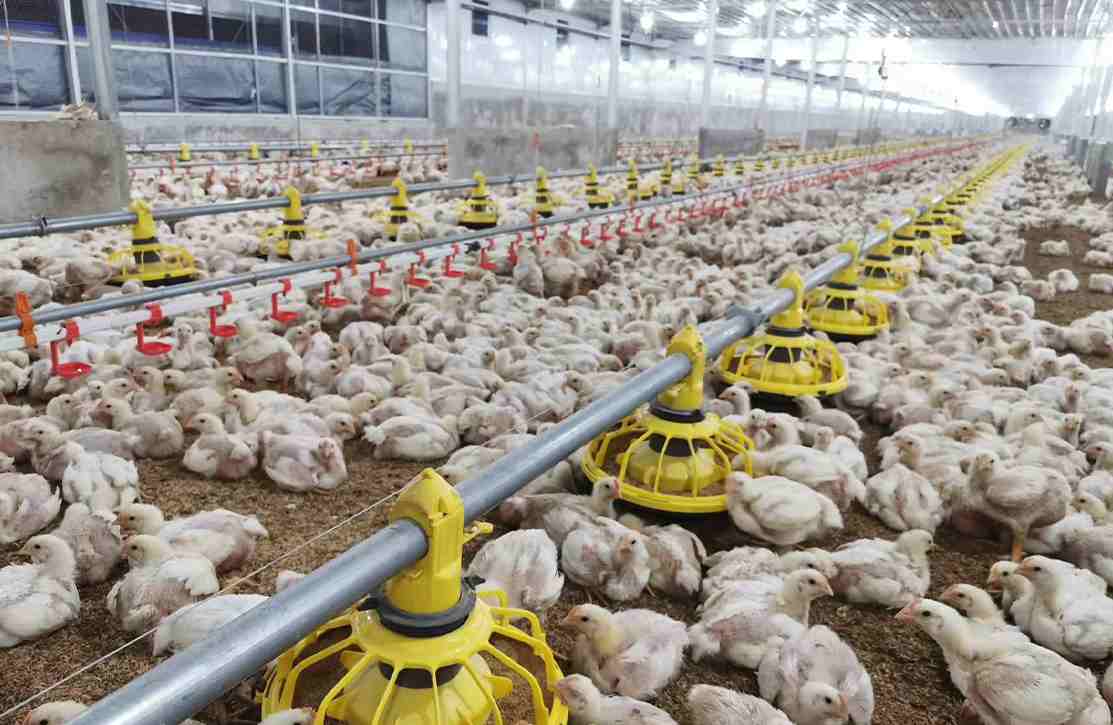
Feeders should be sized to reduce waste and allow even access. Drinkers should minimize spillage because water loss quickly damages litter. Feed storage bins or sealed containers help protect feed from rodents and moisture.
Brooding and Environmental Control Equipment
Young chicks need brooding heat, especially in the first days. Thermometers, simple controllers, and observation routines help maintain stable temperature. Curtains, fans, and ventilation aids become increasingly important as birds grow.
Litter Materials and Floor Management Tools
Common litter choices include wood shavings, rice husk, and chopped straw. Farmers also need rakes, shovels, and buckets for turning and leveling the litter. Footbaths, sprayers, and cleaning tools support sanitation.
What Equipment Is Optional but Useful?
Lighting, backup water supply, flock weighing tools, and record books are all useful additions. These are small investments compared with the losses caused by poor monitoring. In larger farms, some ideas from automatic equipment used in poultry farming can also be adapted to deep litter houses, especially for water supply, ventilation, and lighting control.
Litter Management, Ventilation, and House Hygiene
How Can Litter Be Kept Dry and Loose?
Farmers should stir the litter regularly, repair leaking drinkers immediately, and add fresh bedding to damp areas. If sections become heavily contaminated, those areas should be removed instead of repeatedly covered.
Ventilation and Temperature Control
Fresh air removes humidity and reduces ammonia stress. Balanced airflow also prevents heat buildup. Seasonal changes require constant adjustment of curtains and openings. Use a combination of negative pressure fans, cooling water curtains, side windows, and deflectors, and cooperate with the environmental controller to achieve the ideal conditions for the environment of the chicken house. The environmental controller is used to collect and control the ventilation system, and through automatic system control, the chicken house can achieve a reasonable and good breeding environment.
Cleaning, Disinfection, and Biosecurity
Restricted entry, clean footwear, footbaths, and equipment sanitation help reduce disease transfer. Downtime between flocks improves cleaning quality and lowers carryover risk.
Cost of a Deep Litter System for Poultry
Main Cost Components
The main costs include house construction or renovation, bedding purchase, feeders, drinkers, brooding equipment, ventilation items, lighting, labor, and sanitation materials.
What Factors Affect Total Investment?
Total investment depends on farm size, local building prices, labor rates, climate, and the durability of chosen equipment. Frequent litter replacement and short flock cycles can also increase costs.
Running Costs During Production
Running costs include feed waste from poor feeder design, water loss from leaking lines, litter top-up, utility use, and routine health management. Poor setup often creates hidden expenses. The feeding system adopts driving feeding. Our company independently develops a leveler with a feeding function, which reduces the waste of feed caused by congestion during the feeding process, increases the weight of the leveler, and makes the leveling effect better. These sentences show why feed distribution design matters in all housing systems.
Why Consider ZEUSYANG for Deep Litter Poultry Equipment?
ZEUSYANG Solutions for Poultry House Setup
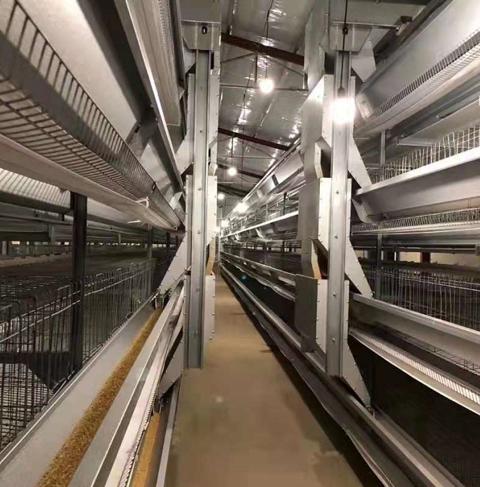
At ZEUSYANG, we focus on coordinated poultry housing support rather than isolated components. We are committed to the design and development, production, and sales of livestock and poultry equipment. Stacked chicken coop, cage-free feeding system, livestock house, and poultry cage equipment appear in our product structure, showing that we support different housing models, including floor systems that need practical planning.
For deep litter projects, we help farmers choose suitable feeding, drinking, ventilation, and house-management solutions. This is valuable for farms looking for modern poultry farming equipment from poultry equipment manufacturers in China.
ZEUSYANG’s new factory was completed between August and December, demonstrating the efficiency of “China Speed.” The new facility strengthens our production and delivery capabilities, including equipment solutions for deep litter poultry houses. We sincerely thank our customers for their continued trust and support.
ZEUSYANG Product Categories Relevant to Deep Litter Farming
Feeding Equipment
Our feeding solutions are selected to improve feed access and reduce waste. The poultry feeding system is one of our listed equipment categories, and we match it to different flock sizes and house layouts.
Drinking Systems
Our products also cover water delivery for better access and lower spillage. A poultry drinking water system is part of our product range, which is important in deep litter houses where water control directly affects litter dryness.
Ventilation and Environmental Support
Airflow is central to litter quality. A climate control system is included in our product classifications, helping farms manage humidity, heat, and indoor comfort more effectively.
FAQ
Q: What is the ideal litter depth for a deep litter system for poultry?
A: The ideal depth depends on bird type, climate, and bedding material. In practical farming, the target is a dry and cushioned layer that absorbs moisture while staying loose. Depth matters, but litter condition matters more.
Q: How often should litter be changed in a deep litter poultry house?
A: It depends on moisture level, stocking density, flock health, and production schedule. Many farmers remove wet patches when needed and do a full cleanout between flocks or when the litter can no longer recover.
Q::How can ammonia smell be reduced in a deep litter system for poultry?
A:Reduce water leakage, avoid overcrowding, increase ventilation, stir caked litter, and add fresh dry bedding quickly. Ammonia usually rises when litter remains wet for too long, so moisture control is the main solution.