
Comparing Battery Cage System and Deep Litter in Poultry Management
What Defines the Battery Cage System of Poultry Management?
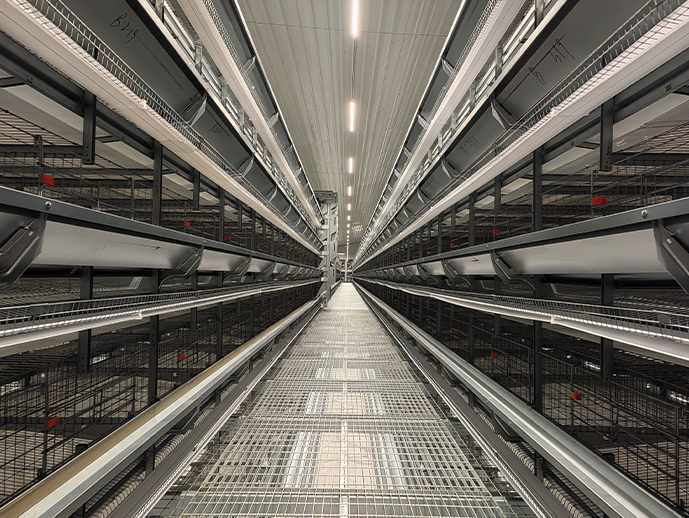
The battery cage system of poultry management uses an organized setup. Birds stay in cages stacked in tiers. This gives good control over feeding, watering, egg collection, and manure removal. Each cage holds a few hens. It makes the best use of space and helps with monitoring. The design keeps things clean. It stops birds from touching droppings directly. It also allows exact feed distribution.
The frame has a solid build. It stays reliable and holds many birds at once. This cuts down on costs. The cages fit in A-type or H-type layouts based on farm size. Feeding tools run on their own. They cut waste and spread feed evenly. The trough uses zinc-aluminum-magnesium plates. These plates give strong support.
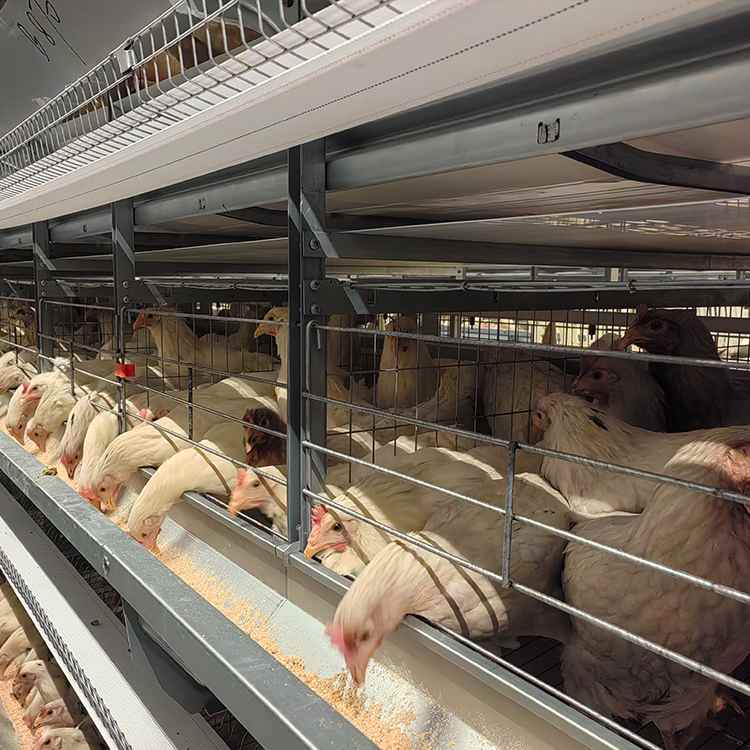
Water comes through nipple drinkers or PVC pipes. A filter at the start keeps water clean. Two nipple drinkers sit in each cage. They give enough water and make drinking easy. Egg belts move eggs gently. This lowers breakage. Manure belts pull waste away from under the cages.
Common materials include hot-dip galvanized wire mesh and frames that resist rust. All meshes use aluminum-zinc wire or 275g/m² hot-dip galvanized wire. These last long and fight corrosion well. Lights often use LED bulbs. They save energy and spread light evenly across levels. This setup makes the battery cage system of poultry farming work well for big layer farms.
How Does the Deep Litter System Operate?
In the deep litter system, chickens live on floors covered with bedding like wood shavings, rice husks, or straw. The litter soaks up moisture from droppings. It also keeps warmth steady when temperatures shift. Over time, tiny organisms break down waste. This creates heat that helps chicks in colder weather.
Farmers rake the litter often and swap out parts of it. This keeps the area clean and stops ammonia from building up. Good airflow matters a lot. Too much damp air can lead to breathing problems. Temperature, airflow, and dry bedding all affect how healthy the flock stays in this setup.
Evaluating Productivity and Egg Yield Differences
Which System Produces Higher Egg Output?
Battery cages usually give higher egg yields. The steady setting lowers stress and cuts disease risk. The climate control works smartly. It creates a steady home for the birds. This lowers death rates and raises egg output. Hens in deep litter systems move more. They use extra energy and lay a bit less.
Steady conditions from auto climate tools help boost egg numbers in battery cages. Birds waste less feed because intake stays measured and even.
Feed Conversion Efficiency: Does Housing Type Matter?
Feed conversion ratios work better in caged setups. Birds move less so they save energy for laying eggs. Auto feeders give the right amount of feed at each growth stage. Each row of cages has its own feeder. The feeder moves back and forth and runs from a control panel for steady delivery.
Deep litter farms need regular cleaning and disinfecting steps to block outbreaks like coccidiosis or salmonellosis.
Economic Analysis: Which Poultry Management System Brings More Profit?
Cost Breakdown for Each System
Initial Investment Costs
Battery cage setups need more money at the start for steel frames, auto units, and setup work. They use vertical space well and fit more birds per square meter. This leads to stronger returns later. Deep litter sheds cost less to build but need more floor space for each bird.
Operational Expenses and Maintenance
Auto systems cut labor costs by handling feeding, watering, manure removal, lighting, and climate control in one linked setup. Our system runs full auto steps for feeding, watering, egg collection, manure cleaning, lighting, and climate control. This lowers work effort and running costs while raising output and ease of management. Deep litter farms spend more on fresh bedding and hand cleaning.
Revenue Generation and Return on Investment (ROI)
Caged layers lay cleaner eggs with fewer cracks. These sell for better prices because of even size and clean look. Each hen gives more eggs per year than floor birds because conditions stay the same through each cycle.
Long-term gains favor the battery cage system poultry model. It uses feed well and cuts losses from illness.
Animal Welfare, Hygiene, and Disease Control Considerations
How Do Health Conditions Differ Between Systems?
Battery cages let workers watch each bird closely because each hen has its own spot. This helps spot illness or low output early. Deep litter setups can let germs build up in wet bedding if care slips.
Deep litter farms need regular clean and disinfect steps to block outbreaks like coccidiosis or salmonellosis.
Environmental Impact and Waste Management Practices
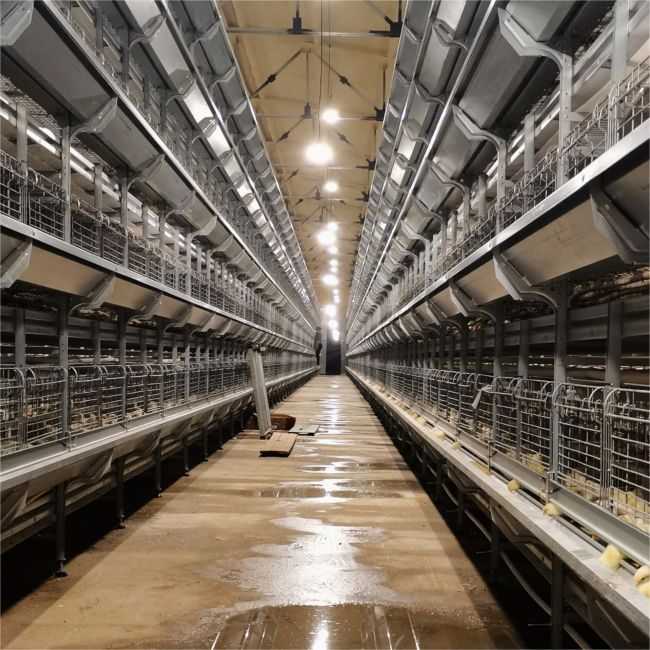
Manure handling works better in caged setups. Belts remove waste each day or week based on settings. The manure cleaning system resists rust and has a clear layout to keep the belt clean. Fans lower ammonia levels inside the house.
Deep litter farms turn used bedding into fertilizer through composting. Poor handling can cause bad smells or runoff into water sources nearby.
Technological Advancements Supporting Modern Poultry Systems
Automation Trends in Battery Cage Systems of Poultry Management
Automation has changed daily tasks on modern farms. It covers feeding times and egg collection steps. The egg collection system runs smoothly. It keeps breakage low and works with little effort. Sensors in smart controls adjust temperature on their own. They also warn staff about issues like low water or broken parts.
These tools make the battery cage system in poultry farming steady. They cut human mistakes and keep welfare levels even across all levels.
Integration with Smart Farm Management Tools
Auto parts now link with IoT dashboards. These track humidity and feed use in real time. The tools help farmers decide fast. They raise output per bird and cut waste through exact feeding run by smart programs.
ZEUSYANG’s Contribution to Modern Poultry Farming Solutions
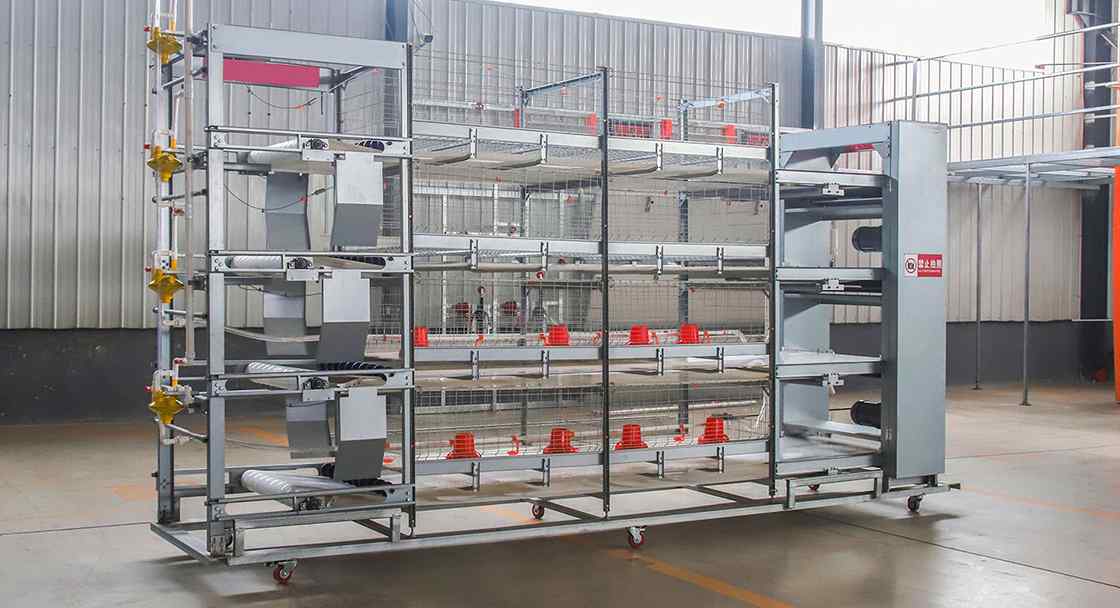
At ZEUSYANG, we build smart tools that raise output at every step of poultry work. This covers chick rearing to auto egg collection. Our advanced layer chicken cage system mixes automation with strong build. It uses zinc-aluminum-magnesium materials that resist rust for long use.
ZEUSYANG breeder chicken cage system aims to raise fertilized egg numbers and give a steady home for breeding flocks. We offer modular setups that reach up to twelve tiers based on needs. These keep good airflow through negative pressure fans and cooling curtains run by smart sensors.
Our broiler battery cages include auto-feeding lines with weighing tools. These track feed use exactly. They cut waste during growth and support good FCR values that matter for profit in any battery cage system for a broiler setup.
We add solar power options with auto manure belts. This helps farms follow eco goals while keeping output high in large battery cage system poultry farming work around the world.
FAQ
Q: Which poultry system is better suited for small-scale farmers?
A: Deep litter systems cost less at the start but need more care. Small farms may choose them when funds are tight.
Q: Is the battery cage system more profitable than deep litter farming?
A: Better feed use, lower death rates, and higher egg numbers per bird add up over time in steady settings found in modern battery cages for chicken setups.
Q: What are the major challenges with the deep litter method?
A: Keeping the area clean is hard. Wet or packed litter can lead to diseases like coccidiosis or breathing issues. These hurt flock results compared with steady conditions inside advanced chicken cages used on large farms that rely on automated layer chicken cage system models today.