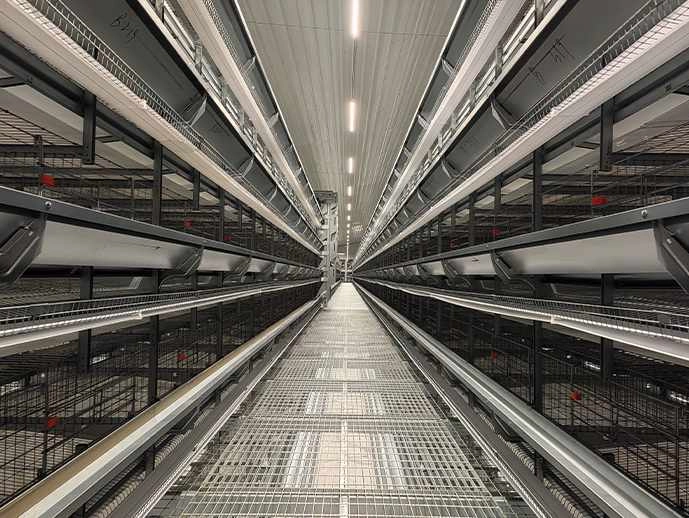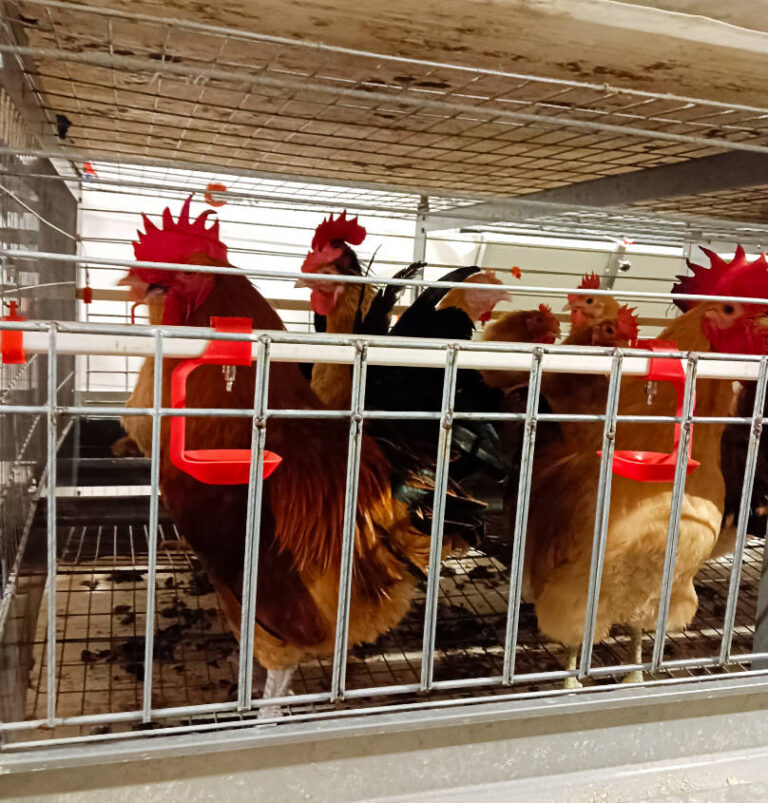

Feed. Water. Manure. Lights. Those headings may appear on quotations for both pullet cages and layer cages, which makes a quick comparison misleading. Follow an actual shift and the distinction appears: rearing calls for observation and adjustment as birds develop, while the layer house has eggs moving through it. The purchase is therefore about matching equipment to a stage, not picking a winner from two cage names.
What Do Pullet Cages Need to Support During Rearing?
Begin with the Flock Timeline
When pullet cages are being specified, the flock route should come first. Begin at entry and connect each rearing house to the intended layer house. The farm can put its dates or age ranges above that line. Below the line, use short notes for building condition, cleaning, feed and water, plus the person taking responsibility at every hand-off.
You cannot define pullet cages simply as smaller layer cages. The rearing job revolves around growing birds and the staff work that follows: observation, feed and water access, manure, lights and the house environment. One documented brooding-and-rearing system covers Day 1 through Day 110. That range belongs to the product description. It is not a calendar instruction for every flock, so the farm plan must still be reconciled with the selected model.
Can Feed and Water Access Change with the Birds?
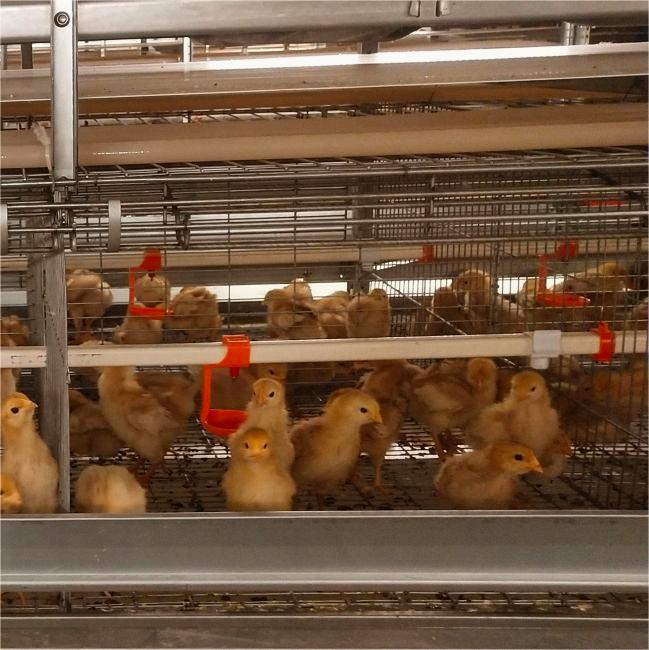
Across pullet cages, adjustment points deserve their own check on the row drawing. The documented pullet system has feed regulators adjustable by tier and water lines that can move up or down. The cage structure adjusts as one unit; a central partition and encrypted bottom mesh are also listed. Feed delivery may use a trolley or chain arrangement, with a separate device for each row.
For pullet feeding systems, stay close to the row drawing. Can the operator see the water line? Can a feed regulator be reached without stopping another job? Repeat the walk at the most distant row, carrying the tool that might be needed there. Keep the return path open for cleaning and repair. This checks the work around the equipment; it predicts no growth result.
What Really Changes from Pullet Cages to Layer Hen Cages?
Are the Two Drawings Using the Same Assumptions?
For a fair comparison of pullet cages and layer equipment, print both drawings at one scale and write the model name across the top of each page. Under that, note cage and tier arrangement, the source of the bird count, staff routes and service points. Dimensions stay on their own page. Once a pullet figure is copied to another model—or to the layer offer—it no longer describes the quoted equipment.
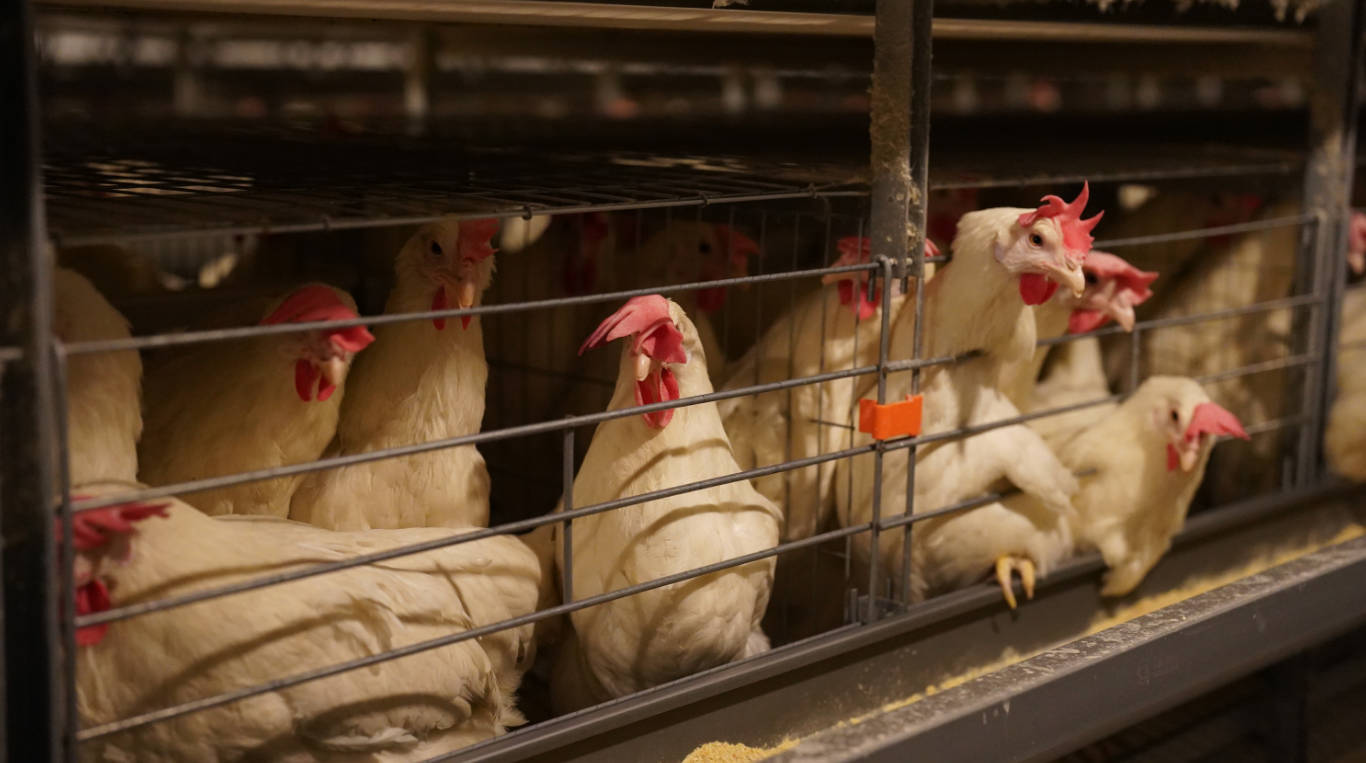
With layer hen cages, eggs add another route to the house. Trace it past feed, water, manure handling and the inspection aisle. Watch the crossing points. Dimension tables matter, but a drive hidden from service or a blocked cleaning point matters every day. Give those operating differences space in the comparison.
When Do Familiar Module Names Become Misleading?
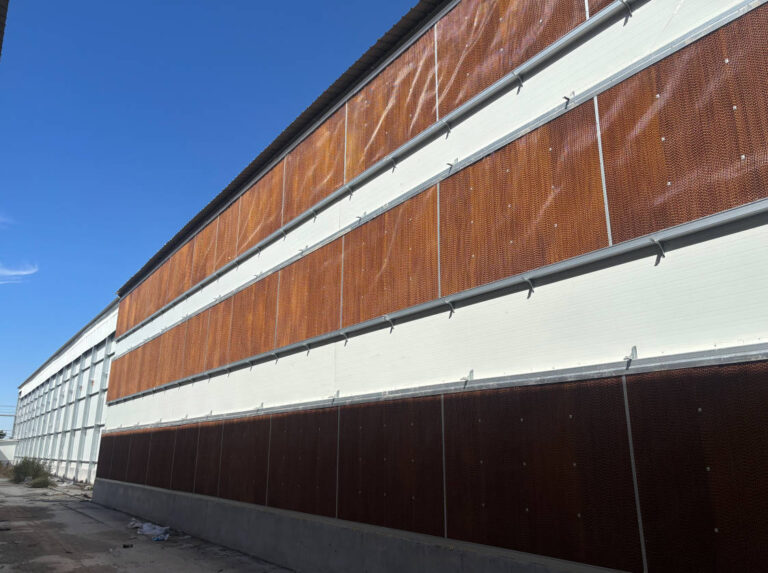
The pullet package lists pullet cages alongside feed, drinking water, manure removal, lighting, environmental control and monitoring. Manure belts sit below the cages and connect to the cleaner; the LED lights can be dimmed. A layer quotation may reuse the headings, then add egg collection for production.
Underline what is actually included, then draw the controls and connection points. Staff using pullet cages may need to change feed regulation or water-line height as part of the routine. Later, the layer layout must make room for egg transfer beside feed and water. A shared module name says little about whether the parts, settings or service work are the same.
Where Does Brooding Fit in the Layer-Rearing Plan?
Why Keep Brooding on a Separate Line?
Searches for brooding cages for chicks and brooding cages point earlier in the sequence. A buyer planning the whole rearing project will need that stage, of course. It still deserves its own line, separate from pullet rearing and from the house used for egg production.
Give brooding, pullet rearing and laying a separate row on the farm plan. In the next column, mark the equipment as separate or part of a documented combined system. Age ranges and transfer decisions belong to the farm team, not to a name printed on the cage.
What Does “Ready” Mean at Transfer?
Before birds leave a chick rearing cage, inspect the destination as though the transfer were happening that day. Feed should be at the intended points and water access checked. Look for three finished jobs: cleaning, the environmental-control check and the staff briefing for the opening routine. Flock management and building availability still decide the date.
When a project combines pullet cages and layer systems, compare their drawings at the same scale. Highlight shared utilities, separate service routes and every change in daily work. Circle dimensions or bird counts that still need a model-specific answer. Finding that gap on paper is far easier than finding it during installation.
How Can ZEUSYANG Connect Pullet and Layer Equipment Planning?
ZEUSYANG offers an integrated brooding-and-rearing cage system as well as layer cage systems. The pullet product sheet groups cage equipment with feed, drinking, manure handling, lights, environmental control and IoT. It also records an adjustable cage body, central partition, dense bottom mesh, trolley or chain feed, movable water lines, dimmable LEDs and manure belts. On the layer side, the H-Type layer system lists egg collection along with feed, water, manure cleaning, lighting and environmental control.
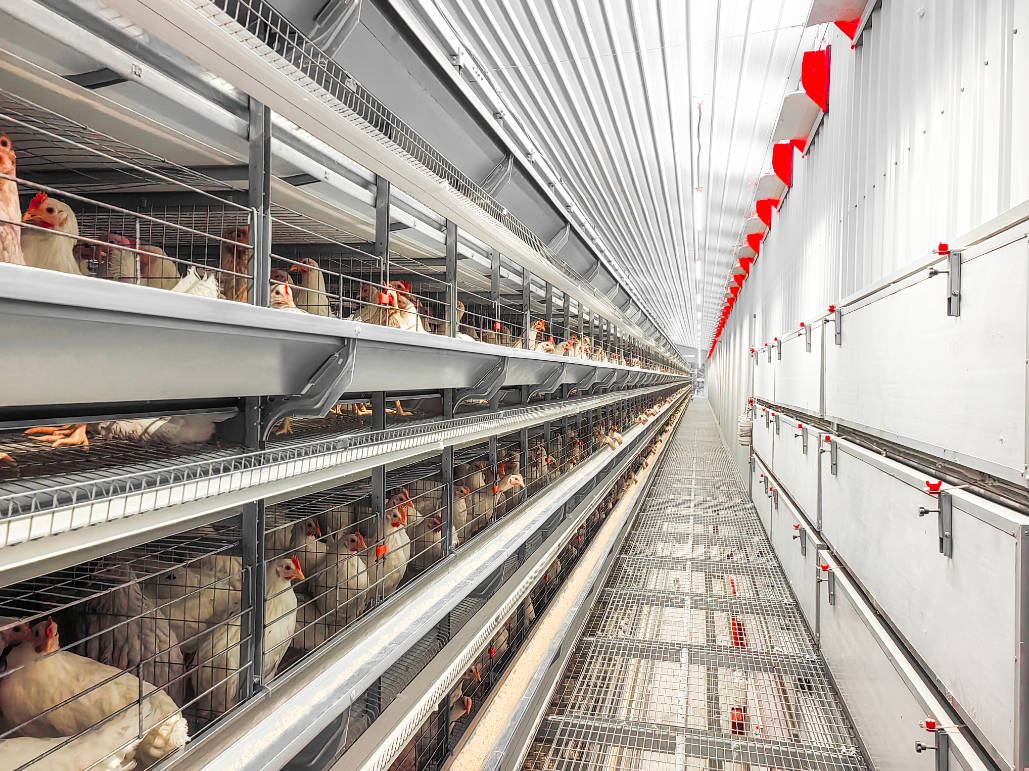
At ZEUSYANG, the starting brief combines the flock schedule with measured houses and equipment priorities. We can continue from design and equipment selection into installation guidance, commissioning and technical support. For dimensions and bird counts, we return to the named model. Local rules and the farm’s management choices still shape the specification.
Review Pullet Equipment as One Working Set
We place the cage, feed delivery, adjustable water access, manure removal, lights and environmental controls on the same row drawing. This reveals the service points and shows which functions are included in the proposed pullet cages and which are optional. Staff access can then be checked before the layout is accepted.
Use One Brief for the Rearing-to-Layer Transition
Send the target flock, rearing schedule, house measurements, planned layer capacity, utility information and management requirements together. Our team can then explain how the proposed rearing equipment connects with the later layer installation without claiming one transfer age or configuration fits every farm.
FAQ
Q: When Should Pullets Move from Pullet Cages to Layer Hen Cages?
A: No universal age comes from this equipment information. Moving from pullet cages belongs in the flock-management plan and should follow appropriate professional guidance. The final step is a walk through the receiving house, checking readiness in person.
Q: How Do Pullet Feeding Systems Adapt as Birds Grow?
A: The documented system has feed regulators adjustable by tier and water lines that move vertically. Confirm the exact model’s range and method. On the row plan, make sure an operator can reach both.
Q: Do Brooding Cages for Chicks Replace a Pullet Cage?
A: No. Brooding comes earlier in the sequence. Pullet equipment covers the rearing stage stated for the selected system. Keep both stages on the farm map and check the product scope for each.