
What Are Layer Cage Systems and How Do They Work?
Overview of the Layer Cage System Concept
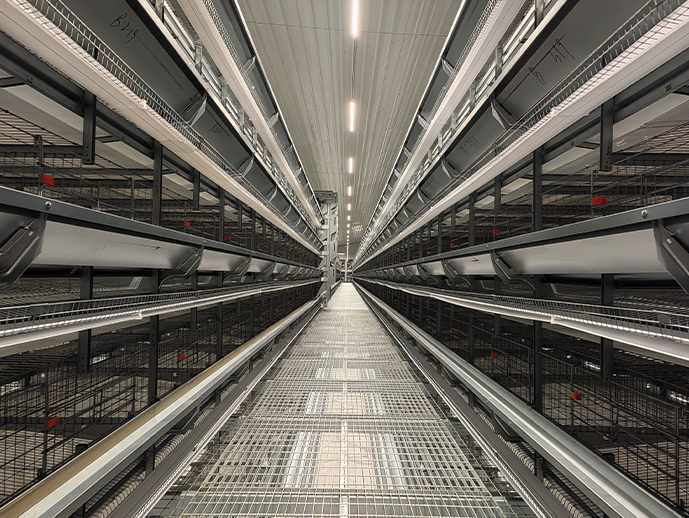
A layer cage system is an organized setup for housing laying hens. It makes good use of space, feeding, and egg collection. This setup forms a key part of current poultry management. It gives each hen enough space along with steady access to feed and water. At the same time, it helps reach higher egg output. The idea behind chicken layer cage plans centers on raising output through steady conditions for temperature, humidity, and lighting. Most often, the whole setup uses galvanized steel. This choice adds strength and keeps things clean.
The large-scale stacking equipment for laying hen cages comes with a manure cleaning system, an intermediate cage system, a feeding system, a drinking water system, an egg collection system, and a ventilation system. It also includes environmental control systems and lighting systems. These combined systems turn tasks like feeding and waste removal into automatic steps. The result is better daily efficiency.
Key Components of a Layer Cage System
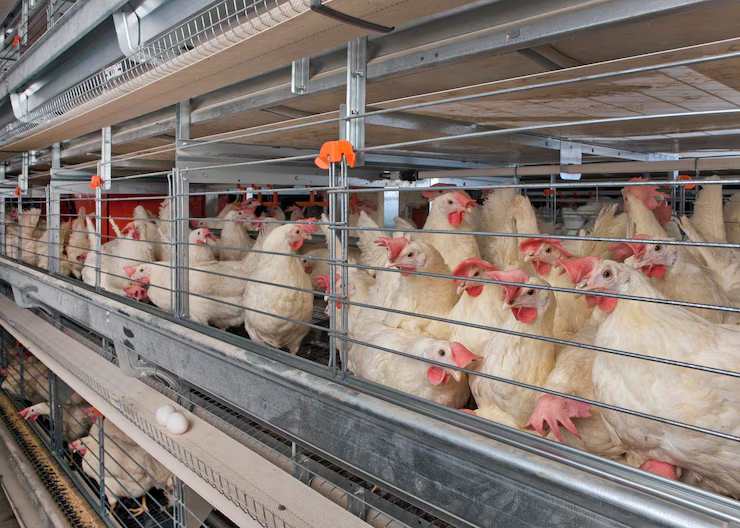
The main parts of a layer cage system on a poultry farm cover feeding troughs or automatic feeders. These spread food evenly across every level. Water lines with nipple drinkers keep clean water available at all times. Automated egg collection belts move eggs with care to cut down on cracks. Manure removal systems also help keep the area clean by clearing waste from under the cages on their own.
The manure cleaning system uses strong resistance to rust and a practical layout. This keeps the manure belt free of buildup. All these features raise hygiene levels and cut the need for hand work.
Comparing A–Type and H–Type Layer Cage Systems
What Defines an A–Type Layer Cage System?
The A-type chicken layer cage design uses a slanted frame that looks like the letter A. This shape creates natural airflow between the levels. The design works well in open poultry houses located in warm areas where good air movement matters most.
A-type layer cage is a cost-effective, simple, and reliable solution, especially suitable for farms with limited budgets and relatively small production scales in high-temperature areas. It relies on natural ventilation and stable environmental conditions for operation. The cage can be built with 3-4 tiers. While its lower initial investment makes it a practical choice for small to medium-sized farms, its capacity and automation level are more limited compared with modern H-type systems.
What Makes the H–Type Layer Cage System Different?
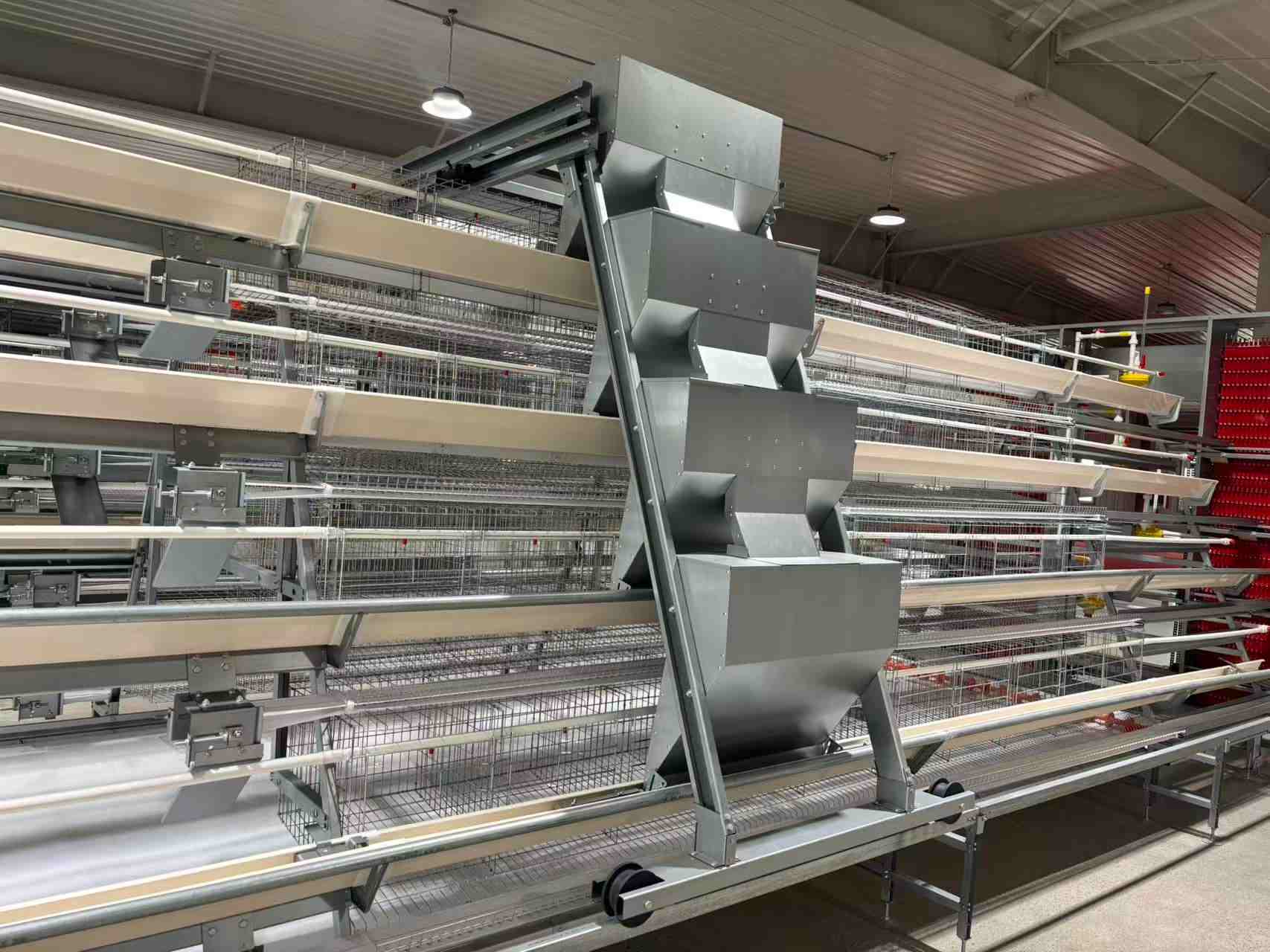
The H-type automatic layer cage system uses a vertical frame shaped like the letter H. This lets more tiers stack upward. It fits large-scale or closed poultry houses that have climate control systems in place.
The H-type layer automated cage system is a customizable solution designed to accommodate 2 to 12 tiers based on customer needs. This advanced system brings together egg collection, feeding, drinking water supply, manure cleaning, lighting, environmental control, and IoT connectivity. The H-type setup provides significantly higher bird density, more efficient space utilization, and smoother manure handling than traditional layouts. It is especially suitable for large-scale commercial farms seeking maximum productivity, labor savings, and intelligent farm management.
| Item | A-Type | H-Type |
| Capacity | Medium | Very High |
| Labor Requirement | Higher | Lower |
| Automation | Limited | Full Automation |
| ROI | Medium | High |
| Land Usage | Medium | Excellent |
Structural Design Differences Between A–Type and H–Type Systems
Frame Construction and Durability Comparison
When comparing layer cages design, A-type systems use fewer support materials but need more floor space per bird because of the slanted frame. H-type systems stay compact with strong frames that support multiple tiers in a vertical arrangement, allowing farms to maximize house capacity and improve production efficiency within the same building footprint.
All cage frames are made of corrosion-resistant 275g/m2 hot-dip galvanized plates or zinc-aluminum-magnesium-coated plates. Corrosion resistance in both types ensures long-term use even under humid conditions.
Ventilation, Lighting, and Space Utilization Factors
A-type cages depend on natural airflow between tiers. This makes them a good fit for warm or tropical regions where open ventilation helps lower heat stress on the birds. H-type cages integrate mechanical ventilation and environmental control systems to maintain uniform airflow, temperature, and humidity inside closed houses, creating a more stable production environment throughout the year. Proper lighting in both designs supports steady egg production by copying natural daylight patterns that guide laying behavior.
Which Layer Cage System Is More Cost–Effective?
Investment Costs vs Operational Efficiency
From an investment view in poultry layer cages, A-type systems start with lower setup costs but need more daily hand work for cleaning and feeding. H-type structures need more money at the start yet bring automation that lowers ongoing running costs by a clear amount.
Our system uses fully automatic solutions including feeding, watering, egg collection, manure cleaning, lighting, and environmental control, which significantly reduce labor intensity and operating costs while improving breeding efficiency and management.
Long-Term Return on Investment (ROI) Analysis
For farms aiming for expansion, intensive production, or full automation, H-type systems offer superior long-term returns. Their higher stocking density, better space utilization, and reduced labor dependence enable greater egg production per square meter and stronger overall profitability. Smaller farms can still start with A-type setups because these allow steady growth without large automation spending.
How Does Farm Size Influence the Choice Between A–Type and H–Type?
Suitability for Small to Medium Poultry Farms
Small farms often choose layer cage for chicken setups that use A-type layouts. These are simple to put in by hand without special machines. Daily care such as cleaning or refilling feed stays easy to manage at this size without complex tools.
Advantages for Large Commercial Poultry Operations
Large commercial farms benefit greatly from the H-type layout. It maximizes vertical space utilization, supports high-density production, and maintains excellent hygiene through fully automated waste management systems. Combined with intelligent environmental controls, it helps achieve consistent production performance and easier large-scale farm management.
The stacking frame has a reasonable design,a solid and reliable structure,a high stocking density,and saves investment. This makes it ideal for operations accommodating thousands of birds efficiently under controlled environments.
ZEUSYANG’s Contribution to Modern Poultry Farming Solutions
Why Choose ZEUSYANG Layer Cage Systems?
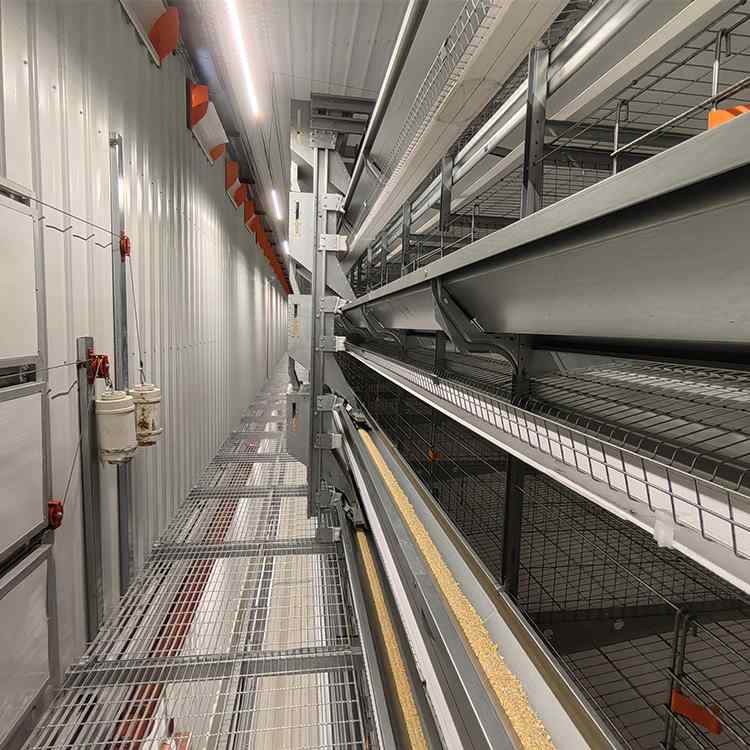
At ZEUSYANG, we specialize in providing both A-type and H-type chicken layer cages designed for durability, hygiene, and performance optimization across various climates.
We are committed to the design and development, production, and sales of livestock and poultry equipment. Our products use advanced galvanization technology, ensuring rust resistance even under continuous exposure to moisture.
We build smart environmental controls into every poultry layer cage design. This lets farmers handle temperature, humidity, feeding times, lighting cycles, and even track flock health through IoT modules in our top models.
Product Highlights from ZEUSYANG’s Portfolio
A-Type Layer Cages by ZEUSYANG
Our modular chicken layer cage plans allow flexible installation according to your farm layout needs while maintaining efficient airflow between tiers.
Manure cleaning and feeding equipment is configured according to customer requirements to achieve faster equipment installation and production. The efficient feeding troughs reduce wastage while ensuring bird comfort during meal times.
H-Type Layer Cages by ZEUSYANG
Our advanced automatic layer cage system line includes fully automated manure removal mechanisms that keep sanitary conditions optimal throughout operation.
The environmental control system has a high degree of intelligence, providing a good living environment for chickens, which can reduce the mortality rate of the flock and improve the egg production rate. The compact stacking design maximizes capacity within limited space while maintaining welfare standards aligned with modern poultry farming regulations.
FAQ
Q: Which layer cage system is better suited for tropical climates?
A: A-type cages can perform well in tropical regions because of their natural ventilation design. However, modern H-type systems equipped with ventilation and environmental control technologies can also maintain excellent air quality and temperature control while providing higher production capacity and automation benefits.
Q: Can I upgrade from an A-type to an H-type system later?
A: Yes. Many farmers begin with affordable A-type chicken layer cage setups before transitioning into advanced automated H-type structures as their operations expand or when automation becomes necessary.
Q: How long does a high-quality layer cage system last?
A: With proper maintenance using corrosion-resistant materials like those employed by ZEUSYANG—such as 275g hot-dip galvanized steel—a well-built layer cage design can last 10–15 years or more depending on usage conditions across different farm environments.