
What Makes an Effective Layer Cage Design?
Key Structural Elements of a Layer Cage
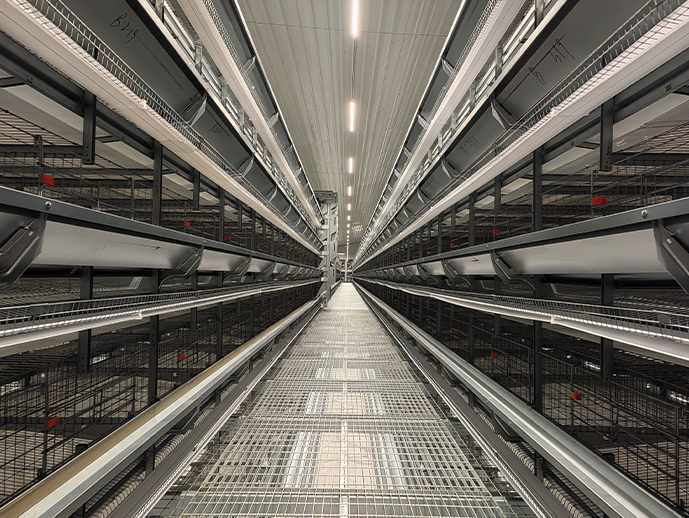
An effective chicken layer cage design begins with sturdy materials that fight rust well. These materials last a long time. The columns of the main frame use hot-dip galvanized sheets. The sheets measure 2.0mm thick and carry a 275 g coating. They stay firm once installed. The cage net comes from 275g hot-dip galvanized wire. This wire holds up against time and rust. Such materials give strong protection from rust and keep the whole setup steady. Both points matter a great deal inside any layer cage system on a poultry farm.
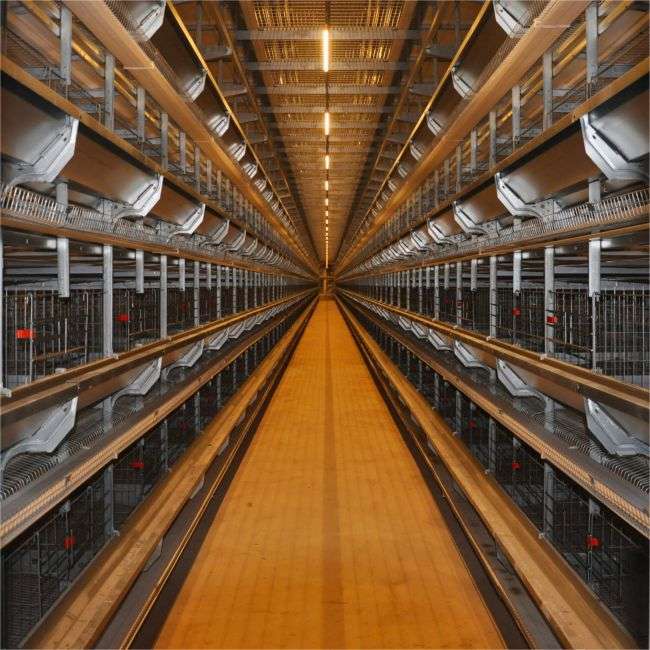
Wire spacing and wire thickness help birds stay comfortable. They also protect the eggs. A well-planned poultry layer cage design lowers the chance of injury. It lets eggs roll out safely and stay whole. The mesh on laminated chicken cages feels smooth. This stops chicken feet from cuts or infection. The gaps between wires also cut down pecking. They ease fatigue in the layers, too.
A modular approach matters when planning chicken layer cage plans. It lets the farm grow when more birds arrive. Our experts offer both H-type and A-type structure setups. You can pick the one that fits your daily work best. Modular cages make care easier. They also work well with automatic systems such as manure belts or feed lines.
How Does Ventilation Affect Layer Cage Performance?
Ventilation shapes how well any egg-layer cage design performs. Good airflow keeps temperature and moisture in check. It cuts heat stress when days turn warm. Enough space sits between each cage level. This space lets air move through the chicken cage and lowers the bird’s body heat. Good airflow also stops ammonia from building up. Birds breathe better and lay eggs of higher quality.
Designers mix natural airflow with fans or air curtains. The system can link to an Internet of Things setup. Sensors pick up room conditions. They work with a computer controller to run negative pressure fans, water curtains, wind plates, and side windows. These parts create a steady living space. Smart climate tools form a key part of modern automatic layer cage system setups.
Optimizing Space Utilization in Layer Cages
Vertical vs. Horizontal Layouts: Which is More Efficient?
Layout shapes how efficient chicken layer cage systems become. Vertical stacking uses less floor space yet keeps air moving between levels. A-type layer hen cage equipment stacks tier by tier. The ladder style not only raises space use but also leaves room for airflow. Multi-tier setups suit large farms that want high output.
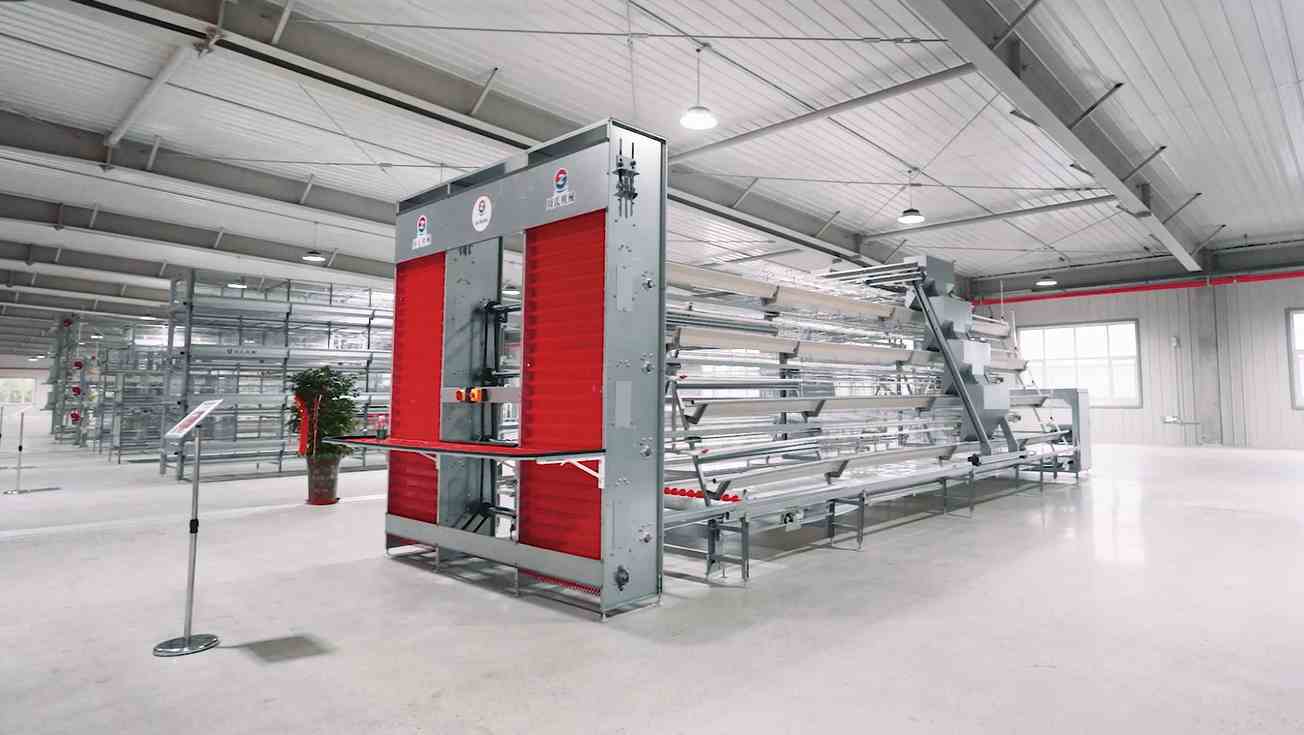
Horizontal layouts give easier reach for cleaning and egg gathering. They need more ground space, though. Farmers choose the style that matches their care routine. Compact vertical plans work for busy production. Horizontal plans suit smaller farms that prefer hands-on work.
The Importance of Feed and Water Systems in Cage Design
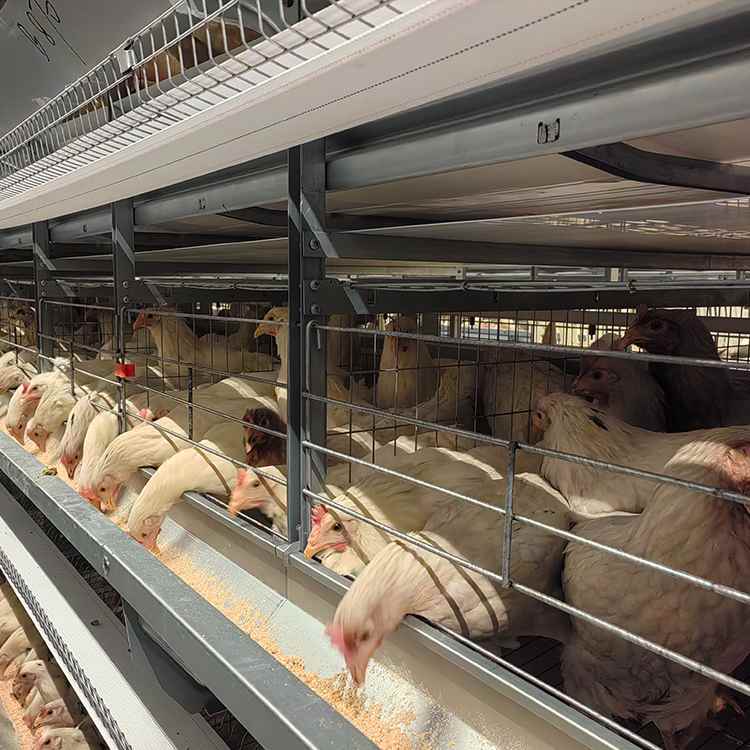
Feed and water tools shape daily work inside any poultry layer cage setup. Automatic feeders spread feed evenly across every level and cut waste. The feed trough fits together without gaps, so feed stays in place. Nipple drinkers or adjustable water lines keep water clean by stopping spills.
These tools fit inside the cage frame and let work run without upsetting the birds. Each water line moves up or down to match the height needs of birds at different growth stages and in different cages. Birds get steady feed and water throughout the automatic layer cage system.
Enhancing Bird Welfare Through Smart Design Choices
How Can Cage Design Improve Chicken Comfort?
Bird welfare sits at the center of good chicken layer cage engineering. Enough space per bird lowers stress from crowding. The usual amount runs 450–550 cm² per hen based on breed size. Smooth wire surfaces avoid cuts. Rounded edges remove sharp spots that could harm birds.
The partition nets and bottom nets on stacked chicken cages use tighter mesh. This stops feather pecking, anus pecking, and fatigue syndrome in layers. Perches or rest spots let birds follow natural habits like roosting. These features support steady health inside any well-planned chicken layer cage design.
Lighting, Temperature, and Environmental Control Features
Lighting control shapes laying cycles. LED lights give even light and use less power. The setup uses 48V LED lights that stay safe in wet conditions and spread light evenly. Insulation materials hold indoor temperatures steady when seasons shift.
Automation ties sensors to ventilation or heating units. They adjust conditions as they happen. This link forms a key part of advanced poultry layer cage design used on commercial farms around the world.
Durability, Maintenance, and Cost Efficiency Considerations
Materials That Extend Cage Lifespan
Strong materials stretch the life of the equipment and cut repair costs over time. The mesh uses 275g hot-dip galvanized wire or galvanized aluminum alloy wire. It resists rust, stays strong, keeps its spring, and lasts at least 20 years. Reinforced joints hold firm even in damp poultry houses.
Low-care designs cut labor needs. This matters when running large flocks inside a complex layer cage system, in poultry farm work where steady running affects profit.
How to Balance Cost With Quality in Layer Cage Investment?
Balancing cost and quality means looking at total ownership cost, not just the first price. Energy-saving automation lowers running costs through steady feed times and controlled room conditions.
Farmers match their spending to output targets. They pick solid structures built to last. This keeps the chosen chicken layer cage system running at a steady pace without frequent fixes or swaps.
ZEUSYANG’s Contribution to Advanced Layer Cage Solutions
Why Choose ZEUSYANG for Your Poultry Equipment Needs?
At ZEUSYANG, we focus on precise poultry equipment made for today’s farm needs. We work on the design, production, and sales of livestock and poultry tools. Our chicken layer cages use rust-resistant materials such as hot-dip galvanized steel for longer life. They also include automatic feed lines that simplify daily tasks.
We supply custom options for small farms that want to learn how to make chicken layer cages work more efficiently. We also serve large producers that need fully automatic systems joined to their current setup.
Key Features of ZEUSYANG Layer Cages That Stand Out
Our products rest on solid engineering that stresses good airflow, clean conditions, and easy growth in size. Each unit has built-in manure belts that cut odor and keep tiers clean. This stands out in our automatic layer cage system range built for steady output growth.
FAQ
Q: What is the ideal size for a layer cage per chicken?
A: A standard layer cage usually gives around 450–550 cm² per bird. The exact amount depends on breed size and welfare rules.
Q: How long do well-designed layer cages last?
A: With good care, high-quality galvanized or PVC-coated layer cages can run for 10–15 years even under heavy use.
Q: Are automatic feeding systems worth installing in layer cages?
A: Yes. Automatic feeders raise feed spread efficiency, cut waste, and keep nutrition steady across all levels. They help larger poultry farms reach better daily results through modern egg layer cage design ideas.