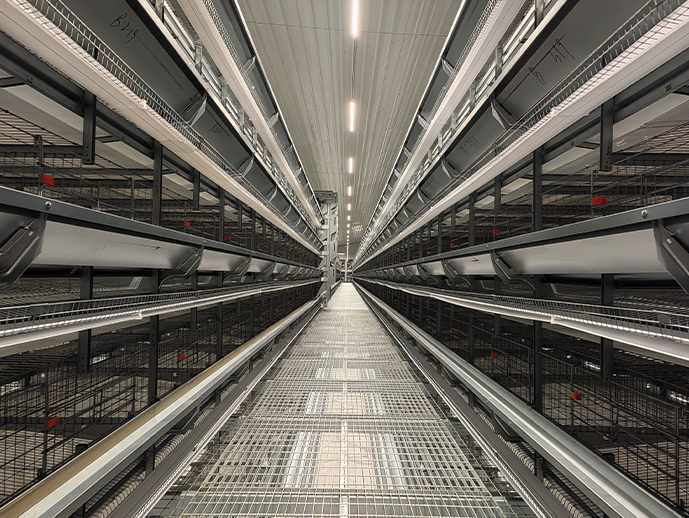

How IoT Integration Transforms Poultry Battery Cages into Intelligent Farming Systems
What Makes IoT Integration Valuable for Poultry Battery Cages?
IoT integration is changing poultry farming. It converts traditional poultry battery cages into smart systems. These systems allow real-time monitoring and automation. Farmers use connected sensors to track temperature, humidity, and feed levels all the time. This keeps good living conditions for birds. The approach based on data improves accuracy when handling the feeding system of poultry and environmental control. Automation of these tasks cuts down on manual work. It also raises operational accuracy and steady performance on the farm.
The value of IoT integration comes from the extra control it gives farmers over microclimates in poultry houses. Real-time changes to ventilation and lighting keep birds comfortable at every growth stage. IoT-enabled systems also help with predictive maintenance. This stops costly equipment failures ahead of time. The feature matters for large-scale layer chicken cage system poultry farm operations that want better efficiency.
Key Components of a Smart Poultry Cage System
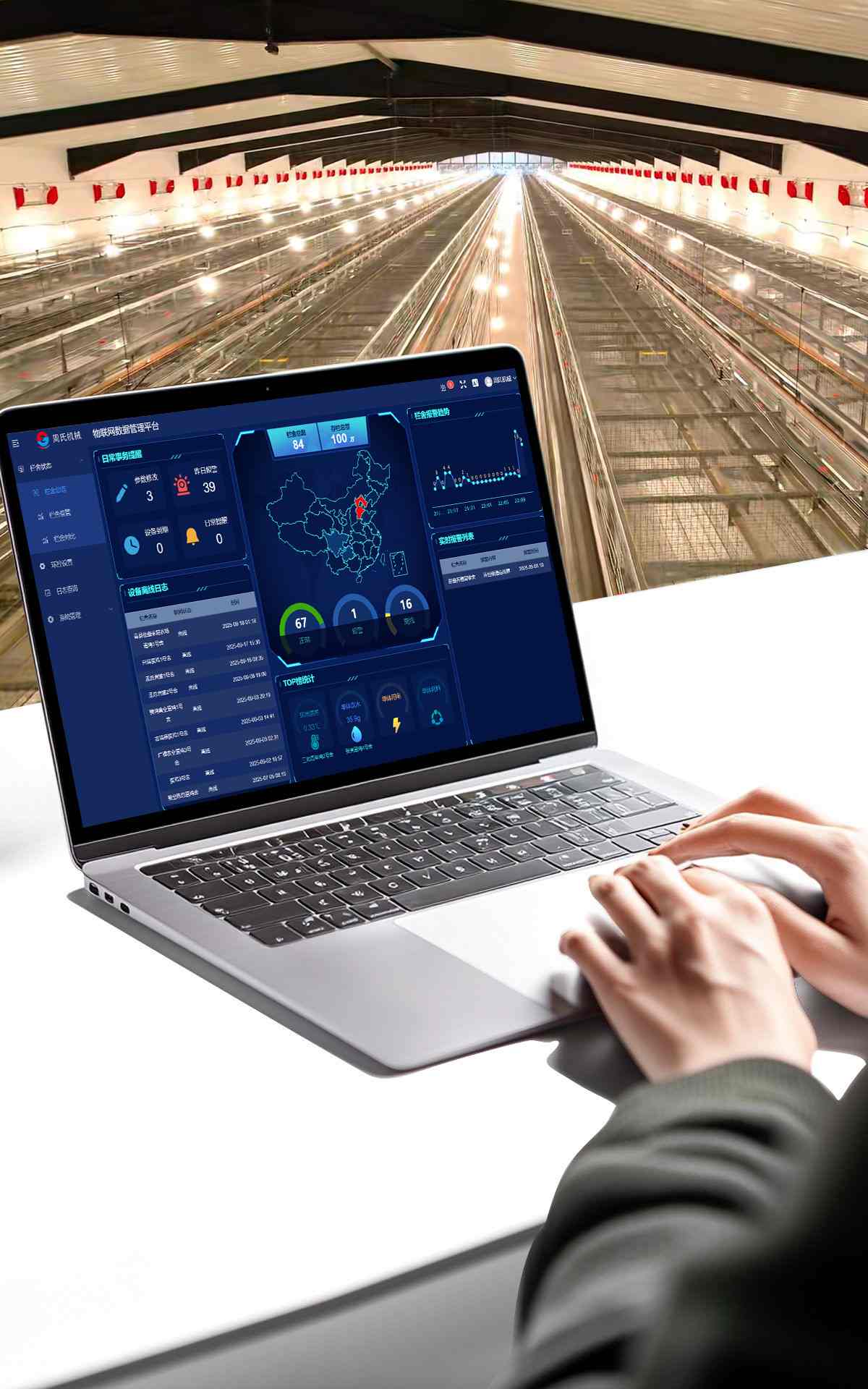
A smart poultry cage system has several linked parts. These parts boost productivity and animal welfare. Sensors form the base. They measure air quality, water supply, light intensity, and ammonia levels. The devices send data to controllers. Controllers then adjust ventilation fans or feeding schedules based on set parameters.
Cloud-based platforms let farmers check performance numbers from afar. They use mobile or desktop apps for this access. Decisions rest on solid data instead of guesswork. The environmental controller gathers details like temperature, humidity, and harmful gases in the chicken house. This combined control creates a better growth setting. It supports even bird development and cuts waste in the poultry feed system.
Data Collection and Monitoring in Smart Poultry Environments
How Do Sensors Improve Poultry Welfare?
Sensors serve as key tools for high welfare standards in modern poultry farms. Temperature sensors hold steady microclimates that support healthy growth. Humidity sensors lower the risk of respiratory diseases by keeping moisture levels even. Feed and water sensors spot shortages early. They ensure a steady supply of nutrition, which supports a sustainable battery system of poultry farming practices.
The system can include Internet of Things features to check environmental data. Farmers can manage environmental settings with precision across many cage layers. Birds face less stress as a result. This leads to higher productivity and fewer deaths.
Real-Time Alerts and Predictive Maintenance
IoT platforms send real-time alerts for issues like power outages or faulty feeders. Predictive analytics add reliability by predicting maintenance needs before breakdowns happen. Farms cut downtime through automated checks. They keep steady production cycles that help both profit and bird welfare.
Predictive systems also study past operation patterns. They improve how resources are used. Each unit in the poultry cage design runs well without wasting energy or materials.
Automation and Efficiency in Poultry Battery Cage Management
How Does Automation Streamline Daily Operations?
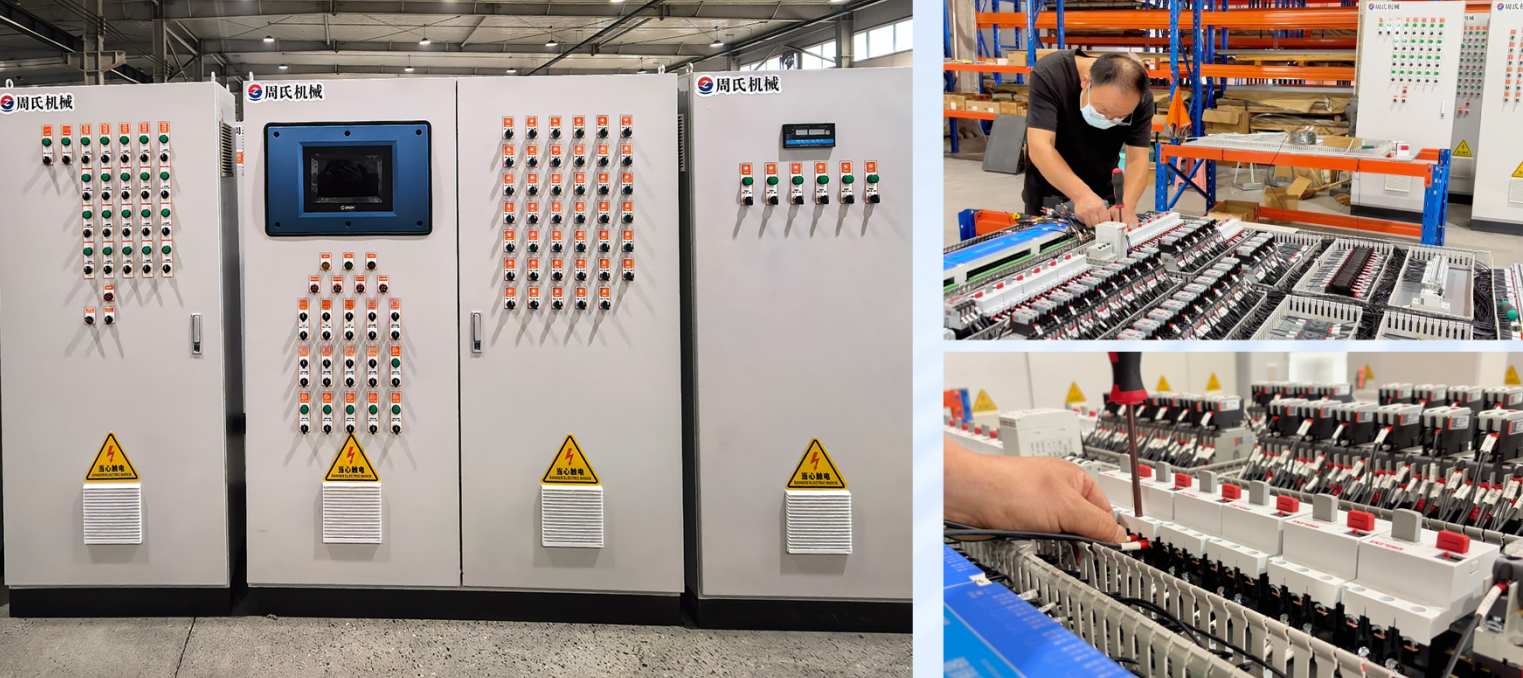
Automation turns daily tasks such as feeding, watering, and lighting control into smooth processes. Smart algorithms run these tasks. Automated feeders give exact portions based on bird weight or age groups. This removes overfeeding or underfeeding problems that appear in manual setups. Watering systems keep steady flow rates. They avoid both spills and shortages.
Lighting automation creates good lighting cycles with controlled light patterns that copy natural daylight. With chicken farming equipment with a high degree of automation, cleaning manure, feeding, and picking eggs can all be done with the touch of a button. These advances show how top automated depositing systems and poultry solutions blend ease with better performance.
Energy Efficiency Through Smart Controls
Energy efficiency stands as another clear gain from IoT integration in modern poultry farms. Smart controllers change fans, heaters, and lights based on sensor readings. This cuts electricity use while keeping birds comfortable. Data-based insights help farmers find waste fast. They apply fixes that match sustainability targets.
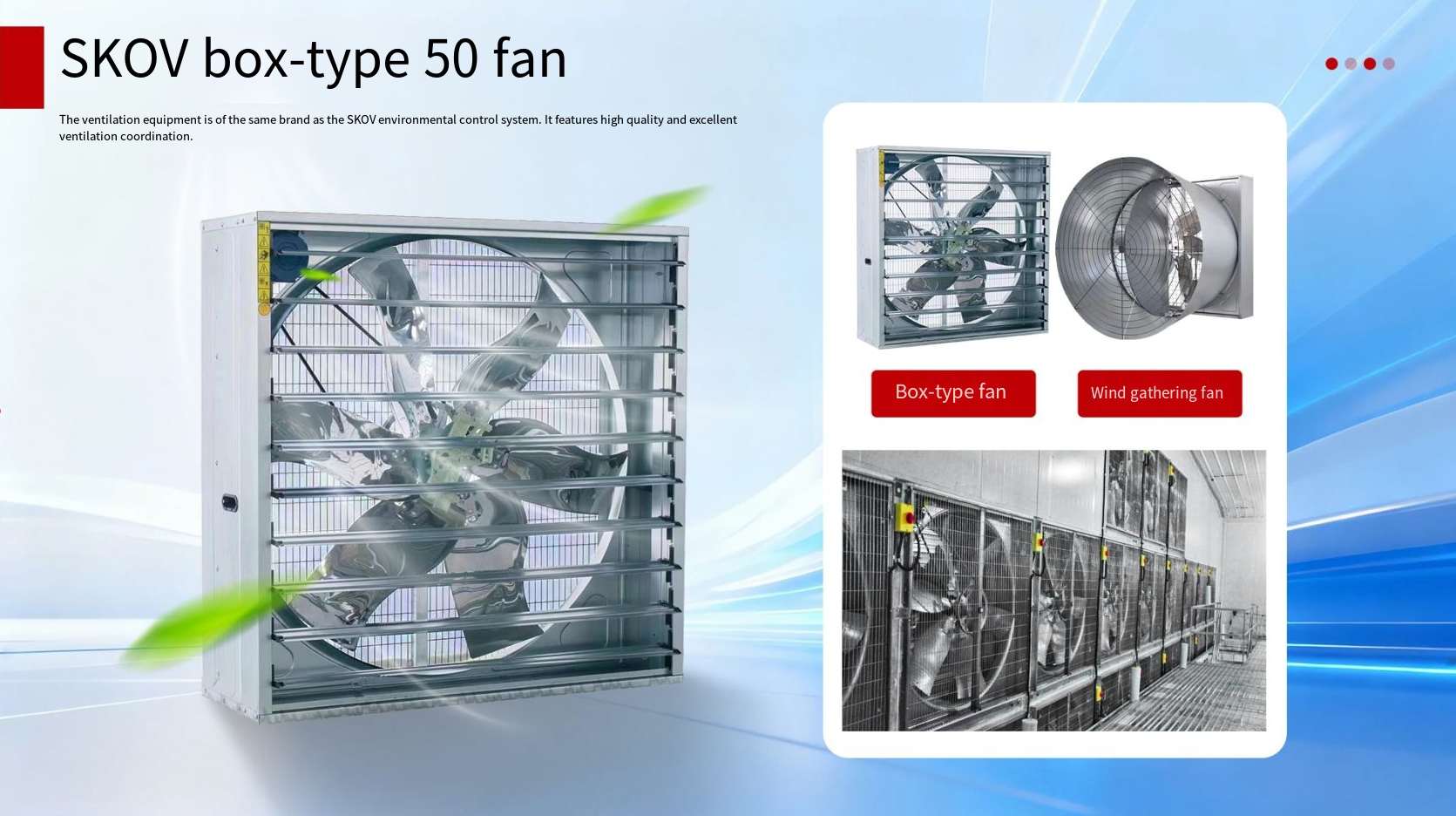
These steps lower running costs. They also help cut carbon emissions and back global moves toward greener farm methods.
Data Analytics: Turning Information into Actionable Insights
Why Is Data Analysis Crucial for Modern Poultry Farming?
Data analytics turns raw sensor inputs into useful guidance. It supports better choices in every part of production. Past data sets show patterns in egg output, growth rates, or feed conversion ratios. They help spot weak points among different cage units.
This fact-based method replaces guesswork with clear measures. It improves farm management plans over time. For example, reviewing trends from various types of feeding systems in poultry helps farmers adjust rations or light times based on actual results.
Integrating AI with IoT Systems in Poultry Cages
Artificial intelligence works with IoT tools by handling large amounts of sensor data quickly. AI models predict flock behavior trends such as feeding frequency or rest cycles. They give advice on adjusting ventilation or feed distribution. Machine learning models get better over time as they see new data sets. Each version becomes more accurate.
AI insights combined with cloud links give farms high precision in every operation. This covers resource use and animal welfare improvements.
ZEUSYANG’s Contribution to Smart Poultry Farming Solutions
What Sets ZEUSYANG’s Poultry Battery Cages Apart?
At ZEUSYANG, we focus on advanced poultry battery cages that work with modern IoT systems. Our products mix strong build with smart features to meet changing farm needs worldwide.
The cages come in assembled form for quick setup. This reduces damage to surface galvanizing and keeps the structure firm. Our cages use materials that resist corrosion. They last 15–20 years and work with automated feeding lines and real-time monitoring. We add smart features that raise both output and animal welfare at farms of many sizes, from small family units to large layer chicken cage system poultry farm setups.
Innovative Features Offered by ZEUSYANG Smart Systems
Environmental Monitoring Capabilities
Built-in sensors track temperature, humidity, ammonia levels, and light strength all the time. They help keep an ideal setting for healthy flock growth.
Automated Feeding & Watering Mechanisms
Precision dispensers supply balanced feed with little waste. This marks our advanced feeding system in poultry designs made for lasting farm results.
Cloud-Based Management Platform
Our cloud interface works on mobile devices or computers. Farmers get live numbers right away and make fast choices from any location.
Future Trends in IoT-Based Poultry Farming Systems
How Will Connectivity Shape the Future of Poultry Production?
The future of smart agriculture depends on stronger links through tools like 5G networks. These networks speed up device communication on farms. Faster links create instant feedback between sensors and central controls. This matters when handling thousands of birds under automated conditions.
Blockchain links will add better tracking across supply chains. They cover origins from hatcheries to eggs on consumer tables. This meets the demand for clear records in today’s markets. Scalable networks will bring advanced tools to smaller farms too. They offer affordable ways into smart farming setups that use next-generation battery system of poultry farming designs.
FAQ
Q: How does IoT technology benefit farmers using poultry battery cages?
A: IoT helps farmers watch environmental conditions without constant manual checks. It raises efficiency through automation. Labor costs drop while bird health stays steady through reliable control modules in each unit.
Q: Can existing poultry battery cages be upgraded with IoT features?
A: Yes. Many older setups can add sensor kits and controllers without full replacement. This creates smooth moves to smarter operations while using current assets in precision agriculture plans.
Q: Is investing in smart poultry cage systems cost-effective for small-scale farmers?
A: Initial costs may look high at first, mainly for hardware in top automated depositing systems poultry setups. Long-term gains from less feed waste, lower energy use, and higher yields make the choice practical even for farms with limited funds focused on steady progress in global agribusiness.