
What Is an Automatic Battery Cage System and How Does It Work?
The Structure and Design of a Battery Cage System in Poultry
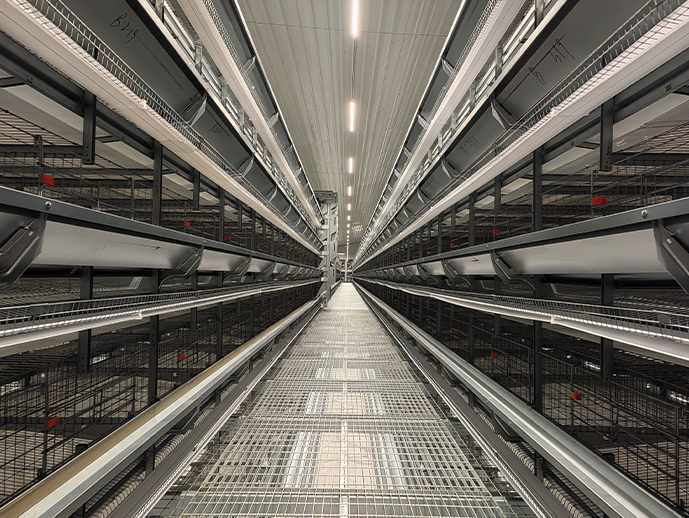
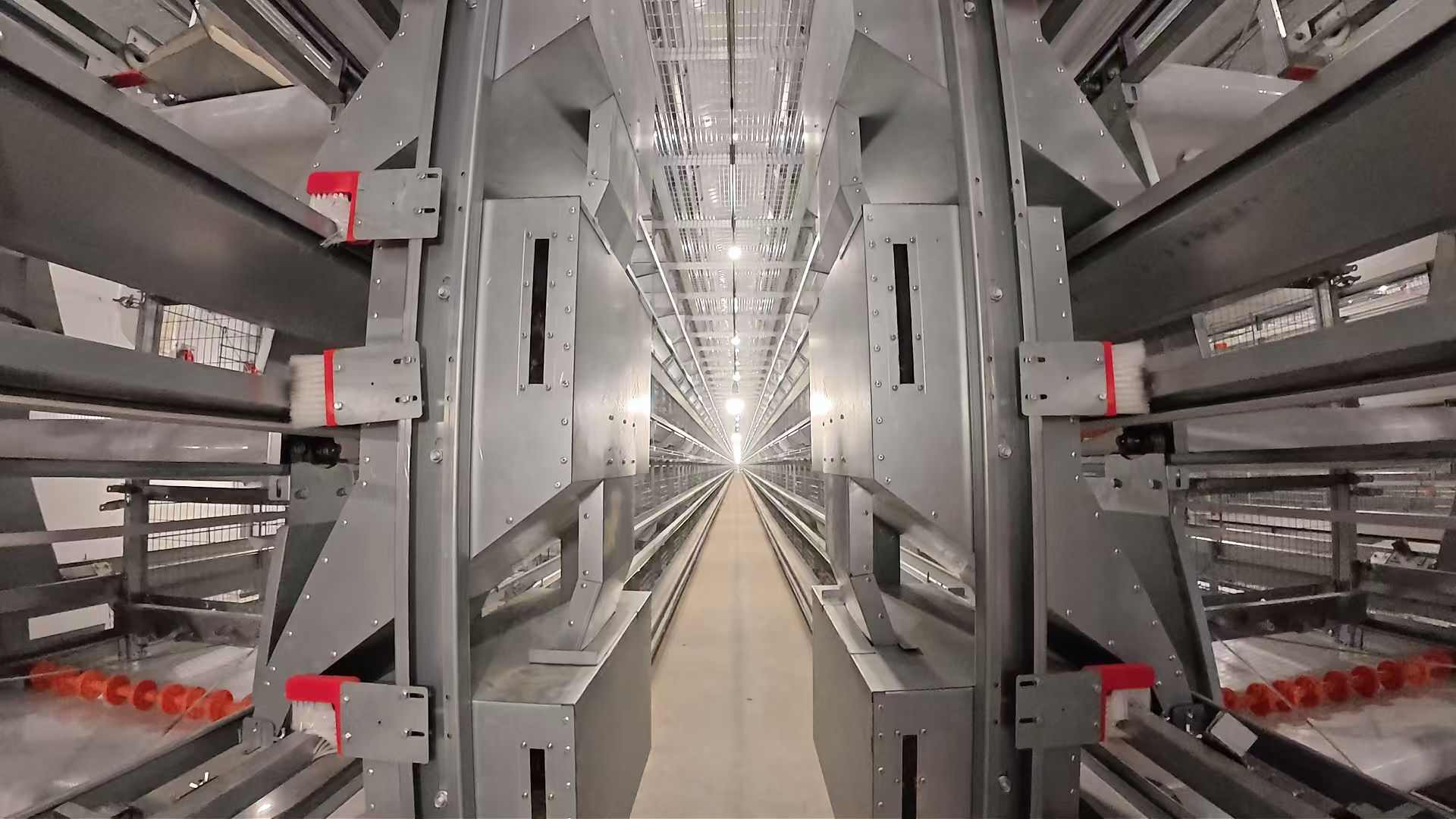
A modern automatic battery cage system in poultry farming is a housing setup that brings together good efficiency, clean conditions, and automation. It uses multi-tiered cages to keep layers or broilers in a compact way and make full use of space. These cages are built with galvanized steel that lasts long and resists rust.
All cage frames use corrosion-resistant 275g/m2 hot-dip galvanized plates or zinc-aluminum-magnesium-coated plates. This helps them stay strong even in the damp air of a poultry house.
Each battery cage system in poultry brings feeding, watering, egg collection, and waste removal together in one automated setup. The feeding trough uses zinc-aluminum-magnesium plates that give strong support. The cages have a bottom net angle between 7° and 8°. This lets eggs roll slowly onto the conveyor belt and lowers the chance of cracks. The structure also has a V-shaped water trough under the water line. It stops drips from reaching the manure belt and keeps the area cleaner.
How Automation Enhances Daily Poultry Operations
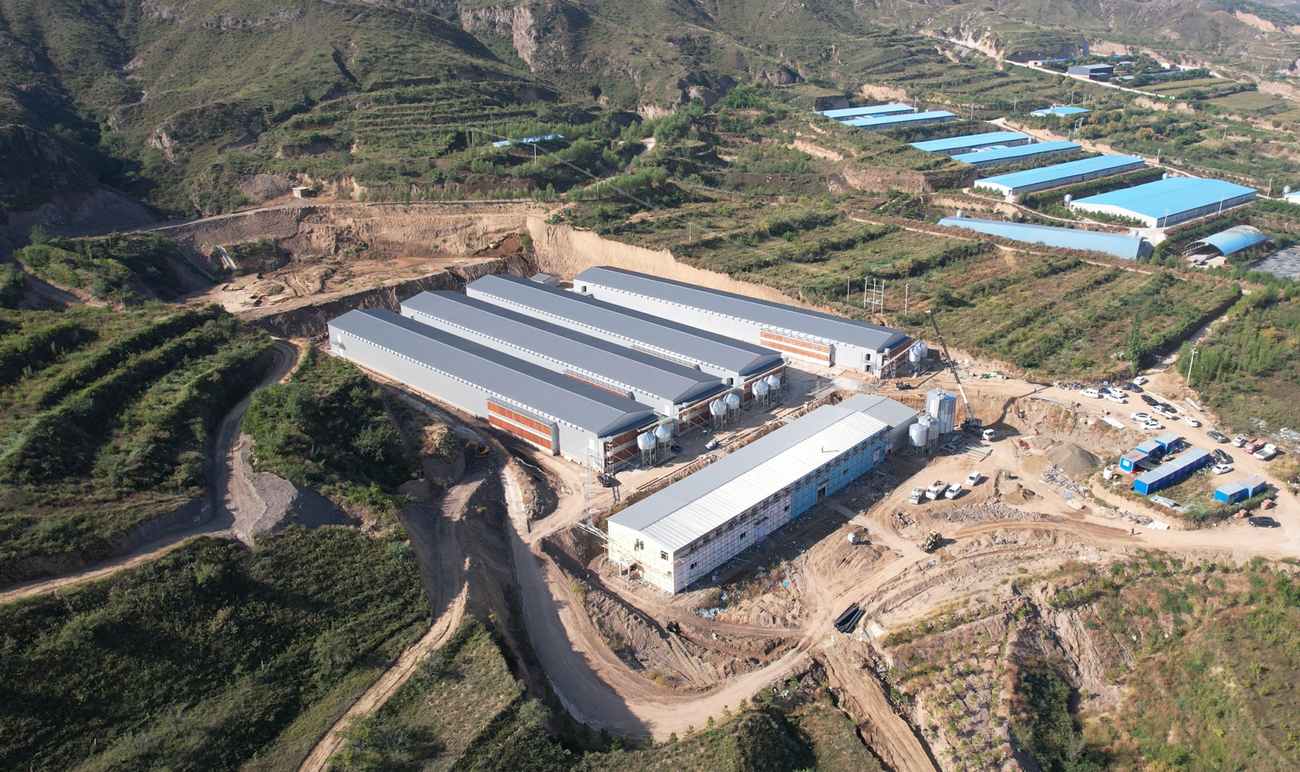
Automation changes traditional battery cage chicken farming. It brings steady and exact results in daily work. Automated feeding systems spread feed evenly across all tiers. This cuts down on waste and gives each bird enough food. The feeding system uses driving feeding. Our company has its own leveler that also feeds the birds. It lowers feed waste from blockages during the process.
Watering systems rely on PVC pipes and mechanical dosing units. They keep water levels steady for the birds and save water at the same time. The main supply of the drinking water system uses PVC40 water pipes. This ensures enough water reaches every bird. Egg collection conveyors handle eggs automatically. They cut manual work and lower breakage during collection.
How Can an Automatic Battery Cage System Double Farm Yield?
The Relationship Between Space Optimization and Productivity
A well-designed battery system of poultry farming raises output per square meter while keeping welfare standards in place. Multi-tiered setups let farmers raise more birds without crowding them. The stacking frame has a clear layout and a firm build. It allows high stocking density and lowers investment needs.
Good ventilation and lighting help birds lay more eggs. Farmers combine negative pressure fans, side windows, and deflectors. They work with an environmental controller to reach the right conditions in the house. This design keeps fresh air moving through every tier. LED lighting copies natural daylight cycles and supports a steady laying rhythm.
Disease control also affects output. Automated manure belts clear droppings on a regular basis. This cuts ammonia buildup that can harm bird health. Cleaner conditions lead to higher survival rates in the flock.
Feed Efficiency and Growth Rate Improvements
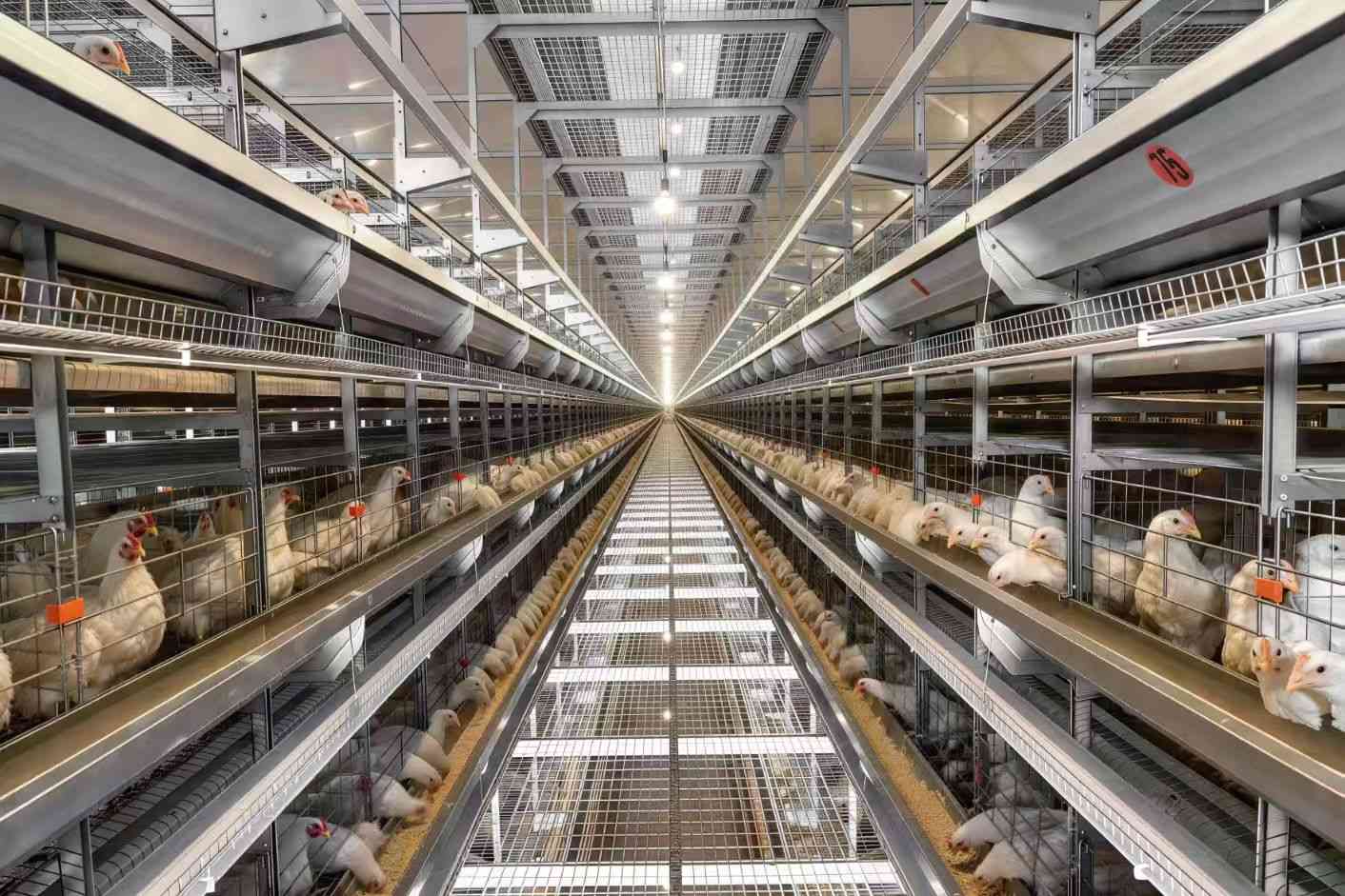
Feed efficiency has a direct effect on profit in battery cage farming. Automated feed systems give exact portions at set times. They reduce waste and keep nutrition balanced. Each row of cages has its own feeding device. The system moves back and forth and is run from a control panel for accurate feed delivery.
Birds face less competition at feeding points. This lowers stress that can slow growth. Data tools built into modern systems let farmers track feed use and change formulas based on results. The goal is the best feed conversion for meat or eggs.
What Are the Key Benefits of Using a Battery Cage System in Poultry Farming?
Enhanced Egg Quality and Collection Efficiency
An automated layer chicken cage system poultry farm raises egg quality with gentle handling. The bottom net angle of 7°-8° lets eggs roll softly onto the collection belt. This cuts breakage. Eggs on the belt stay clean because they avoid manure and dirt.
Uniform cage conditions produce eggs of similar size. This makes grading easier for sales. Less contact with bacteria during laying also improves food safety, which matters for large production sites.
Labor Reduction and Operational Cost Savings
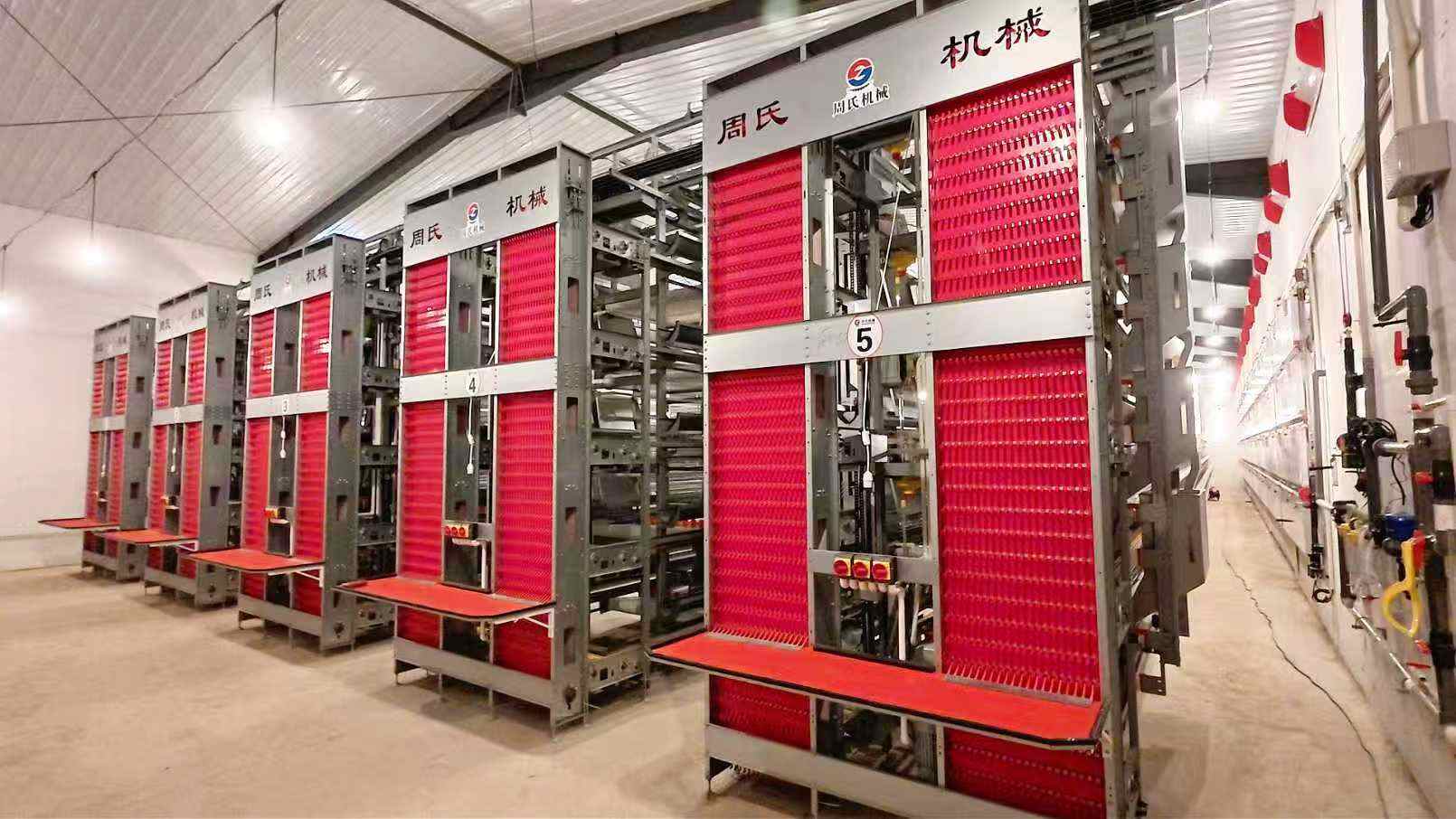
Automation lowers the need for manual work on tasks like feeding or cleaning. Our system uses full automatic solutions for feeding, watering, egg collection, manure cleaning, lighting, and environmental control. These steps cut labor effort and running costs while raising breeding results. Strong materials such as hot-dip galvanized steel keep maintenance low over the years.
With less time on routine jobs, farmers can focus on flock health or plans for growth. This opens ways to expand without adding staff costs.
How Does Automation Improve Bird Health and Welfare?
Maintaining Hygiene Through Waste Management Systems
Cleanliness has a direct impact on bird welfare in battery cage system poultry farming setups. Automated manure belts move droppings out of cages on a regular schedule. This keeps conditions clean inside the house. The manure cleaning system uses materials that resist corrosion and has a practical design to keep the manure belt clean.
Fast waste removal lowers ammonia levels and improves air quality. Better air helps cut respiratory illness in chickens and makes sanitation routines simpler for biosecurity.
Preventing Stress Through Environmental Control Systems
Environmental control helps keep birds comfortable across all tiers in battery system poultry farming work. Smart controllers adjust temperature with fans, cooling pads, or heaters based on outside weather. Lighting programs copy natural day and night cycles to support steady laying.
The environmental control system runs with high intelligence. It gives chickens a stable living space that lowers death rates and raises egg output. Less crowding stress also builds stronger immunity, so birds stay productive through several cycles.
ZEUSYANG: Innovating the Future of Poultry Automation Systems
Overview of ZEUSYANG’s Battery Cage Solutions
At ZEUSYANG, we focus on advanced poultry battery cages that work with modern IoT systems. Our products mix strong build with smart features to meet changing farm needs worldwide. We are committed to the design and development, production, and sales of livestock and poultry equipment.
Why Choose ZEUSYANG for Your Poultry Farm Expansion?
We provide layouts that fit any farm size, from small startups to large operations. Each layout adapts well to local weather. Every product uses corrosion-resistant materials for long life and low upkeep.
Our technical support covers installation help, training for operators, troubleshooting, and ongoing after-sales service. This keeps operations running well throughout the life of your investment in automated broiler cage equipment or layer systems.
FAQ
Q: Are automatic battery cage systems suitable for small poultry farms?
A: Yes. Modern designs can scale to match flock size. They work well even for smaller farms that want better efficiency through automation.
Q: How long does it take to recover the investment in a battery cage system?
A: Most farms recover costs within one or two production cycles. Savings come from lower labor needs and higher output from better space use.
Q: Do battery cage systems affect chicken welfare?
A: When managed with smart controls like those in ZEUSYANG’s solutions, these systems improve welfare. Birds get steady access to clean water, balanced feed from automated systems, controlled temperatures, and low-stress lighting. All these factors support healthy growth from the brooding stage through full maturity in modern battery cage farming operations.