
What Makes Automatic Poultry Feeders a Game Changer in Chicken Farming?
How Do Automatic Poultry Feeders Work?
Automatic poultry feeders aim to make feeding easier and more effective for chicken farmers. These devices usually rely on sensors and timers. They control how feed is released. Food gets provided at set times during the day. This removes the need for constant watching. It also ensures birds get their meals on a regular basis.
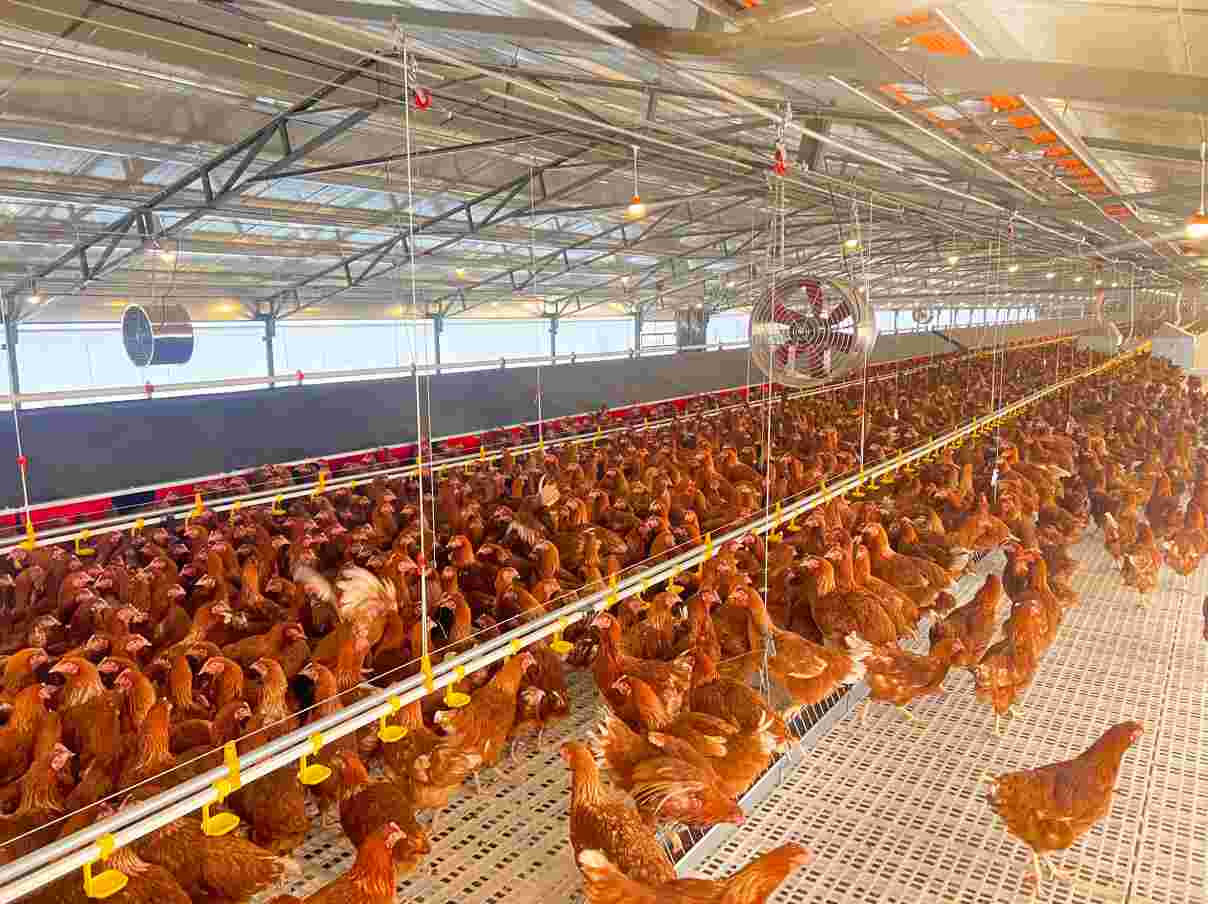
Automated feed systems spread food out fairly and dependably. They help your group of chickens develop evenly. Birds no longer battle over getting to the food. Instead, feed reaches all feeding spots without issues. This cuts down on rivalry a lot. Certain setups let you tweak the amount of feed. You can adjust it for the age of the birds or their growth phase. No matter if you are growing young chicks or egg-laying hens, these feeders can be set to fit your group’s precise requirements.
Why Are Farmers Switching to Automatic Feeding Systems?
The move to automatic poultry feeders comes from a rising demand for better efficiency, reliability and lower expenses. Hand-feeding often causes too much or too little food. It leads to uneven nutrition. Plus, it creates stress that wastes feed. Automatic systems offer exact portion sizes. As a result, spillage and waste drop sharply.
Hand-feeding gets tougher as your operation grows. A larger number of birds means more work, time and mistakes. Automated setups let you expand without needing extra staff in the same way. This lowers running costs. It also boosts your chickens’ health by giving them steady and prompt access to meals.
Key Benefits of Using an Automatic Poultry Feeder
Does It Really Save Time and Money?
Yes, it does. Farmers quickly see a big drop in time spent on daily feeding tasks after adopting automatic poultry feeders. Hiring dependable workers is a major worry for chicken farmers these days. These systems cut down on the need for people to handle feed distribution. So, costs go down while output goes up.
Feed waste falls a great deal too. Scattered feed draws bugs, rats and wild birds. That raises chances of illness and medical bills. Automated devices release just the right amounts straight into neat trays or channels. This keeps spoilage low. It also improves how well feed turns into growth.
How Do Automatic Feeders Improve Chicken Health and Productivity?
A steady feeding routine is vital for even growth in birds. Automatic poultry feeders provide meals at the same hours every day. This lowers tension and supports consistent progress. These systems limit how much feed touches dirt like waste or bugs. Therefore, the risk of sickness decreases.
Clean designs matter a lot as well. Many automatic poultry feeders use materials that avoid grime buildup. They are simple to wash too. This stops diseases from spreading through the group. Chickens gain from less fighting at meal times. As a result, there is less aggression and fewer hurts.
Installation and Maintenance: Is It Complicated?
What Should You Know Before Installing an Automatic Feeder?
Before setting up, place your feeder where every bird can reach it without trouble. This could be inside a henhouse or in a covered outdoor spot. Think about power too. Sensor-driven or timed models need steady electricity or batteries. Make sure your farm can support that.
Pick a feeder size that fits your group’s demands. Units that are too big or too small might need constant refills. Or they could cause crowding at feeding times.
How Easy Is It to Maintain These Feeders?
Most current automatic poultry feeders focus on ease of use. They feature flat surfaces and little grime collection. Parts are straightforward to clean. Everyday upkeep often means topping up the feed container. You might also need to wash the unit now and then. This prevents mold or germs from forming.
Do regular inspections to check that sensors, motors or timers work right. Top feeders use strong materials. They hold up well against daily wear. This makes them last longer.
ZEUSYANG’s Role in Modern Poultry Feeding Solutions
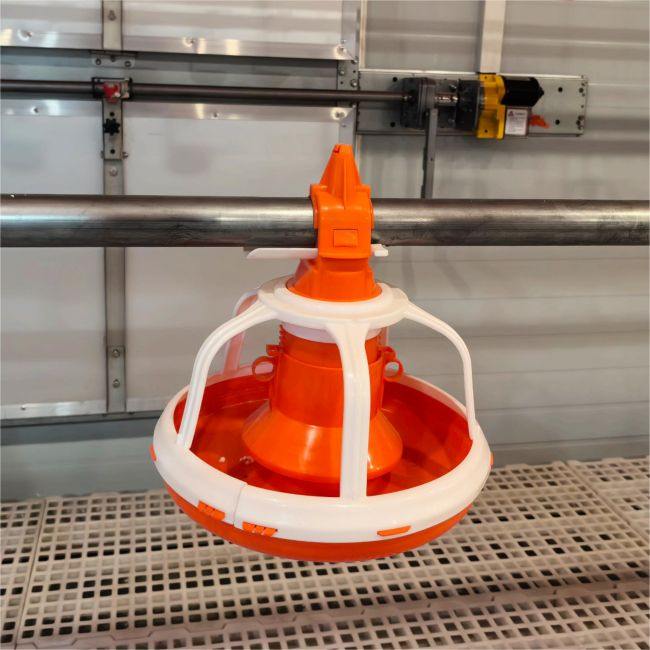
What Makes ZEUSYANG’s Automatic Plastic Feeding Trays Stand Out?
At ZEUSYANG, we create our automatic plastic feeding trays for toughness and practicality. They use strong, food-safe plastic. This material cleans easily and endures well. Our trays are light for shifting around the coop. Yet they are solid enough for everyday handling. This works for small home flocks or big business operations.
No matter the size of your flock, from a handful to thousands of birds, our feeders ensure reliable access to fresh food. They also cut down on waste.
Why Are ZEUSYANG Products a Smart Choice for Chicken Farmers?
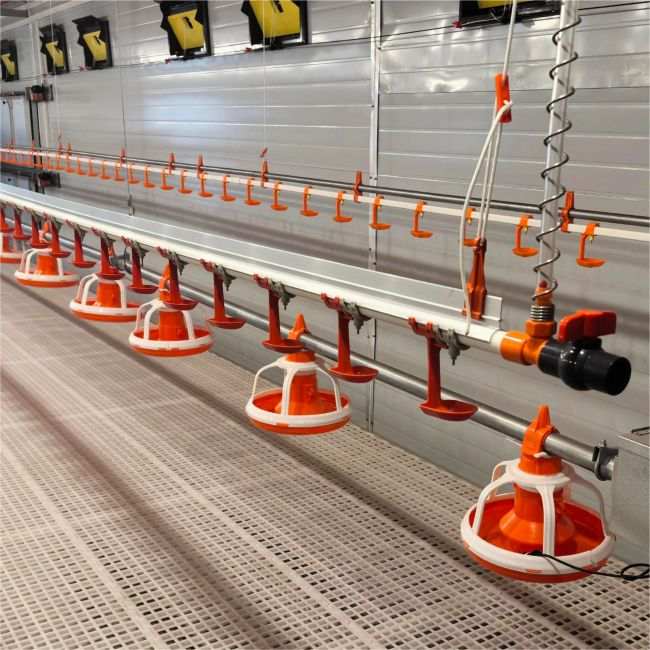
Our items focus on straightforwardness and productivity. The trays spread feed evenly. This reduces waste and problems from pecking order. Upkeep stays low because of the simple shape. Just add feed, clean when required and keep going.
Hebei Zeus Machinery Manufacturing Co., Ltd. has been committed to the R&D and manufacturing of modern livestock and poultry breeding equipment since its establishment. We integrate R&D, design, manufacturing, installation and after-sales service—ensuring you get not just a product but a full solution tailored to your farm’s needs.
Customized solutions such as the feeding system and the steel structure design of the poultry house can meet the different needs of customers.
FAQ
Q: Can I use an automatic feeder for free-range chickens?
A: Yes! Many automatic poultry feeders work well in free-range areas. Just put them in a spot shielded from rain and pests. Ensure all chickens can locate and use the feeder easily.
Q: Will my chickens know how to use automatic poultry feeders right away?
A: Chickens learn fast when food is involved. Most adapt in just a couple of days. They link the new feeder to eating time. Some models look like old-style troughs. This helps the switch go smoother.
Q: Do I need electricity to operate automatic poultry feeders?
A: Not necessarily. Certain automatic poultry feeders use gravity or hand triggers. They run without power. Others require electricity or batteries. Select what suits your farm’s setup best.
Q: Are automatic poultry feeders worth the investment for large farms?
A: Yes! They reduce labor costs, improve feed efficiency and support scalable operations—making them ideal for both small and large farms.
Q: How often do I need to refill an automatic poultry feeder?
A: That depends on the feeder’s size and your flock’s consumption rate—some only need refilling every few days.
Q: Can automatic poultry feeders help reduce food waste?
A: Absolutely! They dispense controlled portions at scheduled times, which prevents overfeeding and spillage commonly seen with manual methods.
Q: Are ZEUSYANG automatic plastic feeding trays suitable for commercial operations?
A: Definitely. Our products are designed for durability and performance across various scales—from backyard setups to full-scale commercial farms.
Q: Can I get custom feeding solutions from ZEUSYANG?
A: Yes! We provide digital intelligent program planning, hardware and software equipment installation, environmental ventilation planning and implementation—all tailored to your specific farming needs.