
Chicken Respiratory Diseases on Large-Scale Farms
What Are the Common Respiratory Diseases in Chickens?
Breathing issues in chickens pose a major problem, particularly in big commercial setups. Some of the usual sicknesses include Infectious Bronchitis, Mycoplasma gallisepticum and Newcastle Disease. These troubles typically cause signs like coughing, sneezing, nasal discharge, difficult or open-mouth breathing. In serious instances, they lead to death.
The root reasons behind these illnesses involve viral, bacterial or surrounding elements. Viruses such as those from Infectious Bronchitis and Newcastle Disease travel fast. They demand quick biosecurity steps. Bacterial cases, like the ones from Mycoplasma gallisepticum, tend to show lasting signs. These might need antibiotic treatment. Surrounding factors cover weak ventilation, ammonia accumulation and high humidity. Such settings leave birds more open to follow-up infections.
Breathing infections in broilers can stem from various sources. Typical germs that cause these infections include bacteria, viruses and fungi. These grow well in chilly and damp settings.
Why Are Respiratory Diseases a Big Concern in Large-Scale Chicken Farms?
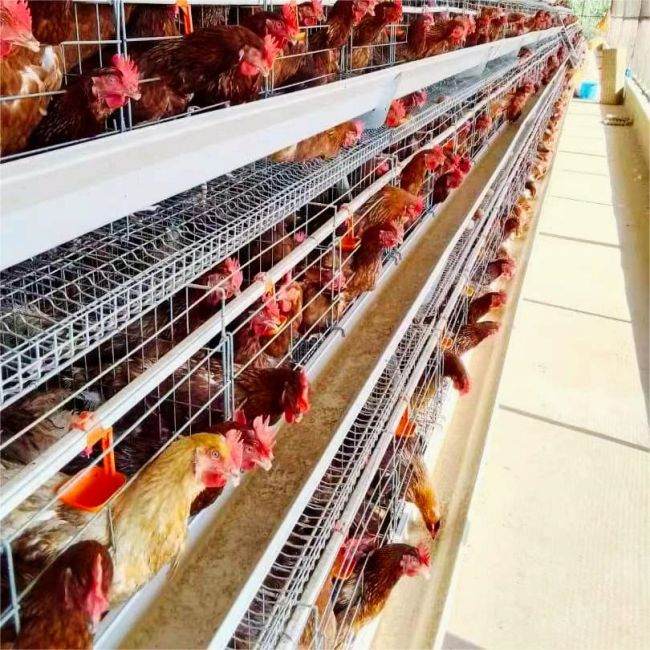
In vast poultry facilities that shelter thousands of birds in a single building, breathing diseases can spread swiftly because of crowded stocking. The incidence rate is high. There are tens of thousands of chickens in a chicken coop and the incidence rate is high. Crowding brings stress as well. This weakens the immune system. As a result, chickens become more open to infections.
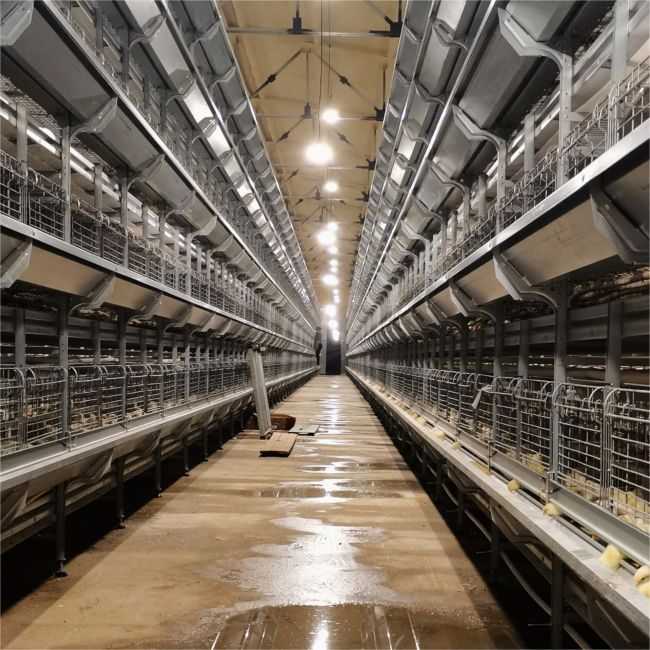
On top of that, bad air movement and ventilation problems occur often in closely sealed poultry buildings. Many poultry houses shut tight during winter to hold heat. However, this leads to weak airflow. In turn, it causes harmful gases like ammonia and carbon dioxide to build up. These gases bother the breathing paths. They also form a perfect setting for germs to flourish.
Identifying Risks and Early Warning Signs
How Do You Spot If Your Chickens Are Coming Down Sick?
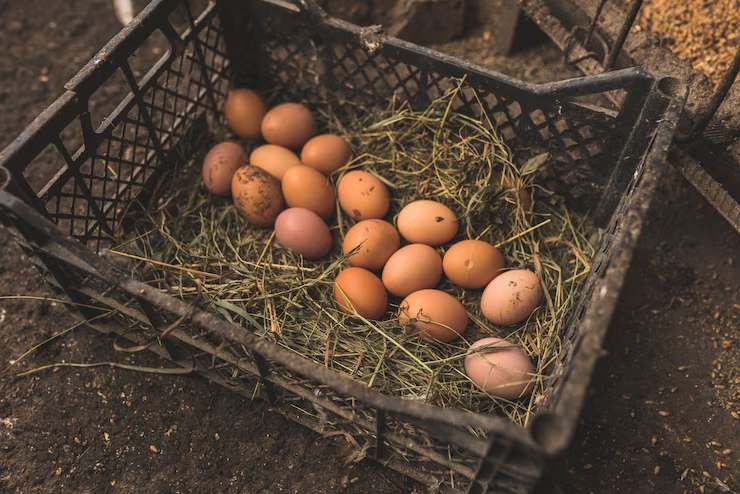
Catching issues soon matters a lot for handling bursts of breathing problems. Chickens might act different, like picking at less food or just seeming draggy. Keep an ear out for noise hints, say wheezing, hacks, or rattly sounds when they breathe. A quick fall in egg output or irregular growth in the group can signal trouble too.
You can spot infections before they spread widely by checking your birds regularly for signs like coughing, sneezing, nasal discharge or lethargy.
What Environmental Factors Increase the Risk of Respiratory Disease?
Poor Ventilation and Ammonia Build-Up
A key risk element is insufficient ventilation. Without good airflow, ammonia from waste increases. It starts to irritate the breathing paths of the chickens.
Old, contaminated air sets up a great place for breathing germs to grow. Ammonia from litter and dampness worsens breathing troubles too.
Temperature Fluctuations and Humidity Issues
Sharp shifts in temperature, like cold drafts or too much warmth, put pressure on chickens. This lowers their immune strength. Cold stress can weaken the immune system of the birds. That makes them more likely to get respiratory diseases. High humidity also aids mold and bacteria to develop. This adds to breathing difficulties.
Effective Control Strategies for Healthier Flocks
How Can You Improve Air Quality in Poultry Houses?
Using ZEUSYANG’s Chicken Coop Farm Push-Pull Fan System
To keep steady airflow and cut down on heat pressure, we created a push-pull fan system made just for large-scale poultry farms. Use a combination of negative pressure fans, cooling water curtains, side windows and deflectors. Cooperate with the environmental controller to reach the best conditions for the chicken house surroundings.
This system clears old air effectively. At the same time, it maintains even temperatures.
Benefits of ZEUSYANG’s Poultry Water Curtain Room Cooling Pad
Our water curtain cooling pads work well for handling hot weather. They adjust temperature and humidity in a natural manner. No heavy mechanical cooling is required.
What Role Does Stacked Cage Design Play in Disease Prevention?
Advantages of ZEUSYANG Stacked Chicken Cages
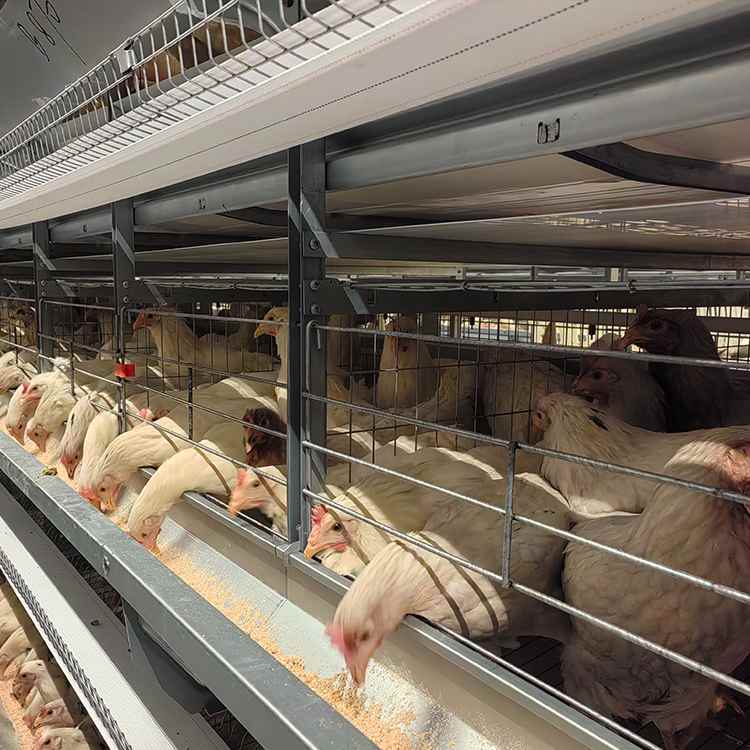
Our stacked chicken cages aim to make the most of space while cutting down on direct contact among birds. Can be stacked in multiple layers. Save floor space and use space more efficiently. Under the existing area, the breeding volume is more. This arrangement reduces chances of germ transfer between groups. It also provides simple access for cleaning.
Importance of Automatic Manure Belts by ZEUSYANG
We employ automatic manure belts that clear waste from each level every day. Through the diligent host, the feces under each layer of cages are uniformly transported to the outdoors. It can be done once a day to reduce indoor air pollution caused by feces, save manpower and is easy to operate. This boosts cleanliness. It also restricts ammonia accumulation, one of the primary factors in chicken respiratory disease.
Why Is Environmental Monitoring So Important?
How ZEUSYANG’s Environmental Controller Helps Farmers Stay Ahead of Disease Risks
Our smart environmental controllers keep monitoring essential factors like temperature, humidity, CO₂ and ammonia levels within poultry houses. The environmental controller is used to collect and control the ventilation system. Through automatic system control, the chicken house can achieve a reasonable and good breeding environment. If any value moves beyond the safe range, farmers get instant alerts. This allows them to make quick fixes.
Practical Tips for Day-to-Day Management
What Should Be Part of a Daily Health Check Routine?
Begin every morning by watching your flock’s actions and checking for odd breathing noises. Compare feed use and water drinking to normal amounts. Look over litter to confirm it stays dry and mold-free. A wet setting warns of bad ventilation or too much humidity.
How Can Biosecurity Measures Keep Diseases Out?
Key Biosecurity Practices to Follow:
- Restrict visitor access to poultry areas.
- Require disinfection of equipment and footwear before entry.
- Quarantine new birds before introducing them into existing flocks.
To stop breathing infections in broilers, restrict entry to the poultry house. Make sure workers and visitors stick to strict hygiene rules.

FAQ
Q: What is the fastest way to tell if my chickens have a respiratory infection?
A: Look for signs like sneezing, nasal discharge, open-mouth breathing or unusual sounds when they breathe. Also monitor their energy levels and appetite.
Q: Can poor ventilation really cause respiratory disease in chickens?
A: Yes. Poor airflow leads to high ammonia levels which irritate the lungs. It also creates a humid environment that promotes bacteria growth. Controlled ventilation systems, including exhaust fans, can help maintain a balance between warmth and fresh air circulation.
Q: How do stacked chicken cages help prevent disease spread?
A: By separating birds vertically, stacked cages reduce physical contact between groups. Our stacked chicken cage provides a wide feeding space, allowing the chickens to grow evenly. Our design also makes it easier to clean waste effectively—reducing contamination risks significantly.