
How to Improve Egg Production Efficiency in a Layer Cage System
What Factors Influence Egg Production in Cage Systems?
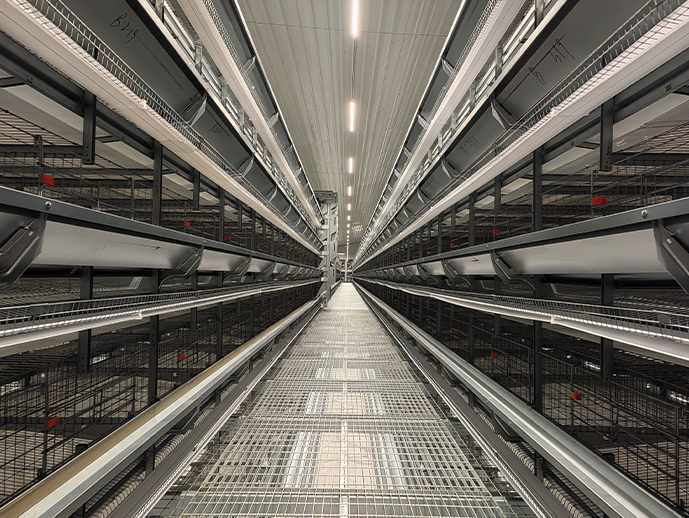
The success of a layer cage system relies a lot on the chicken layer cage design and careful environmental handling. The layout and dimensions of cages greatly affect bird ease, activity, and laying rate. A smart poultry layer cage design gives each hen enough room for eating. This cuts down on tension and boosts even egg output.
Heat levels, moisture, and light hours stand out as main environmental elements that shape the breeding process. Keeping a steady small-scale climate guarantees reliable results all year. Feed makeup and water purity matter a great deal too. Hens need well-rounded meals with top-notch proteins, calcium, and vitamins to keep up their laying strength.
The stacked laying hen cage setup layers one on top of the other for simple oversight. The whole setup uses hot-dip galvanized material. Each layer of cages has enough gap to allow good airflow. This helps lower the heat from the chickens themselves. Such a build creates a clean setting that cuts disease chances. At the same time, it raises comfort levels needed for strong output.
Tip 1: Optimizing Feeding Strategies for Layer Cages
How Can Nutrition Affect Egg Quantity and Quality?
Food choices decide a big part of egg numbers and shell strength in an egg layer cage design. Meals packed with protein build firm yolks. Calcium, on the other hand, makes shells tough. Set feeding times to keep body rhythms steady. This supports regular laying patterns.
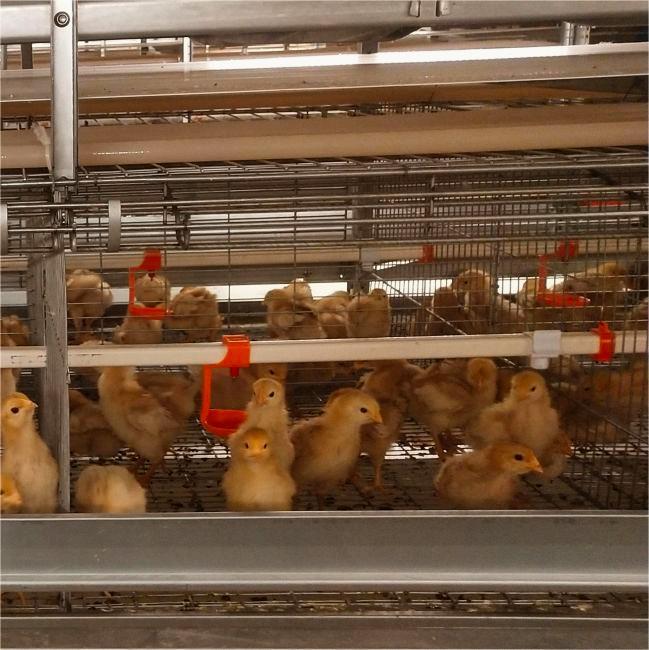
Feeding happens evenly, with little sound, and saves power. It is tough and lasts long. The feeder has wheels that roll. These cut rubbing between the feeder and trough. Plus, they make the feeder last longer. All this means less feed loss. It also upholds clean rules vital for good egg making.
Practical Feeding Tips for Cage Systems
Auto feeders work best to spread food evenly in all cages for big farms. Wipe feed troughs often to stop mold or dirt that might hurt bird wellness. Watch feed use ratios (FCR) to spot weak spots in meal plans. This is a smart step when fine-tuning commercial poultry layer cage design.
The feed trough fits right in without gaps. This stops feed from spilling. It cuts costs and keeps things clean inside cages.
Tip 2: Enhancing Lighting and Environmental Conditions in Layer Houses
Why Is Lighting Duration Crucial for Layers?
Light plans control hens’ breeding hormones that trigger egg release. Giving 14–16 hours of light each day in busy times pushes steady laying habits. Slow shifts from dark to light avoid tension that drops output.
LED lights give even glow with less power use than old bulb types. They suit green chicken egg layer cage design setups well.
Maintaining an Ideal Environment Inside the Poultry House
Temperature Control Techniques
Holding room heat between 18–27°C keeps birds comfy. It avoids hot stress or cold slowdowns. Use chill pads or fans in hot seasons to maintain steady conditions.
Air Quality Management
Airflow setups need to clear ammonia from waste nonstop. They also bring in new air over every cage level. Sensors gather data on heat, moisture, and bad gases in the hen house. An auto controller makes changes based on live info. This tunes living spots in big houses.
Tip 3: Improving Cage Design and Maintenance Practices
How Does Cage Design Impact Layer Comfort?
Layer cage design shapes both care and output results. Stacked setups make the most of height space. They also allow easy reach for meals or cleanup. Smooth corners cut hurt risks for birds. This is a key point in planning efficient chicken layer cage plans.
The base net sits on tight steel wires with good stretch. That stretch brings comfort. It lowers foot pain seen in stiff wire types.
Maintenance Routines for Long-Term Efficiency
Cleaning Schedules and Waste Removal
Set cleaning times should cover weekly waste clearing. Follow with full germ-kill after each laying round to stop germ growth.
Equipment Inspection and Repair Tips
Check feeders, waterers, wire grids, and belts often. This stops breakdowns that might halt work or hurt bird care.
Built type allows quick and simple setup. It cuts harm to coated surfaces. The build is solid and firm. This strength backs long use in hard farm settings.
Tip 4: Integrating Automation and Monitoring Systems in Modern Poultry Farming
What Are the Benefits of Automation in Layer Cage Operations?
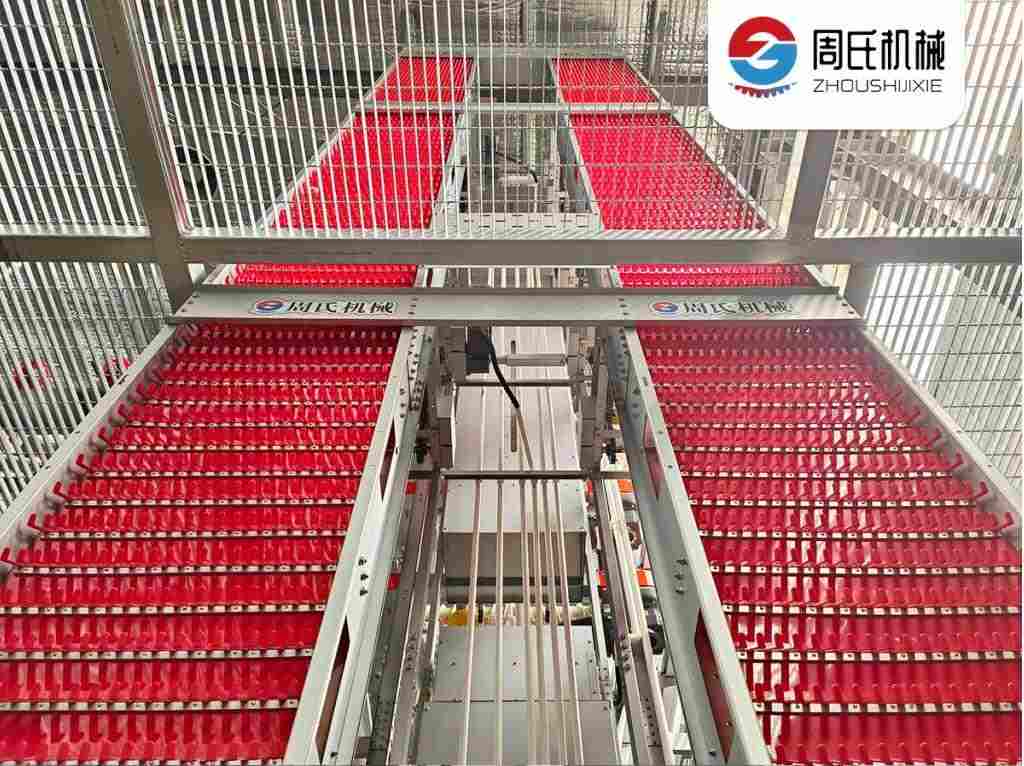
Auto tools raise output by cutting hand work needs. They also sharpen control in a chicken layer cage system. Egg collecting machine cuts breaks a lot versus hand methods.
Smart watch tech follows feed eaten, water used, heat changes, and moisture nonstop. Farmers can tweak things fast when needed.
It can link to Internet of Things setups to sense surroundings. Tying into IoT lets for far-off checks via phones or PCs. These perks shine in today’s hen farms.
Data-Based Decision Making for Consistent Output
Info from auto setups aids forecasts from past trends. Things like yearly shifts or group age changes come into play. Tweaking meal times or light plans based on this keeps output even over time.
ZEUSYANG’s Advanced Solutions for Layer Cage Systems
Why Choose ZEUSYANG Products for Your Poultry Farm?
At ZEUSYANG, we focus on making tough cage setups for packed hen farms. We do this without cutting on animal care or safety rules. Our items use rust-proof stuff that promises long life in tough farm spots.
ZEUSYANG works on planning, building, and selling farm animal gear. We add auto features for far-off checks of main output measures like heat handling or meal work. This lifts whole farm oversight.
Key Features of ZEUSYANG Layer Cages
Structural Design Advantages
Our piece-by-piece build eases setup steps. It also allows easy growth as bird groups expand. This fits the growing business ways for farms of all sizes.
Top rust fight and long life span 15 – 20 years. This toughness brings value by cutting swap needs over long runs.
Productivity Enhancement Features
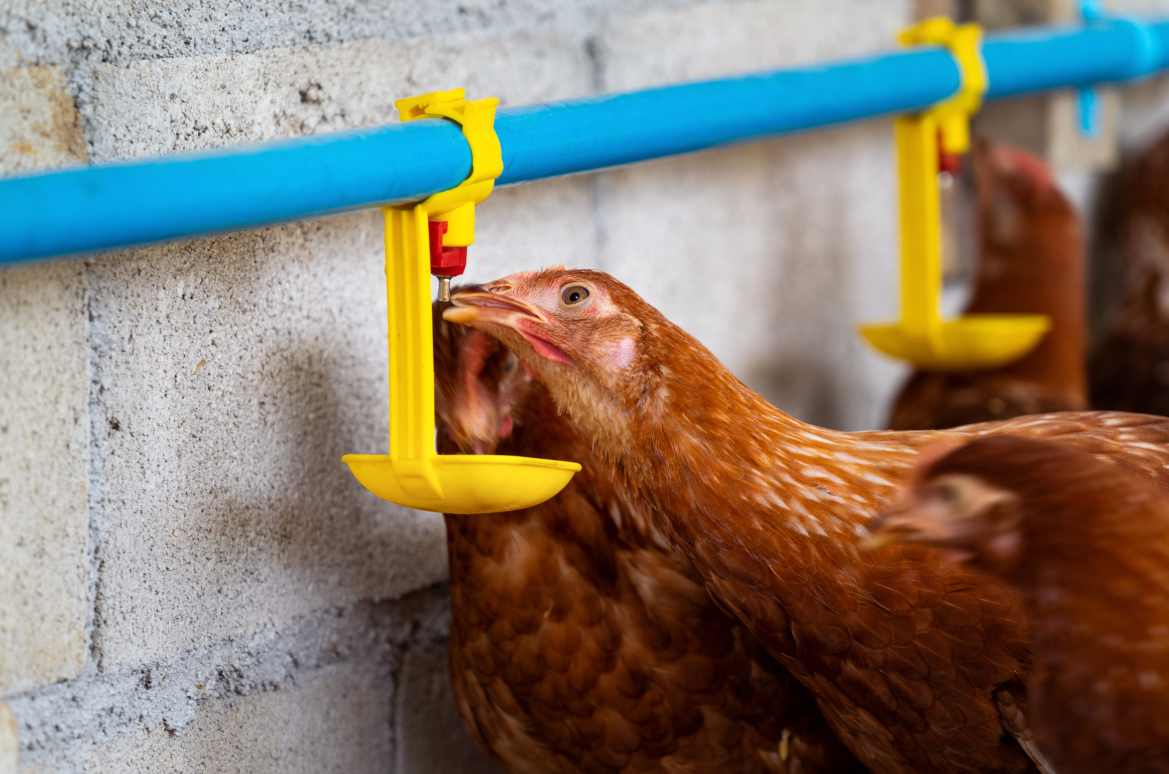
Fine-tuned feeder rows with nipple waterers hold clean ways. They also trim waste in daily tasks. These points add straight to top output in any business hen setup with our ZEUSYANG layer cage system.
FAQ
Q: How many chickens can be kept in one layer cage system?
A: The capacity depends on layout specifics, typically each compartment accommodates 3–5 hens comfortably according to welfare standards associated with modern chicken layer cage design principles.
Q: What is the ideal lighting schedule for maximizing egg production?
A: Maintain 14–16 hours of light daily during peak laying periods. Gradual transitions between dark-to-light phases minimize stress responses among layers housed within structured poultry environments like those supported by ZEUSYANG’s systems.
Q: How often should I clean my layer cage system?
A: Weekly cleaning combined with full disinfection after each production cycle preserves hygiene integrity inside cages while extending equipment lifespan under continuous operation conditions typical in commercial farms using advanced chicken layer cage systems from ZEUSYANG.