
What Are the Main Types of Poultry Cages?
Overview of Poultry Cage Systems
Poultry cages help boost output for eggs and meat. The main kinds are layer cages, broiler cages, and chick (brooder) cages. Each one fits a certain stage in poultry growth. They built the base for a modern poultry farm cage system. This setup raises output and keeps animal welfare in mind.
Suitable cage types are determined based on chicken house size, along with the number and weight of the birds. Such flexibility helps farmers select setups that match their farm scale.
How Do Poultry Cages Improve Farm Management?
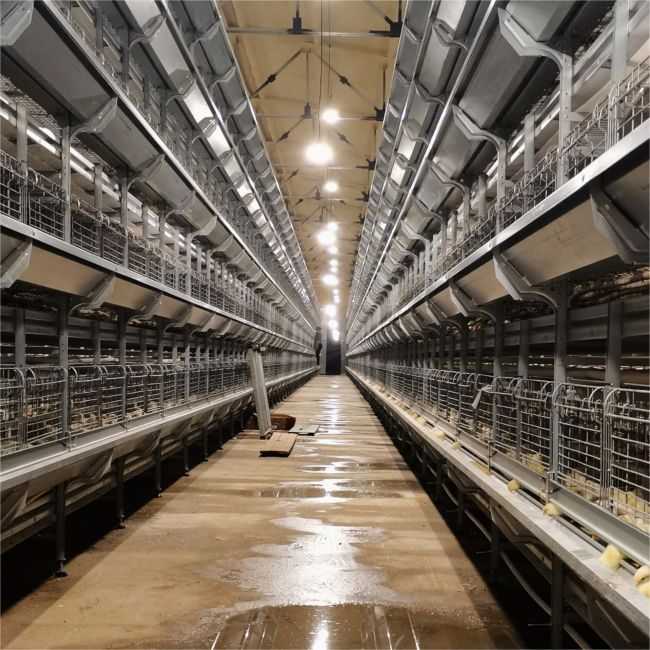
Modern poultry cage supplies use multi-tier setups. They make better use of space and feeding. These cages also cut disease spread. They do this with steady airflow and clean conditions. Automated waste removal makes cleaning easier. It lowers labor costs and keeps hygiene high across all parts of a layer chicken cage system poultry farm.
Layer Cages: Designed for Egg Production
What Makes Layer Cages Suitable for Egg-Laying Hens?
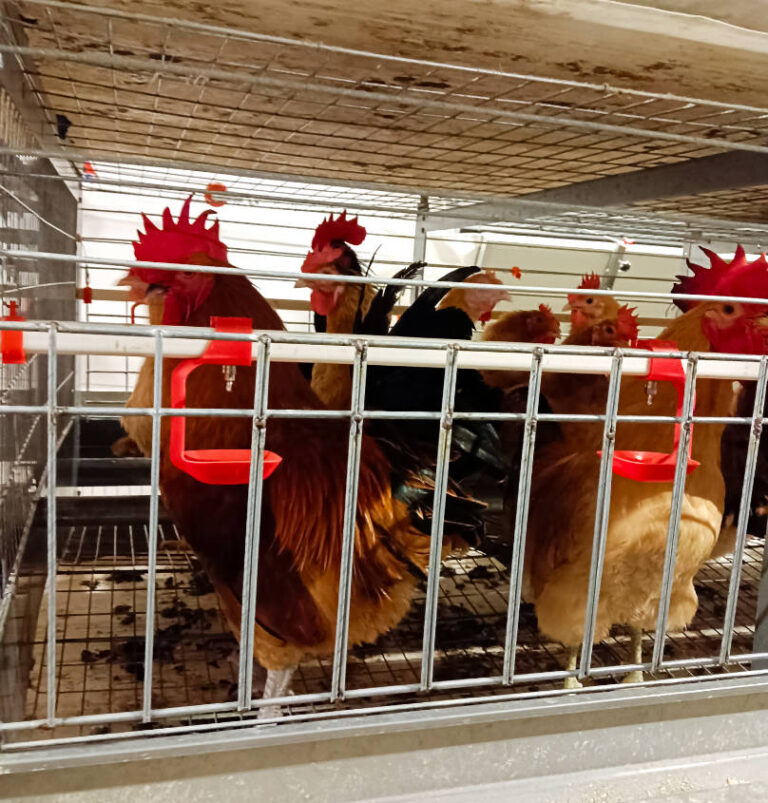
Layer cages give hens separate spots for safe egg laying. Their sloped floors let eggs roll softly into trays. This cuts breakage. Built-in airflow keeps birds at ease and lowers stress.
Key Features and Benefits of Layer Cages
Multi-tier designs in a chicken layer cage system raise bird numbers per square meter. They do so without hurting welfare. Automatic feeding and watering lines lift output and trim labor costs.
The main frame columns use hot-dip galvanized sheets. These sheets are 2.0mm thick and hold 275g coating. They stay strong and fix in place well. The cage net uses 275g hot-dip galvanized wire. It holds up against aging and rust. These traits give long service life against droppings, damp, and cleaning agents. They suit any layer poultry cage system well.
Broiler Cages: For Efficient Meat Production
Why Are Broiler Cages Used for Meat Chickens?
Broiler cages support fast growth cycles in meat systems. Controlled feeding keeps weight gain even across flocks. They also hold high hygiene levels.
One-sided broiler cage bodies match broiler growth needs closely. The layout cuts stress, lowers disease risk, and supports healthier birds. These points matter for strong broiler cage equipment results.
Structural Characteristics of Broiler Cages
These stackable chicken cages offer roomy sections. Birds move freely for muscle growth. Adjustable mesh floors avoid foot harm. Strong frames hold heavier broilers as they grow.
High quality magnesium-aluminium-zinc metal gives our cages solid strength and balance. They form a lasting investment that handles heavy farm use well.
Chick or Brooder Cages: Providing a Safe Start for Chicks
How Do Chick Cages Support Early Growth?
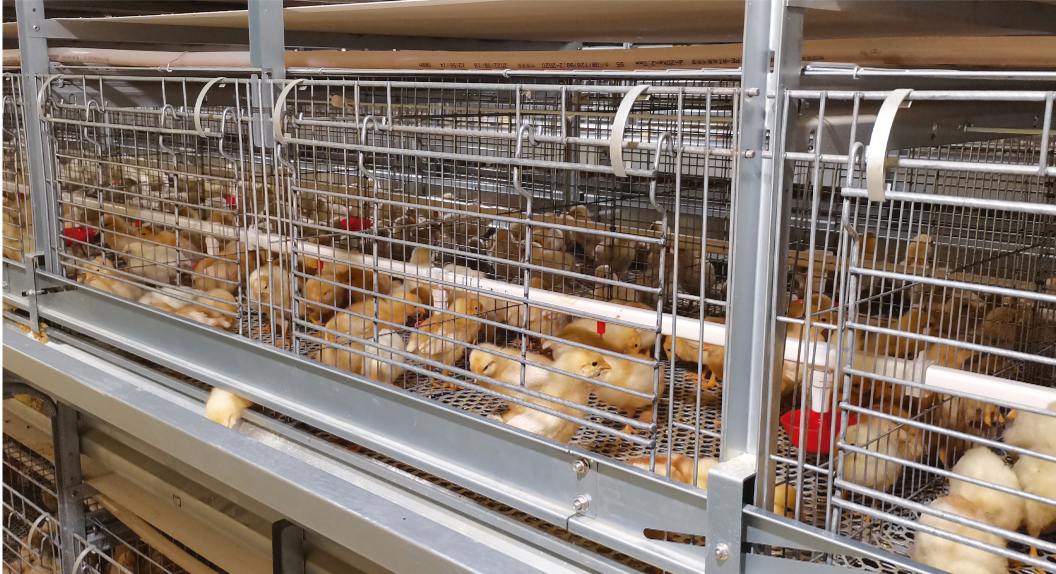
Chick or brooder cages hold steady warmth. This warmth matters for young bird survival in the first weeks. Feeders and drinkers sit at chick height for easy reach. Good lighting keeps feeding all day steadily.
A chicken cage is a chicken cage built for chicks. The design covers both brooding and rearing in one unit. This setup handles both early phases with good results.
Essential Components in a Chick Cage Setup
Temperature Control Systems
Heating lamps or automated heaters keep a steady warmth inside chick areas. This step prevents deaths in cold weather.
Feeding and Watering Equipment
Special feeders cut feed waste and give balanced nutrition to every chick.
Safety Features for Young Birds
Fine mesh panels stop chicks from escaping or getting caught in gaps. These steps raise early survival rates.
Comparing Different Types of Poultry Cages: Which One Fits Your Needs?
Factors to Consider When Choosing a Cage Type
Choice among poultry cage types rests on farm goals. These goals cover egg output, meat yield, or chick rearing. Space size, farm layout, budget limits, and automation needs all shape the final pick. They guide plans for chicken layer cage plans that suit the site.
ZEUSYANG Contribution to Modern Poultry Farming Solutions
Why Choose ZEUSYANG Poultry Cages?
At ZEUSYANG, we focus on advanced poultry housing tools. These tools fit many farm sizes, from small sites to large plants. We handle design, production, and sales of livestock and poultry gear. Our builds stress long life through hot-dip galvanized parts that fight rust. They also make good use of space with multi-tier layouts. We add automation choices such as feeding lines, water systems, manure removal units, airflow controls, and IoT monitoring tools. All form key parts of our modern layer chicken cage system solutions.
Product Range Offered by ZEUSYANG
Layer Cage Systems by ZEUSYANG
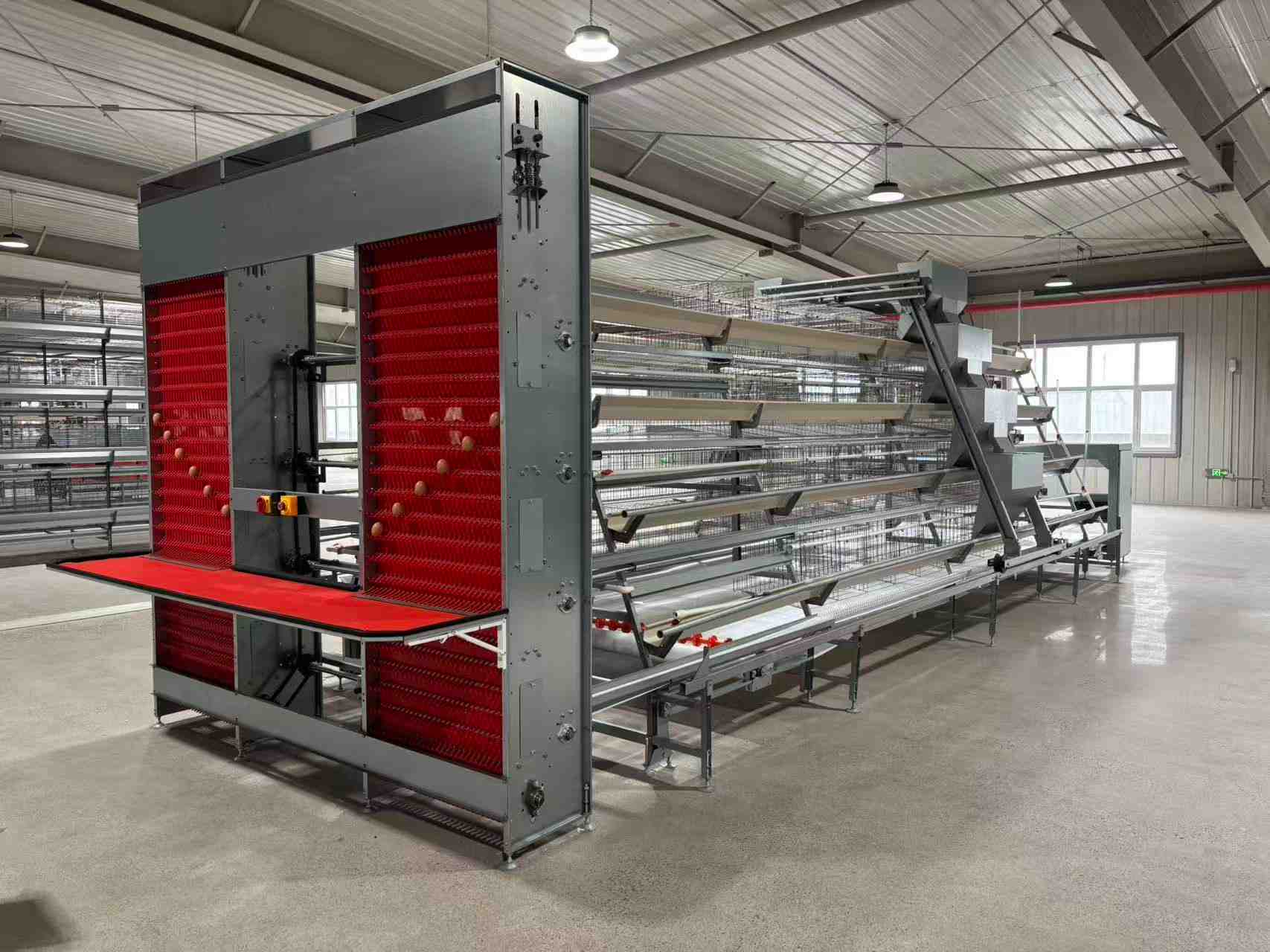
Our stacking designs cover H-type and A-type frames. They give easy nesting spots plus smooth egg collection. This lets you choose the layout that fits your work needs best. These options help farms add automation to current operations with less trouble.
Broiler Cage Solutions by ZEUSYANG
We build reinforced frames for fast-growing meat birds. Efficient airflow keeps hygiene high. Results stay steady, no matter the broiler cage size or flock density.
Brooder Cage Designs by ZEUSYANG
Our chick units hold steady temperature control plus reliable lighting. They give even growth among young birds. This forms a key part of any professional layering chicken cage plan.
FAQ
Q: What Is the Difference Between Layer, Broiler, and Chick Cages?
A: Layer cages focus on egg-laying hens. Broiler cages serve chickens raised for meat. Chick cages (brooders) give warmth and safety during early growth inside an integrated layer poultry cages system.
Q: How Long Can Chickens Stay in Each Type of Cage?
A: Chicks stay in brooder setups until roughly 6-8 weeks old. They then move into layer housing based on their planned use inside a stackable chicken cage setup.
Q: Are Automated Poultry Cage Systems Worth the Investment?
A: Yes. Automation cuts labor costs and improves feeding accuracy, climate control, hygiene care, and overall output in medium or large operations that use a modern chicken layer cage system, poultry farm setup.