
What Is an Automatic Egg Collection Machine and How Does It Work?
An automatic egg collection machine is a clever tool built to gather eggs effectively from chicken houses. It does this with little manual work involved. The device holds an important place in today’s chicken farming. It makes sure eggs get picked up in a secure way, fast, and with very little human touch. Such a setup proves especially handy for farms that keep various types of chickens raised for egg production. For example, it suits high egg production chicken breeds. These need regular gathering to keep the eggs in good shape.
The Basic Components of an Automatic Egg Collector
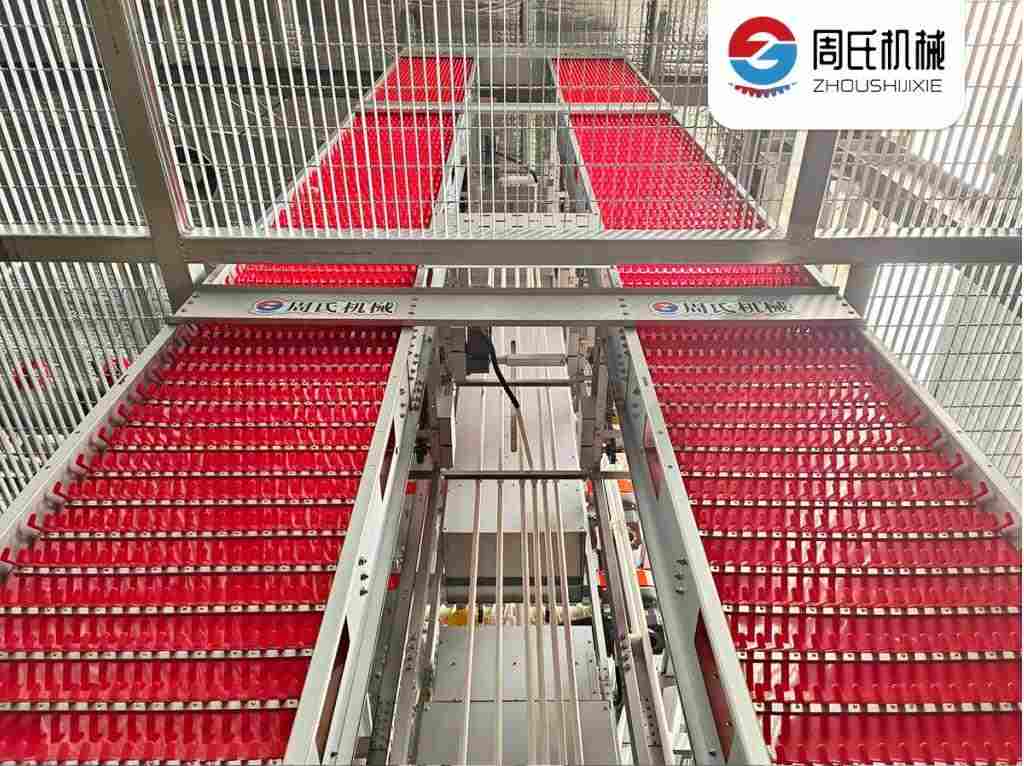
The key parts of an egg collector machine consist of conveyor belts, sensors, and control panels. The belts move eggs gently from nest spots to main gathering areas. This cuts back on the need for manual egg collection. The sensors spot eggs and make sure there is enough space between them. As a result, they stop bumps or breaks while eggs shift. The control panels handle the automatic features. These include timing, belt pace, and sorting accuracy. So, the whole operation runs without hitches.
How the Machine Streamlines Daily Egg Gathering
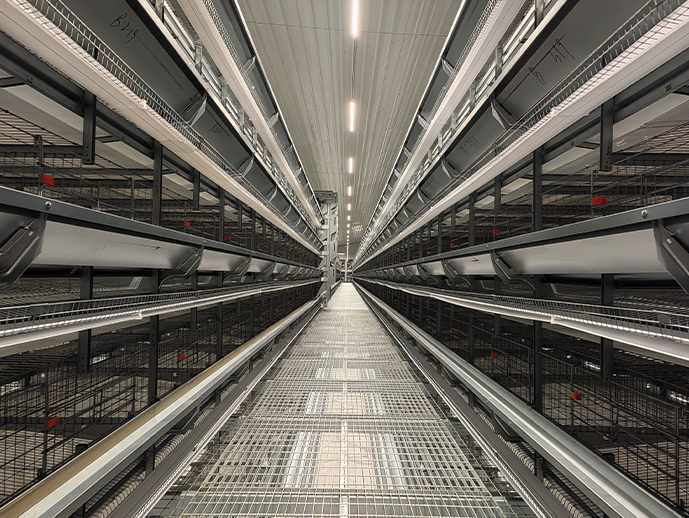
An automatic egg collection system runs all day long. It keeps manual work to a minimum. The system lessens direct handling. It does so by picking up eggs automatically from several rows or levels of cages. Its steady motion stops eggs from piling up in nest boxes. It also guarantees even flow from different cage heights. Farms that use stacked or H-type cage systems gain from matched actions. These actions link feeding, cleaning, and automated egg collection. In turn, this leads to better workflows and greater output.
How Do Automatic Egg Collectors Reduce Labor Costs?
Replacing Manual Tasks with Automation
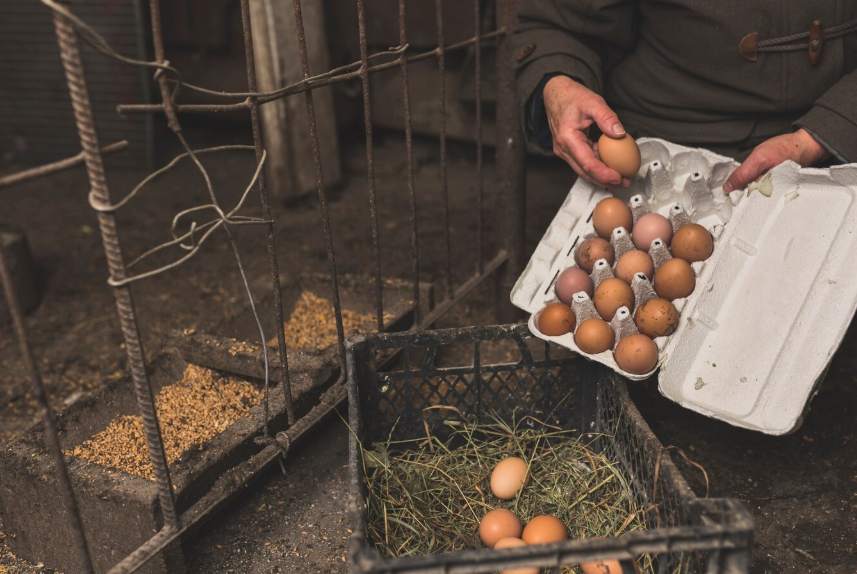
Automation gets rid of repeated hand tasks. For instance, it removes the need to walk along rows and lift eggs one by one. This sharply lowers the work hours needed for everyday tasks. Staff can then turn their attention to checking bird health or caring for climate controls. Farms switch from old ways to an automatic egg collector. Thus, they cut reliance on temporary workers. At the same time, they keep steady results through every production phase.
With chicken farming equipment with a high degree of automation, cleaning manure, feeding and picking eggs can all be done with the touch of a button. This sentence demonstrates how automation technology transforms once time-consuming tasks into efficient processes managed through centralized control.
Long-Term Cost Savings and Return on Investment
Setup costs might look steep at first. However, they get balanced by ongoing cuts in worker pay over time. Lower break rates boost profits too. This happens because more whole eggs make it to buyers. Plenty of current models save energy. They bring down running expenses even more. In an egg collection comparison, automated setups always do better than hand methods. They excel in value for money and steadiness in the long run.
In What Ways Do Automatic Egg Collectors Improve Efficiency?
Enhancing Workflow and Productivity on Poultry Farms
Automated collectors boost farm routines. They do this by lining up with feed times and waste removal setups. These tools cut idle time between runs. They use settable controls that handle schedules with care. This holds true even in busy egg-laying times for top-output types. Such breeds appear in big business sites. The machines keep a reliable pace. They avoid hold-ups.
It occupies a small area, has a high space utilization rate, and is easy to achieve intensification and scale. Automated systems make it possible to manage thousands of birds efficiently within a limited space while keeping productivity levels constant.
Maintaining Egg Quality During Collection and Transport
Keeping egg quality intact stands as a big plus for automation. Soft belt fabrics pad every egg as it moves. This helps dodge splits or bends. Automated sorting cuts down dirt chances from people touching them. Plus, steady surroundings—held by built-in air flow tools—guard newness on the way from cage to storage spot.
The environmental controller collects information such as temperature, humidity and harmful gases in the chicken house. Such environmental monitoring ensures that eggs remain in optimal conditions throughout the collection process.
Integrating Technology: How Smart Systems Optimize Performance
The Role of Sensors and Data Monitoring in Egg Collection Machines
Clever tech boosts how well things run. It does this with sensors that check the machine’s work right away. Spotting problems early lets teams fix them fast. This happens before stops take place. Data reviews follow output patterns in chicken areas. They aid managers in smart changes to steady yields. Access from afar using phones allows easy oversight. This works even away from the site.
Real-time system monitoring ensures reliable operation across all modules. This capability exemplifies how intelligent control improves reliability while reducing maintenance interruptions.
Adapting to Different Farm Sizes and Layouts
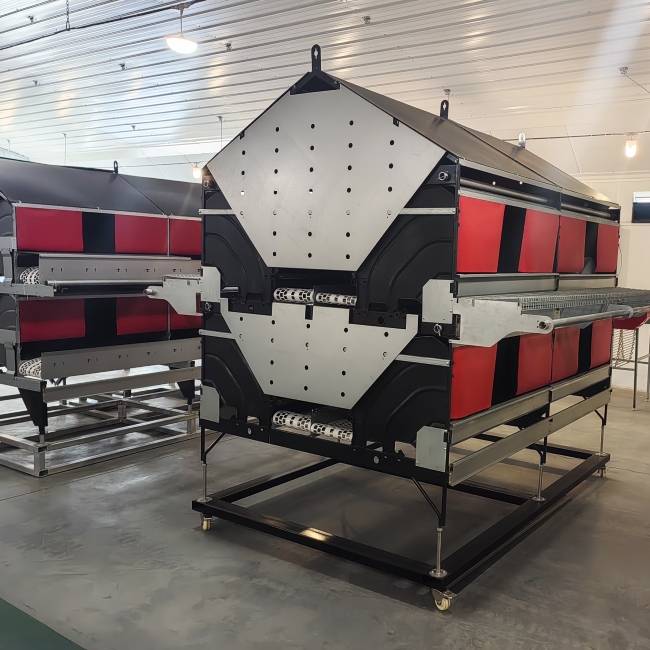
Automatic collectors feature buildable plans. These fit both modest farms and huge factory-like sites. Changeable belt rates match different group sizes or bird type variations among layers or breeders. Bendable setups let them adjust to free-range spots or stacked levels. The choice depends on what the farm structure requires.
A complete set of automated machinery and equipment realizes the automated control of cage systems, feeding systems, ventilation systems, drinking water systems, and manure cleaning systems. This integration makes it easier for farms of any size to adopt automation seamlessly into existing layouts.
ZEUSYANG’s Contribution to Modern Poultry Automation Solutions
About ZEUSYANG’s Automatic Egg Collection Machines
At ZEUSYANG, we focus on creating smart automatic egg collectors. These are made to last and work accurately in all sorts of chicken housing styles.
ZEUSYANG is committed to the design and development, production and sales of livestock and poultry equipment. Our items blend sharp sensors, power-saving engines, adjustable plans, and simple-to-use screens. They support easy running in many settings.
We integrates R&D, design, manufacturing, installation and after-sales service, and integrates domestic and international trade. We use this full method for each job we take on. It covers small home farms with small belts to big sites using lift-type quick gatherers called egg elevators. These provide upright speed.
Our automatic systems are engineered for easy installation with minimal maintenance requirements while ensuring long service life under continuous operation.
Why Poultry Farmers Choose ZEUSYANG Equipment
Farmers pick our options since they bring real gains. These include lower worker costs plus better output in every egg cycle.
The company continues to digest and absorb the advanced technology and experience of the same industry at home and abroad. We draw on the worldwide top methods and local tweak skills. So, we offer custom auto sets that fit each buyer’s special arrangement.
Our customers also value our comprehensive technical support programs designed to help them optimize performance quickly after installation—ensuring reliable output regardless of flock size or housing configuration.
FAQ
Q: Are automatic egg collectors suitable for small farms?
A: Yes. Many models are scalable, so even smaller operations can adopt automation without heavy investment while still reducing manual workload compared with traditional methods like manual egg collection.
Q: How often do automatic egg collectors need maintenance?
A: Routine inspections every few weeks focusing on belts, sensors, motors—and especially any moving parts within elevator mechanisms—keep performance consistent over time.
Q: Can an automatic egg collector handle different types of poultry housing systems?
A: Most modern designs—including those from ZEUSYANG—are adaptable across cage-free barns or multi-tier cages used for various types of chickens raised for egg production, offering flexibility across all production environments where automatic egg collection is required.