
Broiler Cage Systems and Design Impacts on Productivity
What Are the Key Differences Between Broiler Cage Systems and Floor Raising?
A broiler cage system holds birds in organized levels. Meanwhile, floor raising lets them walk about on scattered bedding. This setup variation affects bird care, feed use, and handling methods.
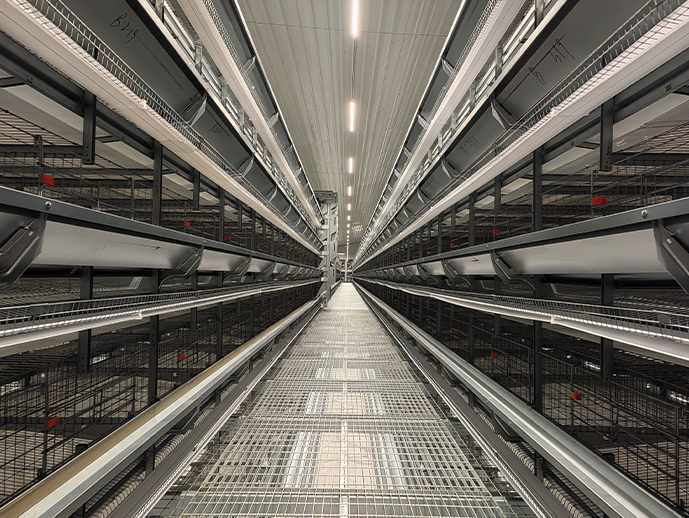
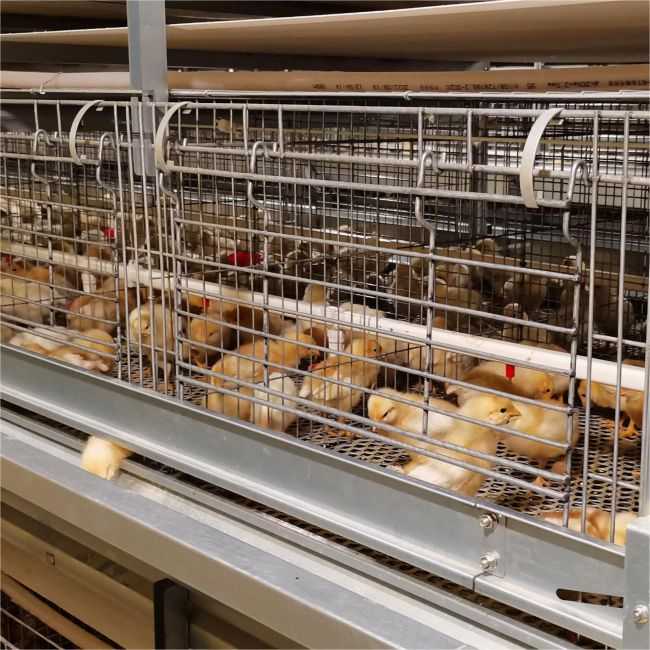
In a cage arrangement, each bird stays in its own section inside a layered metal cage. These often come from coated materials for cleanliness and lasting strength. The layered broiler cages usually include 3 to 4 levels of chicken cages. They fit together fully. This upright setup uses space wisely. It also makes checking and cleaning easier. Floor setups depend on wide areas. Birds can act more like in the wild there. However, they need extra land and regular bedding care.
Picking between these options often relies on farm size, worker numbers, and output targets. Big farms might choose mechanized broiler cage equipment. Smaller ones could gain from basic floor plans that offer easy adjustments.
How Do Cage Designs Impact Farm Productivity?
Cage setups make space use better with upright layers. Farmers can keep more birds per square meter. Raising broilers in stacked cages helps with checking, handling, and cleaning. It also uses space well. Floor setups need bigger spaces. But they allow natural actions like scratching or dust bathing.
Both shelter types need good air flow and waste handling to keep groups healthy. Managing temperature, air movement, and moisture is key to the best growth spots. A solid poultry house should have tight seals, good heat protection, clear roof walls, and open house tops.
Comparing Growth Performance and Feed Efficiency
Does the Broiler Cage System Improve Growth Rates?
Broilers in cages often lose less energy from limited motion. This brings better feed conversion ratios (FCR). Energy focuses on growth, not play. If the rearing conditions for broilers stay under control, the feed-to-meat ratio drops a lot. Disease cases fall a great deal too. Output rises quite a bit as well. Steady feeding access helps even weight gains in groups.
Less touch with bedding lowers risks from germs like coccidiosis or E. coli. Caged broilers save feed. They often use automatic feeding methods. This avoids feed loss, cuts costs, and boosts rearing results.
Feed Efficiency in Floor Raising Systems
In floor operations, birds use more energy from free walking. This aids muscle growth and natural habits. However, it cuts overall feed use a little. Uneven feed spread can lead to size differences in birds. This occurs if feeding lines lack good care.
Bedding condition matters much for gut health. Too much dampness or ammonia pile-up can cut hunger. It also blocks nutrient uptake.
Health, Hygiene, and Environmental Control
How Does Each System Affect Disease Control?
Broiler cage systems cut contact with waste by keeping birds from droppings belts below. This lowers germ risks like coccidiosis or salmonellosis. Floor setups need regular bedding changes to stop ammonia build-up. That could hurt breathing health.
The chicken manure from each level moves to the end cross-cleaning belt via the waste belt. Then it goes to the outside waste truck. Such automatic waste care boosts safety by cutting human touch with waste.
Waste Management and Air Quality Considerations
Cage farms make manure gathering simpler with belts or scrapers. These dry waste well under cages. Floor setups often keep higher dampness from piled bedding.
Good air flow stays vital for both methods. It stops heat strain in warm seasons. It also keeps fresh air moving in closed poultry buildings.
Labor Efficiency and Operational Costs
Which System Is More Cost-Effective in the Long Term?
Starting costs for a broiler cage system are greater. This comes from special builds like coated levels and auto parts. But long-run benefits include less worker need and better FCR. First, they cut labor bills a lot. Automation covers feeding, water, waste removal, and climate care. Fewer hands-on jobs mean lower running costs over time.
Floor setups might cost less to set up. However, they require more daily work for bedding changes and health checks. This raises steady upkeep costs.
Automation Opportunities in Modern Poultry Houses
Feeding Systems Integration
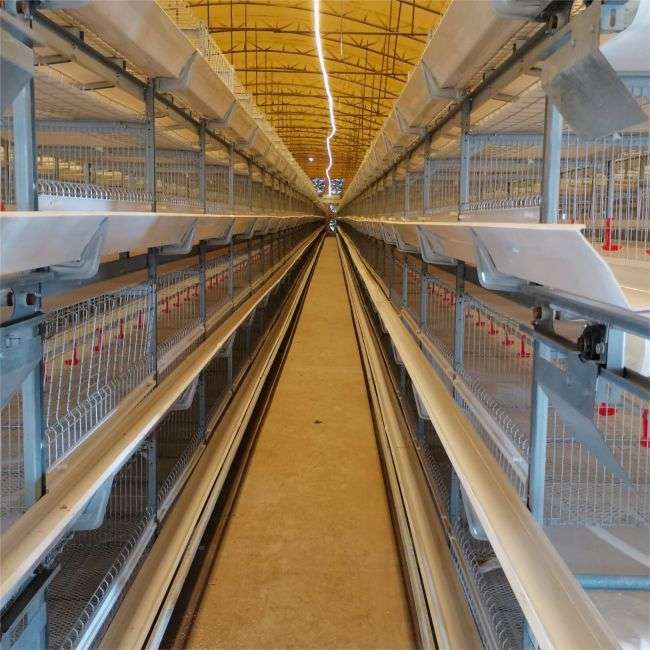
Automatic feeders give steady nutrition to all levels with little human help. These systems also limit feed loss through exact amounts and an even spread.
Manure Removal Solutions
Mechanical scrapers or conveyor belts ease manure collection under cages. They keep cleanliness rules in the facilities.
Animal Welfare and Behavioral Aspects
Do Broilers Exhibit Different Behaviors in Cages vs Floors?
Caged broilers have restricted motion. But they gain from cleaner areas with lower illness risks. Floor-raised birds show natural drives like pecking or wing flapping. Yet they face greater risks from bed bugs.
ZEUSYANG’s Contribution to Modern Poultry Farming
Why Choose ZEUSYANG for Your Broiler Cage System Needs?
At ZEUSYANG, we focus on smart building solutions that reshape today’s poultry farm output.
Advanced Engineering Design for Efficiency
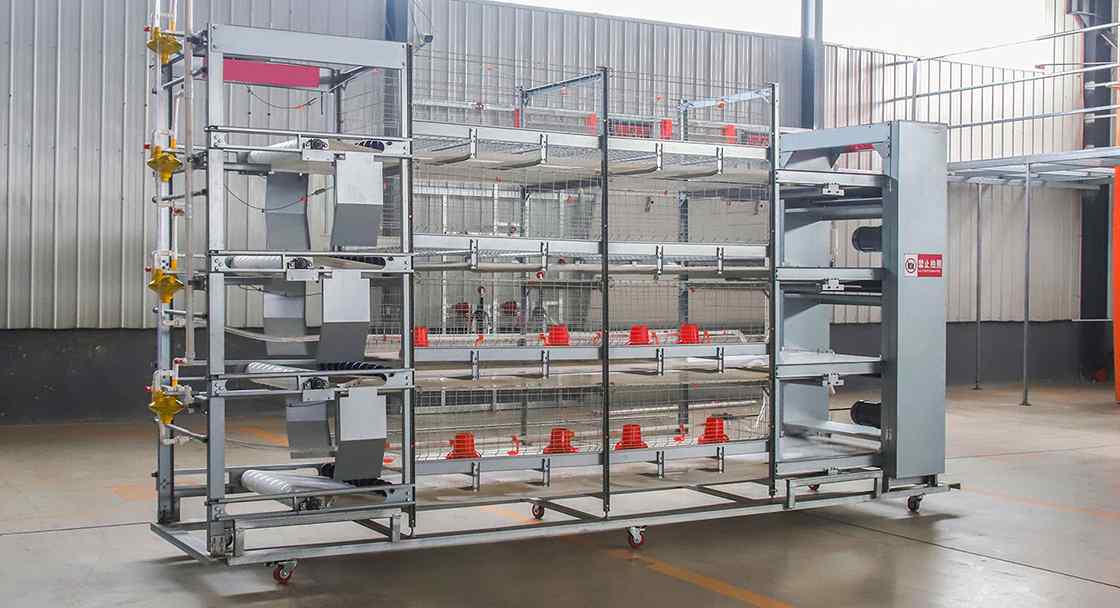
The ZEUSYANG Broiler Stacked Cage is a fresh approach crafted to fit current poultry needs. Our broiler cage builds use space to the max. They ensure comfort for each bird with smart mesh floors that aid cleanliness.
Durability and Ease of Maintenance
Using top-grade magnesium-aluminium-zinc metal in our cages promises great lasting power and firmness. We craft our poultry battery cages with rust-proof materials like hot-dip galvanized steel. This gives a service life of over 10 years with good upkeep.
Customizable Solutions for Different Farm Scales
ZEUSYANG offers a fully fitted broiler cage unit made to suit the needs of various poultry groups. Whether you run a small home farm or a large business site, our flexible setups fit different layouts smoothly. They blend automatic feeders, water lines, climate units, and egg collection.
FAQ
Q: Is the broiler cage system suitable for small farms?
A: Yes. Modern compact designs allow efficient use of limited space while maintaining high stocking density without compromising welfare standards or productivity levels associated with advanced chicken cage design principles.
Q: How does a broiler cage system affect meat quality?
A: Birds raised in hygienic conditions within automated poultry cages generally produce cleaner carcasses with lower contamination risks during processing due to minimal litter contact.
Q: What is the lifespan of a ZEUSYANG broiler cage system?
A: With proper maintenance routines followed regularly using corrosion-resistant materials like galvanized steel frames or stainless-steel meshes offered by ZEUSYANG’s manufacturing, operational longevity can exceed 15 years—providing sustainable returns for commercial producers seeking durable types of chicken cages solutions aligned with future-ready farming technologies.