
What Is a Battery System in Poultry Farming?
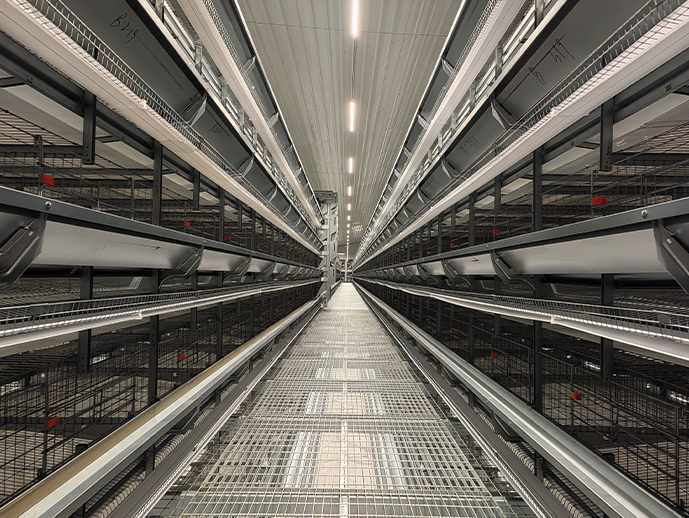
A battery system in poultry farming means a well-organized and practical housing setup where birds live in stacked cages. These setups aim to make the best use of space, boost cleanliness, and raise output.
How Does the Battery System Work in Poultry Production?
The battery cage system operates via a cage-based housing setup arranged in several levels. Each cage holds a certain number of birds. This ensures managed feeding and waste handling. Feeding and watering happen automatically through pipes and troughs that spread feed evenly. The feeding setup uses driven feeding.
Our company creates the leveler with a feeding role. It cuts down on feed waste from crowding during meals. It also adds weight to the level. As a result, the leveling works better. This automatic process lowers human effort. At the same time, it keeps feed quality steady.
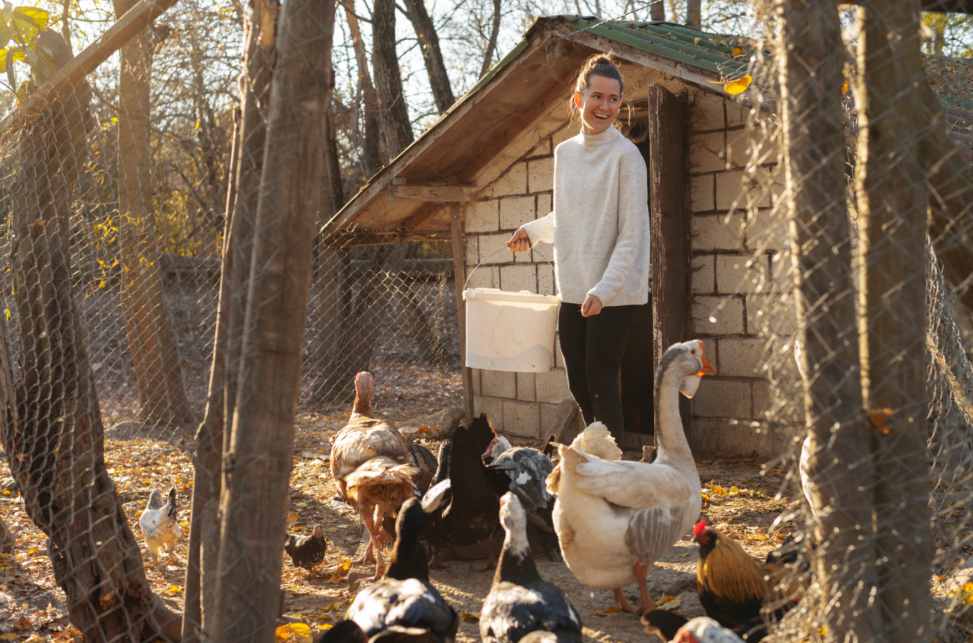
Waste handling fits into the design with manure belts or scrapers that clear droppings quickly. A water cup sits under the waterline. This stops dripping water from landing on the manure belt. Unlike open housing, controlled-environment setups use strong ventilation, cooling pads, and light controls. They keep ideal conditions for growth and egg laying.
Types of Battery Systems Used in Poultry Farms
Battery systems differ based on production aims:
- Layer battery systemstarget egg output efficiency. Our company has improved the egg-picking host in the egg-picking setup. We also widened the egg-picking surface to 55 centimeters. The egg-picking channel is broader now. This boosts the speed of egg collection.
- Broiler battery systemssuit meat production. H-type (stacked) chicken cages work well for big enclosed chicken farms. We suggest them for poultry farms with over 25,000 birds in one building.
The key differences come from space per bird, upkeep frequency, and air flow needs.
Cost Breakdown: What Are the Major Expenses in a Battery Poultry System?
Initial Investment Costs
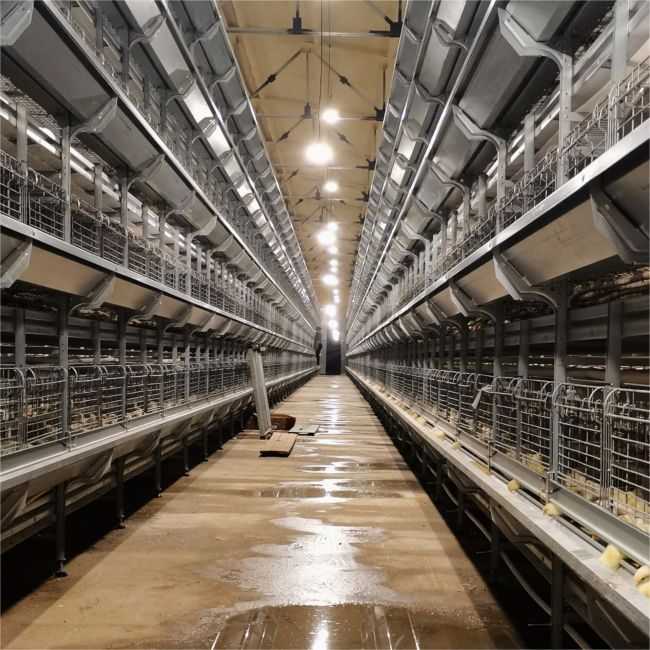
The starting cost covers building supplies like galvanized steel frames, cage setup, and climate control systems. Ventilation fans, LED lights, and auto feeders make up part of this upfront cost. Land prep also needs utility links for power and water. These support ongoing work.
Operating Costs and Maintenance Requirements
Feed makes up the largest running expense. Yet, automation cuts waste a lot. Labor expenses fall thanks to machine-based cleaning and feeding tasks. Regular upkeep includes inspecting motors, washing belts, swapping out damaged parts, and handling power use wisely.
Is the Battery System More Profitable Than Traditional Methods?
How Does Productivity Compare Between Battery and Floor Systems?
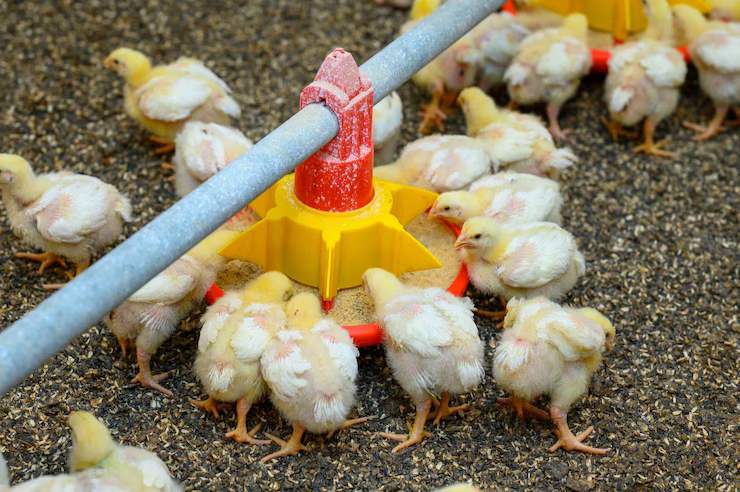
Battery cages permit denser bird placement per square meter than floor setups. This raises production while keeping bird health steady through managed surroundings. The use of automatic battery cages guarantees an even feed spread. It also lowers disease spread among chickens in battery cages. Stable temperature and moisture cut death rates. Plus, they have better feed conversion rates.
Return on Investment (ROI) Analysis for Battery Systems
Small to medium poultry farms usually see ROI in 2–4 years. This depends on feed prices and market rates for eggs or meat. Things like automation degree, labor savings, and energy savings affect profits over time. Long-term patterns show steady gains. Productivity stays reliable through production rounds.
Environmental and Welfare Considerations in Battery Poultry Systems
How Do Modern Designs Address Animal Welfare Concerns?
Current battery-type breeding cage designs focus on welfare. They give enough space per bird. They also offer better air flow and light balance. Use a mix of negative pressure fans, cooling water pads, side windows, and deflectors. Work with the environmental controller, too. This creates perfect conditions inside the chicken house. Waste removal setups reduce ammonia levels. They also meet animal welfare rules.
Environmental Impact and Sustainability Factors
Good manure handling reduces pollution chances. It turns waste into organic fertilizer. Energy-saving fans and lights lower carbon output. Reusable materials like hot-dip galvanized steel boost sustainability. They last a long time.
ZEUSYANG’s Contribution to Advanced Poultry Battery Systems
What Makes ZEUSYANG’s Poultry Equipment Stand Out?
At ZEUSYANG, we concentrate on providing dependable automation options. These make poultry farming more effective and eco-friendly. We commits to the design and development, production, and sales of livestock and poultry equipment. Our fresh ideas stress strength, low upkeep demands, and smart monitoring links. These allow real-time farm data checks.
Our specialists work hard to offer not just high-quality items but also a full set of support services. We give installation help. This ensures smooth farm work for all sizes.
Product Range Offered by ZEUSYANG for Poultry Farmers
Layer Cage Systems by ZEUSYANG
Our layer battery cages suit high-density egg production. They include top air flow control. The breeding approach has benefits. It raises building use, lowers feeding costs, and boosts labor output.
Broiler Cage Systems by ZEUSYANG
We provide H-type stacked broiler cages. They support quick growth cycles with auto-feeding lines and waste removal traits. By choosing the ZEUSYANG broiler cage system, you make a smart investment in a dependable, effective, and eco-friendly farming option. Our adjustable setups fit small farmers growing steadily or big business operations expanding fast.
FAQ
Q: Is a battery system suitable for small-scale poultry farmers?
A: Yes. Modular designs allow scalability from small to large operations without major infrastructure changes.
Q: How long does it take to recover the investment in a battery system?
A: Most farms achieve ROI within 2–4 years depending on productivity levels, feed costs, and local market prices.
Q: Does the battery system affect egg or meat quality?
A: When properly managed under stable environmental conditions provided by modern hen battery cages, birds produce consistent-quality eggs and meat with reduced stress levels.