
What Makes Layer Chicken Cages Effective for Modern Poultry Farming?
Key Features of a Layer Chicken Cage System
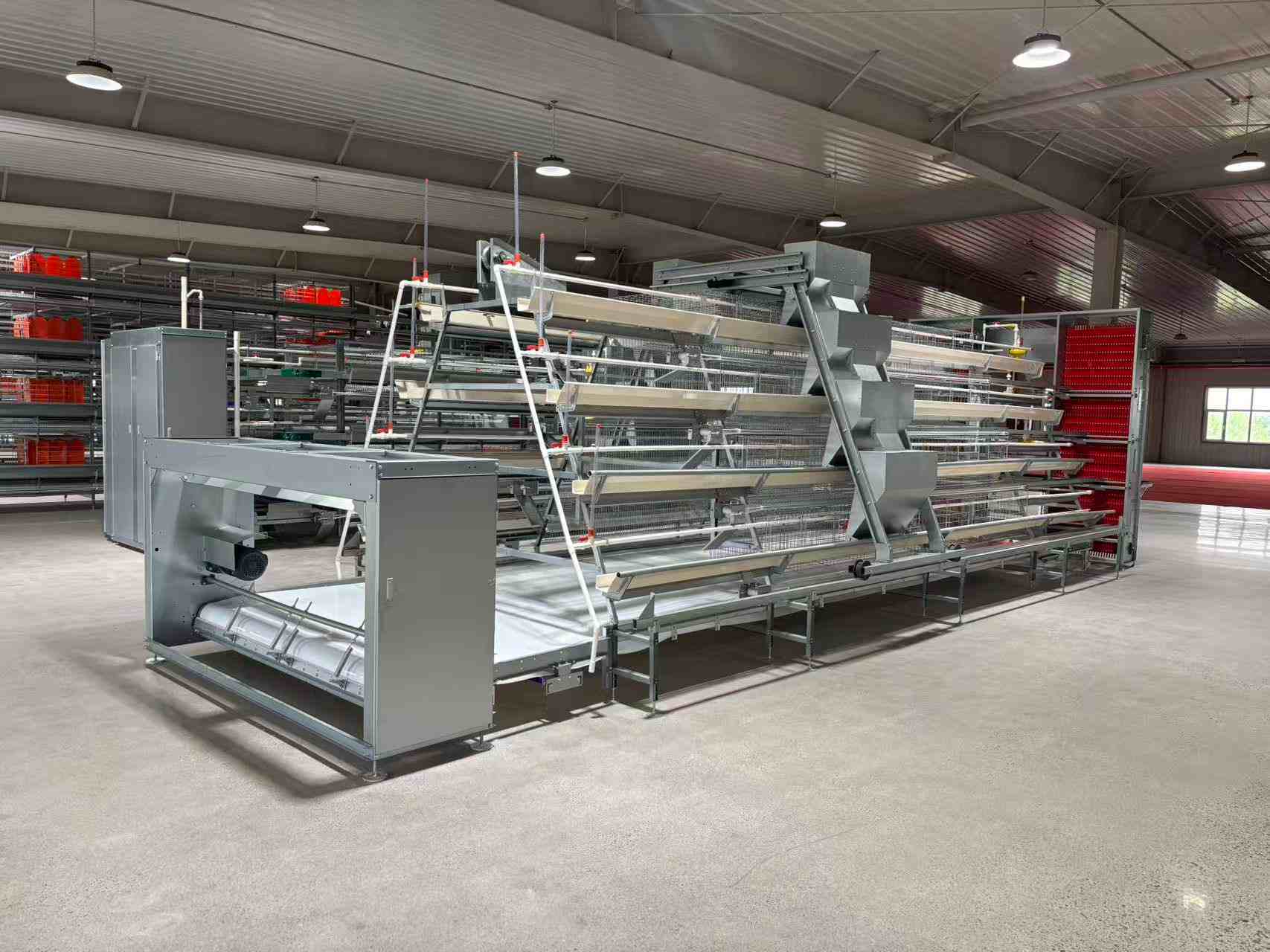
Today’s poultry farming depends on smart housing setups. These setups balance output, animal care, and simple handling. A solid-layer chicken cage system works to make the most of the room and keep birds cozy. It also upholds strong health safety rules. A-type layer hen cage equipment stacks one level at a time. The ladder-style stacked layer hen cages boost room use. They also provide good airflow areas. Plus, they make handling straightforward. The whole setup uses hot-dip galvanized material. This setup lets farmers keep more hens in tight spaces. As a result, it fits well for tiny or big farms alike.
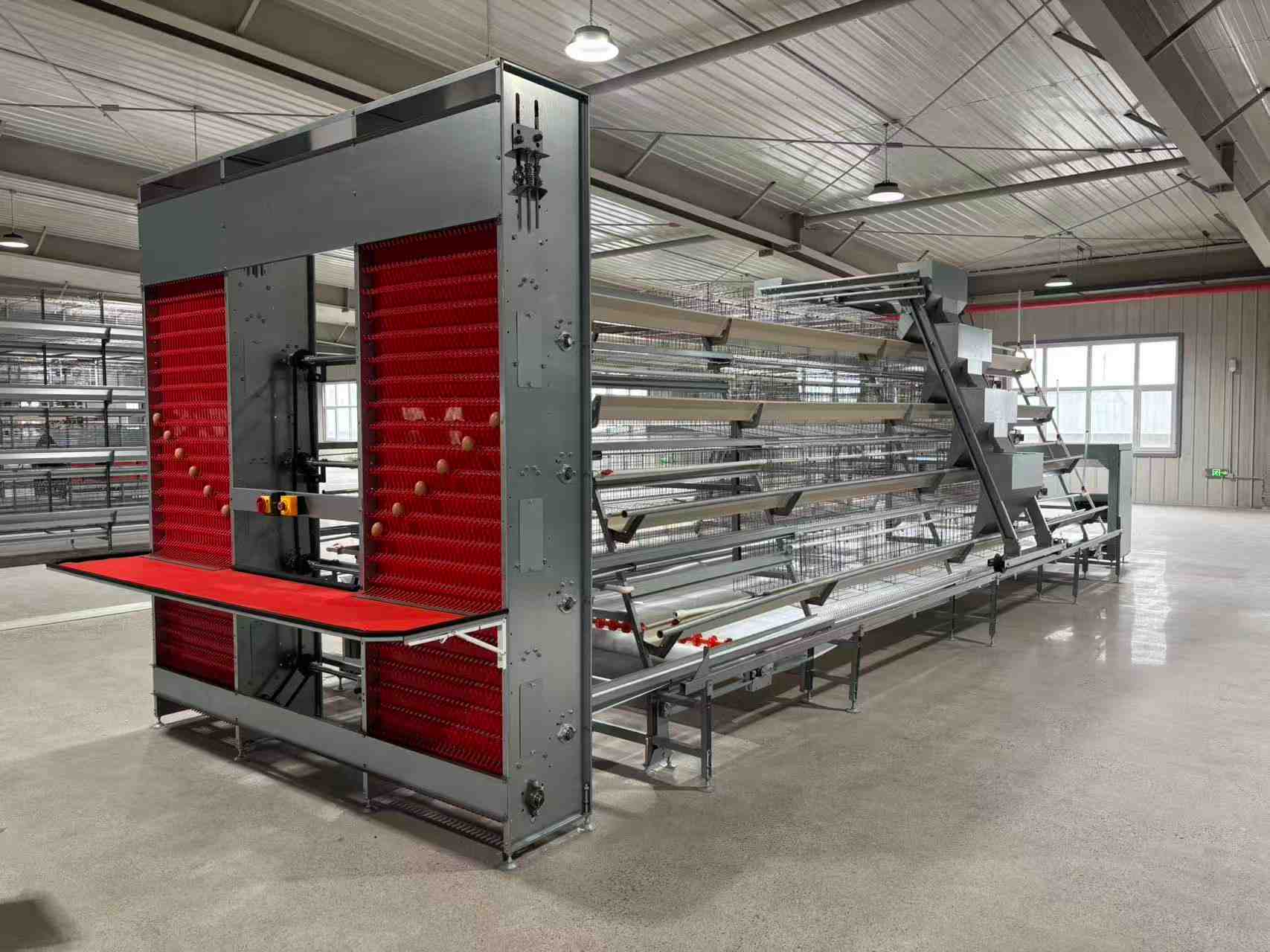
Output improves with built-in automatic feeding and watering systems, automatic manure cleaning, egg collection tools, and smart environmental control systems. The large stacking gear for laying hen cages integrates all these functions, reducing handwork. At the same time, it allows a single operator to easily manage up to 100,000 hens, ensuring steady feed distribution and fresh water access.
Strength stands out as a main trait. It offers top-notch rust protection and a long working life of 15 to 20 years. Hot-dip galvanized steel builds resistance to rust and damage. They keep things clean and lasting in damp poultry areas.
How Does the Layer Chicken Cage System Enhance Farm Management?
A current chicken layer cage system makes daily tasks easier. It does this by running key steps like feeding, cleaning, and egg gathering on its own. The step-like laying hen cage gear stacks level by level for simple oversight. This neat arrangement cuts time on hand jobs.
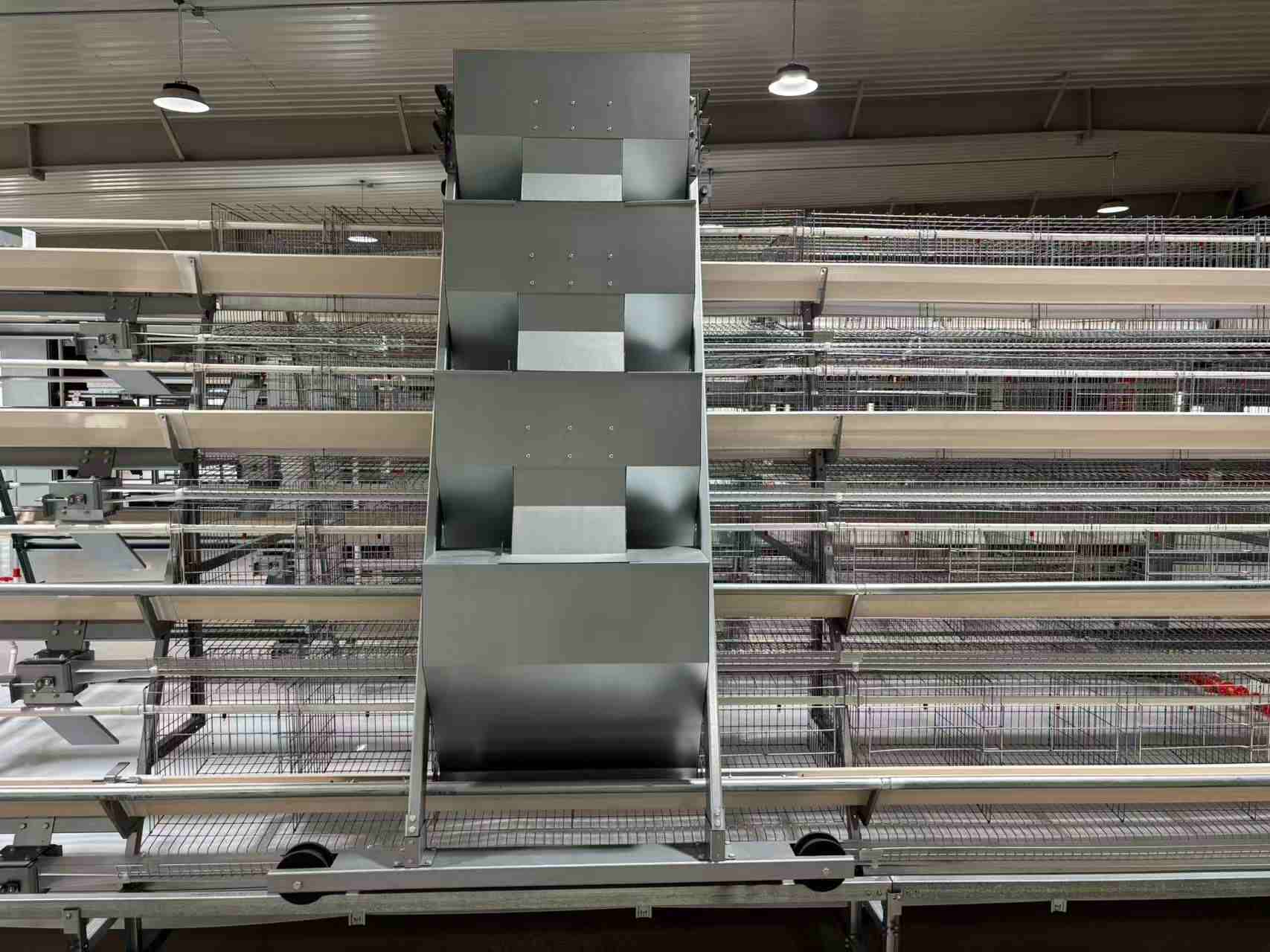
Self-running features also lower worker expenses. Feeding happens evenly, quietly, with low power use, and the parts hold up well. The feeder has rolling wheels. These wheels lessen rubbing between the feeder and the feed pan. Thus, they lengthen the feeder’s life.
Besides, these setups help watch the birds’ health and output closely. Internet-of-Things controls let farmers check temperature, moisture, feed amounts, and water flow right away. This helps spot issues soon.
How Can Layer Chicken Cages Improve Hen Welfare?
Ensuring Comfort and Safety for Hens
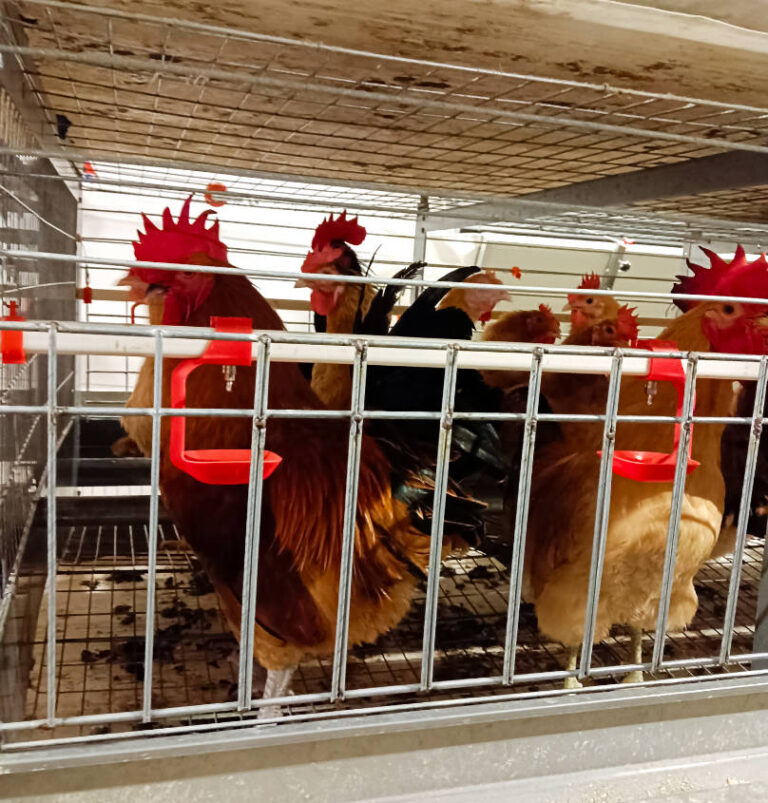
Bird well-being relies on ease, protection, and steady surroundings in every layer chicken cage design. There is enough gap between each cage level to allow air flow in the setup. This lowers the heat around the birds. Right spacing stops crowding strain.
Smooth cage sides avoid cuts or feather damage. Air flow tools keep the air fresh by clearing ammonia from waste. Manure falls onto the belts at the base of each cage level, effectively gathering waste.
Managing Lighting, Temperature, and Hygiene in Caged Systems
Surroundings control matters a lot for chicken well-being. The surroundings manager gathers data and runs the air flow system. Through self-running control, the hen house reaches a fair and solid growing space. Even light plans use waterproof 48V LED lights. They help keep steady laying patterns without added strain.
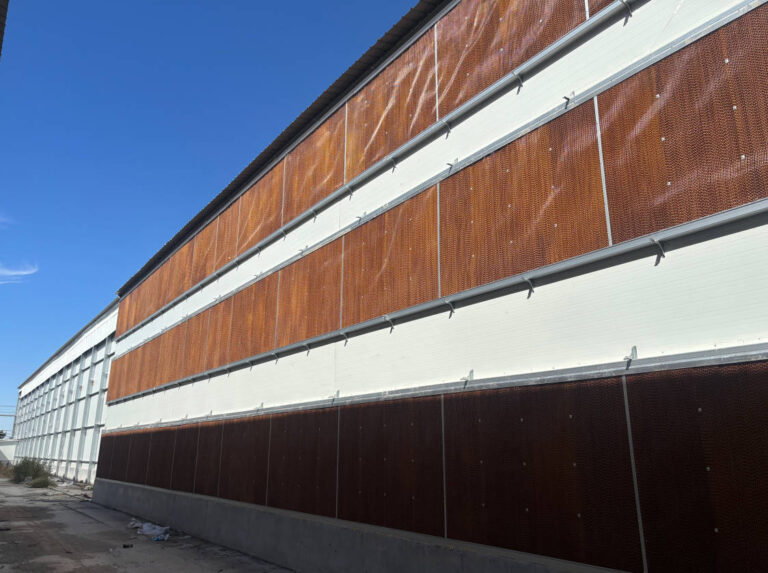
Temperature control with fans, small windows, and water curtains protects birds from hot or cold weather. Routine cleaning backed by self-running manure belts holds cleanliness rules. It also cuts disease risks in groups.
How Do Layer Chicken Cages Boost Productivity and Egg Quality?
The Connection Between Cage Design and Egg Production Rates
Cage setup affects egg amounts and quality directly. Steady feed reach ensures each bird gets balanced food without fights. The egg cage setup lets eggs roll onto the belts and be conveyed to the egg collector, which has a soft-egg filtering system. Slanted floors roll eggs gently into the gathering pans, and the soft-egg tools further reduce breakage before eggs reach the belts.
By cutting body strains like tight spaces or uneven feed chances, birds keep steady laying over more time. This boosts both amounts and shell strength.
Nutritional Efficiency and Feed Conversion in Layer Systems
Self-running feeders spread exact shares evenly over all cages. This sharpens feed-to-egg change rates. The feeding tool uses drive feeding. Our firm creates a leveler with feeding roles on its own. It cuts feed loss from clogs in the feeding step. Watching feed use spots early illness or strain signs. Farmers can then step in fast to keep group health.
Strong feed change drops the total making costs. At the same time, it raises output. This gives farms a big edge in making money through exact handling.
Integrating Technology into the Layer Chicken Cage System
What Technologies Support Better Hen Management?
Automatic layer cage system mixes in fresh tech that smooths poultry work. Internet-of-Things sensors follow surroundings details like heat, wetness, water speeds, and feed levels live. Data review tools then guess output patterns from the info gathered.
It can add the Internet of Things setup to spot the surroundings details. Self-running egg gathering tools boost handling speed. They also cut the human touch with eggs. This lowers dirt risks.
This mixing gives exact rules for all poultry handling parts. From light plans to illness stop, it keeps steady work over making rounds.
ZEUSYANG’s Commitment to Quality Layer Chicken Cage Solutions
Why Choose ZEUSYANG for Your Poultry Equipment Needs?
At ZEUSYANG, we focus on building forward layer chicken cages for sale that blend strength with simple use. We pledges to plan and grow, make and sell livestock and poultry gear. Our items use hot-dip galvanized stuff that promises long work life even in tough farm spots.
We stress animal care while raising work output through self-running tech like manure cleanup belts, weather managers, egg send systems, and exact feeders. All come in different layer chicken cage size setups that suit varied weather or farm sizes.
Product Highlights from ZEUSYANG’s Range of Poultry Systems
Automated Layer Chicken Cage System Series
Our self-running line blends feeding pans, water lines with PVC tubes, egg gathering belts with soft-egg tools, plus waste removal parts. All aim for smooth running with little watch.
Galvanized Steel Cage Structures for Longevity
Each type uses rust-proof steel frames with hot-dip treatment for long strength against wet or chem touch common in hen houses.
Tailored Design Services
We team up tightly with clients around the world to adjust plans based on space on hand or local weather. This makes sure top air flow in every homemade layer cage setup we send.
FAQ
Q: How many hens can be kept in a single-layer chicken cage system?
A: The number depends on design specifications. Typically, each unit houses several dozen hens while maintaining adequate living area per bird according to welfare standards outlined in our layer chicken cage supplier catalogues.
Q: Are layer chicken cages suitable for small-scale farms?
A: Yes. Modular designs allow scalability, so smaller producers can start modestly before expanding capacity using compatible add-on modules within their existing infrastructure.
Q: How often should layer chicken cages be cleaned?
A: Cleaning should occur regularly—preferably after each production cycle—to maintain hygiene levels that prevent disease outbreaks while preserving high-quality egg output across successive batches.