
What Is a Battery Cage System in Poultry Management?
How Does the Battery Cage System Work?
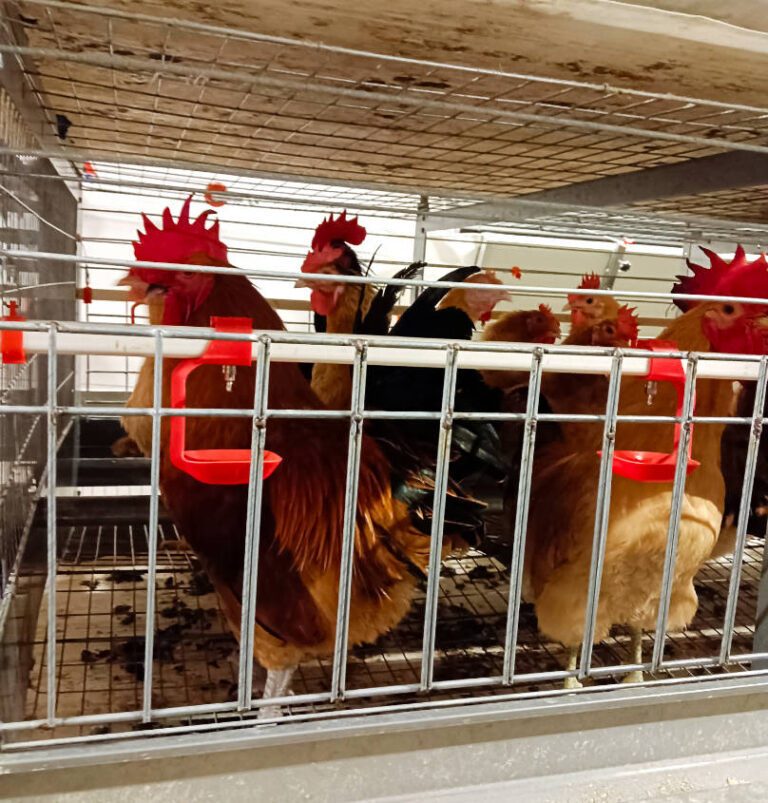
A battery cage system in poultry management is a housing setup used mainly for layer hens. The system puts birds into rows and columns of cages. This makes good use of space in a tight layout. Each cage supplies feed, water, and egg collection tools. These features help keep output steady and care simple. This approach to battery cage poultry farming gives farmers more control over conditions and flock health.
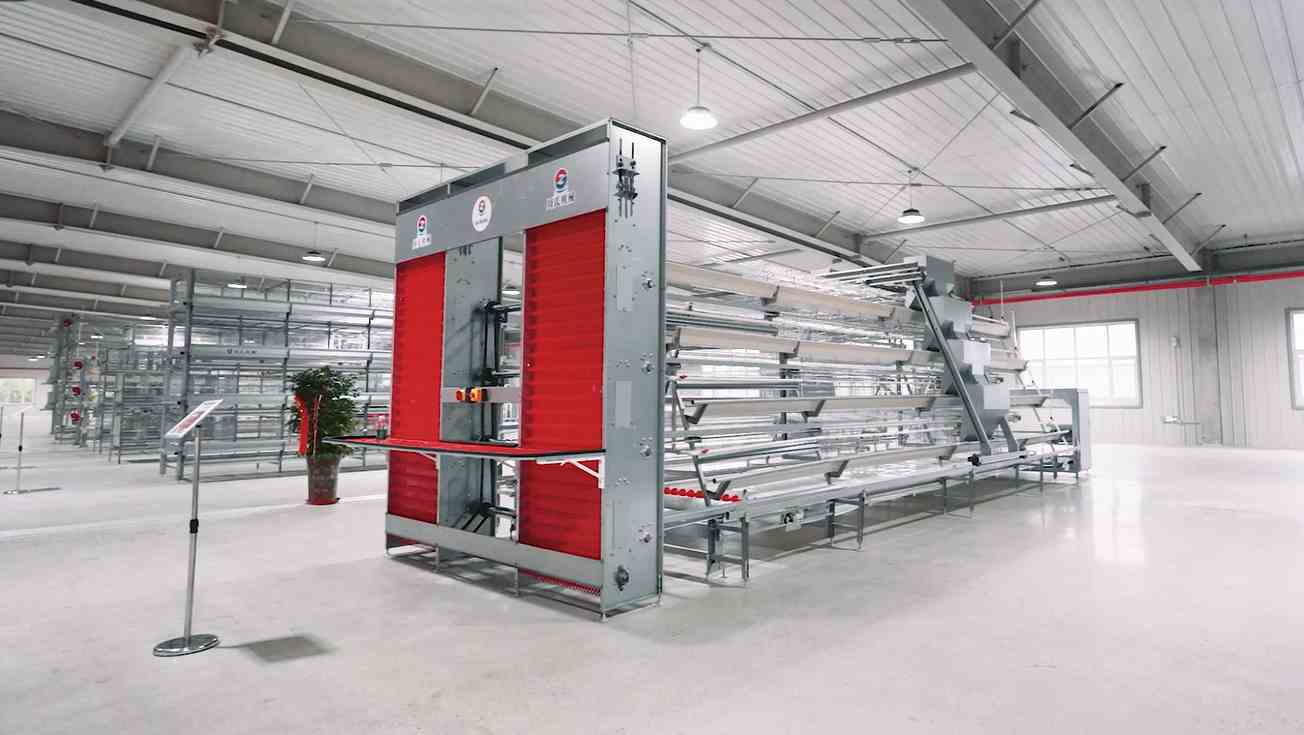
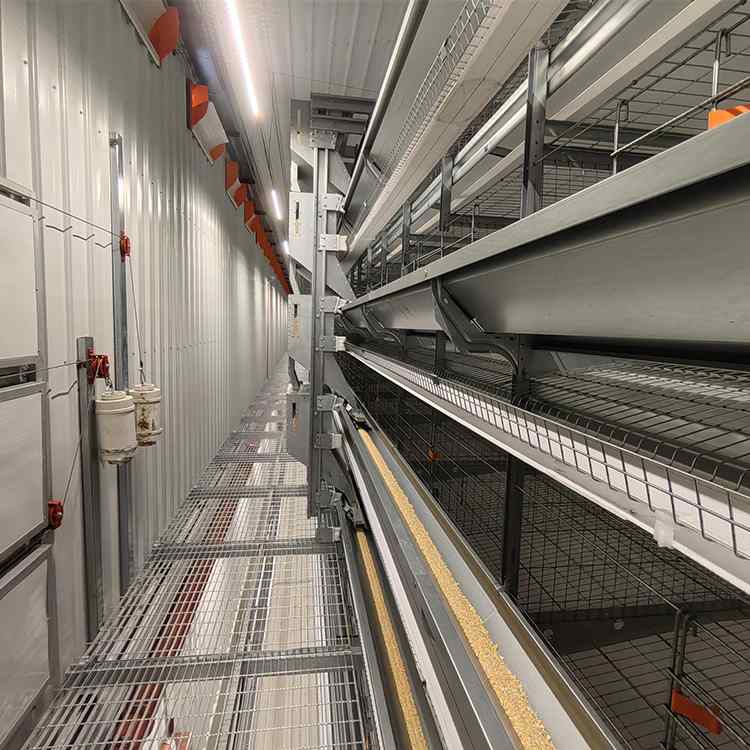
In a modern battery cage design, machines handle much of the work. Feeding, watering, manure removal, and egg collection often run on their own. The feeding system uses a drive unit. Our firm made a leveler that also feeds. It cuts feed waste from crowding, adds weight to the leveler, and improves how level the feed sits. These machines cut labor needs, limit feed loss, and raise egg quality.
Key Components of a Standard Battery Cage Setup
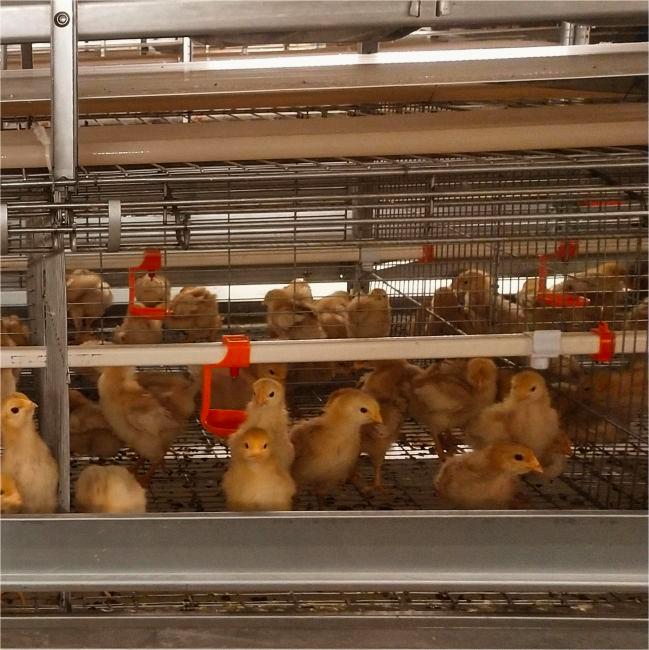
A typical battery type cage setup uses several parts that work together:
- Cage Frames:These are built from galvanized steel or zinc-aluminum-magnesium plates. The plates resist rust and last longer. All cage frames use corrosion resistant zinc-aluminum-magnesium plates.
- Feeding and Watering Systems:Automated lines spread feed evenly across tiers. A front filter keeps water clean. There are 2 nipple drinkers per cage. This setup gives enough water and makes drinking easy.
- Manure Removal Systems:Belts or scrapers move waste out fast. They help keep the place clean.
- Lighting and Ventilation:The lights use 48V LED bulbs. These bulbs are waterproof, run on safe low voltage, and spread light evenly. Fans and cooling curtains bring in fresh air and hold steady temperatures for the hens.
Evaluating the Costs of Battery Cage Systems
What Factors Influence the Cost of a Battery Cage System?
The full cost of a battery system poultry farming setup depends on several points:
- Material quality. Galvanized steel or Zn-Al-Mg alloy changes how long the setup lasts.
- Level of automation. Manual versions cost less at first but need more daily work. Full automatic versions save time over the years.
- Installation needs. Setups with many tiers need stronger supports.
- Maintenance costs. Regular cleaning, fixes, and new parts add to ongoing spending.
Cost Comparison: Battery Cages vs. Other Poultry Housing Methods
Battery cages cost more to install than floor or aviary systems. Yet they bring lower running costs later. The frame design is practical, the build is solid, the stocking density is high, and the total spend stays low. The advantages of battery cages include less feed waste from controlled feeding and better disease control because birds stay in separate spots. Higher density also means more eggs per square meter. This helps large farms grow output.
Advantages of Using Battery Cage Systems in Poultry Farming
Why Are Farmers Choosing the Battery Cage System?
Farmers prefer battery cage chicken farming because it uses space well and makes daily care easier. Birds in cages show less fighting since each has its own area. The clear setup lets workers check health or output issues quickly.
Productivity Benefits for Layer Operations
Steady conditions in an automatic battery cage system lead to even egg size and shell strength. The egg collection system runs smoothly, breaks fewer eggs, is simple to use, and works with little help from staff. Automation cuts labor needs while keeping feed times and light cycles on track. Separate compartments also limit disease spread between groups.
Addressing Concerns About Bird Welfare in Battery Cages
Are Battery Cages Humane for Poultry?
Modern chicken battery cage design meets welfare rules by giving each bird enough room. The climate control system runs on smart settings. It creates a better space for the birds, lowers death rates, and raises egg output. Good airflow stops heat stress, and LED lights follow natural day and night patterns.
Balancing Efficiency with Ethical Considerations
Farmers can mix efficiency with welfare steps. They can choose furnished cages that add activity zones or dust-bath spots like aviary systems. Staff training helps workers handle birds with care during feeding or cleaning.
Enhancing Efficiency Through Smart Poultry Management Practices
How Can Farmers Maximize Efficiency in Battery Cage Operations?
To get better results from battery cage farming, farmers can add digital tools that track feed use and laying rates. Regular vet checks cut death rates and keep output steady. Dimmable LED lights let farmers set the right brightness for steady laying cycles.
Data from sensors helps with daily choices. The sensors warn about temperature shifts or low water before these issues hurt the flock.
ZEUSYANG’s Contribution to Modern Poultry Farming Solutions
Why Choose ZEUSYANG for Your Battery Cage System Needs?
At ZEUSYANG, we build advanced battery cages for poultry for farms of many sizes. Small producers and large commercial sites both use our gear. We make the equipment from rust-resistant materials. The systems include automatic feeding, watering, manure removal, and climate control. These features support long-term use. ZEUSYANG focuses on design, production, and sales of livestock and poultry equipment. We give full technical help from setup to ongoing care so the equipment runs well in any setting.
Key Features of ZEUSYANG’s Poultry Equipment Lineup
Our modular designs fit different flock sizes. This is a customizable solution that can be designed to accommodate 2 to 12 tiers depending on requirements. The machines use little power yet run steadily. We also focus on after-sales care. Our team supplies spare parts and gives practical advice to extend equipment life and raise farm earnings.
FAQ
Q: What is the average lifespan of a battery cage system?
A: A well-maintained battery cage system usually lasts 10 to 15 years. The exact time depends on material quality and site conditions.
Q: How many chickens can fit into one battery cage unit?
A: Capacity changes with the model. Most standard cages hold 3 to 5 hens per section while meeting welfare space rules.
Q: Is the battery cage system suitable for small-scale poultry farmers?
A: Yes. Modular units support growth. Small farms can begin with fewer tiers and add more later without big building changes.