
Comparing Automatic and Manual Poultry Cage Systems
What Defines an Automatic Poultry Cage System?
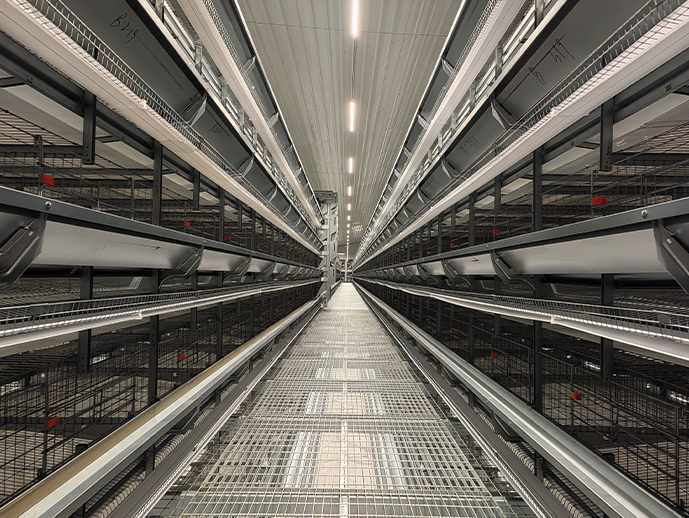
Automatic poultry cage systems are modern arrangements made to simplify poultry management with combined automation. They include feeding, watering, egg collection, and waste removal inside one linked setup. These systems use sensors, motors, and programmable controllers to keep good performance in every step. Automation in poultry cage design cuts down on manual labor and keeps steady work all day long.
How Do Manual Poultry Cage Systems Operate?
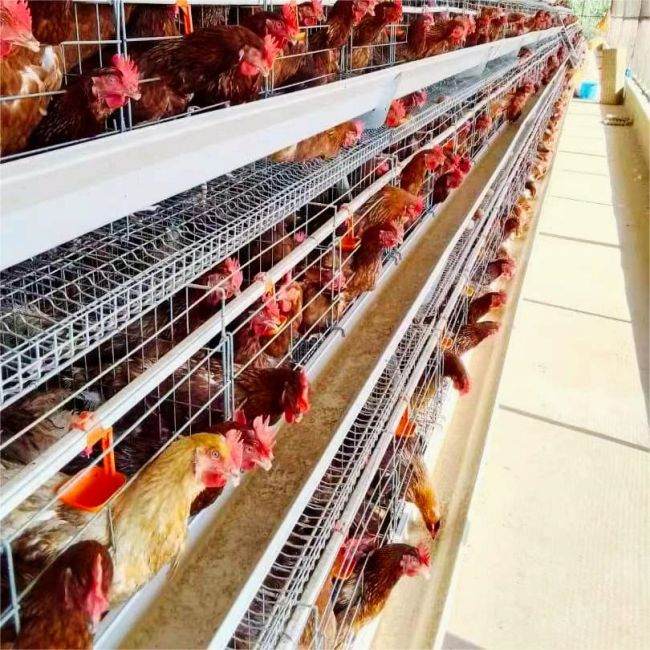
Manual poultry cage systems depend a lot on human work for daily tasks like feeding, cleaning, and egg collection. Farmers have to watch bird health by hand and change conditions in the house based on what they see. These systems often appear on small or older farms because they cost less to start. Still, they take more time and physical work than the automated choices.
Manual types of poultry cages usually have no machines to help spread feed or handle waste. Because of this, output rests mostly on how many workers there are and how steady they are.
Evaluating Efficiency in Poultry Farming Operations
Labor and Time Management in Different Systems
Automatic poultry cage systems cut down on repeated hand tasks such as feeding or waste removal. This lets farm operators handle bigger flocks with fewer people while keeping high levels of cleanliness and care. Manual systems need steady human focus to reach the same output levels.
The difference in efficiency affects profit directly because lower labor needs mean lower running costs. In a large-scale layer cage system, poultry farm workers grow without hurting the animals.
Feed Distribution Accuracy: Does Automation Make a Difference?
Automated feeders give even feed amounts across all cages with sensor checks that keep the portions exact. Even feeding helps birds grow at the same rate, and cuts feed waste, which matters for cost control.
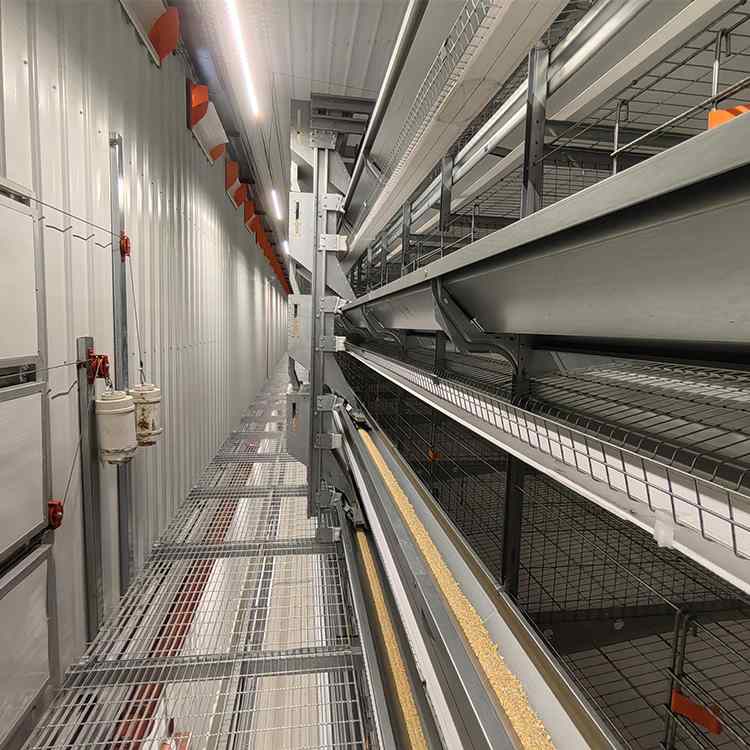
Each row of cages has its own feeding unit. The unit moves back and forth and is run from a control panel for exact feed delivery. Every tier has an adjustable feed regulator so the amount can be set to match different growth stages and feed needs. This shows how automation improves steadiness over hand feeding, which can cause uneven spread or too much feed.
Environmental Control and Bird Welfare
How Do Cage Systems in Poultry Affect Air Quality and Comfort?
Air quality matters for bird welfare inside any poultry cage construction. Automated ventilation units control temperature and humidity to keep the comfort right for good growth or egg output.
A good poultry house must have tight seals, strong heat insulation, smooth inner walls and roof, and clear airflow paths. This keeps air movement and house temperature under control. Good airflow stops ammonia from building up and causing breathing problems in birds. Manual systems usually depend on natural airflow or changes made by workers from time to time.
Impact of Lighting, Watering, and Waste Removal on Bird Health
Lighting Management Strategies
Automated lighting plans copy natural day and night cycles that support the laying pattern of hens. Steady light helps keep egg output stable over time and lowers stress problems.
Watering Systems Comparison
Automated watering lines give clean water all the time with low risk of dirt through nipple drinkers or built-in filters. Manual watering often leads to uneven water supply or spills that can raise bacteria levels.
Waste Handling Efficiency
Automatic manure cleaning machine links to the manure belt under each cage to move waste outside. You can start or stop the whole system at once for better ease and cleanliness. Automated manure belts raise hygiene by clearing waste often and keep workers away from germs. Manual cleaning needs frequent hard work that raises disease risks inside types of cage system in poultry settings.
Cost Analysis: Investment vs Long-Term Returns
Is the Higher Initial Cost of Automation Justified?
Although automatic poultry cage systems need more money at the start because of parts like motors and sensors, they bring clear long-term gains through lower labor costs and better use of resources. Over time, these savings cover the first spend by cutting running costs per bird.
Farmers who use automated designs see better growth options since adding modules is enough for expansion, and no big rise in worker numbers is needed. This is a real plus for commercial farms that want steady growth.
Maintenance Requirements for Both Systems
Automated cages need regular technical checks, such as testing motor function or adjusting sensors, yet they need less daily monitoring overall. Manual setups have fewer machine repairs but need ongoing human effort for cleaning and feeding tasks.
Technological Integration in Modern Poultry Farming
How Smart Features Enhance Cage System Performance in Poultry Farms
Sensor-Based Monitoring Tools
Sensors placed in modern poultry cage systems track feed levels, humidity, temperature, and egg numbers on their own. This gives farmers live updates on flock conditions without waiting for hand checks.
Data Analytics for Farm Optimization
Data from the sensors supports forecasts that help decide on feed changes or climate settings. This improves both output numbers and bird welfare across all types of poultry cages used in commercial work today.
ZEUSYANG’s Contribution to Advanced Poultry Cage Systems
At ZEUSYANG, we focus on making advanced automatic solutions for commercial farms around the world. We works on the design, build, and sale of livestock and poultry equipment. Our range includes full automation features built for long life and simple use.
Our H-type layer cage system is a flexible solution that can be made with 2 to 12 tiers to match needs. The system brings together egg collection, feeding, watering, manure cleaning, lighting, environmental control, and IoT links. These keep output goals and bird welfare in balance within our layer cage system poultry farm setups.
Our automatic poultry farm solutions focus on energy savings while keeping clean conditions through built-in manure belts and climate units that work for farms of many sizes worldwide.
FAQ
Q: What is the main advantage of using an automatic cage system in poultry farming?
A: Automatic systems cut manual labor and raise steadiness in feeding, watering, and cleaning. This leads to better output and bird health.
Q: Are automatic poultry cage systems suitable for small-scale farms?
A: Yes. Smaller farms can gain from modular automation setups that grow with output. A cost check should come first before big spends, based on funds on hand.
Q: How often should a poultry farmer maintain an automatic cage system?
A: Routine checks every few weeks are advised to keep motors, sensors, and belts running well. Preventive care helps lengthen equipment life across various types of cage systems in poultry work.