
Common Poultry Brooder Cage Errors That Lead to Chick Loss
What Happens When Temperature Control Fails in a Poultry Brooder Cage?
In any poultry brooder cage, temperature regulation decides if chicks grow well or die. Too much heat often leads to dehydration and breathing trouble. Low heat slows down body processes and brings weakness, plus more deaths. Heat sources that switch on and off create both cold and warm areas inside the chicken brooder cages. Chicks then gather in uneven groups.
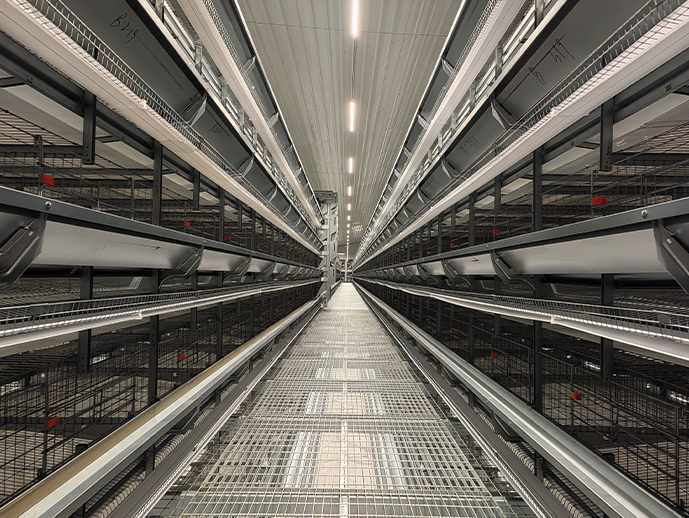
A well-engineered brooder cage design adds automatic heating units. These units keep a steady warmth across the whole space. A chicken cage is a chicken cage designed for chicks. The brooding and rearing periods are reasonably designed in one cage, from one day to 7-13 weeks. This design keeps chicks in steady conditions during their weakest time.
Inadequate Ventilation and Air Quality Issues
Poor airflow inside poultry brooder cages raises the humidity too much. Mold and bacteria then grow fast. Ammonia from droppings bothers chicks’ eyes and lungs. Chicks eat less and catch breathing infections. Good airflow setups must give enough oxygen yet avoid drafts that cool the birds. The long axis of the chicken house should be oriented north-south. The air outlet should be facing the downdraft according to the local direction. Such orientation helps maximize natural airflow while maintaining biosecurity standards.
Feeding and Watering Mistakes Inside Poultry Brooder Cages
Are You Providing the Right Feed for Newly Hatched Chicks?
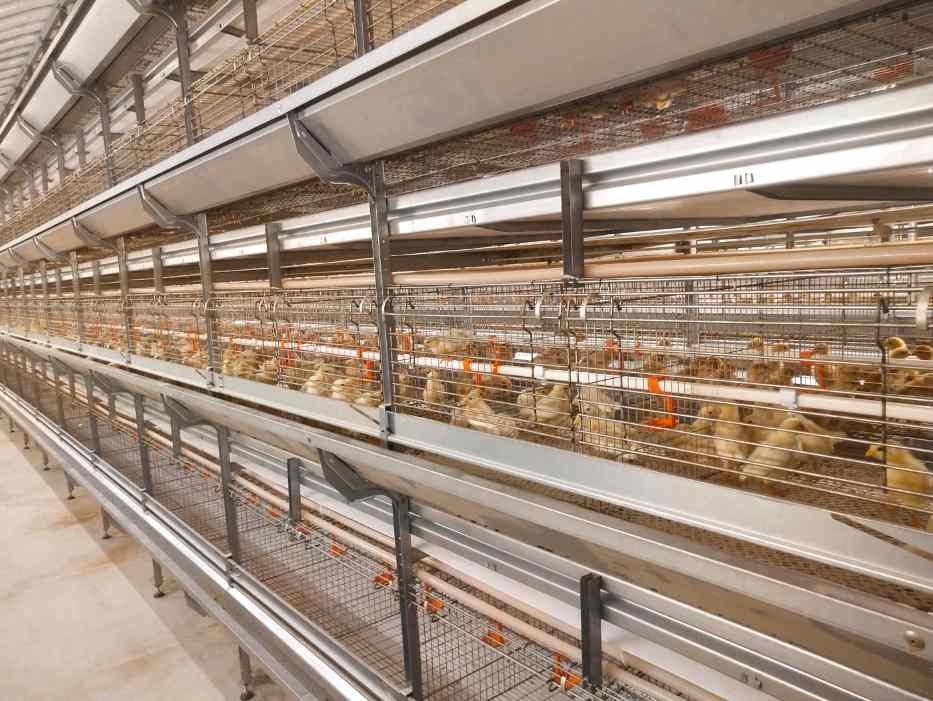
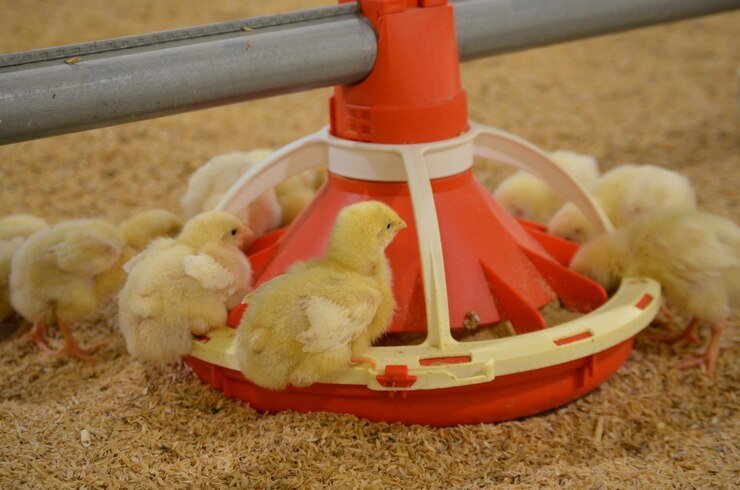
Feed management errors rank high among reasons for weak chick growth in poultry brooder cages. Wrong feed size or missing nutrients can slow growth. Bad feed also brings in harmful germs. Starter feed needs the right protein and key vitamins to build strong immunity. The feed trough is plugged in seamlessly to avoid wasting feed. This feature ensures efficient feeding without spillage, allowing chicks equal access to nutrients essential for even growth.
Water Management Errors That Endanger Chicks
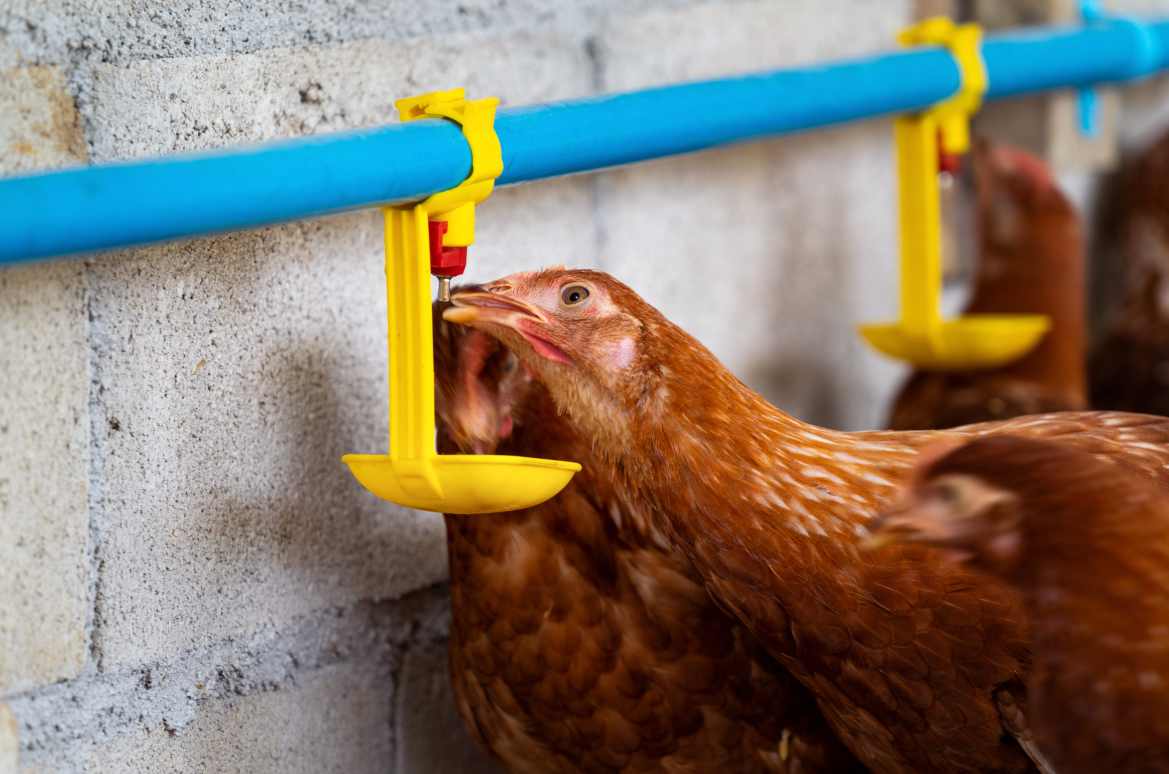
Water quality affects how many chicks live inside the chicken cage for brooder setups. Dirty water spreads sickness like coccidiosis. Deep bowls raise drowning chances. Shallow trays stop accidents but need regular cleaning to keep the water clean. Each water line can be adjusted up and down to meet different drinking water needs for chickens of different growth sizes in different cages. Automatic drinkers must be checked often for leaks or clogs that cut off the water supply.
Space, Lighting, and Bedding Problems in Brooder Cages
How Does Overcrowding Affect Chick Health?
Too many chicks in one space limit movement inside poultry brooder cages. Stress rises, and chicks peck each other more. Extra body heat and moisture push humidity higher and cause breathing problems. Good space ratios help every chick grow at the same pace. Vertically stacked chicken cages save floor space, increase the number of animals raised, and reduce labor and management costs. Such configurations improve efficiency but must still adhere to recommended density standards.
Lighting Duration and Intensity Mistakes
Lighting controls how chicks eat and rest inside brooder cages. Light all the time breaks sleep. Weak or uneven light makes it hard for chicks to find food and water. Steady light plans keep energy even and growth steady. Adopting 48V LED lighting, it is waterproof, safer, and provides more uniform lighting. This ensures optimal visibility without overheating the environment.
Bedding Choices That Can Harm Chicks
Bad bedding can cause leg problems or breathing trouble from dust. Slippery floors slow early movement and raise injury risks. Changing bedding often stops bacterial growth that leads to sickness or bad smells inside poultry brooder cages.
Cleaning, Maintenance, and Biosecurity Oversights
Why Regular Cleaning of Poultry Brooder Cages Is Essential
Dirty spots hold germs that spread fast among chicks in tight groups. Cleaning gear between groups cuts cross-contamination risks a lot. Set cleaning steps improve flock health by lowering contact with sickness causes. The device is linked to the feces cleaning belt under each cage to automatically clean. This automation reduces manual labor while maintaining hygiene consistency across large-scale operations.
Ignoring Biosecurity Measures in Small Flocks
Skipping biosecurity steps like visitor rules or tool cleaning lets sickness enter poultry houses. Shared items move germs between spaces with ease.
Integrating Technology and Reliable Equipment for Better Results
How Modern Poultry Brooder Cage Designs Improve Chick Survival Rates?
New technology brings better control inside modern brooder cages. Automatic temperature units keep warmth even across every level. Smart sensors track humidity at once. Can be equipped with the Internet of Things system to detect environmental information. Strong materials like hot-dip galvanized steel last up to 20 years and make cleaning simple. These points help reach higher chick survival rates.
ZEUSYANG’s Contribution to Safer Poultry Brooding Systems
ZEUSYANG’s Poultry Brooder Cage Solutions for Healthier Chicks
At ZEUSYANG, we build advanced poultry brooder cage solutions that support chick health with exact engineering. Our stacked chicken coop systems use strong heating parts. These parts give even warmth and avoid cold spots in every section. We design ventilation-enhanced models that optimize airflow without producing drafts harmful to young birds’ respiratory systems.
Our products feature corrosion-resistant galvanized structures built for longevity—each unit supporting both brooding and rearing stages efficiently from one day old up to 13 weeks of age. This product is a cage designed specifically for chicks. With a well-designed brooding period, a single cage can house chicks from one day to 7-13 weeks. Every detail—from adjustable water lines to automated manure removal belts—is engineered for ease of operation and reduced maintenance demands on farmers.
Why Farmers Choose ZEUSYANG Equipment for Long-Term Efficiency
Farmers pick our poultry brooder cages because they mix low energy use with long life. Our designs cut running costs through smart resource use while keeping high output across groups. Stacked chicken coop: type a chicken coop, layer cage, broiler cage options allow customization according to farm scale—whether small family holdings or large commercial facilities—ensuring consistent performance under varying environmental conditions.
Our integrated IoT-enabled monitoring systems provide real-time environmental feedback so farmers can adjust conditions instantly if deviations occur. Excellent corrosion resistance and long service life, 15 – 20 years. This reliability translates into lower mortality rates over time as optimal living conditions are maintained consistently throughout each production cycle.
FAQ
Q: What temperature should a poultry brooder cage maintain for day-old chicks?
A: A steady temperature near 95°F (35°C) works best in the first week. Lower it by 5°F each week until chicks grow full feathers.
Q: How often should I clean my poultry brooder cage?
A: Remove droppings and wet bedding every day. Do a full clean and disinfect between groups to stop disease spread.
Q: What type of bedding is safest for chicks in a brooder cage?
A: Pine shavings or paper-based bedding work well. They give good grip, soak up moisture, and cut dust compared with sand or sawdust used in less-controlled settings of traditional chicken cages for brooders.