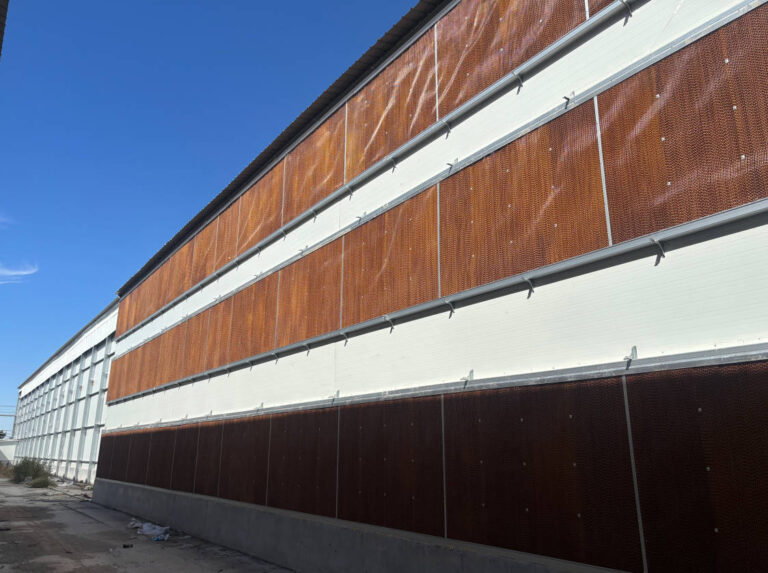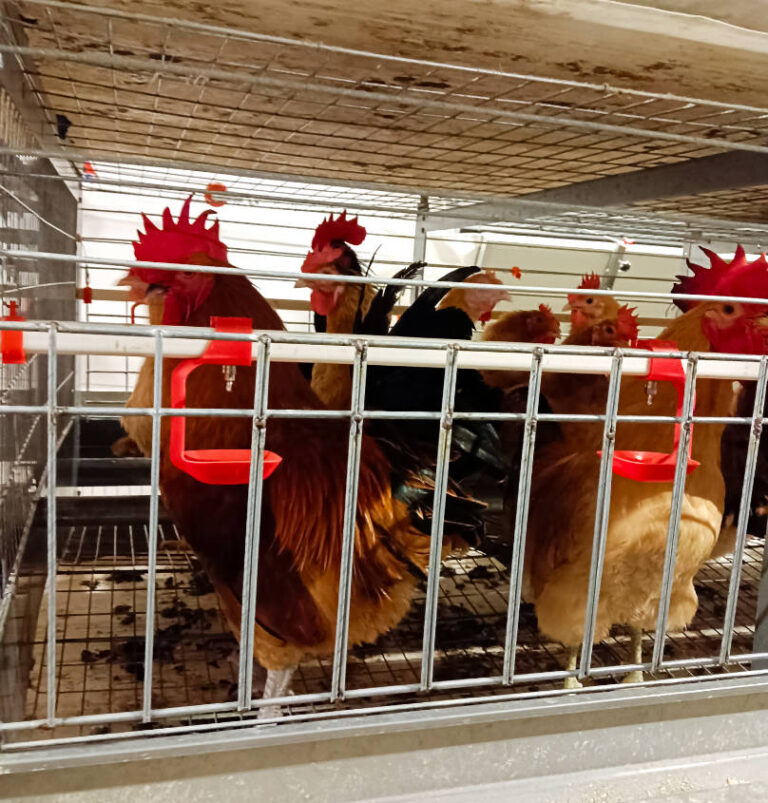

Overview of Poultry Cage Systems
What Are the Main Types of Poultry Cages?
Poultry cage systems play a key role in today’s poultry farms. They create managed spaces that boost output and keep things clean. The main types of poultry cage cover A-Type, H-Type, Layer, Broiler, and Brooding setups. Each one fits a clear farming need. Some handle young chicks while others focus on egg output or meat growth. All form part of one poultry cage system that helps use space well and keeps daily work smooth.
How Do Poultry Cages Improve Farm Efficiency?
Good poultry cage design helps farms run better. It makes full use of vertical space with stackable chicken cages. It also cuts disease spread and keeps air moving well. Automated feed, water, and manure systems lower labor needs. They also give steady feeding times. Solid poultry cage construction keeps birds at ease. This leads to better feed use and stronger flock health.
A-Type Poultry Cage Systems
Key Features of A-Type Cages
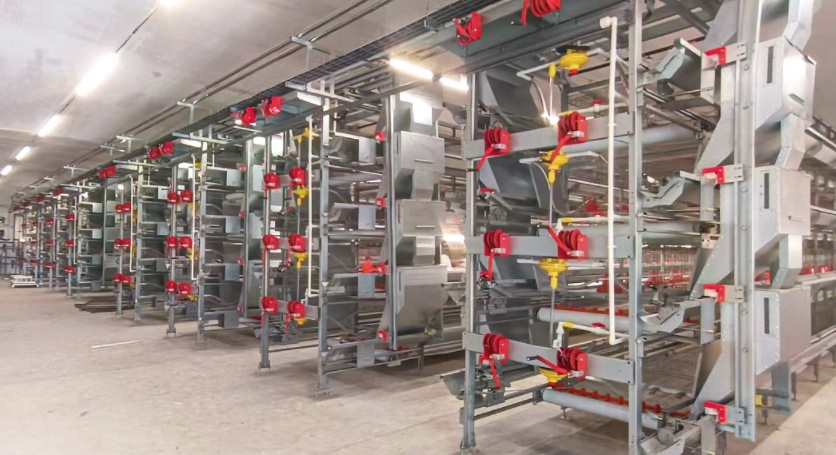
The A-shaped Cage features a pyramid structure that is well-suited for small and medium-sized farms. Its setup is simple, and upkeep is equally straightforward. The open-tier design allows for unobstructed air circulation, and light can reach every level evenly.
Advantages and Limitations of A-Type Systems
A-Type systems cost less at the start. They run in a simple way. Open tiers make cleaning straightforward. Farms that need less automation find them useful. Yet they use space less well than H-Type cages. Larger flocks may need more hand work. Type A laying hen cages come in 3 to 4 layers. They split into automated and non-automated kinds. Farmers can pick the style that matches their farm size.
H-Type Poultry Cage Systems
What Makes H-Type Cages Different?
H-Type cages stand in a tall “H” shape. They pack many birds into a small floor area. H-type (stacked) chicken cages suit large closed chicken houses. Farms with over 25,000 birds in one house often choose them. Big commercial sites like the design. It pairs well with full automation and easy growth.
Performance Benefits of H-Type Designs
The H-Type frame follows careful planning. It matches broiler growth needs and keeps stress low. Birds stay healthy and gain weight on time. Our range of Poultry Farm Equipment covers feeding systems, cabinets, incubators, and egg collection tools. These parts work together. They cut hand work in feeding, waste handling, and egg gathering.
Layer Cage Systems for Egg Production
How Do Layer Cages Support Egg-Laying Efficiency?
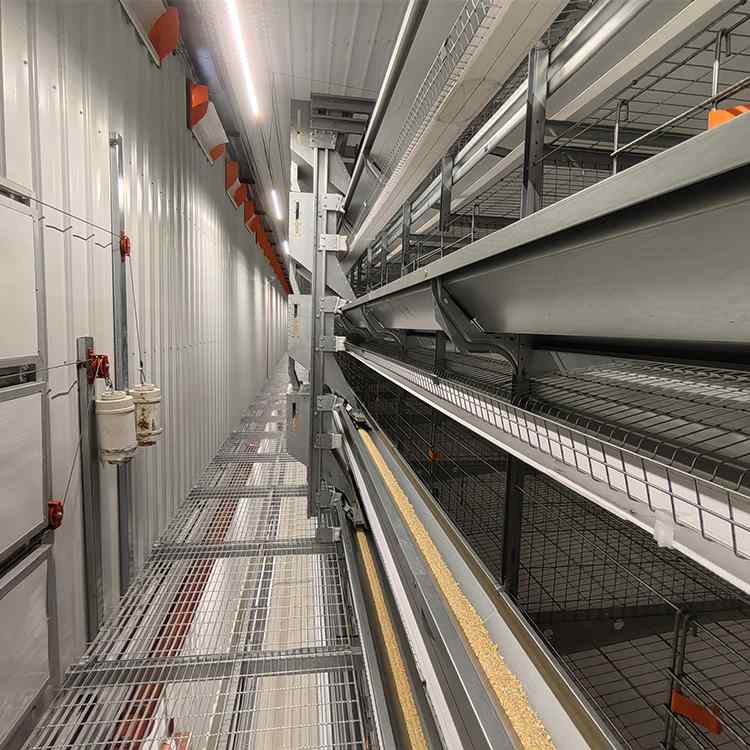
Layer poultry cages use sloped floors. Eggs roll gently into collection trays and stay unbroken. Hens stay apart from droppings. This keeps eggs clean. Farmers can set steady light cycles inside the cages. The cycles help hens lay eggs at a regular pace all year.
Structural Design Variations in Layer Cages
Layer cages come in single-tier or multi-tier forms. Choice depends on farm size and airflow needs. ZEUSYANG H-Type Layer Cage System fits modern egg farms. It joins with automatic egg conveyors. Large sites often add these conveyors for fast collection inside layer poultry cage setups.
Broiler Cage Systems for Meat Production
Why Choose Broiler Cages Over Floor Rearing?
Broiler cage equipment gives clear gains over floor rearing. It raises cleanliness and cuts bird contact with waste. Feed spreads evenly. Birds grow at the same rate. Temperature stays steady across every tier.
Design Elements That Influence Growth Rates
Broiler cages give each bird enough room. This stops crowding stress. Our units include strong ventilation and manure cleaning systems. They create a steady setting for fast growth. Air moves well. Temperatures stay right for quick weight gain and green farming habits.
Brooding Cage Systems for Chicks
What Is the Purpose of Brooding Cages?
Brooding cages serve chicks from 0 to 4 weeks old. They supply steady heat, airflow, and light. These steps help chicks stay alive in the first weeks. The setup lowers death rates during early growth.
Key Features Supporting Chick Development
The chicken guard sits higher. Chicks eat from under it. A feeding pedal clips to the trough edge. It helps chicks reach feed and stops manure from the upper tiers from falling into the lower troughs. Heat parts can be adjusted. They keep the right brooding warmth. Fine mesh floors stop leg problems in young chicks. These points matter most in early poultry cage system care.
Comparing A-Type vs H-Type Poultry Cage Systems: Which Should You Choose?
Factors Influencing Your Selection Decision
1. Farm Size and Production Goals
Small farms gain from A-Type ease. Manual systems cost less and install faster. Large commercial sites pick H-Type cages. They hold more birds in tight spaces and are linked with full automation.
2. Budget Considerations
A-Type cages need less money at the start. Yet they can raise labor costs later. H-Type systems cost more upfront. They cut long-term costs through automation, such as auto manure removal and feed lines.
3. Maintenance Requirements
A-Type cages allow simple hand checks because tiers stay open. H-Type cages lower direct contact. Machines handle checks instead. This helps keep high biosecurity on big sites.
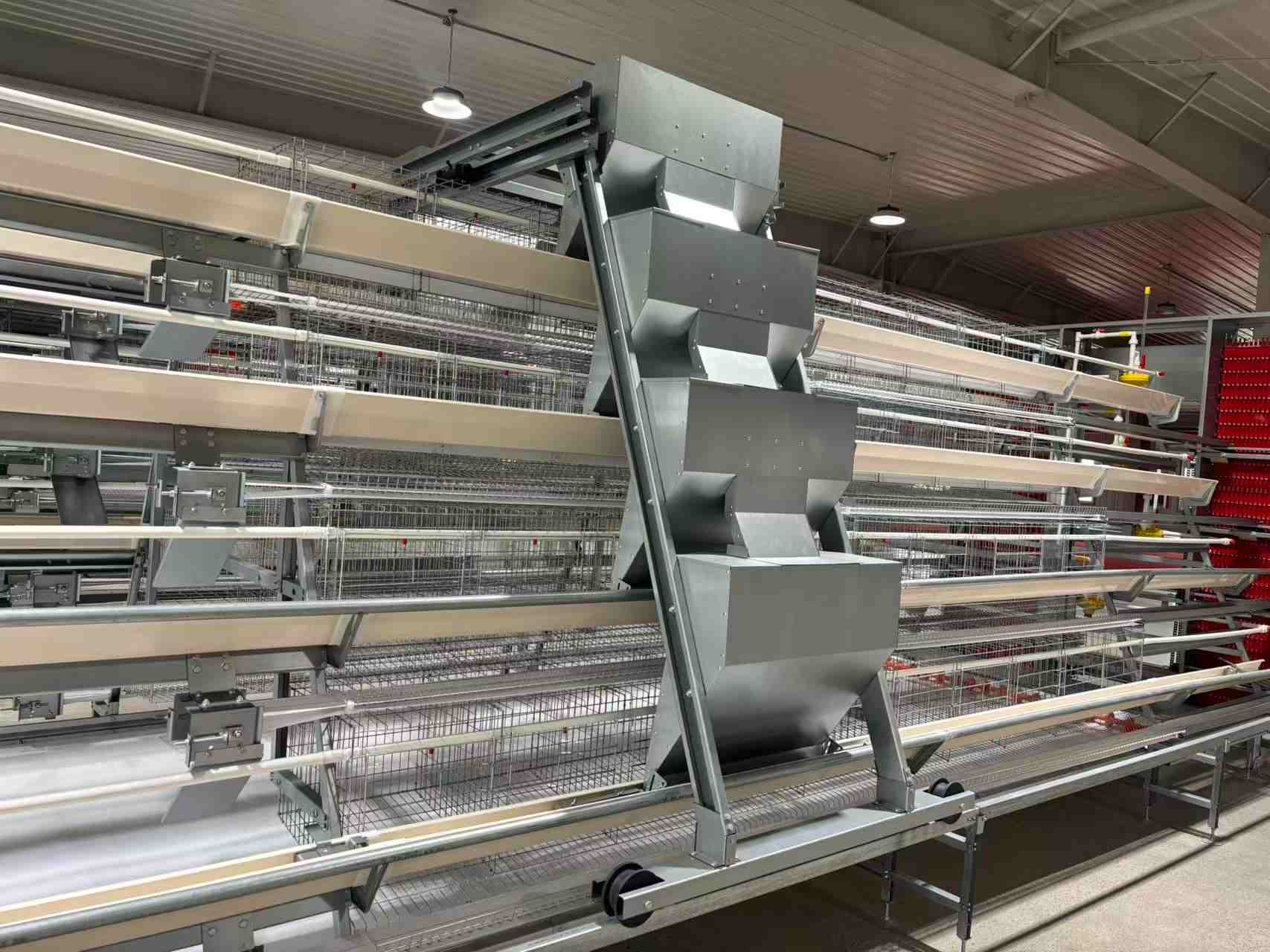
ZEUSYANG’s Contribution to Modern Poultry Farming Solutions
ZEUSYANG’s Range of Poultry Cage Products
At ZEUSYANG, we build strong poultry housing for many climates and goals. We offer A-type, H-type, layer, broiler, and brooding cages. They fit both small family farms and large industrial sites around the world.
Innovation and Quality Standards at ZEUSYANG
We add smart automation to every model. IoT climate controls, auto feed lines, water systems, egg collectors, and waste conveyors come as standard. We use high-grade magnesium-aluminium-zinc metal. It gives long life and steady strength. The cages handle heavy daily use. Galvanized steel meets ISO9001 rules. Service life reaches 20 years with normal care.
FAQ
Q: What Is the Difference Between Layer and Broiler Cages?
A: Layer cages focus on comfort and clean egg output. Broiler cages aim at fast growth through steady feed use and special broiler cage equipment designs.
Q: Are A-Type or H-Type Cages Better for Large Farms?
A: H-Type cages suit large commercial farms better. They hold more birds in small spaces and allow full automation across many tiers.
Q: How Long Does a High-quality Poultry Cage Last?
A: Galvanized steel cages last 15 to 20 years with regular care. Life length depends on weather exposure and daily use intensity.