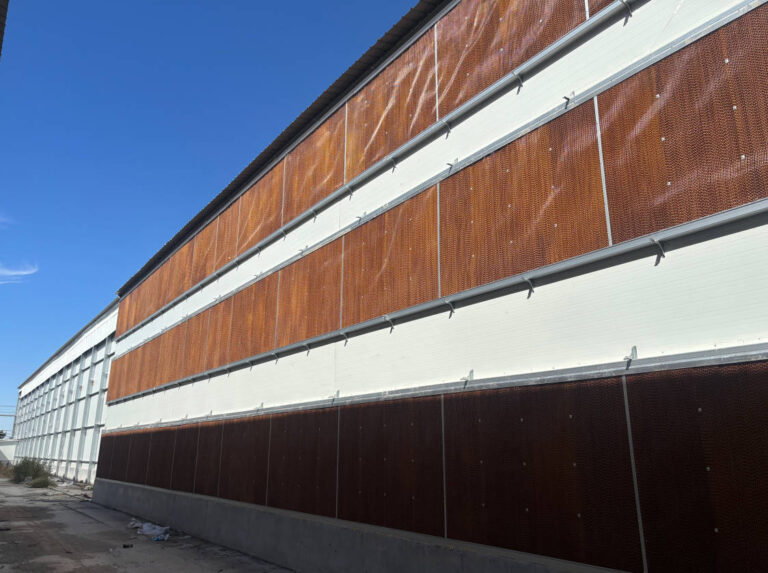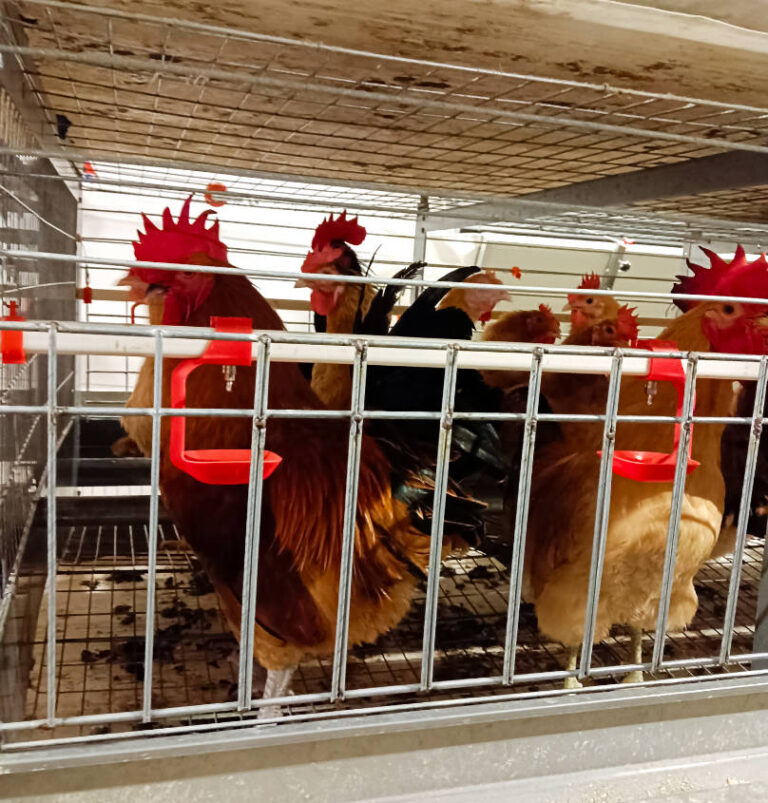

What Are Automated Poultry Cages and How Do They Work?
Automated poultry cages are modern farming systems. They help handle daily poultry tasks. These tasks include feeding, watering, egg collection, and waste removal. The cages form a key part of current poultry cage design. This design focuses on better efficiency and animal welfare.
Key Features of Automated Poultry Cage Systems
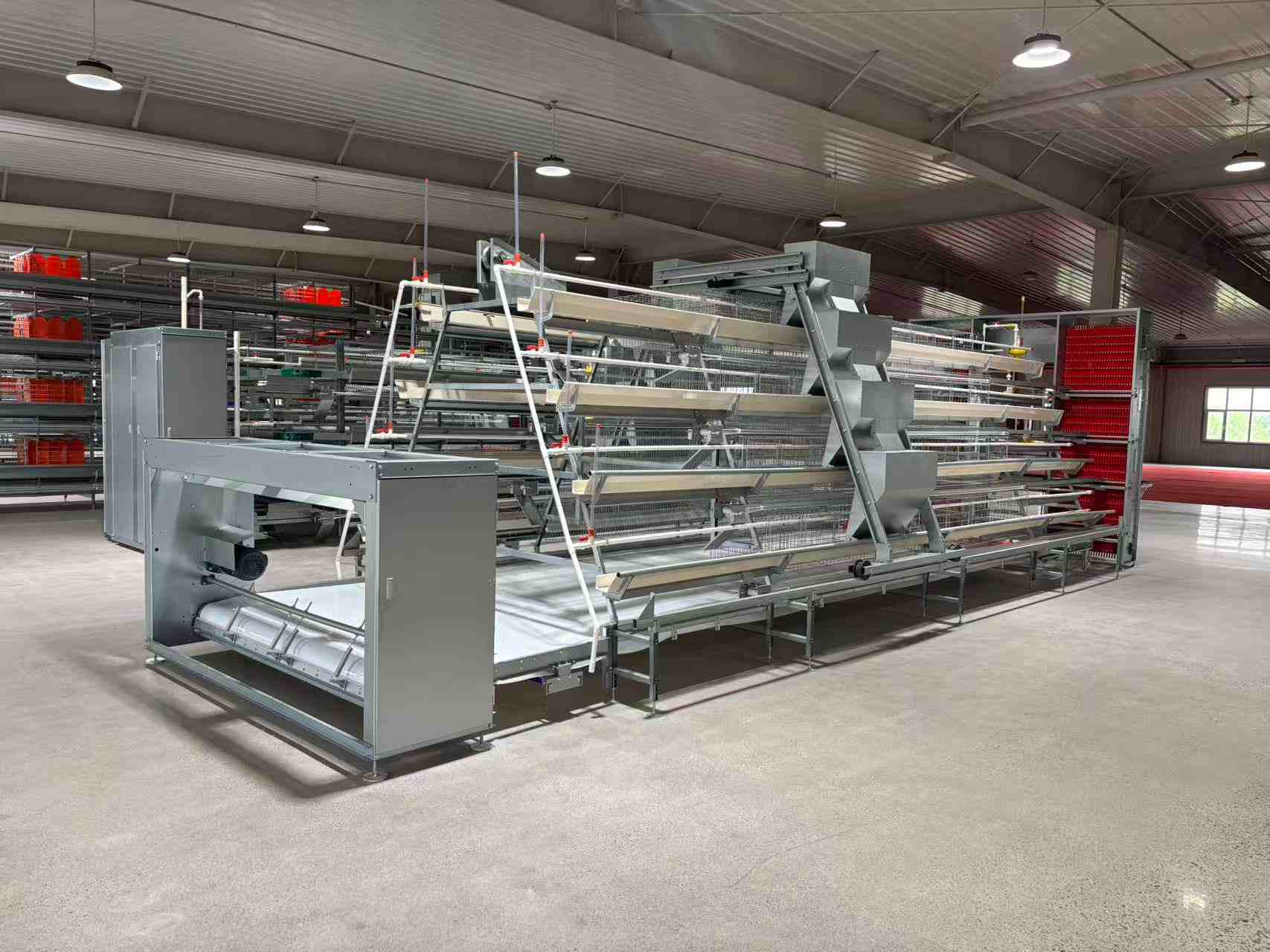
Automated poultry cages often come with feeding lines. These lines spread feed evenly across every tier. They also have drinkers that keep water flowing without stopping. Egg collection conveyors move eggs quickly. Manure belts take waste away in a clean way. Chicken-raising equipment reaches a high level of automation. Cleaning manure, feeding, and picking up eggs happen with simple button presses. Smart sensors track temperature, lighting, and humidity. They keep conditions steady for steady egg output.
Why Are Farmers Choosing Automation in Poultry Farming?
Farmers now turn to automation for steady output quality. It also cuts down on manual work. The system lowers stress for birds. They hold even conditions all day long. Automated manure removal keeps things clean and helps stop disease. Precision feeding in layer poultry cage setups improves feed use. It gives the right amount at the right moment.
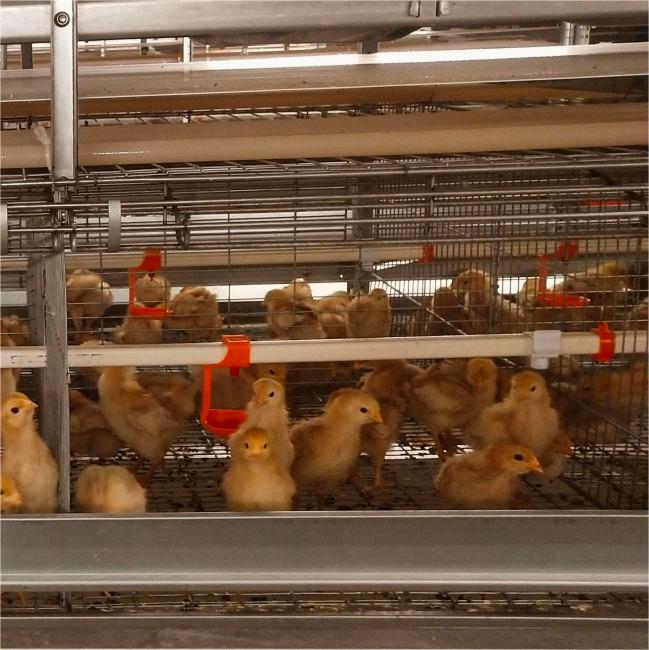
Factors That Influence the Cost of Automated Poultry Cages
Material Quality and Durability
Material choice affects cost in a big way. Galvanized steel or PVC-coated wire works well in poultry cage construction. It resists rust and lasts longer. Better materials raise the first cost. Yet they cut later repair needs.
System Size and Capacity
Cost also depends on bird numbers per unit or tier. Multi-tier or stackable chicken cages use space well. They need more money because of the added structure. Large farms gain from scale when they pick multi-level designs.
Level of Automation and Technology Integration
Basic models may handle only feeding or watering. Advanced setups add full automation. This covers lighting control, environment checks, and automated egg collection. Some link to IoT platforms for live data. Our system uses fully automatic solutions. These cover feeding, watering, egg collection, manure cleaning, lighting, and environmental control. They cut labor needs and running costs. They also raise breeding results and ease management.
Installation and Maintenance Expenses
Expert installation keeps safety rules and best performance. Maintenance like oiling parts or cleaning sensors adds years to the gear. It also stops big repair bills.
How Much Do Automated Poultry Cages Typically Cost?
Price Range by Farm Scale
Small farms that want basic automation spend a fair amount. They may add automatic feeders or drinkers to a few cage sets. Medium farms use multi-tier layer poultry cage systems with partial automation. They pay more for higher capacity. Large commercial farms choose full climate setups. They face higher start costs but gain strong efficiency.
Regional Price Variations
Local labor rates, shipping fees, material supply, import taxes, and duties change total prices. Farms near factories often save on transport costs. Remote areas pay more.
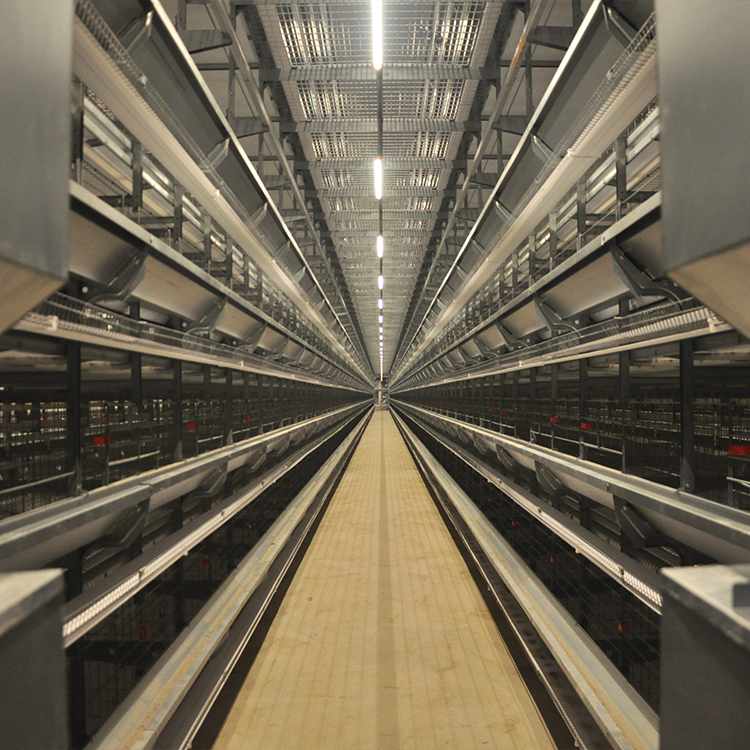
What Should You Consider Before Purchasing Automated Poultry Cages?
Evaluating Your Farm’s Production Goals
Check flock size and long-term goals before any purchase. Match cage capacity to growth plans. This avoids frequent changes later.
Assessing Power Supply and Infrastructure Needs
Automation needs steady power. Backup generators or solar units help avoid outages. Good ventilation and drainage keep birds healthy in closed houses.
Comparing Manual vs Automated Systems: Is It Worth the Investment?
Manual setups cost less at first. Automation saves labor over time. Steady feeding from automation boosts output. This leads to faster returns through more eggs per hen.
How to Set Up an Automated Poultry Cage System Efficiently?
Site Preparation and Layout Planning
A good setup starts with site prep. Allow airflow between cage rows. Leave room for checks and fixes. Plan space for feed silos, water tanks, waste paths, and power panels.
Step-by-Step Setup Process Explained Through a Practical Example
Install time depends on farm size. Small units run in days. Large multi-tier builds may take weeks. Staff learns to adjust feed flow and test sensors. Modular designs allow later upgrades.
ZEUSYANG’s Advanced Automated Poultry Cage Solutions
At ZEUSYANG, we design fully automated solutions for today’s poultry farms. H-Type layer cage system fits modern commercial egg farms. It brings together automatic features. It offers 2 to 12 tiers to match needs. This system adds egg collection, feeding, drinking water, manure cleaning, lighting, environment control, and IoT links. Each layer of the poultry cage uses strong galvanized steel frames. These last well under heavy use.
Our line includes fully automatic layer cages with climate modules. These hold the exact temperature through smart controls. The system gathers temperature, humidity, and gas data via the environment controller. We also give full services. These run from design talks to install help and lifetime tech support. Farmers gain top results from our broiler cage equipment or stacking layer setups.
Custom setups give flexibility for any farm size. They range from small stackable chicken cages for tight spaces to large integrated sites with strong automated egg collection. All designs aim for top output in different climates.
FAQ
Q: Are automated poultry cages suitable for small farms?
A: Yes. Small farms can add partial automation, such as automatic feeders or drinkers. They fit these into an existing poultry cage construction frame. This lowers daily work without large spending.
Q: How often should maintenance be performed on an automated poultry cage system?
A: Check the system every few months. Clean sensors often. Oil moving parts. Test wiring to keep all tiers of stackable chicken cages running well.
Q: Do automated poultry cages improve egg quality?
A: Yes. Steady conditions from automatic control plus exact feed delivery help shell strength and yield. This works in any modern layer poultry cage system built for commercial use.