
What Is Broiler Farming in a Cage System?
Overview of Cage-Based Broiler Production
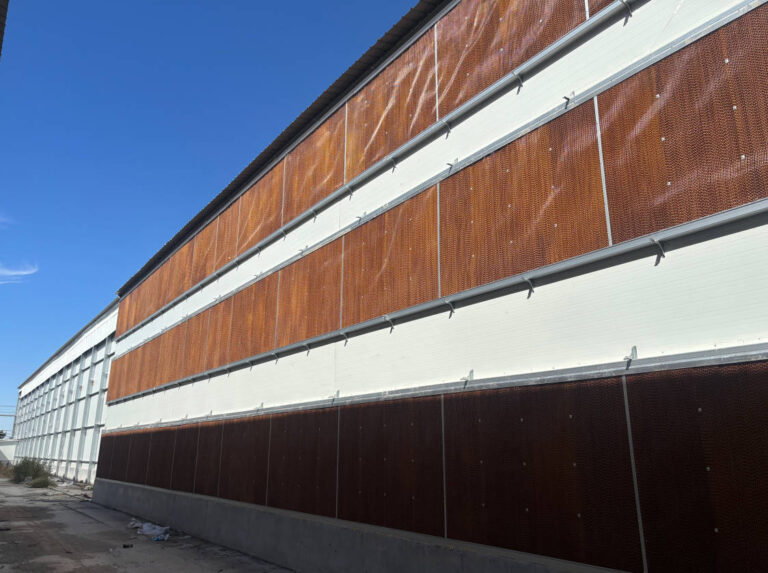
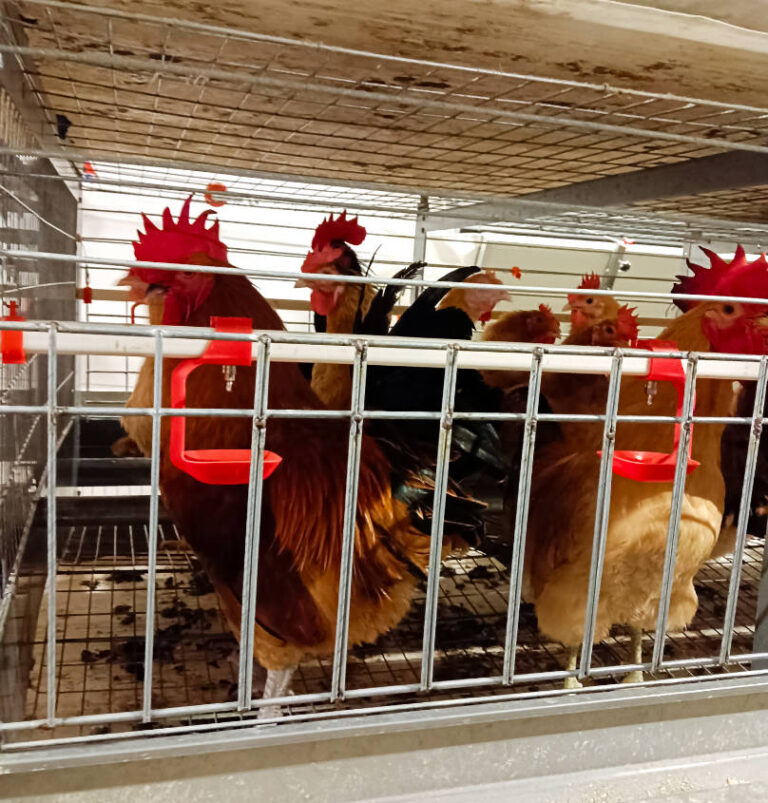
Broiler farming in a cage system involves growing meat-type chickens in special pens instead of open floors. This approach stands apart from older floor methods where birds walk around on litter. Birds stay inside stacked or single-tier cages built for better control and smart use of space and feed.
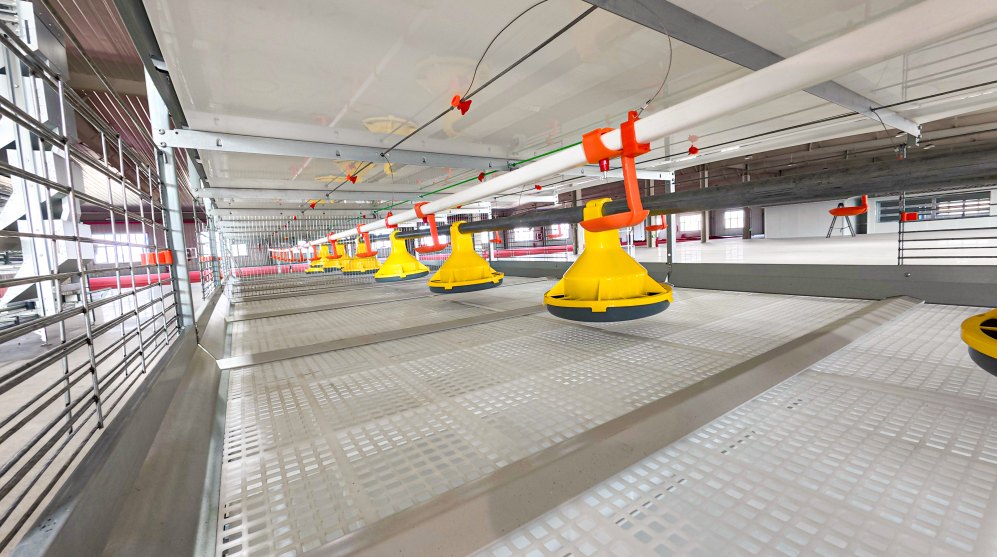
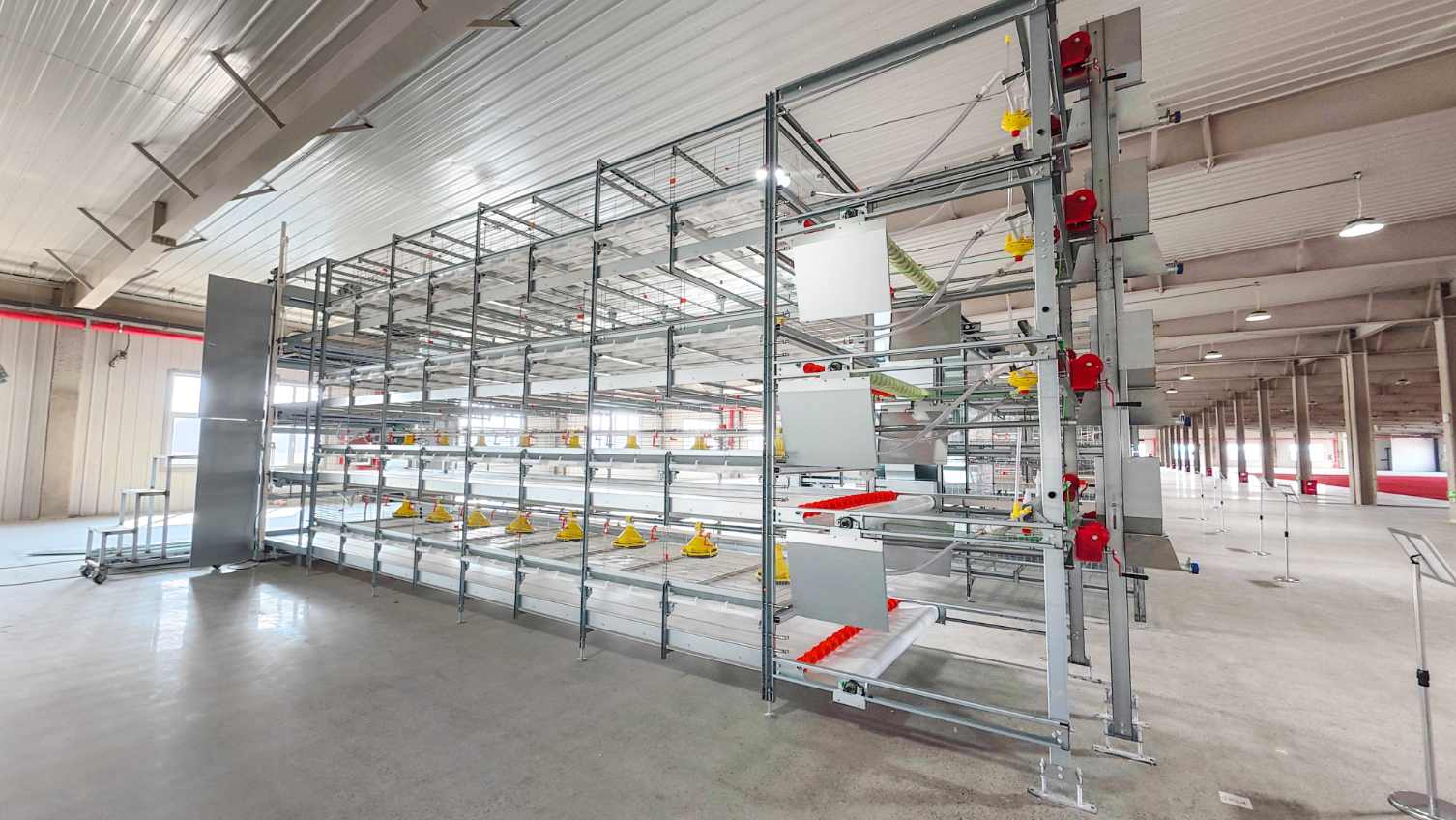
The layered broiler cages usually have three or four levels that sit fully one above the other. Frames come from galvanized steel, while floors use wire mesh. Each level holds its own feeders and drinkers. These parts last long, fight rust, and clean up fast.
One big plus of this setup is the steady indoor setting. Staff can adjust heat, moisture, light, and airflow with care so birds grow well and turn feed into weight at a good rate.
Why Are Farmers Choosing Cage Systems for Broilers?
More farmers now pick broiler cage farming because it cuts waste and keeps things clean. Birds in cages waste less feed. Auto feeders drop exact amounts right into the troughs, so little spills on the floor. Cleanliness improves because birds touch little manure. Waste drops onto moving belts that carry it out at once. This cuts germs and sickness. Health checks also become simpler. Each group of birds sits in clear view, so workers spot problems and give care without delay.
Setting Up a Broiler Cage System Farm
How to Plan the Layout of a Cage System Farm
Start by picking land that gets good airflow and faces the sun the right way. Rows of cages need space between them for workers and fresh air. Place waste belts under every row so manure moves outside without trouble. Follow local rules for animal housing. This keeps the site safe and meets welfare needs.
Equipment and Infrastructure Requirements
Essential Equipment Needed
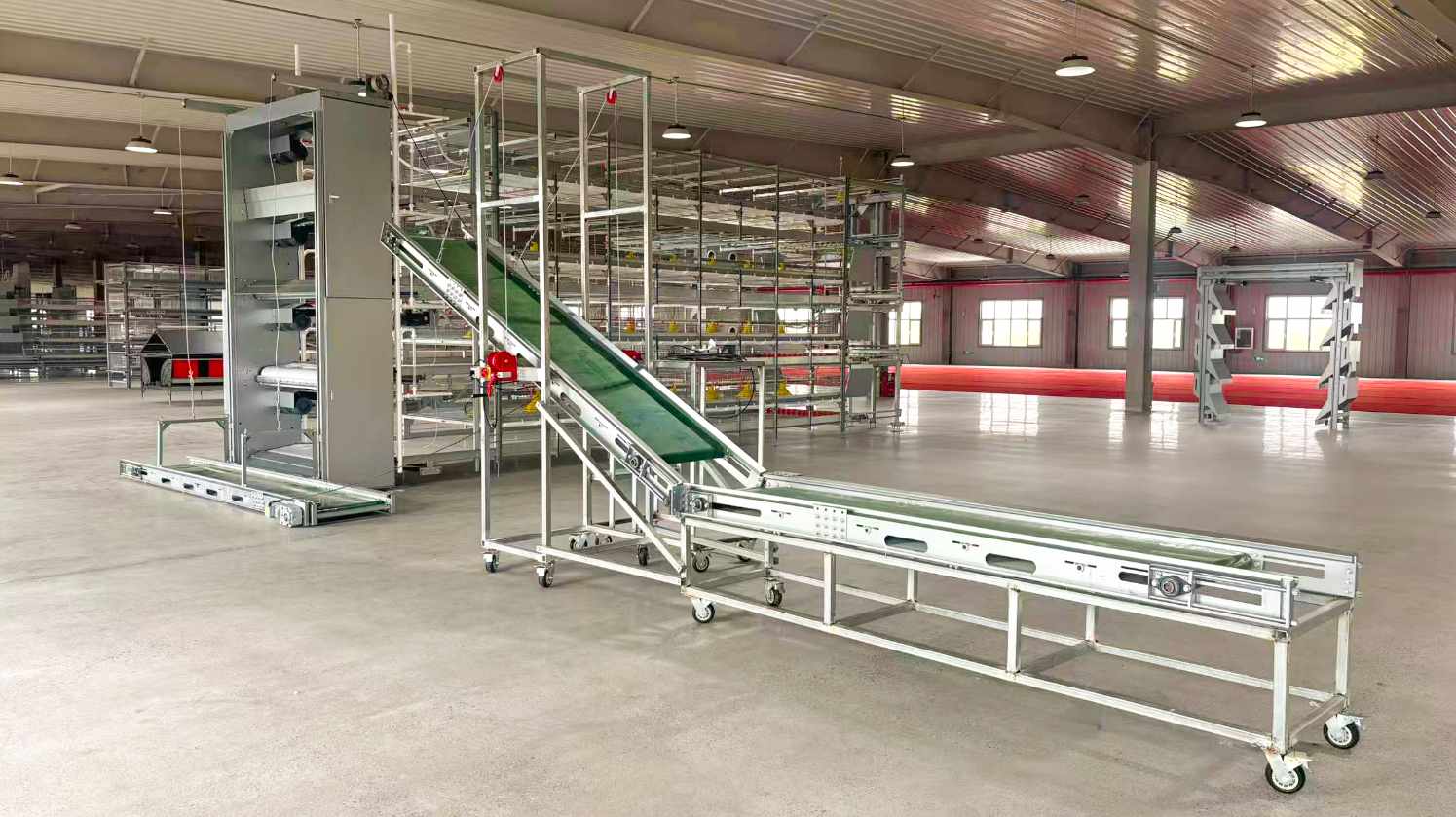
A modern broiler cage system needs several machines to run smoothly. These include the cage system, automatic manure cleaning system, automatic water supply system, automatic feeding system, automatic ventilation system, environmental control system, lighting system, disinfection system, heating system, and backup power generation system.
Together they keep feed moving, supply clean water through nipple drinkers, remove waste on belts, and hold steady temperatures with fans or heaters.
Additional Farm Infrastructure
Other needs cover feed silos for bulk storage, water filters tied to drinker lines, and steady backup power so fans keep running if the main supply fails.
Cost Analysis of Broiler Farming in a Cage System
What Are the Initial Investment Costs?
Startup costs vary with farm size and level of automation. Money goes toward broiler cages for sale made from hot-dip galvanized steel, building poultry houses with insulated walls, fitting climate gear, and buying day-old chicks. Feed makes up the biggest running expense in each cycle.
Ongoing Operational Costs and Maintenance Expenses
Daily costs cover power for fans and lights, feed for each flock, wages for staff, and upkeep such as oiling motors or swapping worn belts. Regular checks keep the broiler battery cage setup working well over time.
Efficient Management Practices for Cage-Based Broilers
Feeding Strategies to Maximize Growth Rate
Good feeding means giving the right feed mix from starter to finisher stages. Automated lines spread the feed evenly on every level. Birds eat without fighting, and growth stays steady across the flock.
Maintaining Ideal Environmental Conditions in Cages
Temperature and Humidity Control Techniques
Temperature control matters a lot. Young chicks need about 32°C at first. Staff lowers the heat step by step as the birds grow. Humidity sensors keep moisture at safe levels and help avoid breathing problems.
Waste Management and Biosecurity Measures
Belts should clear manure every day to stop ammonia from building up. Between flocks, workers disinfect all surfaces, feeders, and drinkers with approved products to block disease carry-over.
Profitability Analysis: How Much Can You Earn from a Cage System?
Factors Influencing Profit Margins in Broiler Farming
Earnings depend on feed conversion ratio, death rate, sale price per kilo, power bills, and how much automation is in place.
Auto systems cut feed waste by giving exact portions and spreading feed evenly. Less waste means more money stays in the pocket.
Estimating Return on Investment (ROI) in Cage Systems
Example Profit Projection per Production Cycle
Each cycle runs 35 to 45 days until birds reach the target weight. With good care in modern broiler battery cage systems, farmers often see their money back in three to five years. Lower death rates and steady output help bring regular profit after costs.
ZEUSYANG’s Contribution to Modern Broiler Cage Systems
Who Is ZEUSYANG?
At ZEUSYANG, we make farm equipment in Hebei Province. We focus on poultry automation tools such as broiler cage equipment and climate systems.
ZEUSYANG Products Supporting Efficient Broiler Farming
Key Features of ZEUSYANG’s Broiler Cages
Our stacked broiler cage design uses strong hot-dip galvanized steel that resists rust and lasts many years. We offer several cage styles to match different farm needs. Each unit comes with feeding lines that use imported spiral augers for even spread. Nipple drinkers adjust in height as birds grow, so every level stays comfortable.
Smart Automation Solutions by ZEUSYANG
We add IoT monitors that track temperature, humidity, light, and feed use. Farmers view the data on phones or tablets from anywhere. Energy-saving fans keep air moving while holding power use low and protecting bird comfort.
FAQ
Q: Is broiler farming in a cage system more profitable than deep litter farming?
A: Yes. Cage systems often bring higher profit because they improve feed use, lower death rates, and make better use of floor space than deep litter setups.
Q: How many birds can be raised per square meter in a cage system?
A: Good broiler battery cage setups usually hold 15 to 20 birds per square meter while still meeting welfare rules.
Q: What are common challenges faced in broiler cage farming?
A: Main issues include keeping heat stress low in summer through strong airflow on every level, sticking to strict biosecurity at all times, and weighing the first cost of an automated battery cage system for broilers against later gains.