
What Is a Poultry Brooder Cage and How Does It Work?
Basic Concept of a Poultry Brooder Cage
A poultry brooder cage is a special enclosure. It creates a steady and controlled space for raising chicks in their first weeks. The cage supplies steady warmth, good airflow, and safety from predators or harsh weather. The main goal of a poultry brooder cage is to support strong survival rates and even growth through stable conditions.
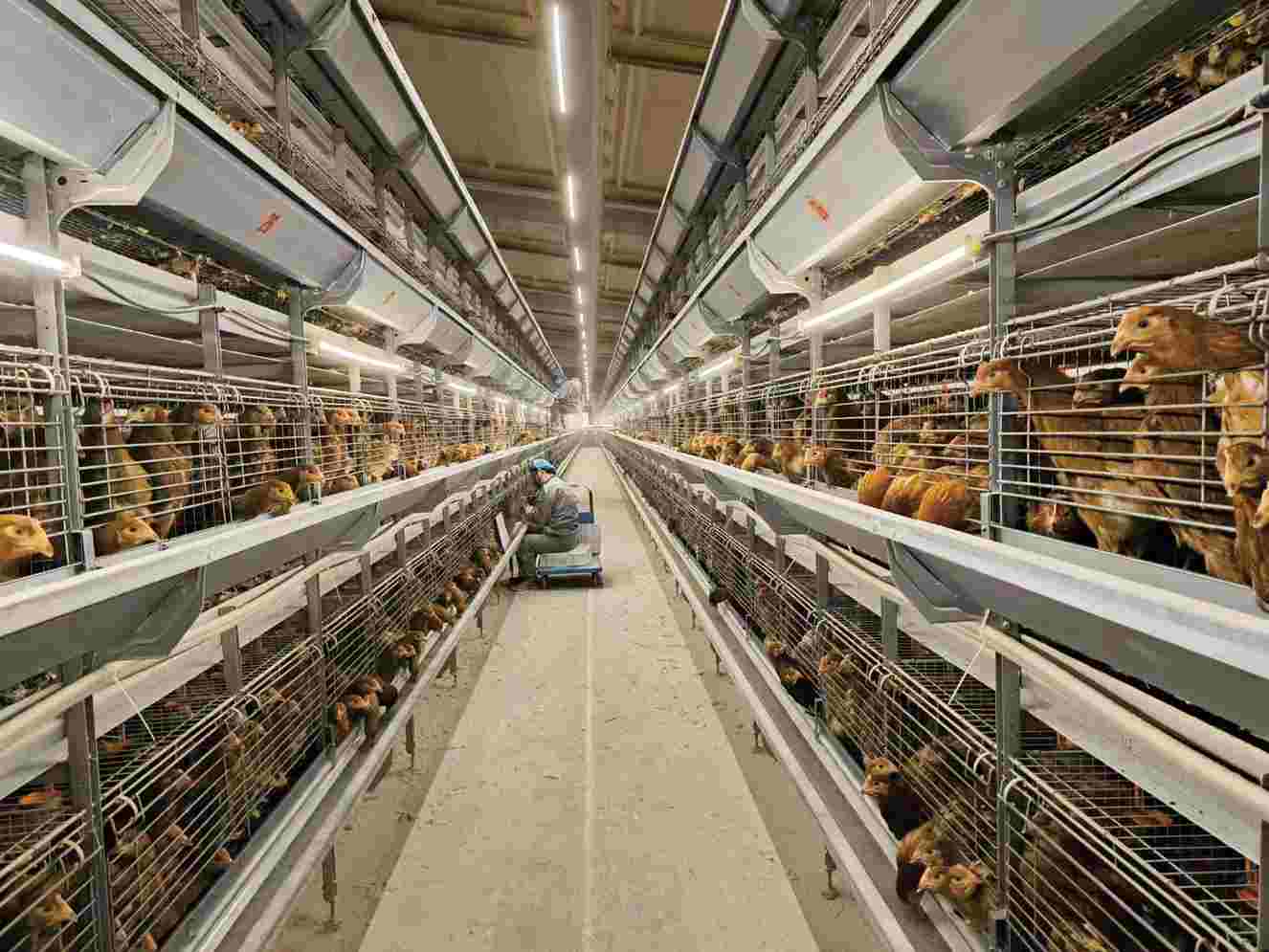
A poultry brooder cage is a chicken cage designed specifically for chicks. The brooding and rearing periods are reasonably designed in one cage, from one day to 7–13 weeks. This stage goes by the name of the brooding and rearing period. It builds the base for the following rearing phase inside the layer cage. In fact, this counts as the most important time during the chicken’s entire life. Chicks at this stage need careful handling of temperature. They also benefit from suitable feeding systems. Clean surroundings help them thrive as well.
Key Components Found in a Brooder Cage
A poultry brooder cage typically includes several integrated components:
- A heating system that maintains an ideal temperature range for chicks.
- Feeders and drinkers positioned for easy access.
- Wire mesh flooring that promotes hygiene by allowing waste to fall through.
There is a water cup under the waterline to prevent dripping water from falling into the manure belt. Such features help reduce disease spread and maintain cleanliness within the system.
Types of Poultry Brooder Cages Available on the Market
What Are the Common Types of Brooder Cages?
There are several types of brooder cages available depending on farm size and operational needs:
- Single-layer brooder cages designed for small-scale use.
- Multi-tier systems suitable for commercial farms.
- Automatic brooding cages with integrated sensors and feeding systems.
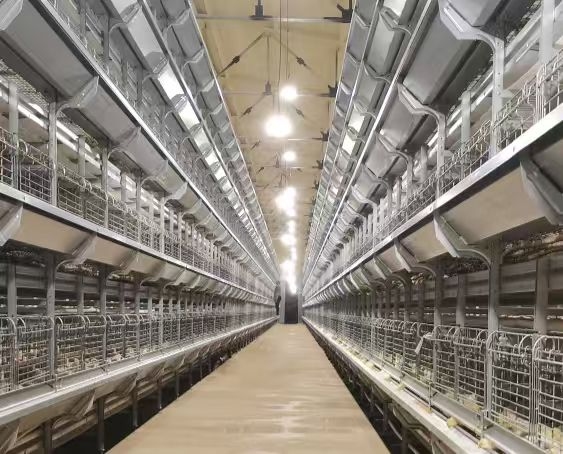
H-type (stacked) chicken cages are suitable for large closed chicken farms. Recommended for poultry farms raising more than 25,000 birds in a single house. Vertically stacked chicken cages save floor space. They increase the number of animals raised. These cages also reduce labor and management costs. In the end, they bring considerable profits to chicken farmers.
Comparing Manual vs. Automatic Brooder Cages
Manual chicken brooder cages rely on human monitoring to adjust temperature, feed levels, and ventilation. In contrast, automatic systems use sensors to regulate these parameters automatically. Automation ensures consistent environmental conditions while reducing labor costs. Can be equipped with the Internet of Things system to detect environmental information. This integration helps farmers maintain precision control over chick welfare.
Choosing the Right Size and Capacity for Your Poultry Brooder Cage
How to Determine the Ideal Cage Size for Your Flock?
Selecting an appropriate poultry brooder cage size depends on flock size, growth rate, and available space. Each chick requires sufficient room to move freely without overcrowding. Proper ventilation must also be considered when determining dimensions.
The standard cage is 1.2×1.2 meters, with a partition in the middle and an encrypted bottom net. This configuration supports even heat distribution while maintaining hygiene.
Recommended Capacity Guidelines Based on Chick Age
For Newly Hatched Chicks (0–2 Weeks)
Smaller compartments with higher temperatures around 35°C (95°F) are recommended during this stage.
For Growing Chicks (3–6 Weeks)
As chicks mature, larger compartments should be used to allow movement while maintaining balanced warmth levels.
The breeding capacity of a single group is 176–192 chickens. These specifications demonstrate how capacity planning aligns with age-based growth requirements.
Factors That Influence Poultry Brooder Cage Prices
What Determines the Cost of a Poultry Brooder Cage?
Several elements affect pricing:
- Material quality such as galvanized steel or stainless steel.
- Level of automation, including IoT modules or feeding systems.
- Number of layers and additional accessories like lighting or humidity controls.
It offers strong resistance to rust. This helps the item last 15 to 20 years in service. Good materials boost how long it holds up. Yet they can also push up the starting costs at first.
How to Balance Budget with Quality When Buying a Brooder Cage?
Farmers should compare long-term durability against short-term savings. Choosing reliable suppliers offering after-sales service ensures continued performance over time.
ZEUSYANG is committed to the design and development, production, and sales of livestock and poultry equipment. Working with established manufacturers provides assurance in both quality standards and technical support availability.
Essential Features to Look for When Buying a Poultry Brooder Cage
Key Design Features That Enhance Chick Health and Growth
An efficient poultry brooder cage should feature:
- Even heating across all tiers.
- Easy-to-clean trays that promote hygiene.
- Adjustable ventilation panels ensure air circulation balance.
The galvanized trough can be operated by stepping on it, which is convenient for observation. Check the condition of the chickens, observe the chicken positions, and do a good job of epidemic prevention.
Safety Features That Protect Young Birds from Harm
Rounded edges prevent injuries while secure locking mechanisms safeguard against predators or accidental escapes. The design must prioritize both comfort and safety during early chick development phases.
ZEUSYANG Poultry Brooder Cages: Reliable Solutions for Modern Farming
Why Choose ZEUSYANG’s Poultry Brooder Systems?
At ZEUSYANG, we specialize in developing high-performance poultry brooder cages tailored for both smallholders and large-scale operations. Our designs integrate advanced automation features that simplify farm management while ensuring optimal chick health outcomes.
ZEUSYANG’s brooding cages and related auxiliary equipment can improve the chicks’ growth environment and achieve optimal economic benefits. Our setups come in multiple tiers. These designs help us use space better. They still keep airflow strong and access easy. We build them from hot-dip galvanized steel. This metal stands out for its strength. It also resists corrosion well. Such builds can last up to two decades.
Our products form part of a broad lineup. We deliver full setups that cover feeding systems, drinking lines, lighting modules, manure removal units, and environmental control technologies. All of them are built to meet precision farming needs.
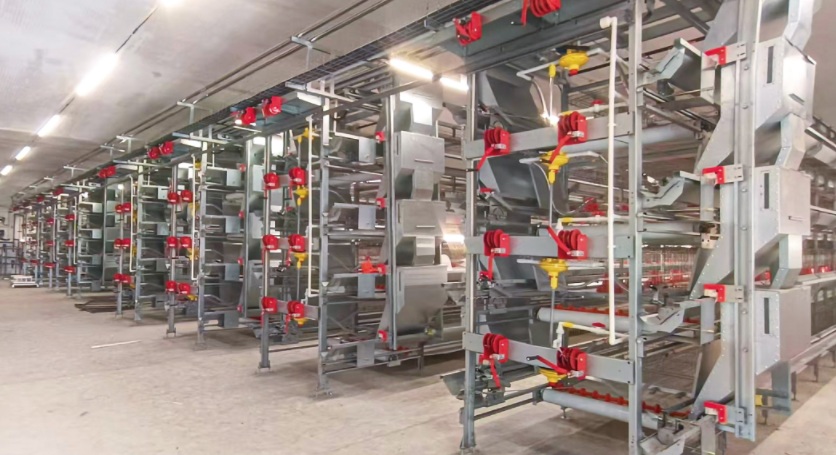
Product Highlights from ZEUSYANG
Multi-Tier Automatic Brooding System
Our multi-tier automatic chicken cage for brooder setups offers compact vertical stacking ideal for commercial farms seeking efficient land use while maintaining uniform heating conditions across all levels.
Smart Temperature-Controlled Units
Our units come with smart sensors. These sensors watch the inside conditions all the time. They tweak heat flow on their own. This keeps temperatures steady. Steady warmth helps chicks stay strong during their first weeks.
Maintenance Tips for Long-Term Efficiency of Your Poultry Brooder Cage
How to Keep Your Brooder System in Good Condition?
Routine maintenance ensures longevity:
- Clean trays, feeders, and drinkers regularly.
- Inspect heaters or fans weekly.
- Lubricate moving parts within automatic mechanisms periodically.
The device is linked to the feces cleaning belt under each cage to automatically clean. Regular upkeep prevents disease buildup while keeping mechanical components running smoothly across production cycles.
FAQ
Q: What Temperature Should Be Maintained Inside a Poultry Brooder Cage?
A: The ideal starting temperature is around 35°C (95°F), gradually decreasing by 2–3°C each week as chicks grow stronger.
Q: How Many Chicks Can Fit in One Layer of a Standard Brooder Cage?
A: A standard single-layer cage can typically accommodate between 50 and 100 chicks, depending on breed size and age requirements.
Q: Are Automatic Poultry Brooder Cages Worth the Investment?
A: Yes. Automatic systems minimize manual labor demands, maintain consistent conditions using smart controls, enhance flock health stability, and deliver improved survival rates—making them among the best brooders for chicks available today.