
How Does Feed Intake Affect Egg Production and Fertility?
Daily Nutrient Intake Matters More Than Formula Percentages
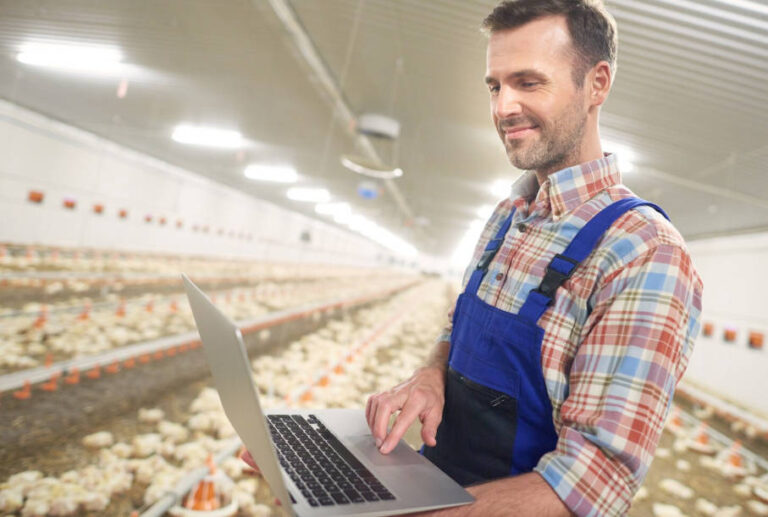
A high-quality feed recipe will fail if the birds do not eat enough of it. The actual daily intake of nutrients relies on the feed’s density and the amount consumed. This consumption level shifts based on the chicken’s age and the barn’s temperature. Health status, feed texture, and water access also play major roles. If you notice sudden drops in egg yields or fertility, act quickly. You should compare current feed and water usage against recent flock records.
Uniform Feed Distribution Supports Flock Uniformity
Every chicken requires equal access to the feed troughs. Uneven food distribution sparks fierce competition among the flock. This struggle leads to varied body sizes and poor reproductive results. Farmers should regularly inspect how the feeders operate. They must also check the feed depth, bird spacing, and how fast the food disappears. Using precise automated feeding systems helps cut down on wasted food. It also encourages a much more even intake across the flock.
Feed Allocation Should Follow Flock Performance
You should base the daily feed limits on several weekly factors. These include average body weight, flock uniformity, and total egg yields. Egg size and barn climate matter as well. Avoid making massive diet changes based on just a single day of information. Such sudden shifts can easily upset the chicken’s physical condition. Instead, rely on small, well-documented tweaks. These minor adjustments are much safer and simpler to track over time.
How Should Feeding Change Across the Breeder Chicken Lifecycle?
Rearing Nutrition Builds the Foundation for Reproduction
During the early rearing phase, focus heavily on building a solid body frame. You must also prioritize bone strength, steady growth, and flock uniformity. If young pullets develop poorly, fixing the problem later is incredibly hard. This is especially true once egg laying starts. Always compare the birds’ weekly weights against your target growth chart. You must carefully prevent them from gaining too much weight too quickly.
Pre-Breeder Feeding Prepares Birds for Egg Production
The pre-breeder period readies the reproductive organs for future work. It also helps build up vital mineral stores in the bones. You should always shift feed types very slowly. This steady approach aids sexual maturity without adding unwanted body fat. Make sure to evaluate body weight, flock evenness, and pelvic spread all at the same time.
Peak Production Requires Close Nutrient Management
During peak laying times, the birds require far more nutrients. This need grows as both egg numbers and total egg mass increase. The supply of energy, amino acids, and minerals must stay fully adequate. Vitamins and antioxidants are just as critical during this busy phase. Always keep a close eye on the average egg size. Excessively huge eggs often lead to weak shells and severe hatchery complications.
Post-Peak and Late Production Need Targeted Support
Once the peak phase passes, the goal shifts slightly. You must sustain egg output and shell durability while preventing needless fat gain. As the flock gets older, fertility rates and antioxidant levels demand strict attention. The overall quality of the chicks also requires closer monitoring. Always evaluate the physical states of males and females separately. Do not base your decisions solely on the average age of the flock.
How Do Feed Quality, Water, and Gut Health Affect Hatchability?
Feed Storage and Ingredient Quality Protect Nutrient Value
Even the most exact diet recipe cannot fix the damage from moldy grains. It also fails if the fats turn rancid or if the mixing process is flawed. Nutrient separation causes similar headaches. You must shield all feed from dampness, insects, extreme heat, and prolonged storage times. Regularly check the storage silos and the internal delivery pipes. If the feed’s smell, feel, or look changes suddenly, investigate the cause right away.
Clean Water Supports Feed Intake and Egg Production
The amount of water a bird drinks directly ties to how much it eats. Therefore, you must routinely check the water pressure and the flow rates. Temperature, overall purity, and easy access to drinkers are also vital. Remember to clean the water filters and flush the supply lines on a strict schedule. If the flock suddenly drinks too much or too little, pay attention. This strange behavior often points to heat stress, hidden illnesses, or broken plumbing.
Gut Health Improves Nutrient Utilization
A healthy digestive tract greatly enhances food breakdown and nutrient uptake. It also strengthens immunity and helps move vital nutrients straight into the eggs. Good feed hygiene and clean drinking water support this internal process. Consistent raw materials and strict disease prevention also keep the gut working well. To check gut health, farmers can look at the birds’ droppings and daily intake. Weight trends and flock evenness also serve as excellent practical clues.
How Can Farmers Monitor a Breeder Chicken Feeding Program?
Weekly Records Reveal Long-Term Nutrition Trends
Always log the body weights of males and females in separate columns. You must also record flock uniformity, daily feed consumption, and total water usage. Do not forget to note egg yields, average egg weights, and death rates. Using a consistent weighing routine is essential. Gathering truly representative bird samples makes your weekly data much more trustworthy.
Egg and Hatchery Data Identify Hidden Problems
Keep a close count of dirty, cracked, and oddly shaped eggs. You must also track eggs laid on the floor and the average egg weight. At the hatchery, records should clearly show fertility rates and embryo death numbers. Note the hatch rate of fertile eggs, along with chick weights and their overall uniformity. Before you alter the diet, you must identify the exact problem. Figure out if the core issue stems from poor fertility or from late embryo deaths.
Multiple Indicators Should Guide Feed Adjustments
You should never adjust a feed ration based on just one single clue. Instead, look at body weights, eating speeds, and egg quality all at once. Fertility rates, barn climate, and hatchery outcomes must also guide your choices. When you do alter the feed, keep the changes very small. Make sure every tweak is carefully documented and easy to measure later.
How Can ZEUSYANG Support Breeder Chicken Feeding and Management?
Integrated Equipment Helps Deliver Feed and Water Consistently
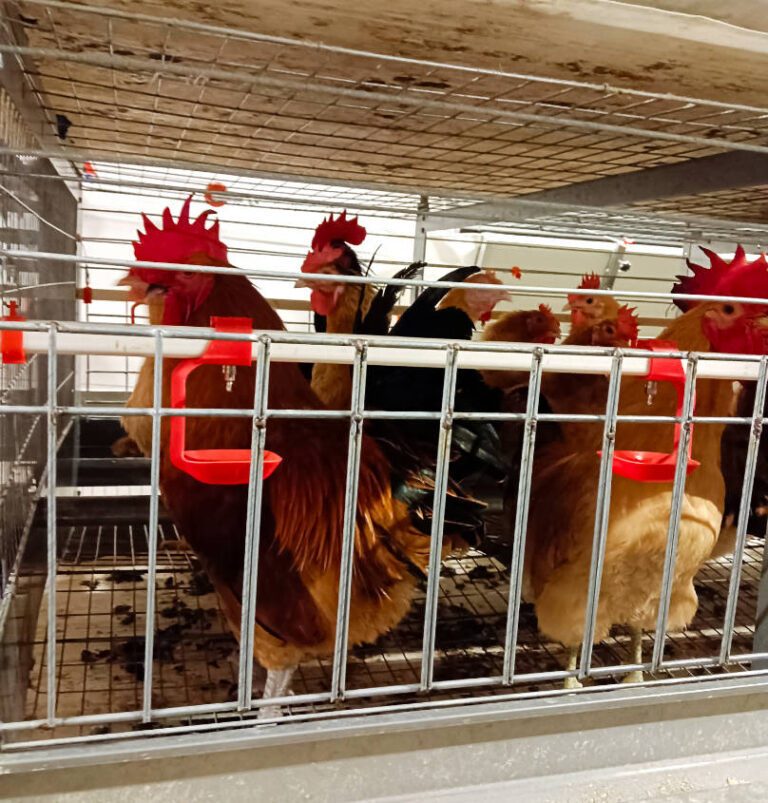
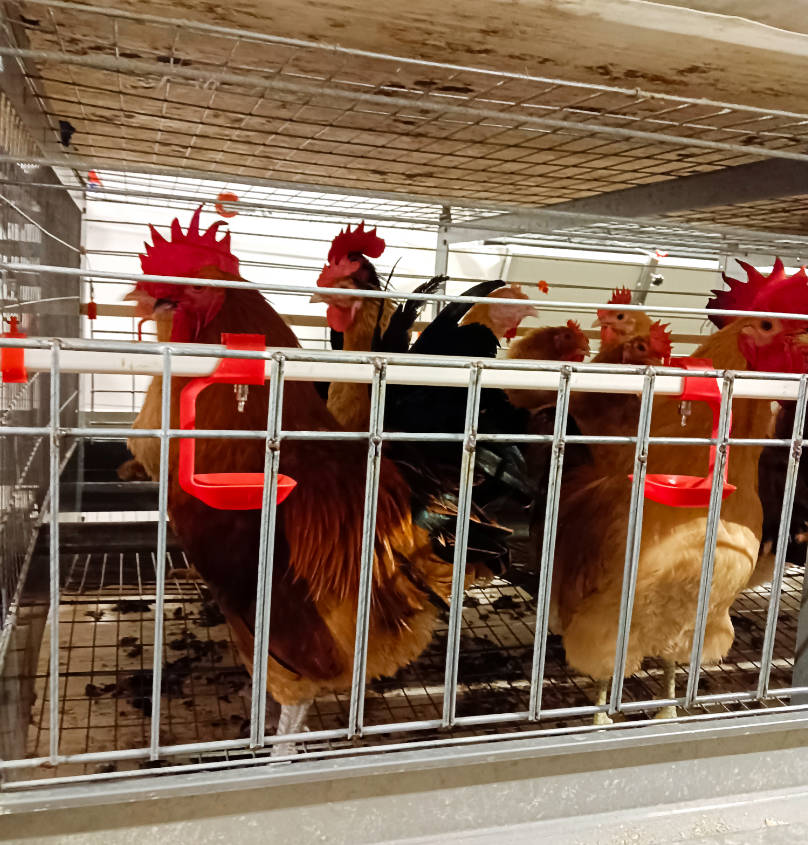
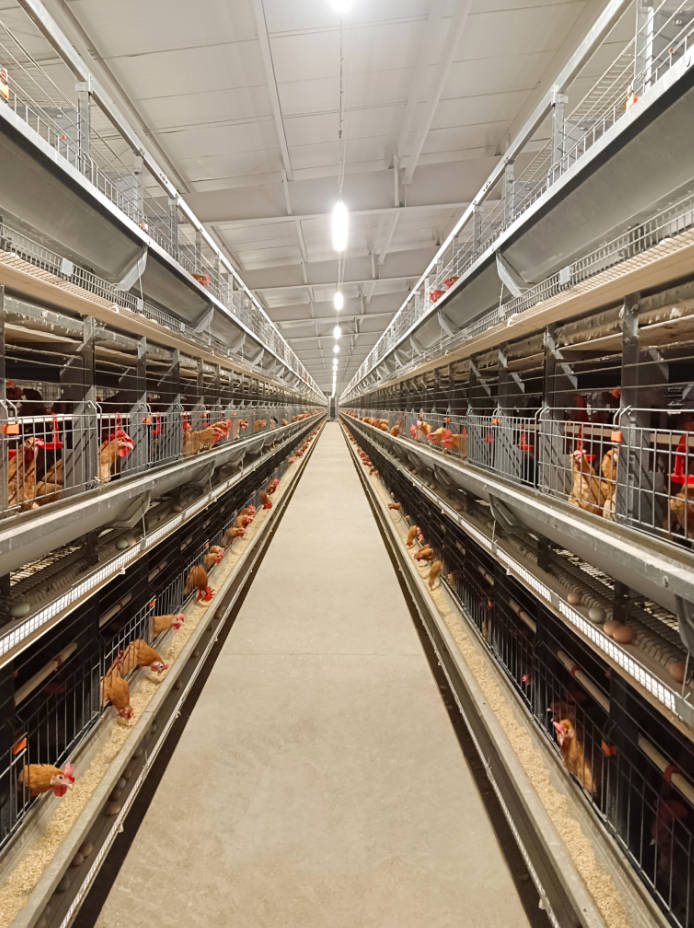
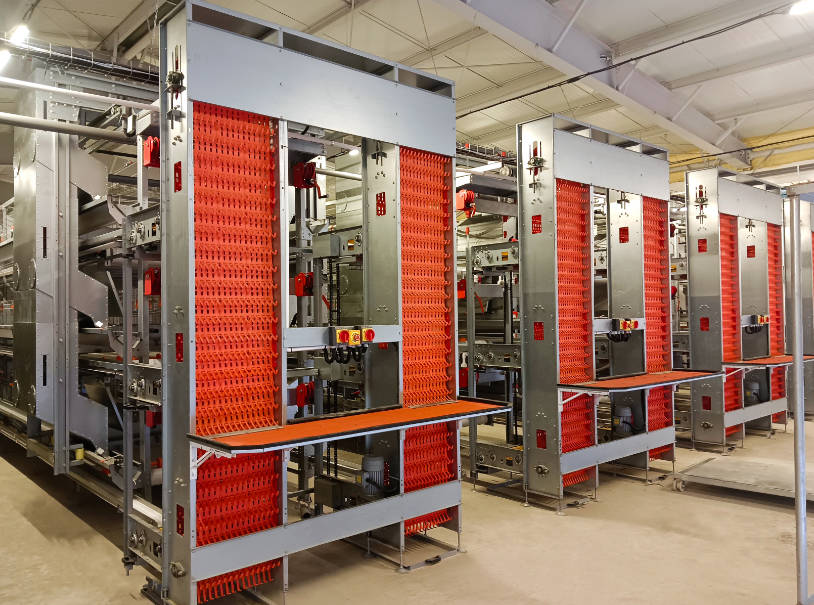
At ZEUSYANG, we supply complete poultry solutions focused on simple use and dependable automation. Our breeder chicken cage system merges feeding, watering, and egg gathering into one setup. It also handles manure removal, lighting, climate control, sensors, and smart IoT features. The feeding machinery ensures highly consistent food delivery across the barn. Meanwhile, adjustable water pipes and advanced filters guarantee a clean drinking supply. Furthermore, our roomy breeding cages greatly enhance bird comfort and natural mating behaviors. They also allow for precise male-to-female ratios. Finally, smart sensors and instant alarms help workers spot strange conditions immediately.
Environmental Control Protects Feed Intake and Reproductive Performance
We fully recognize how temperature, humidity, and airflow impact daily food intake. These factors also dictate bird comfort, mating success, and final egg quality. Our modern fans, climate controllers, and smart sensors work together to stabilize barn climates. We also offer custom barn designs and specific cage layouts. Our services include feed system setups, airflow planning, building advice, and long-term support. By blending top-tier tools with smart management, our products help farms thrive. They ensure a much cleaner and highly stable working environment.
FAQ
Q: What Is the Best Feed for Breeder Chickens?
A: The best breeder chicken feed is a complete, phase-appropriate ration for controlled body weight, egg production, fertility, shell quality, embryo development, and chick vitality. It should provide balanced energy, digestible amino acids, available minerals, vitamins, trace minerals, and antioxidants, adjusted for age, sex, production stage, climate, housing, and intake.
Q: How Much Feed Does a Breeder Chicken Eat per Day?
A: There is no universal amount. Feed allowance depends on strain, age, sex, body weight, production stage, dietary energy, temperature, housing, and management targets. Review weekly weight, uniformity, egg output, egg weight, cleanup time, and environmental conditions before changing it.
Q: What Causes Low Hatchability in Breeder Chickens?
A: Low hatchability may result from poor fertility, incorrect body weight, nutrient imbalance, weak shells, breeder age, disease, mycotoxins, unsuitable egg storage, or incubation errors. First, separate infertility from embryo mortality, then review nutrition, flock health, mating activity, egg handling, storage, and hatchery records.