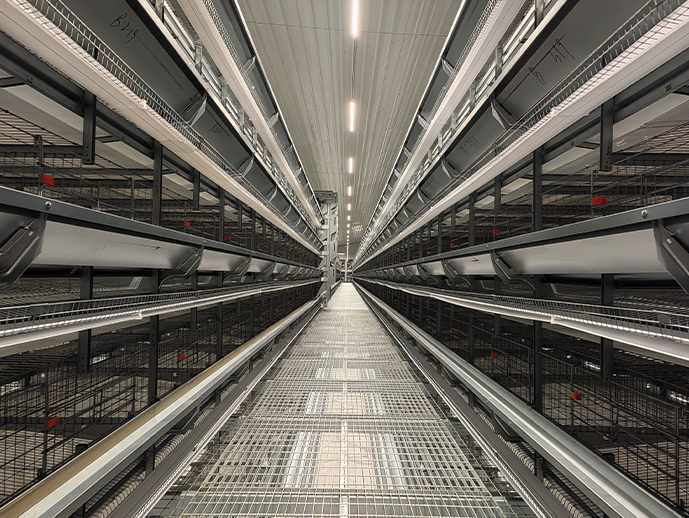

What Is a Deep Litter System for Poultry?
A deep litter method chicken coop operates as a basic floor-based housing setup. In this specific design, farmers leave the bedding in place. The material builds up over time. Workers do not clear it out daily. For daily use, they cover the ground with a thick coat of dry goods. These goods often include wood shavings, rice husks, or straw. The birds live directly on this surface. As the chickens move around, the base material blends with their droppings. It also mixes with loose feathers and dropped feed. Facility managers must keep the moisture levels under control. When the environment stays balanced, natural microbes begin to work. These tiny organisms break down the organic waste. This biological process creates a gentle composting result.
Core features of a deep litter poultry setup
A good setup involves a few key traits. Waste builds up over a period of time. Workers do not clear it out every single day. Because of this, the bedding material needs to remain loose. It also has to absorb liquids well. Proper airflow is highly important for this process. The ventilation must take away extra dampness and ammonia gas. In addition, the animal count needs to stay within reasonable limits. Poor daily management will cause major problems.
Why Do Farmers Use the Deep Litter Method in a Chicken Coop?
Main advantages for bird housing
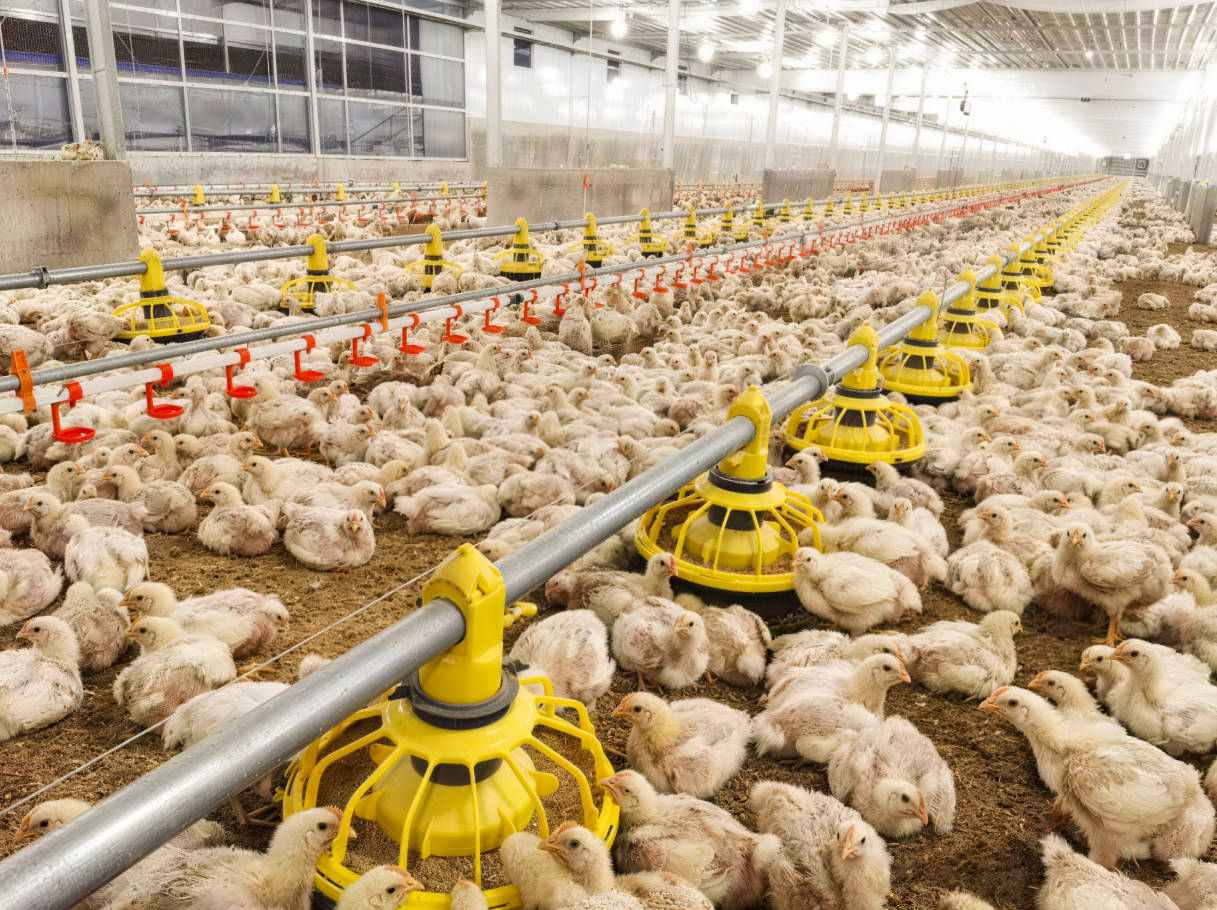
Many poultry raisers prefer the deep litter method in a chicken coop. This setup lowers the demand for frequent waste removal. Meanwhile, it provides the flock with a much better space to move around. Good care of this bedding protects the chickens from chilly floors. Furthermore, it encourages normal bird behaviors. These activities include scratching, pecking, and playing in the dust. Over time, the animal waste blends with the base material. Growers can later apply this rich mixture to their crops as a natural fertilizer.
Economic and practical value
Floor housing can be simpler to establish than systems requiring more fixed structures and high levels of automatic handling. Bedding materials are often available locally, which helps small and medium producers. The method can also fit different production scales, from backyard units to commercial sheds, if the operator understands moisture control and ventilation.
For beginners, the method is practical, but not effortless. Daily observation is essential. A novice usually succeeds more easily with a smaller flock, lower stocking pressure, and close attention to wet patches around drinkers.
Which Materials Are Used in a Deep Litter System?
Common litter materials for poultry houses
Farmers frequently choose wood shavings for their floors. These materials soak up moisture well. Birds find them simple to dig through. They also provide a pleasant surface to walk on. Rice husks are another popular option. You will see them often in areas with heavy rice farming. Local production keeps the cost low for buyers. Chopped straw is a helpful alternative. However, it requires careful management. The material might clump together and form a hard layer. This happens mostly when the building gets too damp.
How to choose the right bedding
Good bedding should absorb moisture without becoming heavy too quickly. It should remain loose enough for bird movement and airflow. It should also be low in mold risk, free from chemical contamination, and reasonably available at a manageable cost. Disposal matters too, since the used litter often becomes crop manure.
Materials to avoid or use with caution
Avoid litter that is already wet, moldy, or contaminated. Sharp or coarse material can injure birds. Excessively dusty bedding can irritate the respiratory tract. Any substrate treated with harmful chemicals should never enter a poultry house.
How Should a Deep Litter Chicken Coop Be Managed?
Litter depth, turning, and daily observation
Bedding material must have enough depth. This thickness helps it soak up manure. It also supports the slow breakdown of waste. Thin layers of bedding fill with moisture very quickly. They also pack down much sooner. You must turn or rake the top layer often. This action keeps fresh air moving. Furthermore, it stops hard crusts from forming. Sometimes water lines leak. Feeders can also create damp areas. You need to take out these damp patches right away. After that, put fresh, dry material in their place.
Ventilation and humidity control
Ventilation is one of the most important factors in deep litter success. Good airflow removes moisture and ammonia before they build up. Poor ventilation, by contrast, quickly creates a wet and unhealthy floor. Seasonal adjustments are often necessary because winter houses may trap moisture, while rainy or humid periods slow drying.
Stocking density and house design
Overcrowding is one of the fastest ways to ruin litter. More birds mean more manure, more moisture, more heat, and higher contamination pressure. Adequate floor space preserves litter quality and supports bird welfare. Drinker placement matters too, because leakage can destroy even good bedding in a short time.
Floor and drainage conditions also matter. The ground inside the chicken house should be poured with concrete. The ground should have a certain slope towards the manure ditch to facilitate who can drain it in time when cleaning the chicken house. Even in a litter house, drainage and floor integrity strongly influence how long litter stays usable.
Feeding and watering practices that affect litter
Water spillage is one of the most common causes of litter damage. Drinker height, pressure, and maintenance should be checked constantly. Feed also affects litter because poor formulation can increase manure moisture. Balanced nutrition supports gut health and may reduce wet droppings.
Benefits of the Deep Litter Method in Poultry Production
Labor, cost, and manure value
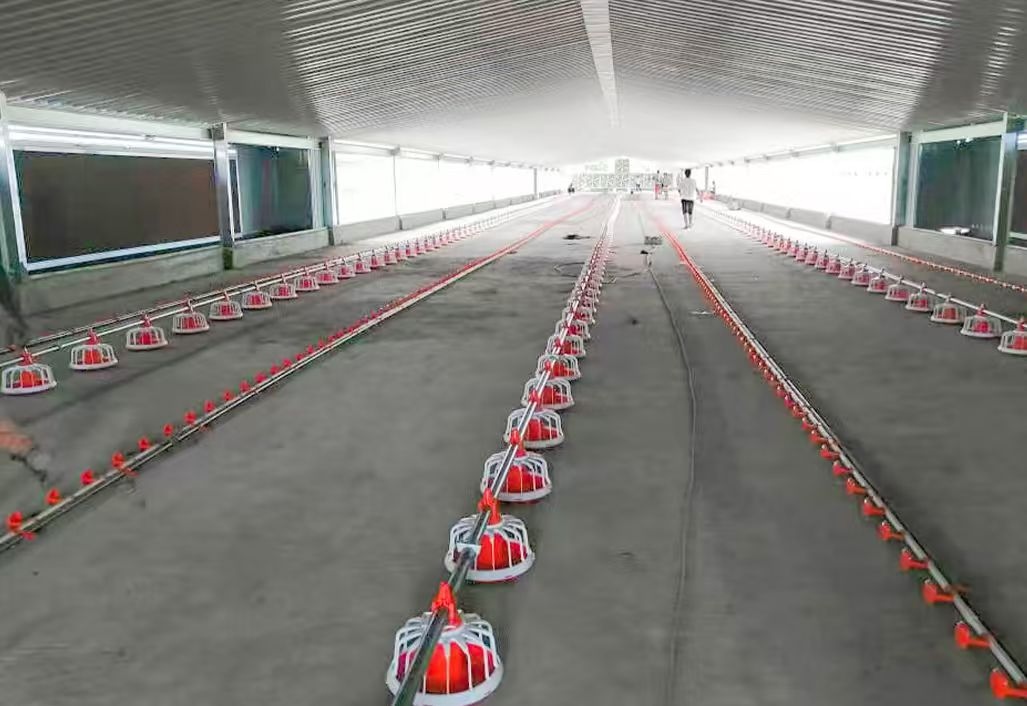
One major advantage is lower routine manure removal frequency. The used litter becomes a fertilizer resource after cleanout, which can improve nutrient recycling on mixed farms. Compared with equipment-heavy systems, a floor house may require less fixed manure-handling infrastructure at the beginning.
Temperature moderation and floor insulation
Deep litter can moderate floor temperature and provide some insulation in cooler weather. Mild composting within the litter may generate limited warmth, though this does not replace proper climate control. The system helps most when houses also have sound ventilation and weather protection.
Suitability across different production scales
The method is attractive to backyard keepers for its simplicity, and larger farms may also use it successfully where floor management is well organized. It adapts to many local production conditions, but results vary by climate, flock density, and production goals.
Challenges and Limitations of Deep Litter Poultry Housing
Moisture buildup and caking problems
Water leaks, humid weather, and weak ventilation can turn litter into dense mats. Once caking spreads, restoration becomes labor-intensive. Prevention is always easier than correction.
Parasites, pathogens, and contamination pressure
Continuous litter use can increase exposure to parasites and disease organisms if sanitation is poor. Overcrowding increases fecal contamination and stress. Farms using deep litter need a clear health plan, biosecurity discipline, and routine monitoring.
Limits in certain climates and production systems
Very humid environments make drying difficult. Some intensive production goals may favor systems with stronger waste separation and more automatic equipment used in poultry farming. The method remains practical, but it is not equally suitable in every setting.
What problems appear when management is weak?
Common warning signs include strong ammonia odor, dirty floor eggs in layer situations, foot lesions, feather soiling, and lower growth or productivity. Delayed intervention usually increases disease pressure and worsens litter quality.
Equipment and Product Support for Better Litter Management
Why equipment quality matters in a deep litter house
Reliable drinkers, feeders, and climate support systems make litter management easier by reducing spillage and stabilizing house conditions. That is why modern poultry farming equipment and modern poultry equipment are increasingly linked not only to productivity, but also to welfare and floor hygiene.
ZEUSYANG poultry equipment solutions
When we support floor-based poultry housing, we focus on the connection between equipment performance and litter condition. Stacked chicken coop, cage-free feeding system, poultry cage equipment, climate control system, poultry feeding system, and poultry drinking water system are listed on our products page, showing the scope of solutions available for different housing models.
Choosing products for a deep litter method chicken coop
ZEUSYANG recommends choosing systems that directly support litter goals. Prioritize drinkers that reduce leakage, feeders that reduce waste, and ventilation support sized for flock density and local climate. Product planning works best when it is tied to floor dryness, ammonia control, and daily labor efficiency rather than treated as a separate purchasing decision.
FAQ
Q: Is the deep litter method good for chickens?
A: Yes, it can be very good when the litter stays dry, loose, and well managed. It supports natural scratching behavior, improves floor comfort, and can provide some insulation. Its value falls quickly if moisture, ammonia, and overcrowding are not controlled.
Q: How deep should litter be in a chicken coop?
A: The ideal depth depends on climate, bird type, and bedding material. It should be thick enough to absorb waste and allow birds to scratch and turn it naturally. If litter is too shallow, it usually becomes wet and compacted faster.
Q: Does deep litter smell bad?
A: A properly managed deep litter method chicken coop should not produce a strong foul odor. Bad smell usually means excess moisture, ammonia buildup, poor ventilation, or untreated wet patches. Dry bedding, airflow, and fast correction are the main solutions.