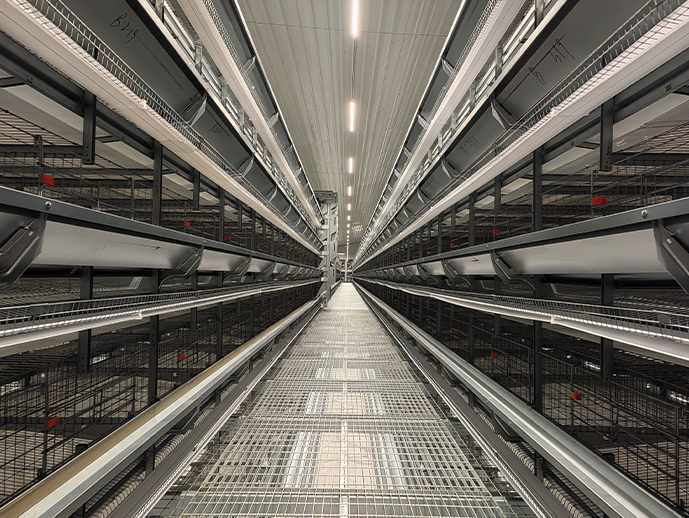

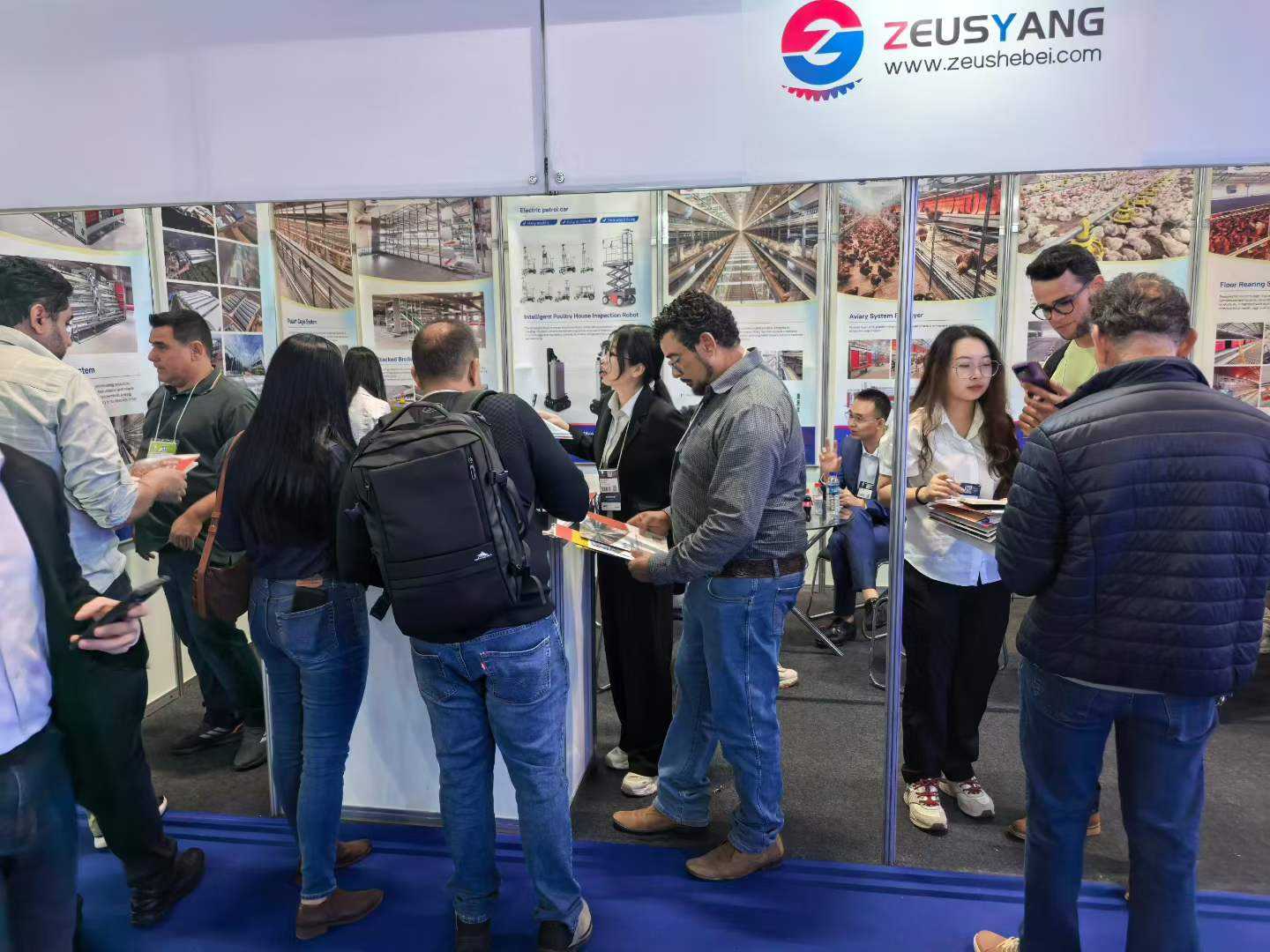
Poultry farm investment in 2026 involves more than the price of cages, feeding lines, drinkers, and ventilation equipment. Buyers must also decide whether sensors, automatic alarms, production data, and remote management can create enough operational value to justify the additional cost. During SIAVS 2026 in São Paulo, ZEUSYANG is welcoming visitors to Booth 05 in the Main Hall to discuss farm capacity, equipment configuration, phased automation, and IoT-ready poultry projects. These decisions provide the starting point for evaluating the true cost of modern poultry equipment and the potential return from connected automation.
What Determines the Cost of Modern Poultry Equipment?
Farm Type, Capacity, and Housing System
Financial requirements vary greatly for layers, broilers, and breeders. For instance, a layer farm typically requires cages and an egg collector machine. It also needs systems for manure removal, feeding, drinking, ventilation, lighting, and climate management. On the other hand, a broiler facility might concentrate heavily on feeding speed, reliable water delivery, cooling methods, and efficient harvesting.
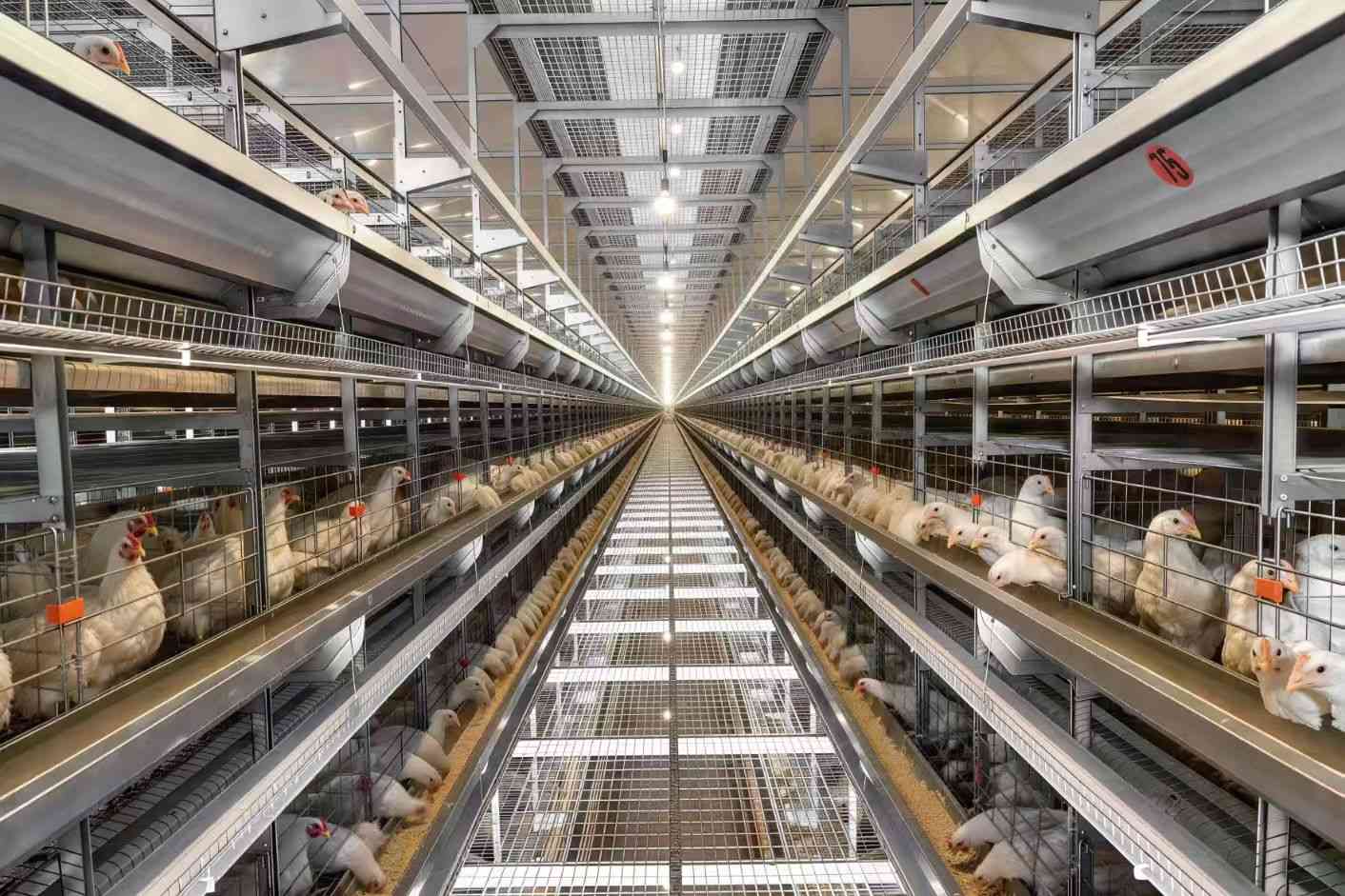
Farm capacity directly impacts the total number of buildings, rows, and cage tiers. It also changes the required amount of fans, water lines, motors, and control panels. Furthermore, different types of cages carry distinct financial demands. An A-type chicken cage system is usually quite basic. Meanwhile, an H-type automatic layer cage system provides a much higher stocking density alongside deeply integrated automation features.
Automation Level and Project Configuration
Standard poultry farming equipment generally includes basic cages, manual feeding options, simple drinkers, and standard ventilation. Moving up, mid-tier automation brings in automatic feeding, mechanical manure removal, mechanized egg collection, advanced lighting, and dedicated environmental controllers. Finally, IoT-linked setups introduce smart sensors, instant alarms, detailed data logs, and remote management capabilities.
Installation and Supporting Costs
A thorough financial plan should cover the actual poultry-house construction and all necessary wiring. It must also include backup generators, reliable internet access, shipping fees, customs duties, and professional installation. Moreover, buyers should budget for system testing, staff training, and essential spare parts. Upgrading an older building can quickly inflate total expenses if the existing insulation, air sealing, or electrical power is too weak.
How Much Does Modern Poultry Equipment Cost in 2026?
Entry-Level Mechanization
Smaller operations might start out with basic cages or floor-rearing setups. They typically use simple feeding troughs, standard nipple drinkers, and regular exhaust fans. The initial capital requirement remains quite low. However, the farm will absolutely need more manual workers to handle daily feeding, cleaning, flock inspection, and record keeping.
Mid-Level Automation
Expanding businesses frequently install automatic feeding lines, motorized manure belts, mechanized egg collection, and digital climate control. They also add basic alarm systems. This specific tier perfectly balances the initial financial outlay with significant labor reductions. It does this without forcing the farm to buy every single IoT feature right away.
When evaluated against manual egg collection, a mechanized setup drastically cuts down on walking distances, physical handling, and shell damage. The ZEUSYANG elevator mechanism is specifically engineered for incredibly smooth, quiet operation. It handles a standard volume of roughly 10,000 to 12,000 eggs per row every hour, reaching a top speed of 19,000.
Fully Automated IoT Systems
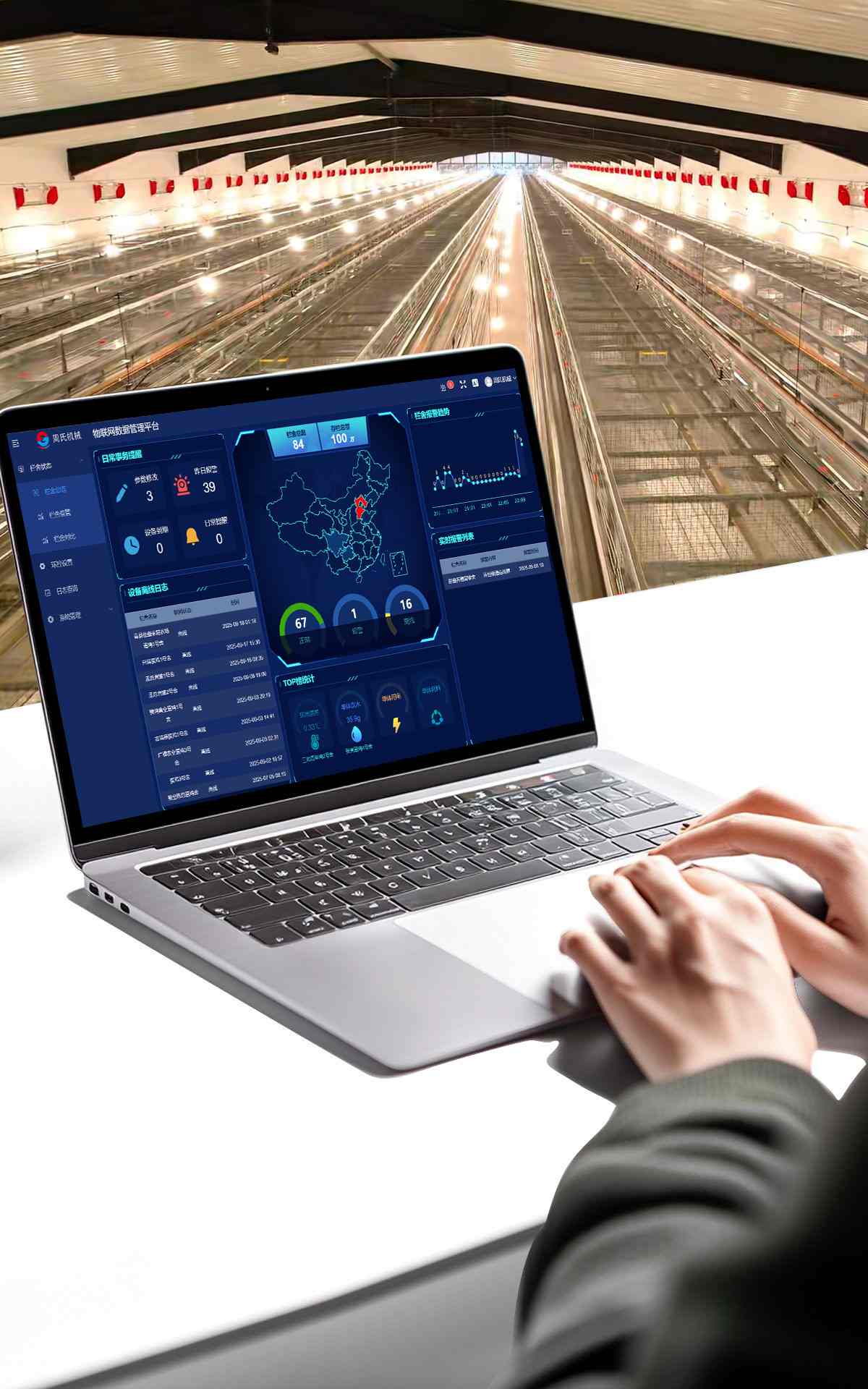
A complete IoT installation can actively track temperature, moisture levels, harmful gases, feed consumption, and water usage. It also monitors electrical energy, daily egg counts, and overall machine health. Furthermore, it supplies remote viewing screens and instant alert notifications. The starting price is certainly steep, but the resulting management clarity is vastly superior.
What Does IoT Add to Poultry Farm Automation?
Real-Time Monitoring and Automatic Response
Smart IoT sensors continuously watch over both the indoor environment and the ongoing production metrics. Supervisors can instantly get urgent alerts whenever the temperature, moisture, toxic gases, or water flow shift outside the desired safety zones. They also receive warnings if equipment suddenly stops working.
ZEUSYANG cage setups seamlessly link live environmental data with main computer hubs. These hubs then manage negative-pressure fans, cooling pads, fresh air inlets, and other connected hardware. This rapid response is incredibly vital in densely packed buildings. In such places, even a slight delay can severely harm thousands of birds.
Better Climate Control and Maintenance
Older automation relies entirely on rigid, unchanging settings. Conversely, IoT-driven management delivers detailed operational logs and highly transparent performance metrics. The smart controllers can instantly tweak the ventilation based on the exact present conditions inside the building. ZEUSYANG push-pull fans utilize heavy-duty hot-dip galvanized frames, durable stainless-steel blades, and self-acting shutters. Every single part is thoroughly checked to guarantee a steady, reliable breeze.
Tracking motor active times, spotting unusual electricity spikes, and noting frequent alarms can easily expose hidden mechanical issues. This happens long before the feeding lines, egg collection belts, manure scrapers, or main ventilation fans break down completely.
Is IoT Automation Worth the Investment?
How Should Farmers Calculate ROI?
A highly useful calculation method is:
ROI = (Annual Savings + Additional Annual Profit − Annual IoT Costs) ÷ Initial Investment × 100
The yearly savings might feature heavily reduced wage bills, less spilled feed, and fewer cracked shells. They also include much quicker reactions to sudden water or air system failures. Better output stability, decreased bird mortality, and fewer rush repair jobs add to the profit. Meanwhile, the yearly IoT expenses usually involve software subscriptions, sensor calibration, internet fees, replacement parts, and expert technical help.
Where Does the Return Come From?
The financial gain typically stems from multiple minor daily enhancements. Precise feed delivery stops unnecessary waste. Constant water tracking quickly highlights hidden leaks or clogged pipes. Smart climate management effectively prevents dangerous heat stress. Furthermore, accurate daily egg counting allows automated egg producers to spot sudden output drops immediately. Finally, mechanized manure clearing slashes labor hours and maintains much fresher indoor air.
Which Farms Achieve Faster Payback?
Massive operations with numerous buildings generally extract the highest value from unified digital control. Facilities located in extremely hot regions gain massive benefits from instant ventilation alerts. Mid-sized operations can easily upgrade their machinery in careful steps. Very small operations might simply start with basic climate panels, digital water meters, power-loss sirens, or simple feed trackers.
What Risks and Hidden Costs Should Farmers Consider?
Technical and Operational Risks
Digital sensors require regular tuning, internet networks can suddenly drop, and unexpected power cuts will shut down main control boards. Additionally, aging machinery might completely fail to link up with modern computer programs. Farm workers might carelessly ignore urgent sirens, and nearby technical assistance could be severely lacking.
How Can Farmers Reduce Investment Risk?
Begin with a thorough site evaluation. Always put the best ventilation, clean drinking water, reliable feeding, and safety sirens first. Pick flexible, modular hardware setups. Always demand transparent warranty documents and thorough staff training agreements. Also, verify that spare parts are easily accessible locally. Standby generators and manual override switches are absolutely critical. Finally, always figure out the ROI using very cautious, conservative estimates.
How ZEUSYANG Supports Cost-Effective Poultry Automation
Our Integrated Equipment
At ZEUSYANG, we engineer and construct robust systems for layers, broilers, pullets, and breeding flocks. Our extensive catalog features H-type and A-type structures, advanced welfare layouts, and standard floor-rearing setups. We supply feeding and drinking lines, an egg collector machine, and manure removal tools. We also offer ventilation fans, cooling pads, lighting rigs, climate panels, IoT software platforms, and ready-to-build steel poultry structures.
We have the expertise to seamlessly blend cages, feed lines, water pipes, manure scrapers, egg gathering belts, lights, air controls, and smart IoT units. We also gladly tailor the tier heights, feed delivery styles, airflow strategies, and exact automation tiers to fit specific needs. ZEUSYANG is presenting these cost-effective automation solutions at Booth 05 in the Main Hall during SIAVS 2026 in São Paulo, Brazil, from August 4–6, 2026.
Our Modular Investment Approach
We certainly do not assume that every single client requires top-tier automation on day one. The initial phase might just cover the main building, a sturdy chicken cage system, basic feeding, standard drinking, and essential fans. A later phase could easily attach motorized manure scrapers and an egg collector machine. The final phase might then bring in smart sensors and sirens, eventually leading to a fully unified IoT network.
This step-by-step strategy lets buyers easily evaluate poultry hatchery multi-level design advantages. It also helps them study types of poultry cages and types of chicken cages. They can plan for future growth without instantly crushing their starting budget. We happily supply detailed layout planning, careful hardware selection, expert installation advice, final system testing, and strong post-sale backing.
FAQ
Q: How much does modern poultry equipment cost in 2026?
A: The final price relies heavily on the bird breed, the total flock size, and the different types of cages used. It also depends on the building size, cage heights, chosen automation level, air control methods, delivery fees, setup labor, and raw building materials. Always judge price quotes by looking at the cost per bird, the yearly running expenses, and the anticipated working lifespan.
Q: How long does poultry farm automation take to pay for itself?
A: The recovery time hinges on local wage rates, total property size, feed conservation, shell damage reduction, and power bills. It also involves upkeep costs, bank loan rates, and overall yield boosts. Massive sites might earn back their money quite rapidly. Meanwhile, smaller sites usually see the best results from a slow, phased upgrade path.
Q: Is IoT poultry farming suitable for small farms?
A: Absolutely. A modest operation can easily launch with basic heat and moisture trackers. They can use simple water meters, standard climate panels, fan failure sirens, or basic feed monitors. They can then bolt on extra digital tools as their daily output expands.