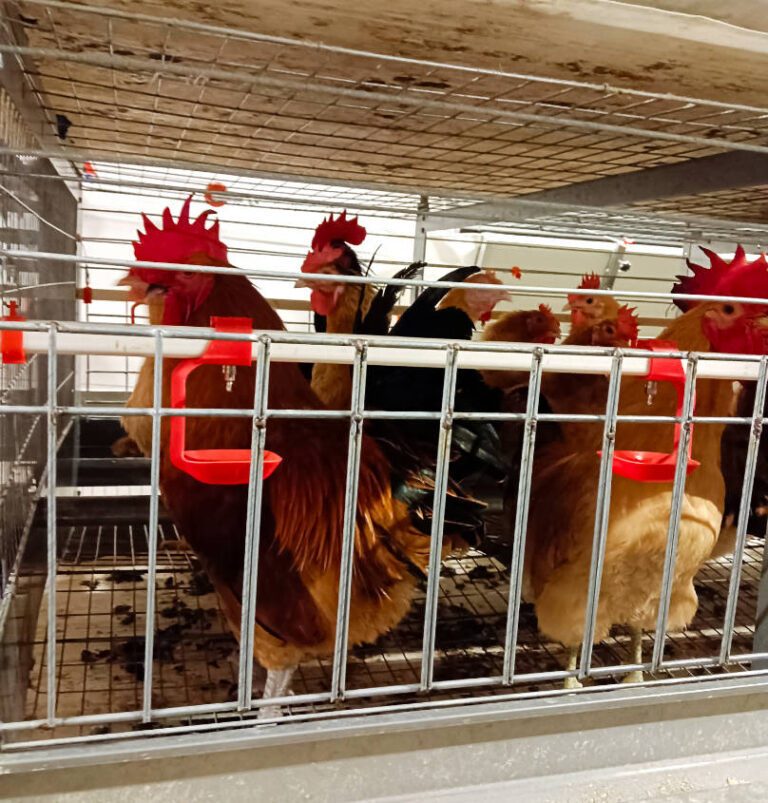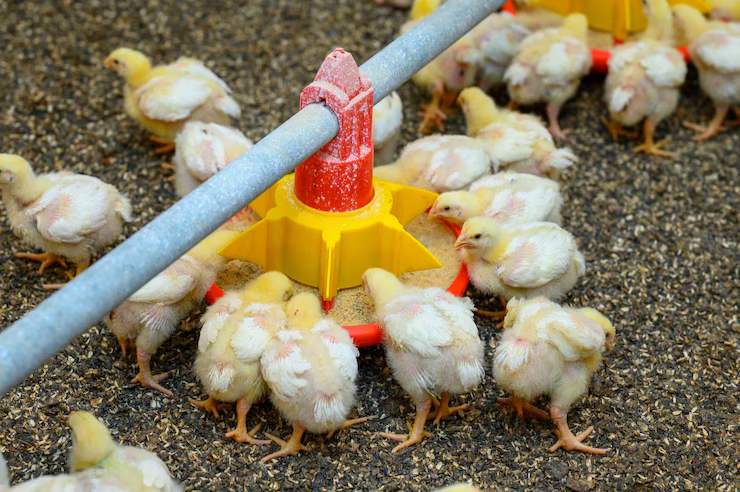

A well-planned poultry lighting system does more than illuminate a building. It helps operators create consistent working conditions, observe birds, coordinate daily routines, and manage energy use. Lighting design should therefore consider fixture position, wiring, dimming, photoperiod, flock stage, cleaning access, and environmental-control integration.
The correct layout depends on the poultry house, cage or floor system, bird category, local climate, and management objectives. A lighting plan should be documented before installation so that every fixture and control point has a clear purpose.
What Does a Complete Poultry Lighting System Include?
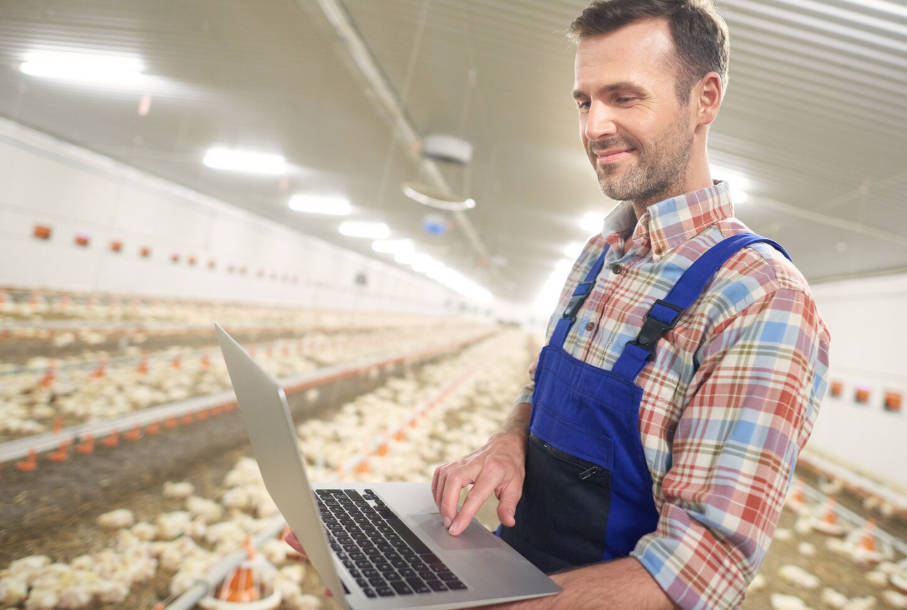
A complete system may include LED fixtures, wiring, switches, dimming functions, timers, control panels, mounting hardware, emergency procedures, and maintenance access. Poultry house lighting should be designed together with cage tiers, walkways, feeders, drinkers, ventilation openings, and inspection points.
The lighting brief should identify the required zones, the desired operating schedule, cleaning conditions, electrical arrangement, and how the lights interact with environmental controls. Agricultural lighting fixtures must be selected for the actual humidity, dust, washing, and corrosion exposure of the house.
How Should Poultry LED Lights Be Spaced Across Tiers?
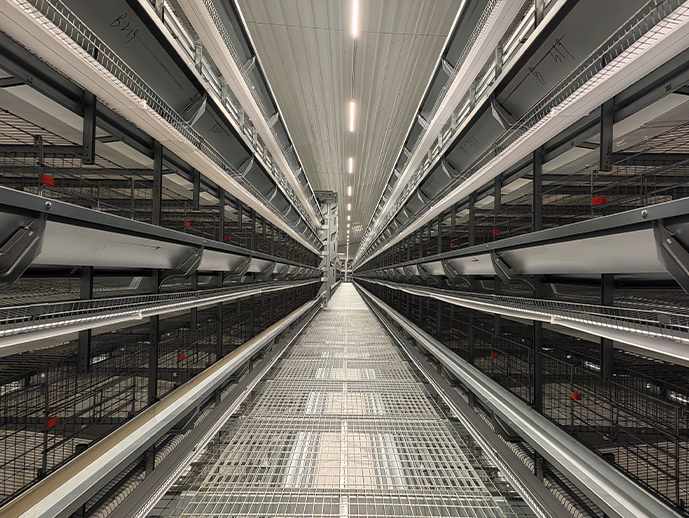
Poultry LED lights should be placed to provide consistent coverage across the usable bird area. In multi-tier cages, the designer must consider shadows from cage frames, feed troughs, pipes, and service equipment. LED poultry lights should also remain accessible for inspection and replacement.
A fixture layout should be reviewed from the bird’s position, the worker’s position, and the maintenance position. Uniformity is more useful than simply increasing the number of lamps. At ZEUSYANG, we offer LED lighting options for cage systems and environmental-control integration.
Which Agricultural Lighting Fixtures Suit a Humid House?
Humidity, dust, washing routines, and corrosive gases influence fixture selection. Buyers should ask about waterproof construction, mounting protection, cable routing, cleaning access, and replacement procedures. Agricultural LED lighting should be specified according to the conditions of the house rather than a generic catalogue description.
Electrical safety must be confirmed by the responsible project team. Fixture ratings, wiring, grounding, and control-panel installation require site-specific review.
How Do You Plan a Poultry House Lighting Photoperiod?
A poultry house lighting schedule should be consistent, documented, and adapted to bird age and production stage. Chicken lighting decisions should be coordinated with flock-management procedures and local veterinary guidance.
A chicken light for egg production should not be selected only by color or marketing language. The schedule, intensity, transition period, flock history, and house layout all influence how birds experience the lighting program. Sudden changes should be avoided unless a qualified manager has a specific reason.
What Changes Between Brooding, Growing and Laying?
Brooding, growing, and laying stages have different management objectives. LED lighting for chickens may need different schedules or intensity settings as birds develop. LED lights for chickens should be positioned so operators can inspect feed, water, bird distribution, and possible injuries.
The lighting brief should state who can change the schedule, how changes are recorded, and how operators respond if a controller or circuit fails. Consistent records help distinguish a lighting issue from a ventilation, feed, water, or flock-management issue.
Do Red Light Chickens Prefer a Specific Spectrum?
The phrase red light chickens is often used in spectrum discussions, but color claims should be treated carefully. Some farms may investigate different spectra, yet results cannot be assumed to apply to every breed, age, housing system, or management program.
When evaluating lights for chickens, buyers should request the purpose of the spectrum, the evidence behind the recommendation, the planned test period, and the welfare-monitoring process. A trial should be reviewed by the farm’s qualified adviser before broad implementation.
How Can LED Lighting for Chickens Reduce Energy Waste?
LED lighting for chickens can support energy discipline through zoning, scheduling, dimming, maintenance, and efficient control. LED lights for chicken coop projects should be arranged so unused areas are not illuminated unnecessarily and fixtures can be cleaned or replaced without excessive downtime.
Chicken house lights can be connected to a control approach that coordinates lighting with environmental monitoring. However, energy performance depends on operating hours, fixture quantity, dimming practice, electricity price, maintenance, and building design. No universal energy-saving percentage should be assumed.
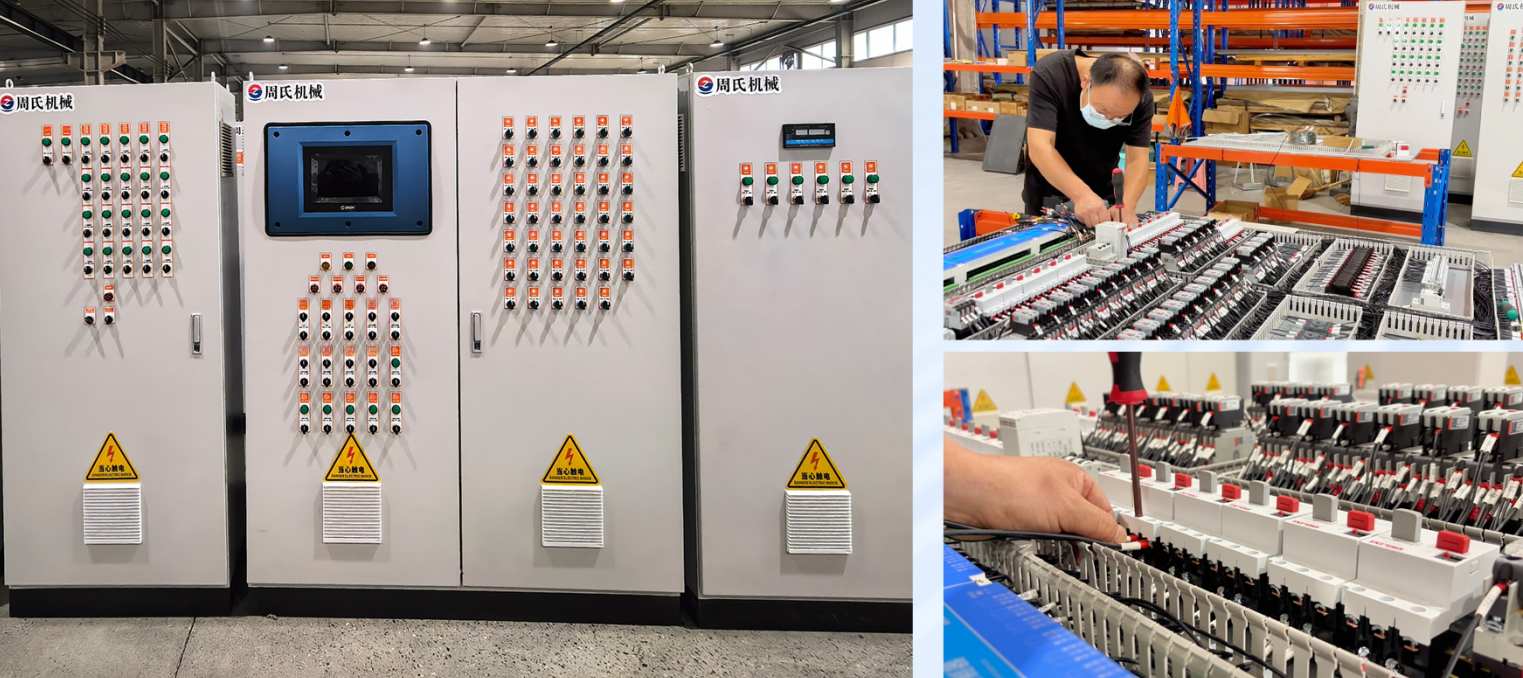
What Should a Lighting Control Panel Monitor?
A control panel may manage schedules, dimming levels, zones, alarms, and links to environmental equipment. When reviewing chicken house lights, buyers should document who can change settings and how abnormal conditions are reported.
The phrase best light for chicken coop should be interpreted as a project-fit question. The best choice depends on bird type, house structure, cleaning method, maintenance access, electrical safety, and the required control strategy.
Where Should LED Lights for Chicken Coop Retrofitting Start?
Start with a survey of the existing wiring, mounting points, voltage, cleaning routine, cage or floor arrangement, and environmental conditions. LED lights for chicken coop upgrades should be installed in stages if the house remains occupied.
The project should include testing, commissioning, emergency procedures, and operator training. A lighting retrofit should not block access to feeders, drinkers, fans, controllers, or manure-removal equipment.
Design a Reliable Lighting System With ZEUSYANG
ZEUSYANG provides poultry-house equipment that can include LED lighting, dimming functions, cages, feeding, drinking, ventilation, and environmental-control components. We help buyers connect poultry lighting requirements with the wider house layout.
Our planning approach considers bird category, house structure, equipment position, maintenance access, and the desired automation level. We can support equipment selection, poultry-house planning, installation guidance, commissioning, and after-sales technical service.
Which ZEUSYANG Lighting Features Can Be Specified?
Project specifications may include waterproof LED lighting, dimming capability, mounting arrangement, control interfaces, and maintenance access. LED poultry lights should be chosen according to the actual house environment and the required operating routine.
How Do We Support Layout, Commissioning and Upgrades?
We coordinate lighting discussions with cage, feeding, drinking, ventilation, and environmental-control planning. Our team can help define the layout, select compatible modules, guide installation, and support commissioning.
FAQ
Q: What is the first step in a poultry lighting project?
A: Survey the house, wiring, bird system, maintenance access, environmental conditions, and intended schedule before selecting fixtures.
Q: Is one poultry lighting color always the best option?
A: No. Spectrum decisions depend on bird type, age, management objectives, evidence, and qualified review.
Q: Can poultry lighting dimming reduce energy use?
A: Dimming and zoning may reduce unnecessary operation, but actual results depend on the complete project and operating practice.
Q: What is the best light for chicken coop use?
A: The best option is the one that fits the house, flock, maintenance routine, electrical conditions, and control requirements.
Q: Should lights for chickens be connected to environmental controls?
A: They can be integrated where the project design supports it, but control interfaces and operating responsibilities must be confirmed before installation.