
Upgrading an existing poultry house can improve daily control without requiring a complete rebuild. The best projects begin with an audit of the building, utilities, flock goals, labor pattern, and current equipment. Modern poultry equipment should be added in a sequence that solves the most important operational constraints first.
A retrofit is not simply a product purchase. A new fan, feeder, drinking line, manure belt, or environmental controller must fit the existing structure and work with the other systems. The following framework helps farm owners plan an upgrade that is practical, serviceable, and ready for future expansion.
What Should You Audit Before Buying Modern Poultry Equipment?
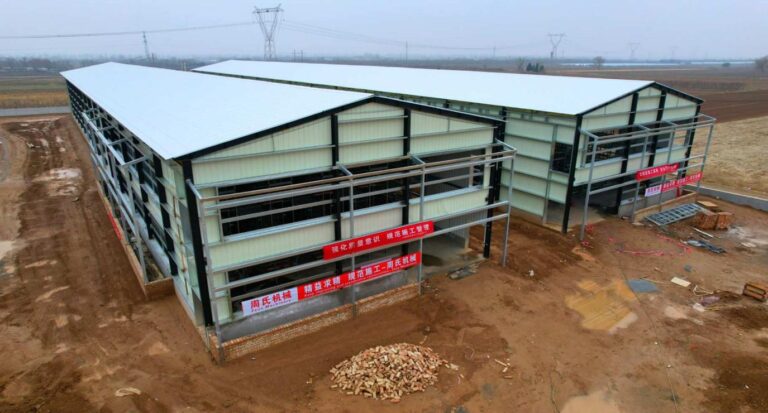
Before selecting equipment, inspect the chicken house as an operating system. Record the building dimensions, roof and floor condition, available power, water pressure, drainage, ventilation openings, service aisles, and equipment access. A poultry equipment chicken farming plan should also show how feed, workers, eggs, manure, tools, and replacement parts move through the building.
The audit should identify which equipment can remain, which equipment requires repair, and which components must be replaced. It should also clarify whether the project is a partial retrofit or a staged modernization program.
Which Building and Utility Checks Come First?
Start with the physical structure. Check whether the floor can support the proposed equipment and whether roof, wall, and column conditions allow secure mounting. Review electrical capacity, backup power, water supply, drainage, and the position of existing doors and service routes.
Ventilation openings deserve special attention. A new fan cannot perform correctly if air inlets are blocked, poorly positioned, or incompatible with the house design. ZEUSYANG planning services can help connect building conditions with equipment selection, but final structural and electrical approval must come from the project team responsible for the site.
How Do Flock Goals Change the Upgrade Plan?
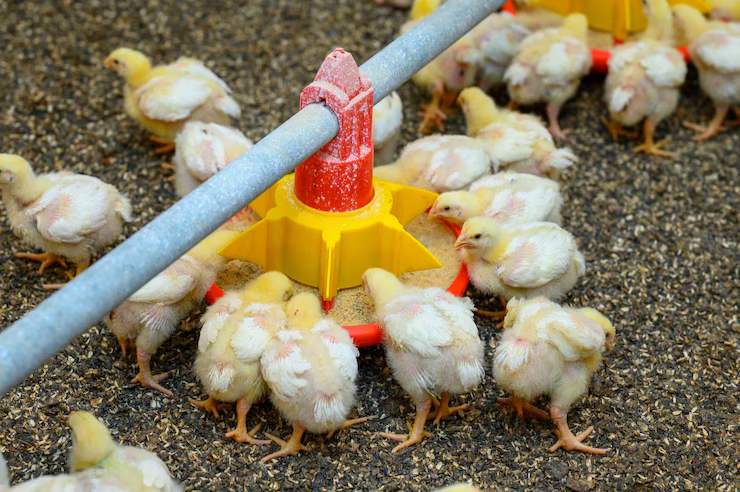
Layer, broiler, pullet, and breeder operations do not require the same equipment combination. Egg farms may prioritize egg collection, layer cages, lighting, and manure handling. Broiler projects may focus on feeding, drinking, ventilation, cooling, and floor or cage systems.
Farmers evaluating automatic poultry equipment for farmers should describe the flock type, target scale, current labor pattern, and desired management level before requesting a quotation. The same module may have different value in a small house and a large commercial complex.
Which Upgrade Should Come First: Ventilation, Feeding or Manure Removal?
There is no universal upgrade sequence. A farm should begin with the problem that creates the greatest operational risk or limits the performance of other equipment. In some houses, poor airflow must be corrected first. In others, feed delivery, leaking drinkers, or difficult manure handling creates the main burden.
A staged plan may start with automatic poultry equipment for one critical process and later add automated poultry equipment for connected tasks. Phasing can make installation easier, but every stage should preserve access for future work.
When Is Ventilation the Highest-Priority Upgrade?
Ventilation should receive early attention when the house has uneven airflow, persistent humidity, heat stress concerns, excessive dust, or poor air exchange. Push-pull or negative-pressure fans can be selected with automatic shutters and corrosion-resistant materials. However, fan performance depends on the complete air path, including inlets, curtains, cooling components, and controller settings.
The purpose of modern poultry equipment is not to replace management decisions. Operators must still inspect airflow, temperature, humidity, bird behavior, and alarm conditions after installation.
How Can Feeding, Drinking and Manure Modules Be Retrofitted?
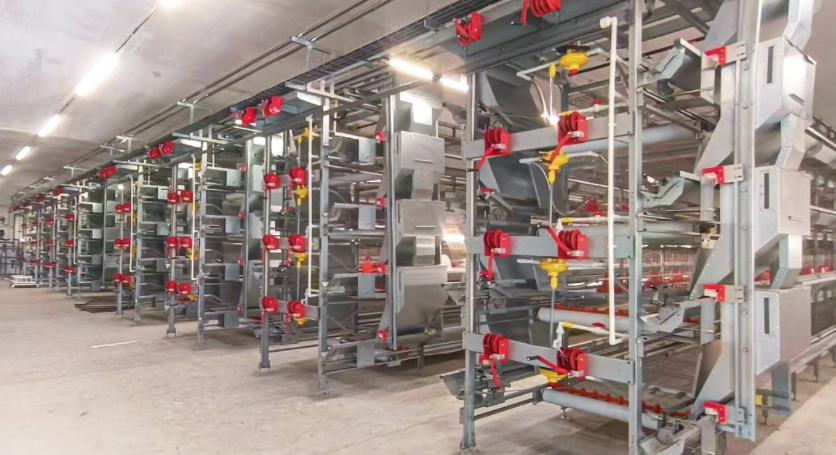
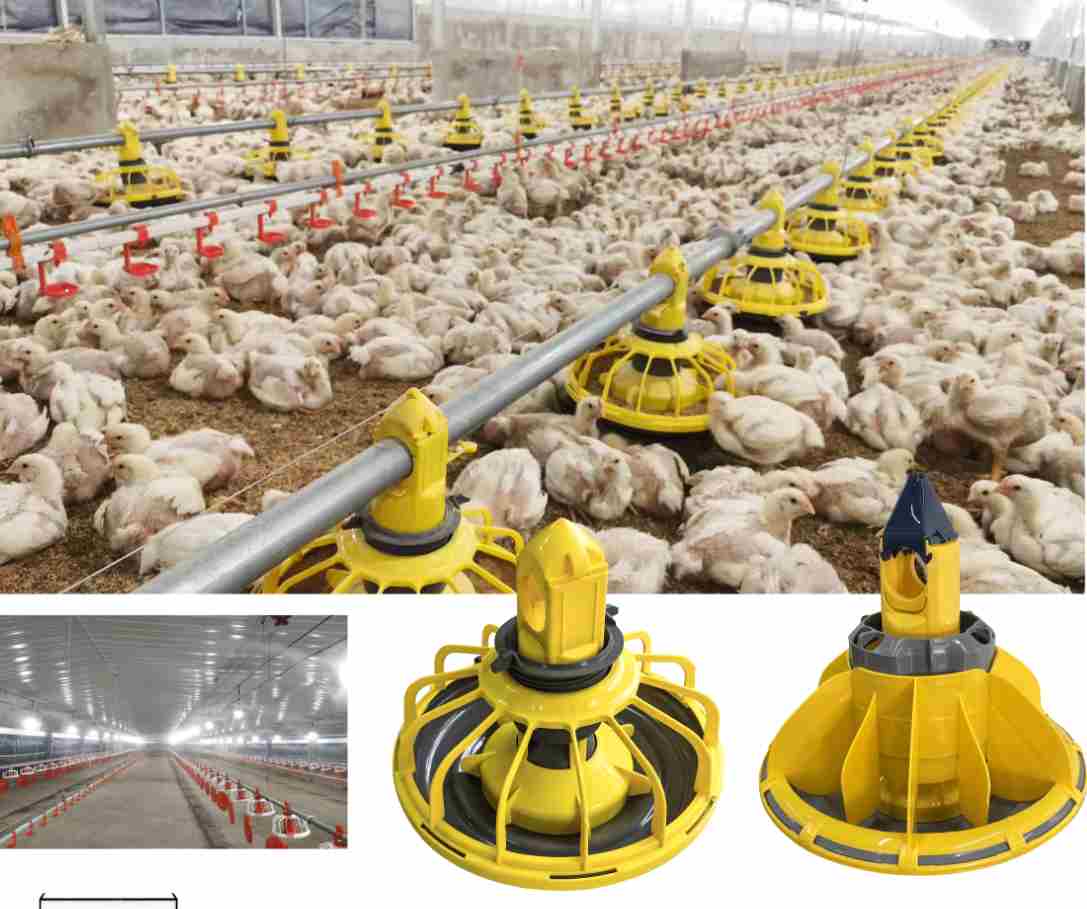
Retrofitting feeding and drinking equipment requires careful measurement of row spacing, height, water pressure, feed storage, and maintenance access. Feeding systems may use chain or driving arrangements, while drinking systems can include filtration, pressure regulation, flushing points, and adjustable lines.
Manure-removal equipment must connect to the existing cage or floor arrangement. Belts and conveyors should have a practical discharge route and enough clearance for inspection. When several systems are upgraded together, the project team should coordinate motors, control cabinets, cable routes, and emergency shutoffs.
How Should You Compare Poultry Equipment Manufacturers in China?
A supplier comparison should go beyond product photographs or broad claims. Buyers should review engineering drawings, material descriptions, customization options, installation scope, commissioning procedures, spare-parts support, and after-sales responsibilities.
When comparing poultry equipment manufacturers in china, ask whether the supplier can adapt equipment to the current building rather than offering only a standard package. A reliable supplier should also explain which existing components can be retained and what site changes are required.
What Evidence Should a Supplier Provide?
Request a layout drawing, equipment list, interface points, utility requirements, and a clear description of installation work. Confirm which party handles civil modifications, electrical connections, testing, operator training, and troubleshooting.
The supplier should distinguish verified product functions from project assumptions. Buyers should also ask how future modules can be added without removing the first-stage equipment.
Does “Best Poultry Equipment in the World” Mean Best for Your House?
The phrase best poultry equipment in the world is not a useful selection standard by itself. The best solution is the one that fits the building, flock, climate, labor model, utilities, maintenance ability, and production objective.
A practical evaluation should compare reliability, service access, corrosion resistance, control compatibility, installation support, and total project suitability. A technically advanced system may not be appropriate if the farm cannot maintain or operate the system correctly.
Upgrade Existing Houses With ZEUSYANG
ZEUSYANG supports poultry-house planning and equipment selection for upgrade projects. We provide cage systems, feeding, drinking, egg collection, manure removal, ventilation, cooling, lighting, environmental controllers, and related technical support.
Our approach begins with the existing house and the buyer’s operating goals. We can help define whether the project should prioritize airflow, feed delivery, water management, manure handling, egg collection, or a broader automation program. We also support equipment selection, installation guidance, commissioning, and after-sales service.
Which ZEUSYANG Modules Can Be Phased In?
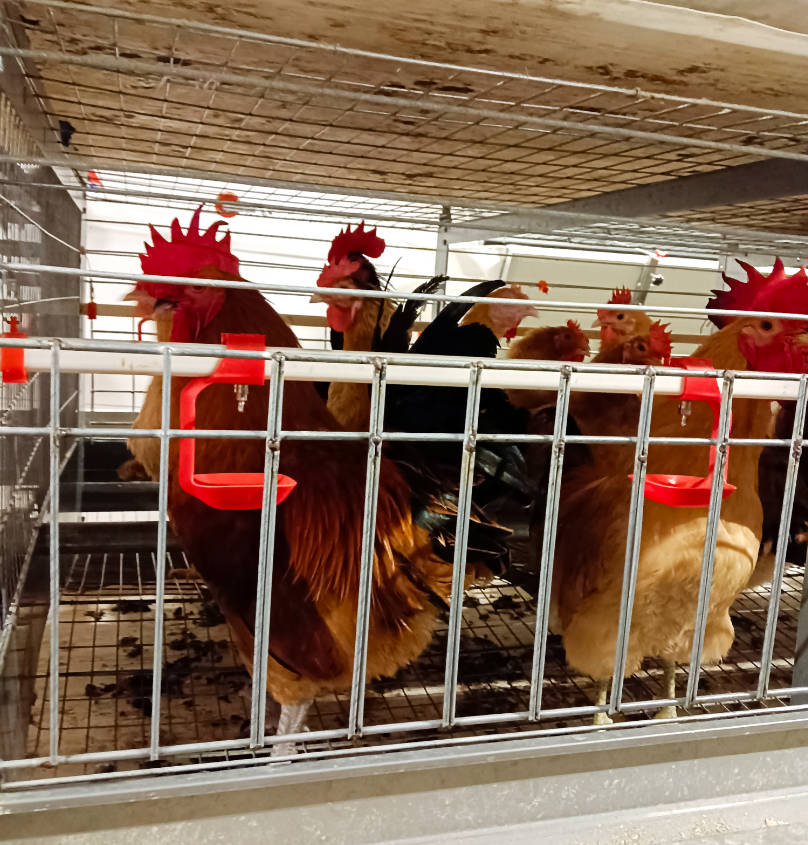
A farm may begin with ventilation and environmental control, then add feeding, drinking, manure, or egg-collection modules. Cage systems can be configured with feeding lines, adjustable waterlines, manure belts, and environmental-control components. Ground-oriented projects can use feeding, drinking, and floor-slat modules.
This modular approach allows the buyer to match investment timing with the building’s readiness. It also helps operators learn each new system before adding another layer of automation.
What Do Our Planning and After-Sales Services Cover?
We support layout planning, poultry-house design, equipment selection, installation guidance, commissioning, and technical assistance after delivery. Our goal is to connect each equipment decision with the actual site rather than provide an isolated product list.
A clear project brief should include flock type, house dimensions, utility conditions, desired automation, cleaning route, maintenance access, and future expansion plans.
FAQ
Q: Can an old chicken house use new automatic systems?
A: Often it can, but compatibility must be checked. Building strength, power, water, drainage, access, and ventilation openings determine which modules can be installed safely.
Q: Should a chicken farm automate everything at once?
A: Not always. A staged approach may reduce disruption and allow operators to verify each upgrade. The sequence should follow the farm’s most urgent operational constraints.
Q: Is automatic poultry equipment always cheaper over time?
A: There is no universal answer. Labor, energy, maintenance, utilization, installation, and local operating conditions all affect the result. Project-specific cost analysis is required.
Q: How should buyers choose a poultry equipment supplier?
A: Compare drawings, verified functions, customization, installation scope, commissioning, spare parts, training, and after-sales support rather than relying on a “best” claim.
Q: What should be confirmed before ordering poultry equipment?
A: Confirm building measurements, equipment interfaces, utility requirements, cleaning routes, safety procedures, installation responsibilities, and future expansion options.