
A good layout makes modern poultry farming equipment easier to operate, inspect, clean, and maintain. Biosecurity does not come from one machine alone. It depends on how people, birds, feed, water, eggs, manure, tools, and service vehicles move through the farm.
For B2B buyers, layout planning should happen before equipment is finalized. The goal is to reduce unnecessary cross-traffic, keep clean and dirty routes understandable, and make daily hygiene work practical.

Why Modern Poultry Farming Equipment Needs Biosecurity Zones
A poultry house can be divided into clean, transition, and production areas. The exact arrangement depends on the farm plan, but the principle is consistent: movements should be predictable, observable, and easy to control.
Modern poultry equipment should support this flow. Feed delivery, drinking systems, egg collection, manure removal, ventilation, and environmental controls all need service access without creating avoidable contact between clean and waste routes.
Which Routes Should Stay Separate?
Staff, feed, eggs, manure, tools, and maintenance materials should not be forced through the same route when separation is practical. A poultry equipment chicken farming plan should show where workers enter, where feed is stored, where eggs leave, and where manure exits.
Waste handling should move away from production areas. Egg collection should avoid crossing manure-transfer routes. Maintenance access should be planned so that technicians can reach equipment without disrupting the entire flock.
Where Should Hygiene Stations Sit?
Entry and transition points are logical places for changing footwear, cleaning tools, checking visitors, and managing access. The exact hygiene procedure depends on local farm rules and veterinary requirements.
Good chicken poultry farming equipment planning includes these process points even though hygiene stations are not machines. Layout should make the correct action easier to follow.
Layout Automatic Poultry Equipment Around a One-Way Hygiene Flow
Automatic poultry equipment works best when each module has a clear place in the farm’s operating sequence. Feed should enter through a controlled route, water should be filtered and distributed through serviceable lines, eggs should move toward a clean collection point, and manure should leave through a separate waste route.
Automated poultry equipment can reduce repetitive handling, but automation does not remove the need for cleaning, inspection, records, or emergency procedures. A layout must remain understandable when a motor stops, a line needs flushing, or a technician needs access.
The role of automatic poultry farm equipment is to support repeatable work. Its value depends on correct sizing, installation, maintenance, and operator training.
Feed and Water Lines: How Can They Support Hygiene?
Modern chicken rearing equipment should make feed delivery adjustable, visible, and accessible for inspection. ZEUSYANG feeding systems can use chain or driving feeding arrangements, with adjustable delivery controls for different growth stages.
Water systems should include practical filtration, pressure management, line support, and cleaning access. In this context, automatic poultry equipment for farmers means equipment that supports consistent routines while keeping service points reachable.
Keep Egg and Manure Routes Apart
Chicken egg farming equipment should be positioned so eggs can move toward collection and packing areas without crossing the manure route. Cage-based systems may use egg belts and collection conveyors, while manure belts move waste in a different direction.
The separation does not replace sanitation. Eggs, tools, and containers still require clean handling. The layout simply reduces unnecessary contact and makes the intended workflow easier to supervise.

Ventilation, Cleaning and the Production-Area Routine
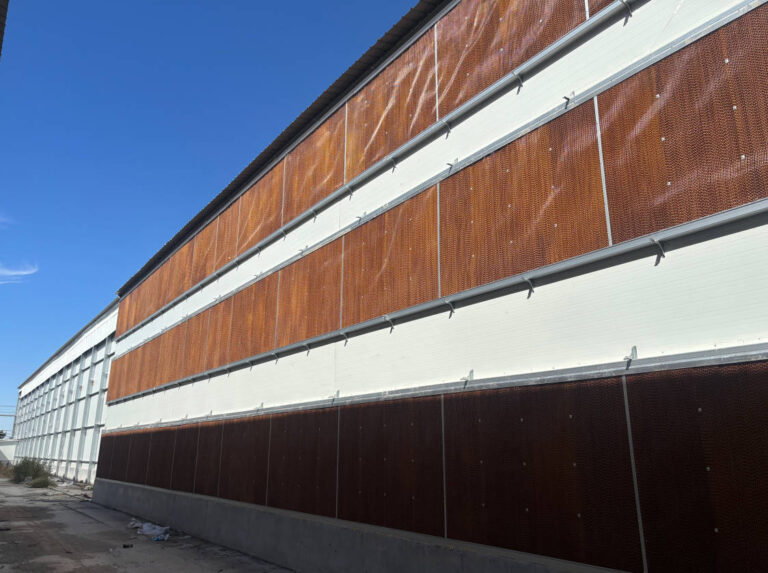
Ventilation should be planned together with cleaning access, water control, stocking decisions, and building openings. Modern poultry farming equipment may include fans, cooling components, air inlets, environmental controllers, and monitoring functions.
Smart farming equipment for poultry farming can help operators observe environmental conditions or adjust systems, but the technology does not replace management judgment. Operators still need to inspect birds, equipment, alarms, dust, moisture, and unusual odors.
Floor systems may use slats to support airflow and waste separation. Cage systems may use manure belts and integrated environmental-control components. Each layout requires a practical maintenance route.
Cage or Floor Plan: What Changes?
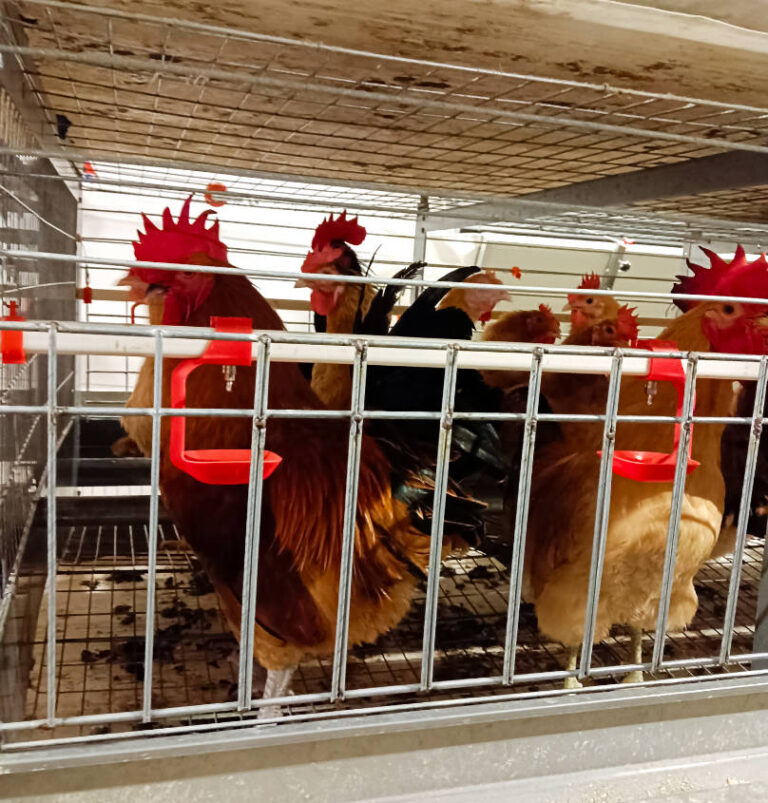
Broiler cage equipment is normally planned around cage rows, feed delivery, drinking lines, manure handling, and ventilation. Layer poultry equipment may add egg belts, collection points, lighting, and environmental controls.
A floor layout may require more direct litter inspection and different access arrangements. Neither approach is automatically superior. Buyers should compare bird type, house design, staff skills, cleaning routines, and service requirements.
What Does “Best” Equipment Mean for This Layout?
The phrase best poultry equipment has no universal meaning. The best choice for one farm may not fit another because building dimensions, climate, bird category, labor, and service access differ.
Modern poultry equipment should be judged by compatibility with the planned flow, ease of maintenance, verified functions, corrosion resistance, operator access, and supplier support. Product claims should be checked against the actual project brief.
Build an Integrated Layout With ZEUSYANG
ZEUSYANG helps buyers connect layout planning with equipment selection. We provide poultry cages, ventilation, feeding, drinking, manure-removal, egg-collection, floor-system, and environmental-control options.
Our team can support poultry-house design, equipment selection, installation guidance, commissioning, and after-sales service. We use the farm’s bird type, building plan, operating routes, and automation goals to define a practical equipment brief.
Which ZEUSYANG Modules Fit This Layout?
Our cage systems can combine feeding, adjustable drinking lines, manure belts, ventilation, and environmental-control components. Our ground-oriented solutions can include feeding, drinking, and floor-slat modules.
The right combination depends on the selected housing model. We focus on service access, clean and waste routes, equipment compatibility, and the operator’s daily workflow.

How Should Buyers Compare Cage and Floor Solutions?
Buyers should compare poultry equipment chicken farming requirements across bird type, flock size, available space, manure handling, egg movement, cleaning access, and future expansion.
A clear layout brief helps prevent disconnected purchases. Equipment should work as a system, with compatible control points and maintenance access.
FAQ
Q: Does automation guarantee disease control?
A: No. Modern poultry farming equipment can support cleaner routes, ventilation, waste handling, and monitoring, but disease control also depends on farm procedures, cleaning, isolation, stocking decisions, and daily observation.
Q: What is the first layout question for a new farm?
A: Start with movement. Map staff, feed, water, eggs, manure, tools, visitors, and service vehicles before selecting modules.
Q: Is automatic poultry farm equipment suitable for every farm?
A: Not automatically. The equipment must match building dimensions, bird category, power and water conditions, maintenance ability, and the required operating scale.
Q: How should a buyer choose best poultry equipment?
A: Define the workflow first. Then compare verified functions, service access, compatibility, installation support, maintenance requirements, and total project fit.
Q: What should buyers confirm before ordering?
A: Buyers should confirm the house layout, equipment interfaces, cleaning route, ventilation plan, water arrangement, manure route, egg route, installation scope, and after-sales responsibilities.