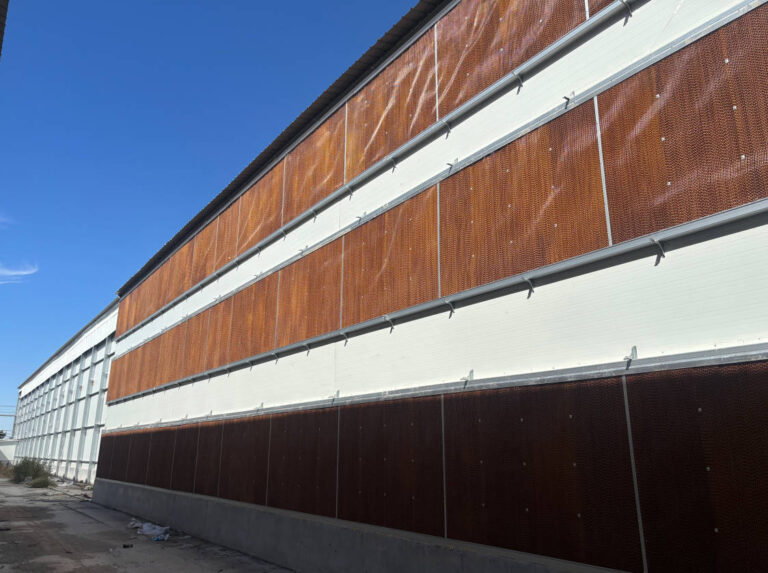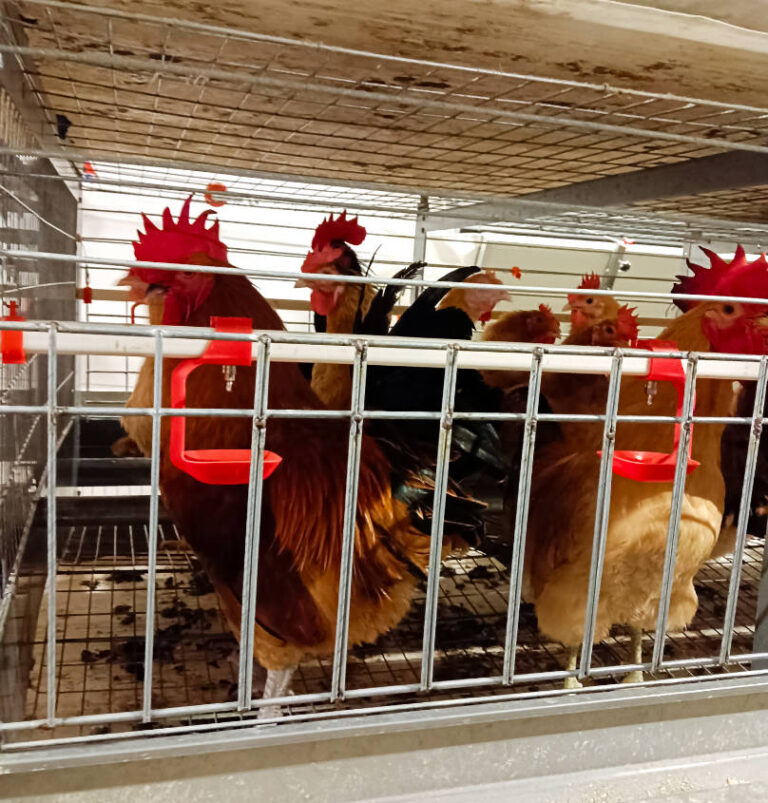

Choosing between the deep litter method chicken coop model and traditional cleaning depends on housing design, labor availability, moisture control, ventilation, and flock size. Neither system is automatically better for every farm. The right choice is the one that gives operators reliable control over litter condition, manure movement, drinking water, airflow, and daily observation.
What Is the Deep Litter System in Poultry Housing?
The deep litter system of poultry housing keeps bedding material on the floor for an extended management cycle instead of removing all litter after every short interval. Operators add or turn bedding when required and remove material when moisture, odor, caking, or hygiene conditions demand it.
In a deep litter system in poultry, birds live and move on a floor surface. Feeders, drinkers, nest areas, activity areas, and service paths must be arranged so that litter remains as dry and clean as possible. The system requires continuous observation rather than a fixed assumption that old litter can remain indefinitely.
Deep Litter Poultry House Design Starts With Dry, Separated Zones
Effective deep litter poultry house design begins with separation between feeding, drinking, resting, laying, and service areas. Water lines should be positioned to reduce dripping onto bedding. Feed areas should be easy to refill and inspect without creating unnecessary traffic across the litter.
A floor or slat module can help organize movement and allow waste to fall away from selected areas. ZEUSYANG floor-system knowledge covers feeding, drinking, and floor-slat modules that can be combined according to the chosen housing layout.
How Does Deep Litter Differ From a Full Clean-Out?
A deep-litter workflow uses regular checks, spot removal, turning, and controlled bedding replacement. Traditional cleaning normally relies on more frequent removal of used material and a planned reset of the coop.
The difference is not only cleaning frequency. It also changes how staff inspect moisture, leaks, odors, bird behavior, and access points. A deep litter system of poultry housing needs clear operating rules so that delayed full cleaning does not become neglected cleaning.
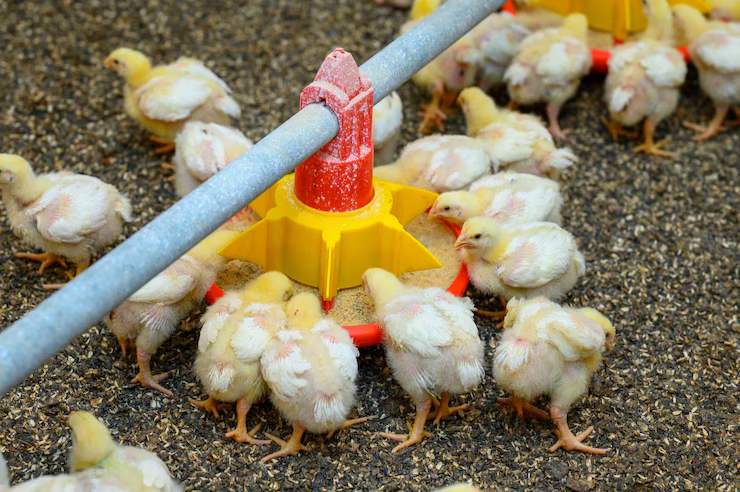
Traditional Cleaning vs a Deep Litter Method Chicken Coop
A deep litter method chicken coop can reduce the frequency of complete bedding removal when litter remains dry and operators manage the floor correctly. Traditional cleaning offers more direct physical removal of accumulated material and may be easier for teams that prefer a clearly defined clean-out schedule.
The advantages and disadvantages of deep litter system in poultry management should therefore be assessed together. Deep litter may reduce repeated hauling and disruption, but it also demands consistent inspection. Traditional cleaning may require more labor at specific intervals, but the reset point is easier to identify.
What Are the Advantages of Deep Litter System Management?
The advantages of deep litter system management can include fewer complete bedding changes, a stable floor environment, and a workflow that avoids repeated disturbance of the flock. These benefits are conditional. They depend on dry bedding, sound drinker management, sufficient ventilation, and timely removal of problem areas.
The advantages of deep litter system in poultry should not be presented as guaranteed disease prevention or guaranteed cost savings. Farm results depend on building design, climate, stocking decisions, cleaning discipline, and operator experience.
When Does Traditional Cleaning Give More Direct Control?
Traditional cleaning gives direct control when wet or caked material must be removed quickly. It also gives operators a clear opportunity to inspect the floor, walls, equipment, and service areas during a full reset.
A deep litter method chicken coop still requires the same attention to leaks, damaged equipment, unusual odors, and visibly contaminated areas. Automation can support manure handling, but it cannot replace observation and corrective action.
Battery Cage vs Deep Litter System: Match the Workflow to the Farm
The battery cage vs deep litter system decision changes the way manure, birds, staff, and equipment move through the house. Floor systems require direct litter management. Cage systems transfer more waste handling to manure belts, conveyors, and scheduled removal equipment.
A buyer comparing the deep litter system vs cage system should examine labor flow, available building space, cleaning access, ventilation design, flock management, and the operator’s ability to maintain each system. The comparison should focus on fit, not on a universal ranking.
What Equipment Changes the Cleaning Route?
In a cage workflow, manure belts can collect waste below cage rows and move it toward an outdoor transfer point. Verified ZEUSYANG cage configurations can combine feeding, adjustable drinking lines, manure conveyance, and environmental-control components.
In a floor workflow, operators may use feeding lines, drinking systems, floor slats, ventilation equipment, and manual or planned litter handling. The deep litter system vs cage system choice therefore affects both the equipment list and the daily work route.
Which Farm Priorities Should Decide the System?
Farm priorities should include available labor, house dimensions, water reliability, ventilation capacity, cleaning access, and the desired level of automation. A small flock may favor a simple workflow that staff can inspect closely. A larger operation may need more structured waste movement and centralized management.
The battery cage vs deep litter system comparison should also consider future expansion. A layout that works today may become difficult if equipment access, manure removal, or service routes are not planned for a larger flock.
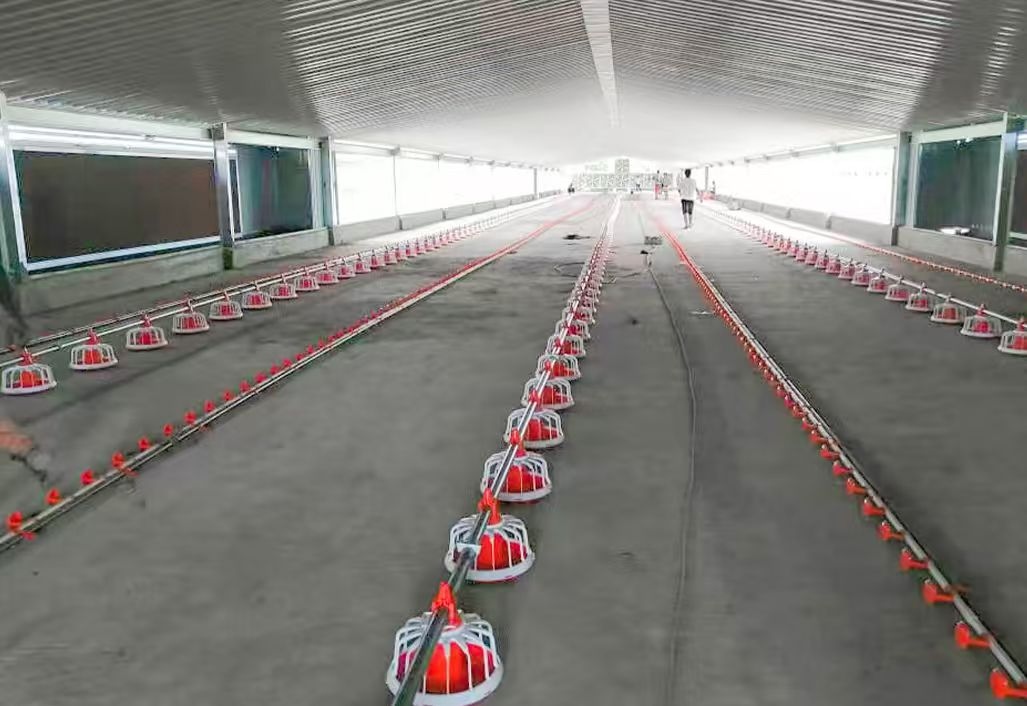
A Hygiene Routine for a Deep Litter Method Chicken Coop
A deep litter method chicken coop needs a repeatable inspection routine. Operators should check bedding around drinkers, feeders, walls, corners, and high-traffic areas. They should identify wet patches, hard caking, unusual odor, damaged equipment, and changes in bird behavior.
Why Ventilation and Water Control Cannot Be Separated?
In a deep litter system in poultry, water leaks can quickly change litter condition. Ventilation helps manage air movement and moisture, but ventilation must be matched to the building, climate, stocking level, and equipment layout.
ZEUSYANG equipment knowledge includes drinking lines, filtration, pressure regulation, fans, cooling components, and environmental-control integration. These functions support management, but operators still need to inspect drinker performance and litter condition.
When Should Litter Be Removed or Replaced?
Litter should be removed or replaced when moisture, caking, odor, contamination, or flock condition shows that normal maintenance is no longer sufficient. No single replacement interval applies to every house.
The practical rule is condition-based action. Staff should record problem locations, correct leaks, improve airflow where necessary, and remove affected material before conditions spread across the floor.
Plan the Right Cleaning System With ZEUSYANG
ZEUSYANG helps buyers connect housing decisions with equipment planning. We can evaluate whether a project needs floor-system modules, feeding lines, drinking systems, ventilation, environmental control, or a cage-based manure-removal route.
Our product range includes H-type and A-type layer cage systems, feeding and drinking equipment, manure belts, egg-collection options, ventilation, and floor-oriented solutions. We can also support poultry-house design, equipment selection, installation guidance, commissioning, and after-sales service.
Which ZEUSYANG Modules Fit Floor Management?
For a floor-based deep litter system in poultry, we can combine feeding, drinking, floor-slat, ventilation, and environmental-control requirements according to the house layout. We focus on access, serviceability, water management, and practical cleaning routes.
When Is an H-Type Layer Cage Worth Comparing?
An H-type layer cage is worth comparing when a buyer wants a structured cage workflow with integrated feeding, drinking, manure belts, and environmental-control options. Our H-type layer cage system should be assessed against the farm’s building, labor model, bird-management goals, and cleaning priorities.
FAQ
Q: Which Cleaning Method Suits Different Flock Sizes?
A: Both systems can work at different scales. The decision depends on labor, building design, service access, ventilation, water control, and the operator’s management routine.
Q: Can Automation Replace Daily Observation?
A: No. A deep litter system or cage system can use automation for feeding, drinking, manure handling, ventilation, or monitoring, but operators must still inspect birds, equipment, litter, and abnormal conditions.
Q: Is a Deep Litter System Always More Economical?
A: No universal answer exists. The result depends on construction, labor, equipment, bedding, maintenance, climate, and management quality.
Q: What Should Operators Check Before Choosing?
A: Operators should compare cleaning frequency, moisture control, manure routes, ventilation, labor requirements, future expansion, and the support available for equipment planning.
Q: What Should Operators Check in This Workflow?
A: They should check drinker leaks, litter moisture, odor, caking, feeding access, airflow, damaged components, and whether corrective cleaning can be completed without disrupting the flock.