
Choosing poultry farming equipment for a cold climate is a systems decision. Buyers need to compare housing, poultry cages, feeding, drinking, manure handling, ventilation, heating, monitoring, and backup power as one operating plan. This guide explains how to define that plan and prepare a practical quotation request.
How Should You Plan Poultry Farming Equipment for a Cold Climate?
Before comparing machines, define the operating brief. Record winter conditions, electricity, flock type, house dimensions, labor, cleaning routines, and expansion plans. For a project in Russia, the winter temperature range, utility reliability, and house-sealing requirements should be documented before equipment is specified. These inputs determine the house envelope, monitoring, and automation level, keeping the equipment list connected to the actual site rather than a generic poultry farming equipment market checklist.
Map Temperature, Humidity, Power, and House Sealing
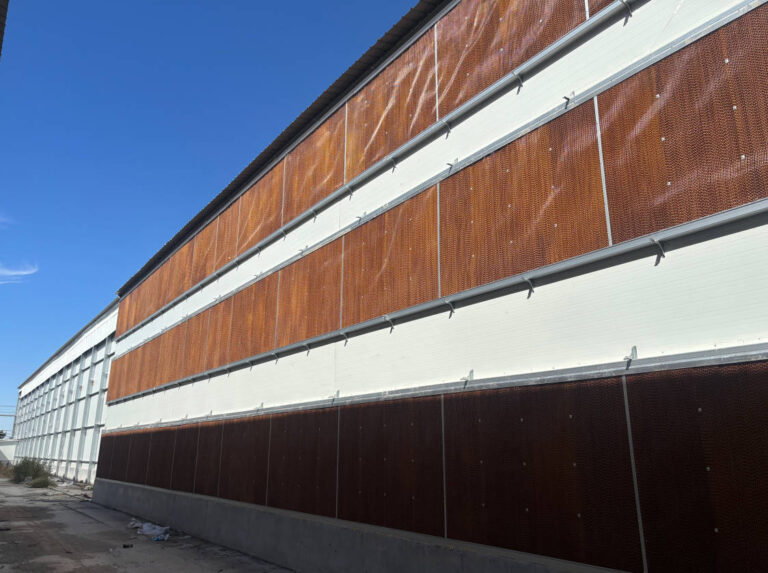
A cold-climate plan should start with the building envelope. A steel poultry house can be specified around sealing, insulation, controllable airflow, and moisture resistance, but final construction must match local requirements. Document power reliability and the location of heaters, fans, sensors, and water equipment when planning an automatic poultry farm setup.
Which Automatic Poultry Equipment Is Essential Before Winter?
Separate minimum systems from optional automation. The base brief covers housing, cages or floor equipment, feeding, drinking, manure removal, ventilation, lighting, environmental control, heating, disinfection, and backup power. Automation can then be added where it reduces labor or improves consistency, helping buyers compare automatic poultry equipment by function.
Choose Poultry Cages and the Right Poultry Farm Cage System
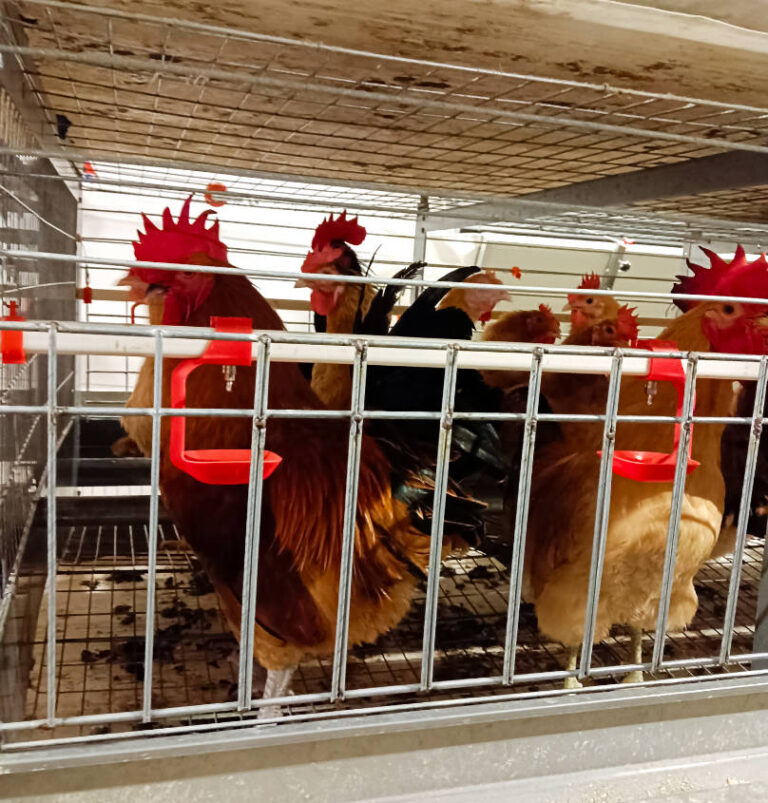
Housing selection affects airflow, cleaning access, inspection, feed delivery, and manure handling. A poultry farm cage system should therefore be reviewed as part of the house layout, not as an isolated cage quotation. H-type and A-type layer cage systems can be matched with feeding, drinking, manure-belt, and environmental-control equipment when the project is designed as an integrated system.
How Should You Assess Poultry Cages for Airflow, Cleaning, and Access?
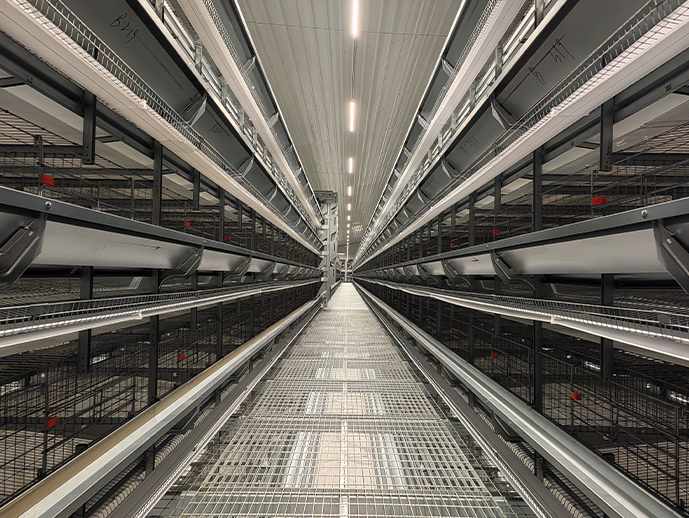
Ask how the poultry cages leave space for air movement, inspection, and service work while keeping feeding and drinking lines accessible. Stacked systems may combine cage rows with manure belts, feeding equipment, waterlines, and ventilation space. Confirm row arrangement, belt access, cleaning routes, and maintenance points before approving a drawing. The feeder in a poultry farm should allow feed inspection and adjustment without disrupting house control.
Treat Floor and Deep-Litter Housing as Site-Specific Choices
Some buyers begin with a deep-litter poultry-house design or compare a deep-litter poultry-housing system with cages. Those terms should trigger a project-specific review rather than a universal recommendation. The layout, litter management, ventilation, cleaning access, and local operating rules must be confirmed before any claim is made about the advantages of a deep-litter system for poultry.
How Should Automatic Poultry Equipment Handle Feed, Water, and Manure?
Cold weather makes continuity and service access especially important. Feed delivery must remain adjustable, drinking equipment inspectable, and manure removal compatible with the house workflow.
Choose Feeders in a Poultry Farm for Flock Age, Hygiene, and Labor
Feeding equipment should match flock age, feed type, house dimensions, and labor. Verified systems include driving or chain feeding, feed-level adjustment, feed towers, and feeder trays. Ask how feed quantity is controlled, spills inspected, and lines cleaned. Modern poultry farm equipment is useful when it improves repeatability while preserving inspection points.
How Can Waterlines and Manure Equipment Protect House Control?
Water systems may include filtration, pressure regulation, flushing, and adjustable waterlines. The quotation should identify line routing, service points, and cold-weather flow checks. Manure belts or other removal equipment should coordinate with cage rows and outdoor handling. No universal freeze-protection result should be assumed without a site review.
Balance Heating, Ventilation, and Environmental Control
Heating and ventilation should be specified as one environmental system. Retaining heat does not remove the need for controlled air exchange, and ventilation does not justify uncontrolled drafts. The equipment brief should connect fans, air inlets, deflectors, heating, sensors, alarms, and backup power to the house structure and operating schedule.
How Can Automatic Poultry Equipment Control Airflow Without Cold Stress?
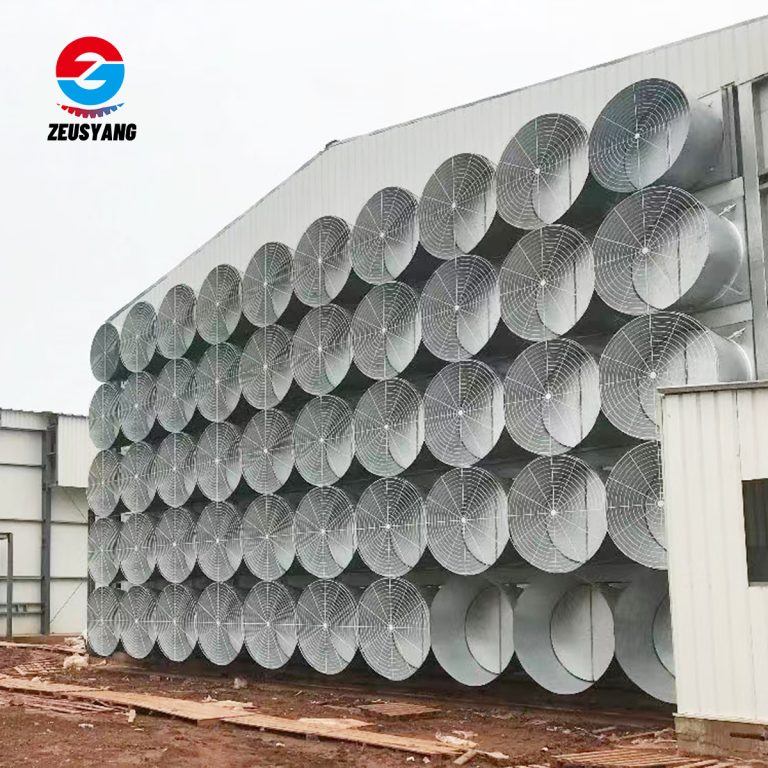
Push-pull or negative-pressure fans, air inlets, and deflectors can support controllable airflow. An environmental controller can monitor temperature, humidity, harmful gases, ventilation status, and alarms, subject to the selected system. Request control logic, sensor locations, alarm points, and maintenance access. Settings depend on house design, flock stage, weather, and local practice.
Plan Heating, Monitoring, and Backup Power Together
Heating equipment should be reviewed alongside monitoring and backup power. A controller and alarm system can identify abnormal conditions, while a generator or other backup arrangement supports continuity during interruptions. State which loads are critical, how alarms are communicated, and who responds after hours. These details turn an automatic poultry farm setup into an operating plan.
How Does ZEUSYANG Build an Automatic Poultry Farm Setup for Cold Climates?
At ZEUSYANG, we use the house plan and operating brief to organize a relevant equipment package. Our role is to connect the cage or floor decision with feeding, drinking, manure removal, ventilation, environmental control, heating, lighting, and other supporting systems documented for the project. This approach gives buyers a clearer basis for comparing a complete poultry farming equipment proposal.
Our ZEUSYANG planning process keeps utilities, service access, and future expansion visible before equipment is finalized.
Select Modern Poultry Farming Equipment Around the House Plan
We begin with project information such as house dimensions, flock type, climate, land conditions, labor expectations, and management goals. Our equipment scope can then be structured around H-type or A-type layer cages, brooding equipment, automatic feeding and drinking systems, manure removal, ventilation, environmental control, heating, and steel-house requirements where applicable. The purpose is not to maximize the equipment list, but to make each selected module fit the way the farm will operate.
Which Compatibility, Service, and Expansion Details Should Buyers Confirm?
Before ordering, buyers should confirm equipment compatibility, utility requirements, installation scope, commissioning responsibilities, maintenance access, spare-parts expectations, and possible future expansion. We can use these inputs to refine an automatic poultry farm setup and identify which elements should be included now or reserved for a later phase. Buyers reviewing the poultry farming equipment market should compare these practical details, not only headline machine descriptions or unverified cost claims.
FAQ
Q: What poultry farming equipment is most important in a cold climate?
A: Start with a suitable house envelope, controlled ventilation, heating, reliable drinking and feeding, manure handling, environmental monitoring, and backup power. The final priority depends on the site, flock, utilities, and management plan.
Q: Are poultry cages better than a deep-litter system in winter?
A: Neither should be treated as universally better. Compare poultry cages and deep-litter housing against airflow, cleaning access, litter or manure handling, labor, house design, and local operating requirements. A verified project assessment is needed before claiming a specific advantage.
Q: What should a feeder in a poultry farm handle during winter?
A: It should deliver the planned feed consistently, allow practical adjustment and inspection, and fit the house layout and cleaning routine. Driving or chain systems, feed-level control, towers, and trays should be evaluated against flock and labor requirements.
Q: What does an automatic poultry farm setup need before quotation?
A: Provide house dimensions, flock type, climate, land and utility information, labor expectations, preferred housing method, expansion plans, and installation requirements. These details allow the supplier to coordinate equipment instead of pricing disconnected components.