
Hot climates make poultry disease prevention an equipment-and-management problem. High temperature, humidity, dust, ammonia, wet manure, and extra water demand can combine to weaken flock resilience and make contamination harder to control. Poultry farming equipment cannot replace vaccination, veterinary oversight, cleaning, or movement controls, but an integrated system can stabilize the house environment and separate clean and dirty flows.
Why Hot Climates Change the Disease-Prevention Equipment Plan
Heat, Moisture, and Air Quality Form One Risk Chain
Heat stress can limit production and, in severe conditions, cause mortality. A hot house also holds more moisture when drinkers, cooling systems, or manure management are poorly controlled. Moisture supports caked waste, while poor air exchange allows carbon dioxide, dust, and waste gases to accumulate. Buyers comparing modern poultry farming equipment should ask how consistently a system keeps the house serviceable during the hottest hours.
Equipment Must Support Management, Not Replace Biosecurity
Farm biosecurity reduces, but does not eliminate, infection risk. Equipment supports a biosecurity program by making routines repeatable: feed and water can follow defined routes, manure can leave the house on a schedule, and eggs can move with less unnecessary handling. Staff still need controlled entry, clean clothing and tools, isolation procedures, disinfection, and veterinary guidance.
Build the Hygiene Foundation Around the Poultry Farm Cage System
Separate Birds, Eggs, Water, and Manure Paths
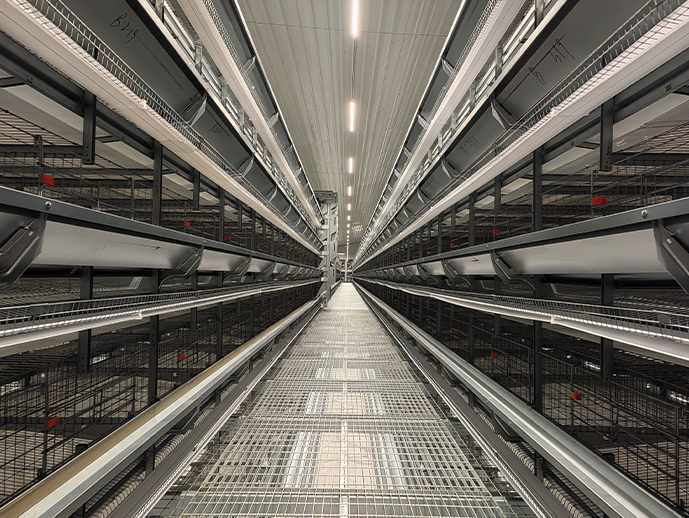
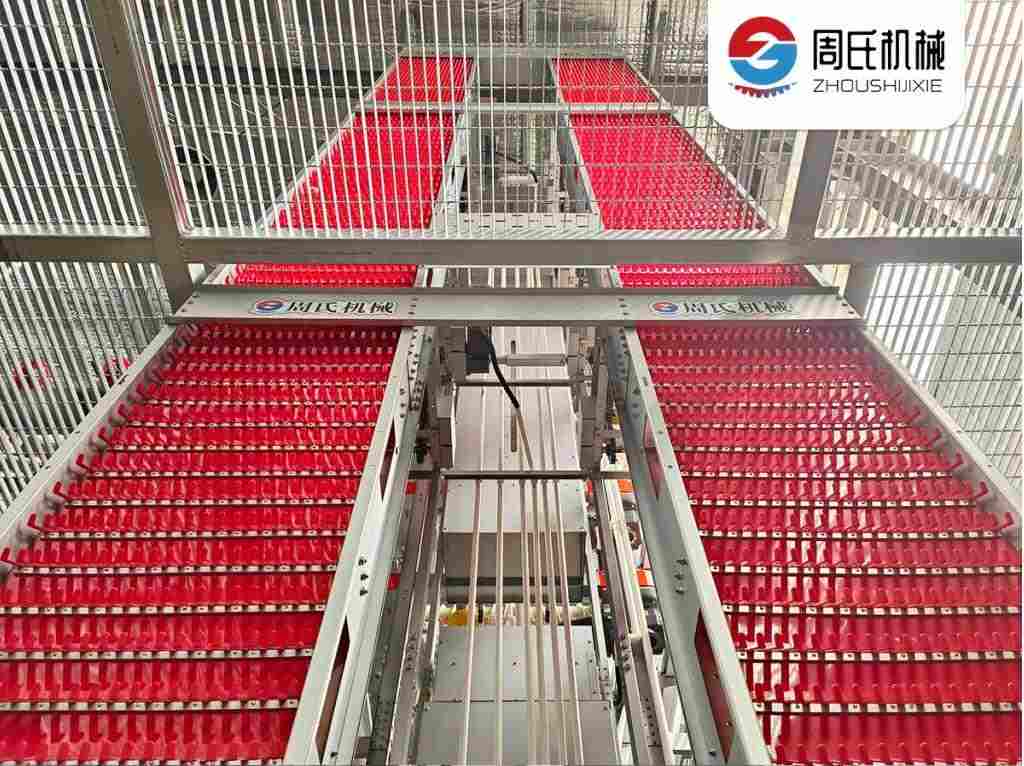
A poultry farm cage system should make clean and dirty flows easy to see. Layer cages place birds above manure-removal belts, while egg belts move eggs toward a collection point rather than across the floor. Feeding lines and nipple drinkers can be arranged as separate service routes. This separation does not make a house disease-proof, but it can reduce unnecessary contact between eggs, waste, boots, tools, and birds.
For layer operations, an H-type or A-type layout gives the farm a defined inspection rhythm. Staff can check water lines, feed distribution, egg movement, and manure discharge from planned aisles. The layout must leave access for cleaning, repairs, and observation.
Design for Cleaning, Inspection, and Water-Line Control
Buyers should inspect more than cage wire and tier count. Ask how surfaces will be washed, how wastewater will leave, and how staff can reach filters, pressure regulators, valves, and belt drives. ZEUSYANG offers drinking water systems equipped with filtration, pressure regulation, dosing, and water-line flushing functions. Operators still need a schedule for pressure checks, flushing, and recording unusual consumption.
Manure belts also require access for alignment, tension checks, and cleaning. A practical poultry layer cage system should make routine inspection possible without sending staff through avoidable bird and egg traffic. Local regulations, flock type, building dimensions, and cleaning methods must guide the final configuration.
Size Ventilation and Cooling as a Complete Hot-Climate System
Air Exchange Must Remove Heat, Moisture, Gases, and Dust
Ventilation must supply oxygen while removing carbon dioxide, other waste gases, dust, heat, and moisture. Exhaust fans, air inlets, cooling pads, and environmental controls must work as one system. A fan selected without considering inlet placement, house sealing, cooling-water quality, and backup procedures can deliver disappointing results.
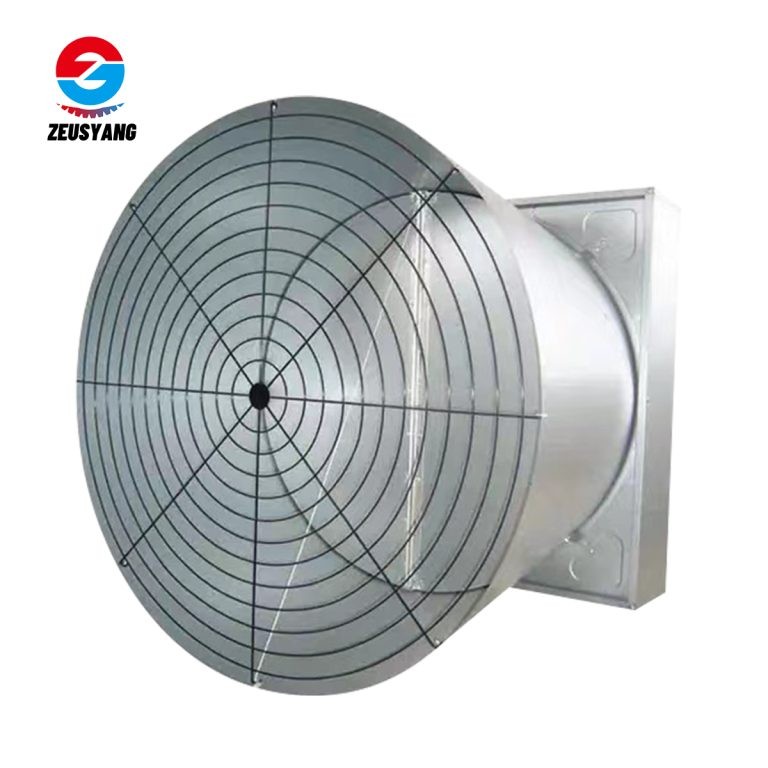
ZEUSYANG’s push-pull fans feature hot-dip galvanized panels, balanced stainless-steel blades, corrosion-resistant guide rods and automatic shutters, and undergo individual inspection before shipment. Such construction details are relevant in humid houses because corrosion, shutter movement, and cleaning access affect long-term service. The buyer should still request a project-specific airflow calculation rather than assuming a catalog model fits every house.
Controls, Maintenance Access, and Failure Planning Matter as Much as Fan Count
Automatic poultry farm equipment should be judged by operating continuity, not automation labels. Ask how readings are collected, how staff receive warnings when a fan or water line stops, and how the house will be ventilated during a power interruption. Confirm access to motors, shutters, belts, sensors, and cooling components.
Maintenance planning is part of disease prevention. A failed fan can create heat and moisture stress; a blocked inlet can produce uneven airflow; a leaking drinker can wet manure and litter. Preventive inspection, spare parts, cleaning records, and emergency procedures should appear in the farm’s standard operating documents.
Make Equipment Fit the Farm Biosecurity Workflow
Map Clean and Dirty Movement Before Choosing Equipment
FAO biosecurity guidance emphasizes control of stock, people, equipment, and products entering clean farms or leaving infected premises. Map the movement of workers, feed, eggs, manure, tools, and replacement parts before final equipment selection. Place egg exits and manure discharge points so that dirty service work does not cross the clean egg route. Keep visitor movement separate from daily flock work where the building plan allows.
Use Automation to Reduce Handling While Preserving Sanitation Tasks
Automation can standardize feeding, drinking, manure removal, egg transport, and climate checks. Reduced handling may lower opportunities for accidental contact, but automation does not remove sanitation work. Staff still need to clean contact surfaces, inspect birds, isolate sick animals, disinfect tools, and verify that sensors and belts are working. The best automatic poultry farm equipment supports a clear routine that staff can audit.
How ZEUSYANG Configures an Integrated Disease-Prevention Equipment Package
ZEUSYANG supplies cages, feeding, drinking, egg collection, manure removal, ventilation, cooling, environmental control, and monitoring systems. We begin with poultry type, flock capacity, house dimensions, climate, land, labor conditions, budget, and management targets. Our planning can then align cage tiers, water lines, manure handling, ventilation, and automation level.
Start With House, Flock, Climate, and Management Inputs
We ask for the house plan, target flock, local weather pattern, power and water conditions, cleaning process, and preferred labor model before preparing a configuration. These details shape the cost of automatic poultry farm equipment. A quotation without those inputs may compare unlike systems or omit supporting equipment. Buyers should request a clear list of included modules, installation scope, commissioning support, maintenance requirements, and project exclusions.
Compare Manual Egg Collection With an Automatic Egg Collection System
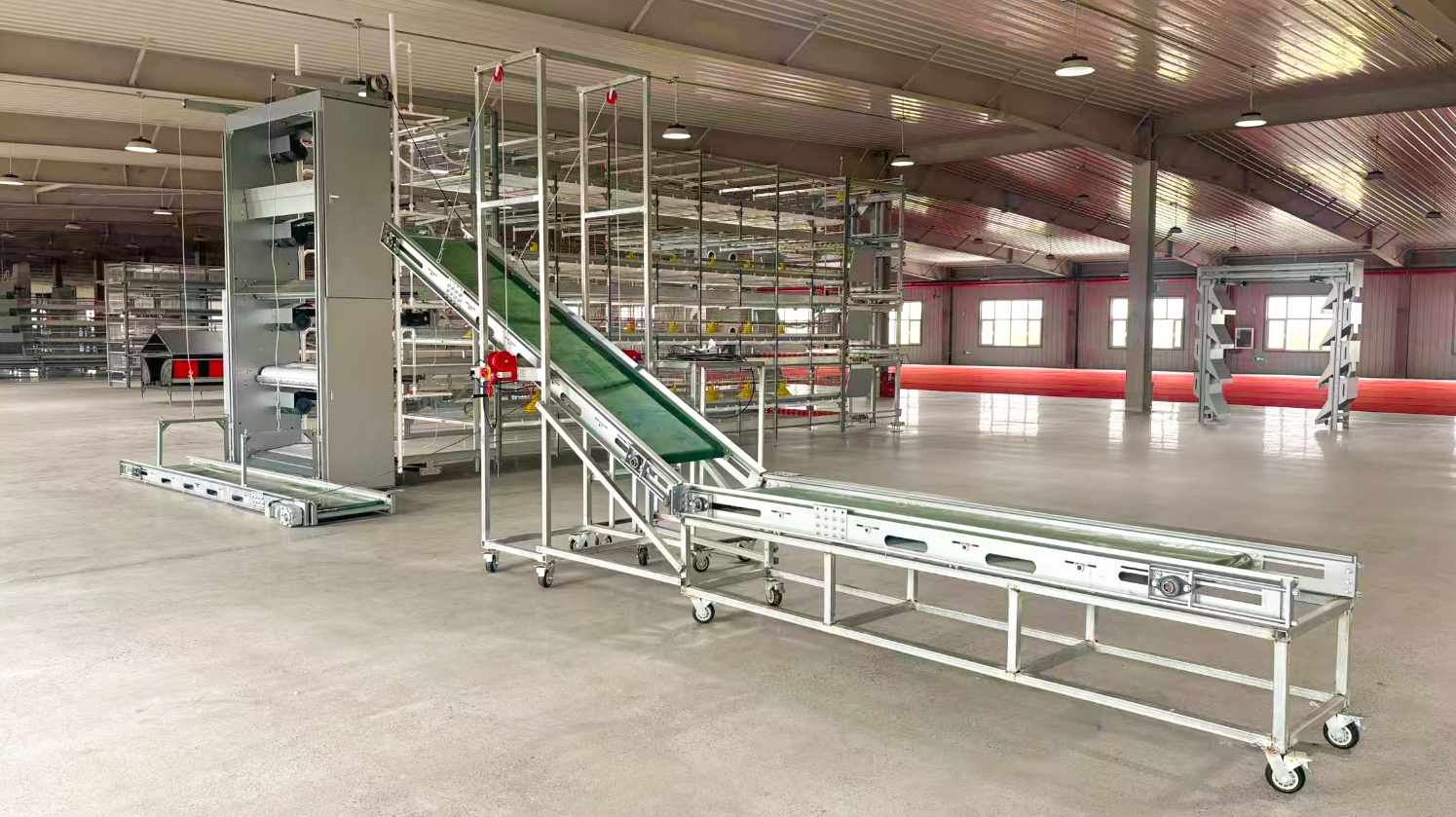
Manual egg collection may fit a small or transitional operation, but the workflow should account for labor availability, egg handling frequency, aisle access, and hygiene controls. An egg collector machine becomes more relevant when a farm needs a defined collection route across multiple cage rows. ZEUSYANG’s verified elevator-type fast egg collecting machine is described as stable, low-noise, and designed for low egg breakage. Compatibility with cage belts, transfer points, electrical supply, cleaning access, and operator training still requires project confirmation.
FAQ
Q: Can poultry farming equipment prevent disease on its own?
A: No. Equipment can support airflow, waste removal, water control, and reduced handling. Biosecurity, cleaning, monitoring, veterinary direction, and local disease-control requirements remain necessary.
Q: Which ventilation equipment is most important in a hot poultry house?
A: The complete airflow system matters more than one fan. Buyers should review exhaust capacity, inlets, cooling, controls, house sealing, maintenance access, and backup procedures as a coordinated design.
Q: Is a poultry layer cage system easier to keep hygienic than a floor system?
A: A cage system can separate birds from manure and move waste through belts, while a floor system requires disciplined litter and manure management. Neither system removes the need for cleaning, disinfection, monitoring, and isolation.
Q: What determines the cost of automatic poultry farm equipment?
A: Cost depends on flock size, house dimensions, cage tiers, ventilation and cooling requirements, water and manure systems, egg collection level, controls, installation, and local service conditions. A verified quotation should state the full configuration rather than provide a generic equipment price.