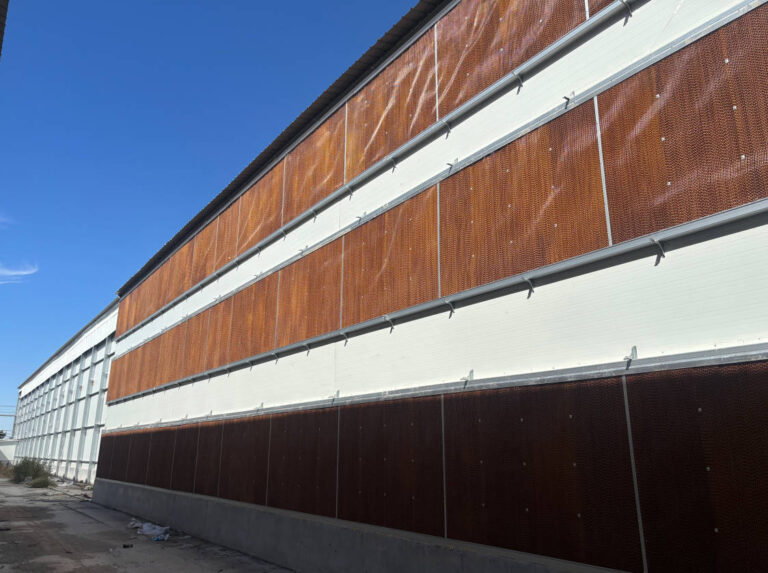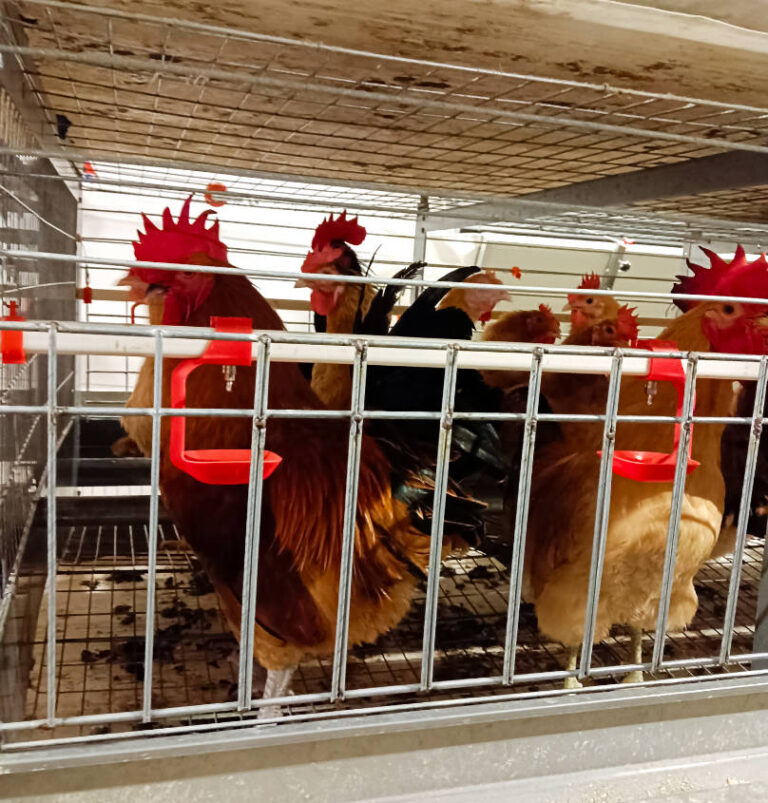

A complete cage-free layer farm should be designed around the losses and daily work the operator needs to control. Floor eggs create collection labor. Poor belt transitions increase breakage. An awkward manure outlet turns routine cleaning into a traffic problem. If those issues are left until installation, adding more equipment will not solve them.
In one ZEUSYANG planning case for a farm of roughly 50,000 laying hens, the customer and location were not publicly disclosed. The buyer was not really purchasing separate feeders, nests, conveyors and fans. The project had to help birds find feed, water and nests consistently; move eggs to the egg room with fewer handling points; take manure out without crossing clean traffic; and let staff reach a fault before it stopped the line. That operating sequence became the starting point for the automated cage-free system.
At ZEUSYANG, we begin with the house drawing, target flock, climate, utilities and labor plan. We then place the bird, worker, egg and manure routes on one layout. Final capacities, equipment quantities and performance requirements are confirmed in the approved drawing and bill of materials.
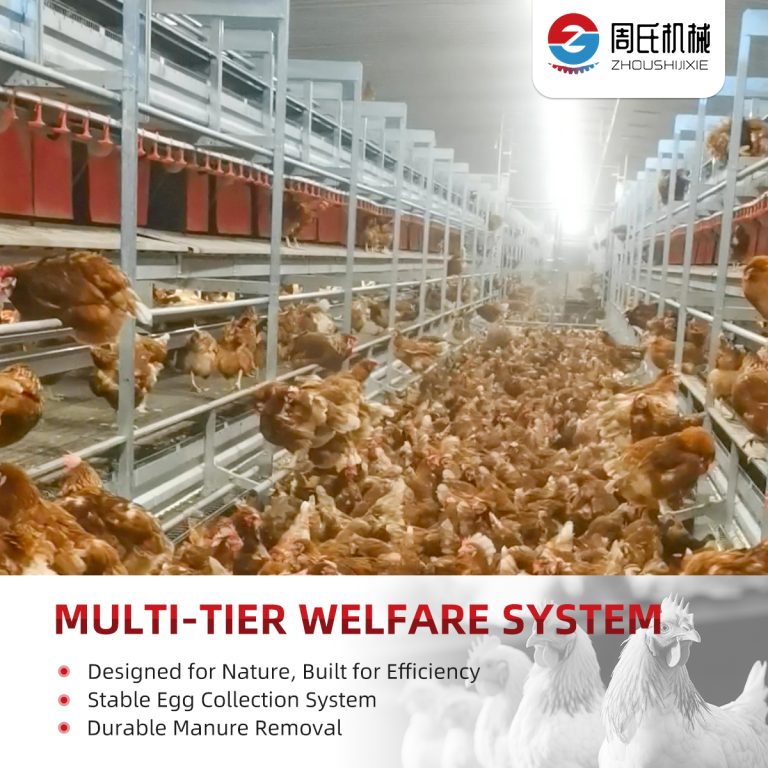
How a 50,000-Hen Cage-Free Layer Farm Can Reduce Floor Eggs
Why Floor Eggs Increase Labor in a Cage-Free Layer System
In a large cage-free house, a small percentage of misplaced eggs can become a substantial daily recovery job. Hens may lay on the litter when nests are difficult to find, entrances are crowded, lighting draws birds toward the wrong area or litter access begins before the flock has formed a reliable laying routine.
What a 50,000-Hen Cage-Free Aviary Study Shows
A commercial study in a 50,000-hen aviary found that controlled litter access during the laying period reduced cumulative floor eggs from 12.6 to 1.4 per hen by 76 weeks. The study also recorded less manure on the litter floor and lower average ammonia levels. The result shows why nest design must work together with lighting, litter timing and flock training. This is an external research example, not a ZEUSYANG customer performance claim. See the published aviary field study.
How Nest Design Supports a Multi-Tier Welfare Layer System
The lesson is practical: nest position, lighting, litter timing and bird movement must be planned together. In a multi-tier arrangement, feed and water can encourage hens to use the intended activity levels, while steps and platforms give them a clear route to the nest area. Nest curtains and a darker laying space improve the contrast between a suitable nest and an exposed floor corner. Equipment helps, but the flock program and staff observations complete the solution.
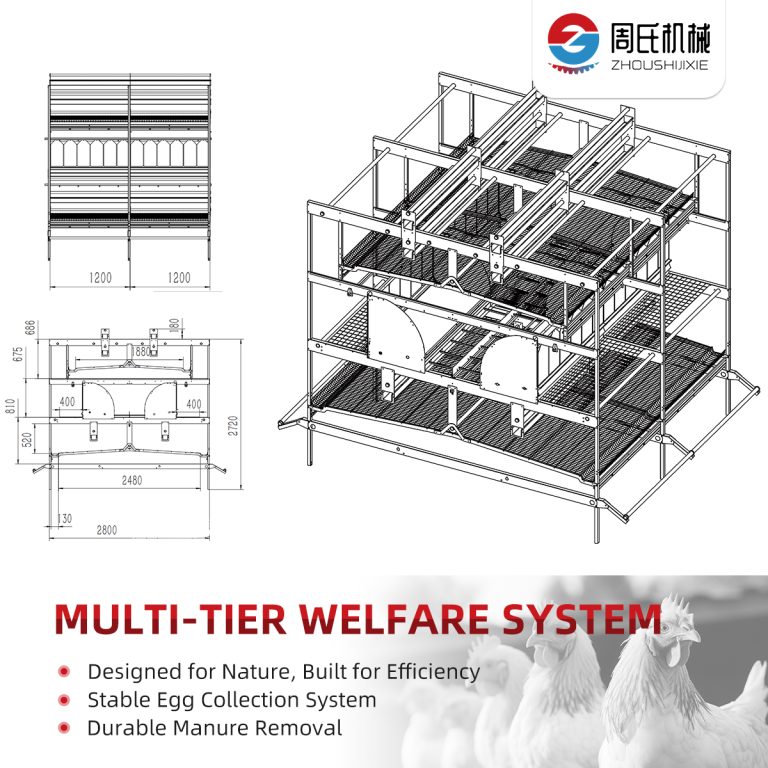
Plan Automatic Egg Collection Equipment from Nest to Egg Room
Map the Egg Conveyor and Elevator Route to the Egg Room
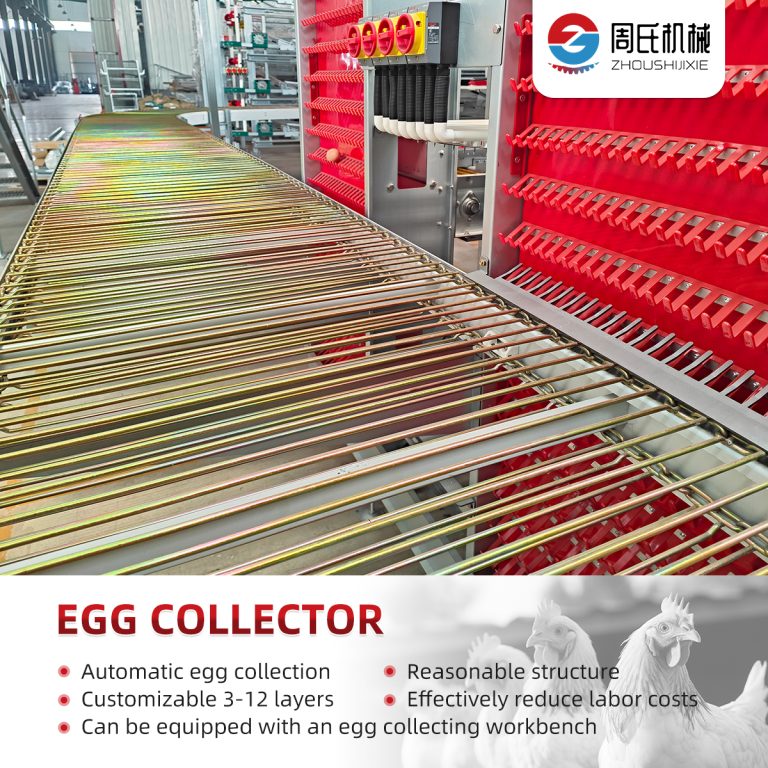
For this 50,000-hen planning case, egg collection was drawn as one continuous route. An egg leaves the nest, enters a longitudinal belt, passes through an end transfer or elevator and then joins the central conveyor to the egg room. Every change in height, direction or belt speed is a potential damage point.
How Automatic Egg Collection Reduces Transfer Damage
This is where automation creates a real advantage. Fewer manual handoffs mean fewer opportunities for eggs to be dropped, mixed with dirty floor eggs or left waiting in the house. A visible, section-by-section route also helps the operator trace recurring damage. If cracks rise after one transfer, staff can inspect that location instead of slowing the entire line.
The nest belt, elevator and central conveyor therefore need compatible speeds, drop heights and operating sequences. The egg-room entrance must also match the next step, whether eggs go to manual packing, grading or another conveyor. ZEUSYANG’s egg collection equipment is selected as part of that route rather than treated as an isolated machine.
Plan the Cage-Free Feeding System and Poultry Drinking System Around Bird Movement
Distribute Cage-Free Feeding Access Across Activity Areas
In a cage-free house, birds choose where to gather. A feeding line can run correctly and still leave a weak area if access is concentrated at one level or blocked by crowding. For a large flock, the layout should distribute feeding space along normal bird routes and leave the drives, corners and return units open for inspection.
Divide Poultry Drinking Lines into Serviceable Zones
Water needs the same zoning logic. Pressure, line height and flushing affect whether birds can drink consistently, but maintainability matters too. If each drinking zone can be isolated, a leaking or blocked section can be serviced without treating the whole house as one circuit. Filtration, pressure regulation and flushing points should remain accessible after platforms, partitions and lighting are installed. The related poultry drinking system guide explains the water-side checks in more detail.
These decisions also support nest use. Feed and water should draw hens through the intended activity areas without creating a bright, crowded resting point beside the nest entrance. During commissioning, staff should observe where birds hesitate or accumulate and adjust timing, light distribution and access before the behavior becomes routine.
Separate Automatic Egg Collection from Automatic Manure Removal
Keep Four Cage-Free Farm Operating Routes Visible
A preliminary drawing for the 50,000-hen house should show four independent routes. Birds move among feed, water, litter, perches and nests. Workers need access for inspection, cleaning and emergency repair. Eggs travel toward the packing area. Manure moves to an outside collection or treatment point. The routes can cross on paper, but poorly planned crossings become daily delays on the farm.
Confirm the Automatic Manure Removal Discharge Before Installation
Manure belts reduce repeated manual handling only when the discharge has somewhere practical to go. The outside conveyor needs a confirmed height, direction and destination. A nearby wall, road, column or vehicle turning area can force an expensive late change. Keeping the manure route away from the egg room and clean working areas also makes wash-down and biosecurity procedures easier to organize.
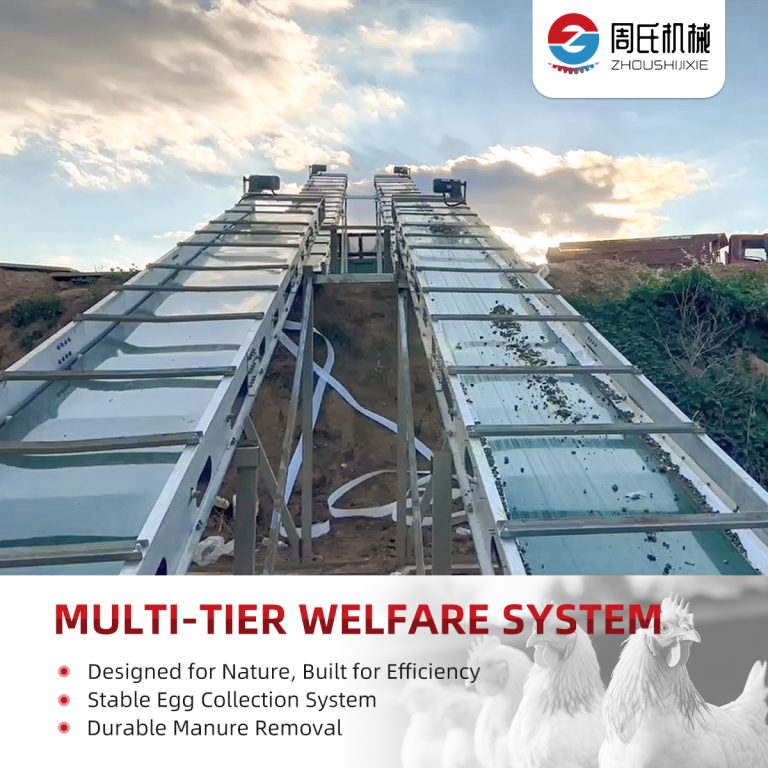
Maintenance access deserves the same attention. Motors, tension units, sensors and water controls should be reachable without removing a platform or stopping unrelated equipment. This shortens fault response and makes routine checks more likely to happen. The advantage is not a more complicated farm; it is a farm whose recurring work has been designed in advance.
Integrate Poultry House Ventilation and Farm Control Systems
Check Poultry House Ventilation and Lighting at Bird Level
A cage-free flock occupies the vertical space of the house, so a comfortable reading near one sensor does not prove that conditions are even at bird level. Ventilation should account for the building, local climate, bird density, heat and moisture load, air inlets, fans, cooling and emergency operation. Lighting should support feeding, resting and nest use without producing dark floor-egg corners or bright nest entrances.
Coordinate Automated Poultry Equipment through the Control Cabinet
The control cabinet then connects those decisions. Feed drives, water alarms, nest operation, egg belts, manure belts, fans, cooling and lighting zones need a clear sequence. Interlocks can stop one unsafe action from damaging another part of the line, while manual fallback allows essential work during troubleshooting. Remote monitoring or production reports should be written into the quotation when required; they should not be assumed.
Commission the Complete Cage-Free Layer System
Test Automated Cage-Free Farm Equipment Before Birds Enter
Before birds enter, the project team should test the connected process, not only individual motors. Feed should reach the end of each route. Water lines should hold pressure and flush correctly. Nests should open and close as specified. Egg transfers should run without abrupt drops. Manure belts should discharge to the agreed point. Fans, lighting, alarms and emergency stops should respond in the intended order.
Define Cage-Free Farm Installation and Operator Handover
For a project of this size, ZEUSYANG can coordinate farm planning, poultry-house design, equipment selection, installation guidance, commissioning and operator training. On-site engineering support and the installation schedule depend on the confirmed scope, building readiness, shipment, local labor and utilities. A one-month site period may be used as a planning target only when those conditions are agreed in advance.
Operator training should cover start-up, shutdown, cleaning, alarm response, belt tracking, water flushing and spare-parts control. This is where the design becomes repeatable daily practice. A good handover leaves the farm team able to identify where a problem starts and which action is safe, instead of depending on trial and error.
What Buyers Should Send for a Cage-Free Farm Layout
A useful proposal starts with the project location, seasonal climate, flock size, house dimensions, new-build or retrofit status, voltage, water conditions, egg-room position and manure destination. The buyer should also state the required welfare standard, automation boundary, installation responsibilities and target commissioning date.
Request a cage-free farm layout from ZEUSYANG. Send the house drawing and project conditions. The first discussion should focus on floor-egg risk, bird and worker movement, egg transfers, manure discharge, climate zones and maintenance access. Once those routes work together, the equipment list becomes much easier to define.
FAQ
Q: Can an Existing Poultry House Be Converted to a Cage-Free Layer System?
A: It may be possible, but the building must be surveyed first. Check clear height, columns, floor condition, ventilation openings, electrical capacity, water supply, egg-room position, manure route and installation access before selecting the system.
Q: How Can Nest Design in a Cage-Free Layer System Reduce Floor Eggs?
A: Start with accessible nests, suitable lighting, clear bird routes and a flock program that encourages early nest use. Record where floor eggs occur and correct the local cause rather than relying only on more collection labor.
Q: Can Feeding, Automatic Egg Collection and Manure Removal Use One Control Strategy?
A: They can be coordinated, but the quotation must define the loads, sensors, alarms, interlocks and manual fallback included. Commissioning should test the sequence under normal and fault conditions.
Q: What Determines a Cage-Free Farm Equipment Installation Schedule?
A: The schedule depends on building readiness, final equipment scope, shipment timing, local labor, utilities and site access. Confirm these assumptions before treating any target period as a commitment.